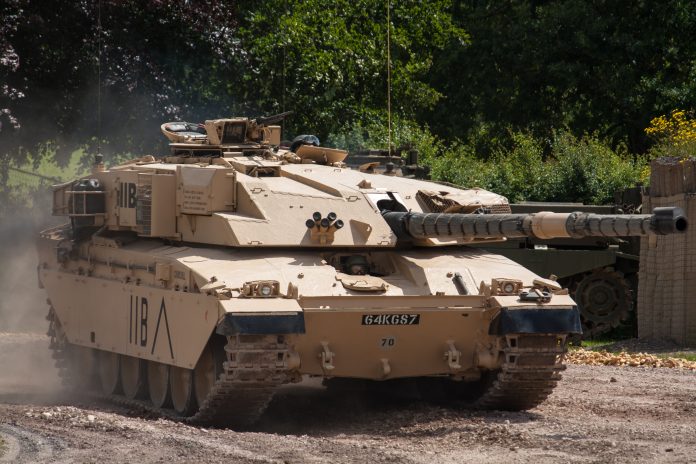
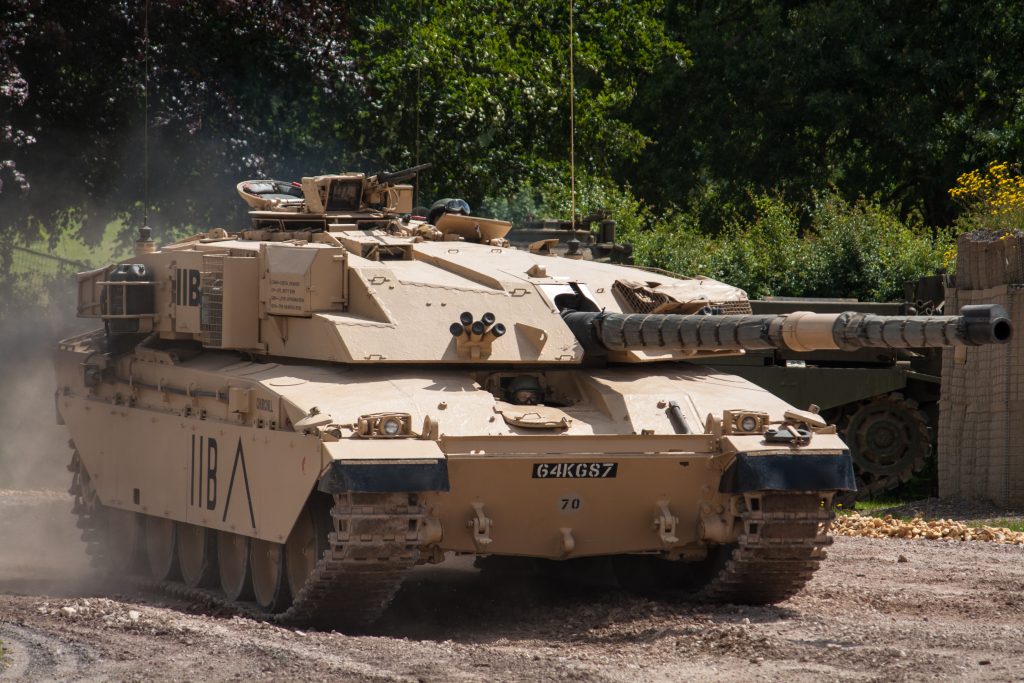
The tank is not disappearing. It is being redesigned under pressure from a battlespace where cheap quadcopters, loitering munitions, jammers, and top-attack threats have turned the airspace just above armored vehicles into a constant hazard.
That pressure is changing design priorities. Recent combat experience, improvised field modifications, and new vehicle programs all point toward the same conclusion: survivability now depends less on a single armor solution and more on how well a tank fits into a layered anti-drone ecosystem.
1. Roof protection is no longer optional
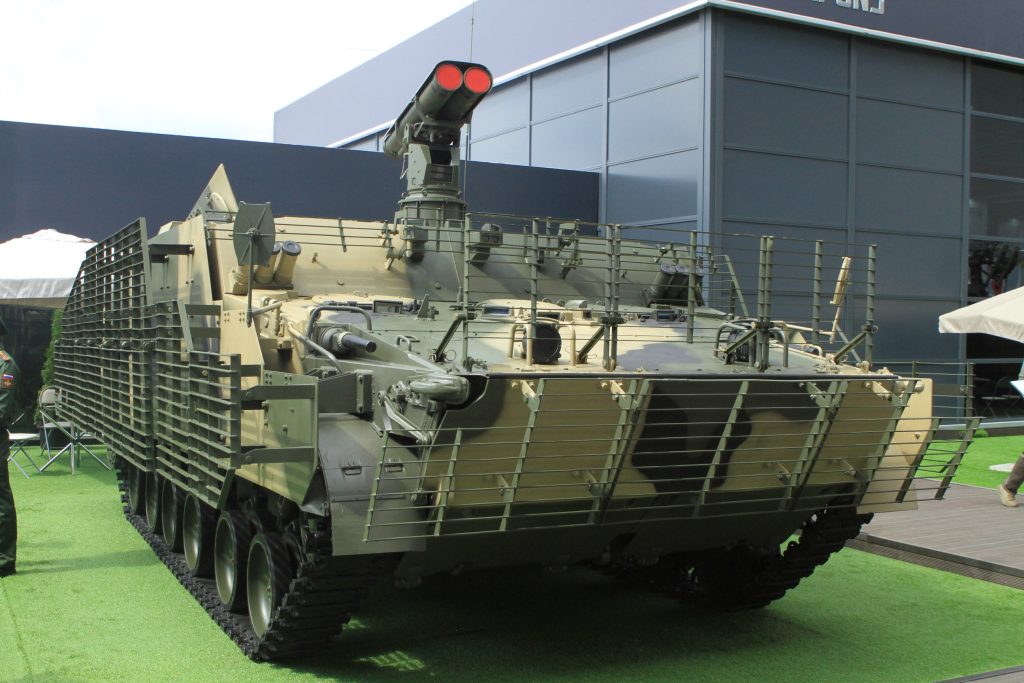
Tank designers spent decades optimizing frontal arcs against guns and missiles. Drone-saturated combat has forced attention upward. Top-attack profiles from quadcopters, loitering munitions, and diving anti-tank weapons punish any weakness on the roof, turret top, or engine deck. That is why armies are revisiting overhead structures, from add-on cages to purpose-built top-attack defenses. The U.S. Army’s fiscal 2026 request included $92 million for top attack defenses, showing that roof survivability has moved from improvised workaround to funded design priority.
2. Passive armor still matters, but it must be modular
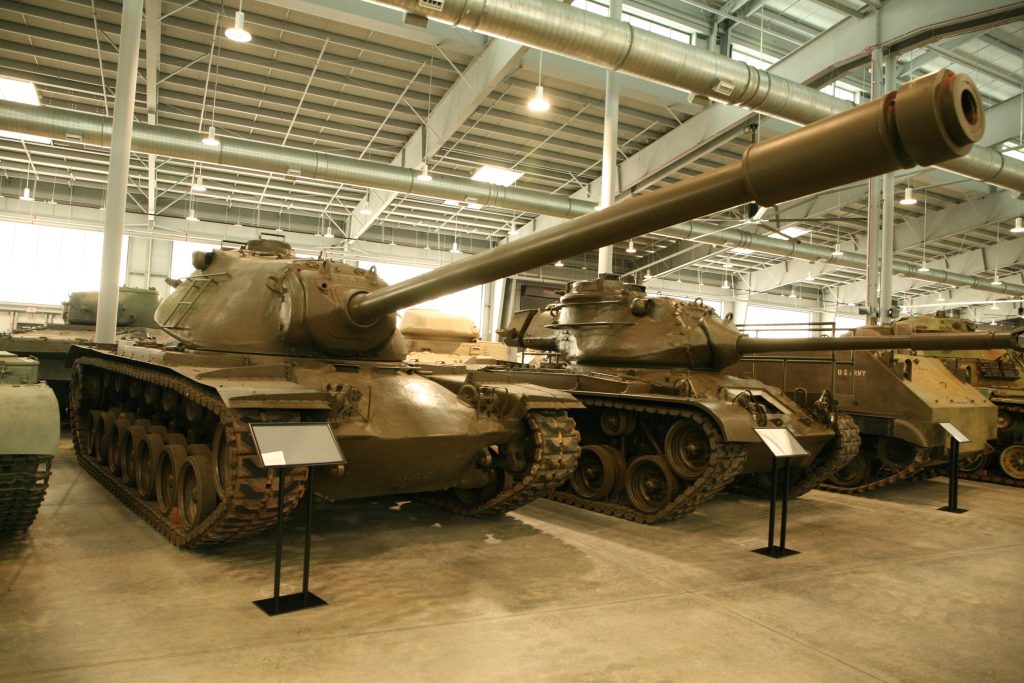
Drone warfare has not made armor irrelevant. It has made static armor packages less practical. Crews in Ukraine have shown that extra netting, reactive armor, and ad hoc metal structures can buy time, absorb repeated hits, and improve crew survival even when vehicles are eventually lost. A recent RUSI assessment cited in reporting found that, with suitable modifications, armor can survive 10–15 FPV hits and still suffer repairable damage. The lesson for designers is not to bolt on permanent bulk everywhere. It is to create mounting points, electrical interfaces, and repairable external packages that can be adapted sector by sector.
3. Crew survivability has to be separated from vehicle survival
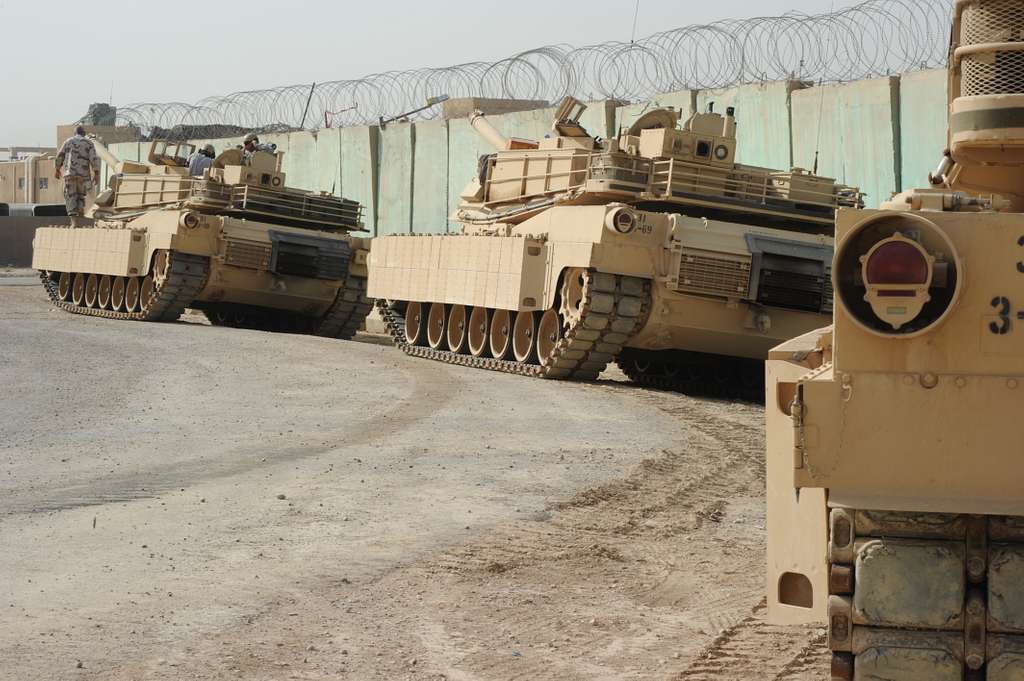
One of the clearest design shifts is the effort to preserve the crew even when the tank is disabled. Western designs already placed emphasis on protected crew stations and ammunition management, but drone attack has made that logic even more central. The emerging M1E3 demonstrator reflects this shift with a three-person crew in a protected hull cell and an unmanned turret. That arrangement acknowledges a hard battlefield reality: tanks may be detected, tracked, mobility-eliminated, and struck multiple times before recovery is possible. Protecting people inside a shrinking, better-shielded citadel is becoming as important as preserving the full fighting capability of the platform.
4. Active protection must look up, not just outward
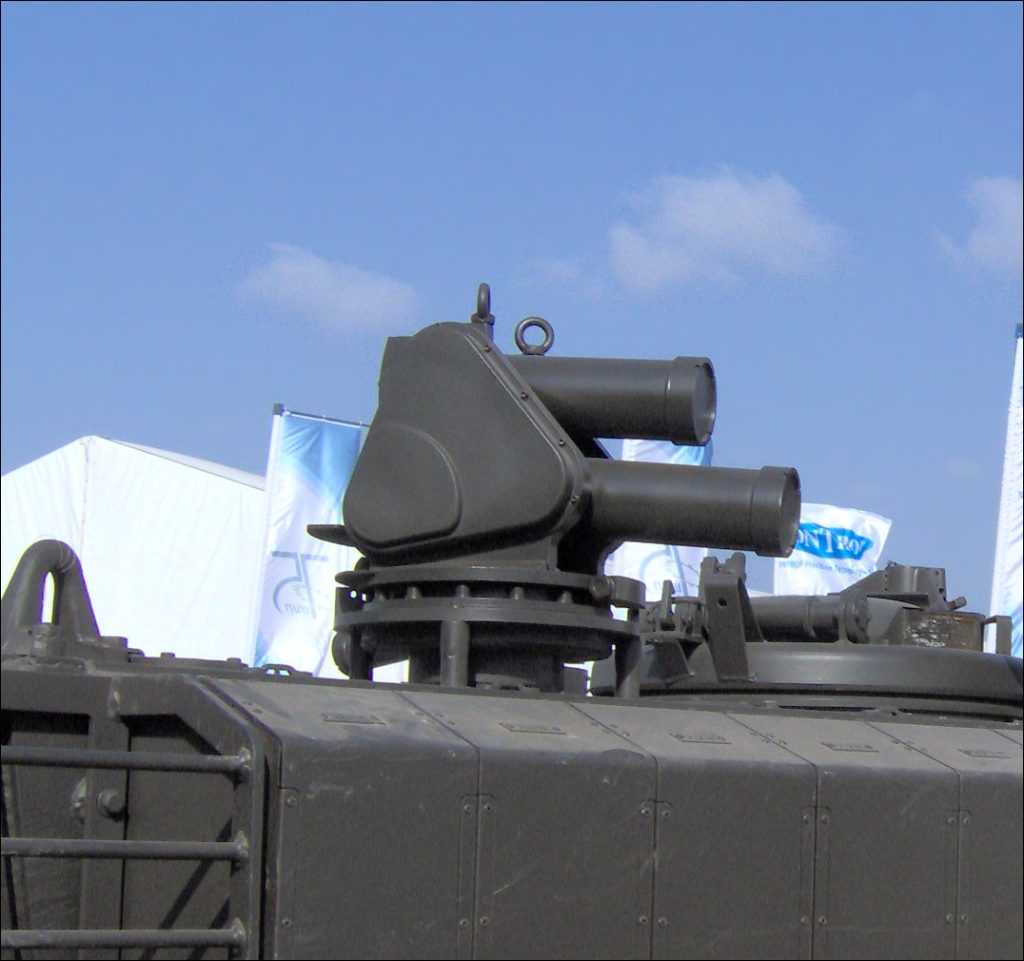
Traditional active protection systems were built mainly for horizontal threats such as rockets and anti-tank guided missiles. Drone-heavy environments expose the limits of that approach. Sensors, launch geometry, and reaction windows all change when a threat drops steeply from above or appears close overhead. Designers are therefore treating APS as a 360-degree and overhead problem. Existing systems such as Trophy and Iron Fist demonstrated the value of hard-eliminate defense, but future tanks need native integration rather than heavy afterthought kits. Integrated sensors, better elevation coverage, and closer coupling to onboard computing are now central requirements, not upgrades.
5. Soft-eliminate systems and electronic warfare are part of the tank now
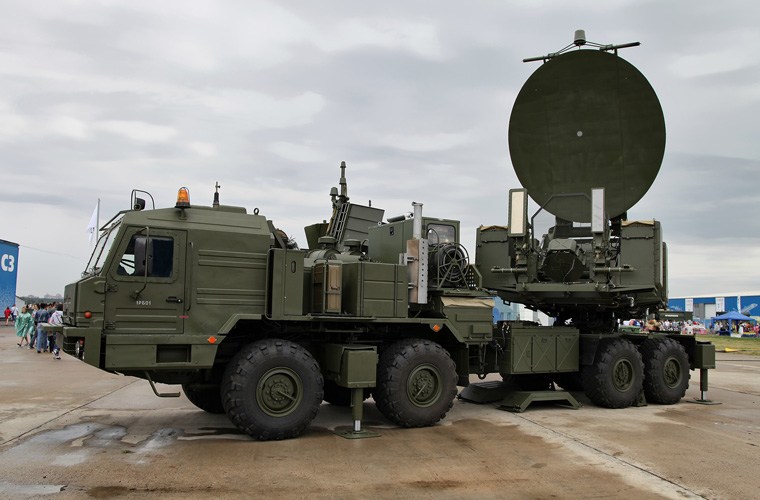
Armor can stop some attacks, but many drone fights are decided before impact. Jamming, spoofing, and signal disruption increasingly shape whether a drone can find, track, and hit a vehicle at all. In some sectors, electronic warfare is a bigger obstacle to drone operators than armor thickness. That is why new vehicle concepts emphasize open digital architecture. The Army’s counter-drone direction centers on the Modular Active Protection System, which is meant to let different sensors, jammers, launchers, and countermeasures be mixed across platforms. Designers are learning that a tank without electronic self-protection is incomplete.
6. Power generation has become a survivability feature
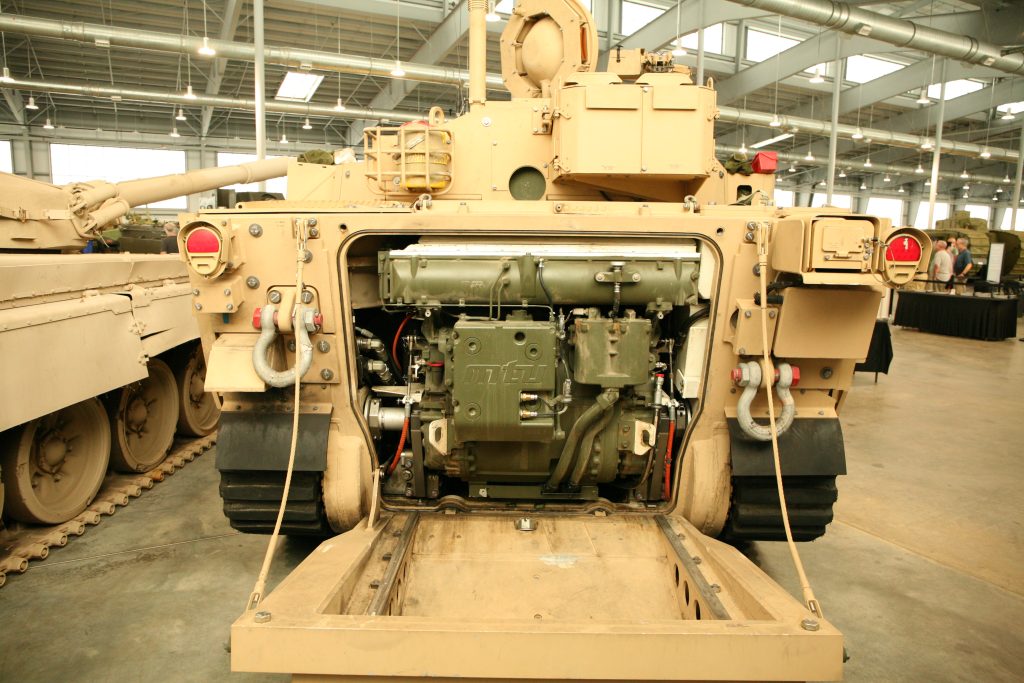
Counter-drone warfare demands electricity. Radars, cameras, electronic attack modules, processors, remote weapon stations, and future directed-energy tools all compete for onboard power. A tank designed around older electrical assumptions quickly runs out of margin. This is one reason hybrid propulsion is attracting renewed attention. The M1E3’s reported hybrid power pack and broader electrical capacity are not simply mobility choices. They support sensors, effectors, and silent watch while also helping reduce thermal and acoustic signatures. In the drone era, power reserve is part of protection.
7. Signature reduction is becoming as important as armor thickness
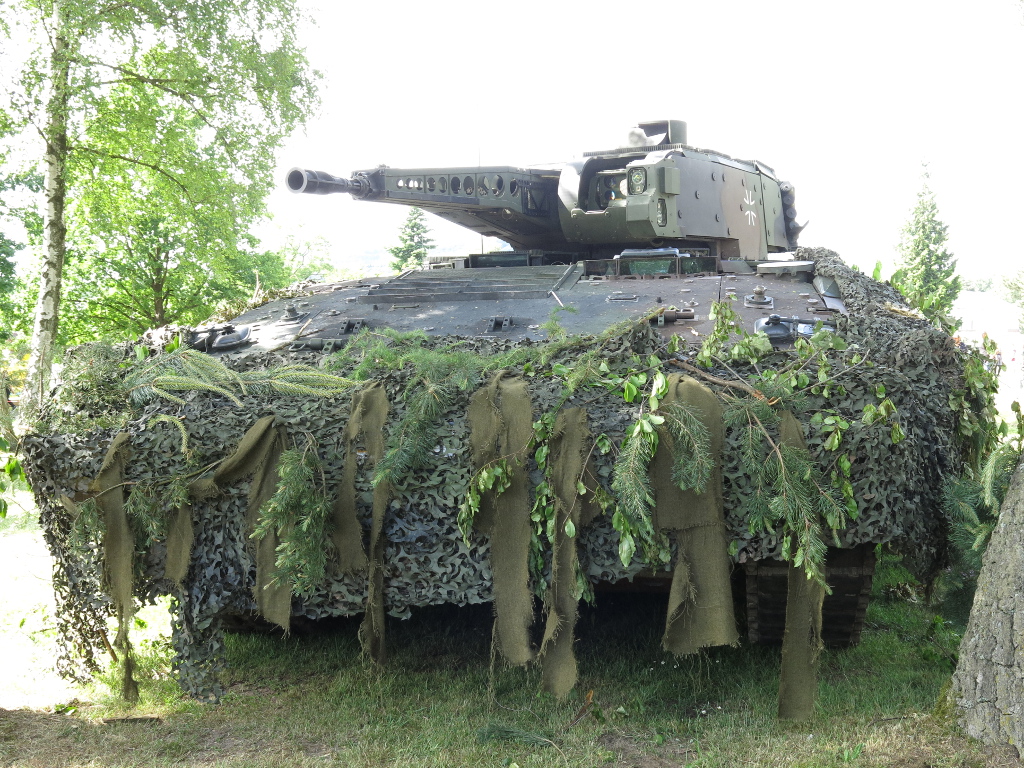
The harder a tank is to identify, classify, and track, the fewer opportunities hostile drones receive. That has pushed camouflage, thermal control, acoustic reduction, and emissions discipline closer to the center of design work. The Army has highlighted signature management paint and other passive survivability measures as part of its broader approach. This reflects a larger battlefield trend often described as growing transparency: persistent surveillance means vehicles are in danger long before a weapon is fired. A tank that can hide better can fight longer.
8. No tank survives alone anymore
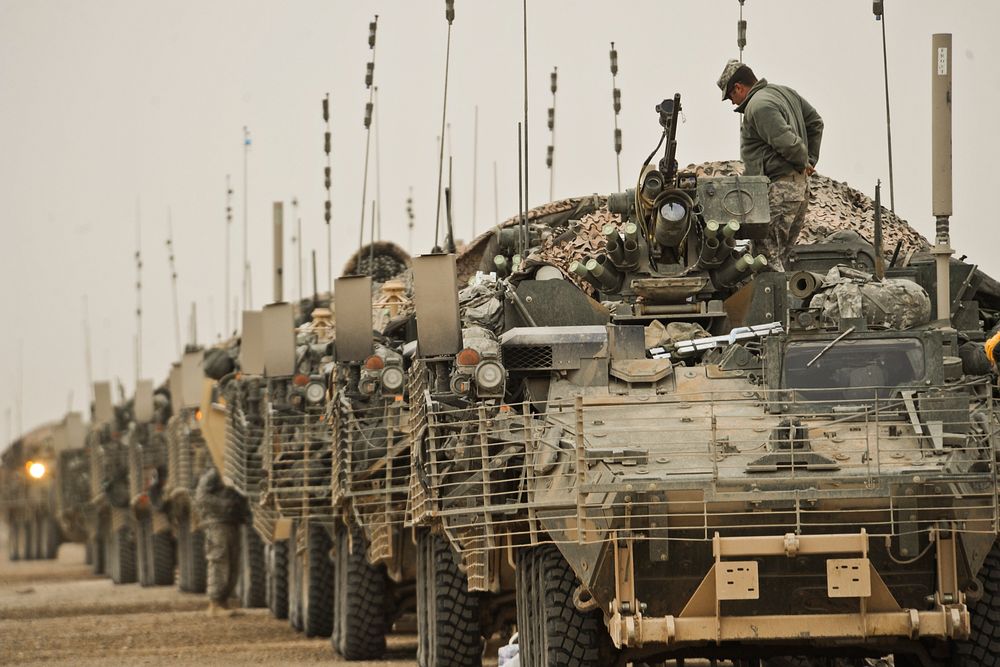
The biggest lesson may be that tank design can no longer be separated from the wider formation. A modern armored vehicle needs to operate inside a network of radars, interceptors, jammers, remote weapon stations, and nearby short-range air defense assets. Designers are building for connection as much as for protection. That logic is visible in the Army’s emphasis on layered defense and on wider C-UAS networks rather than a single miracle device.
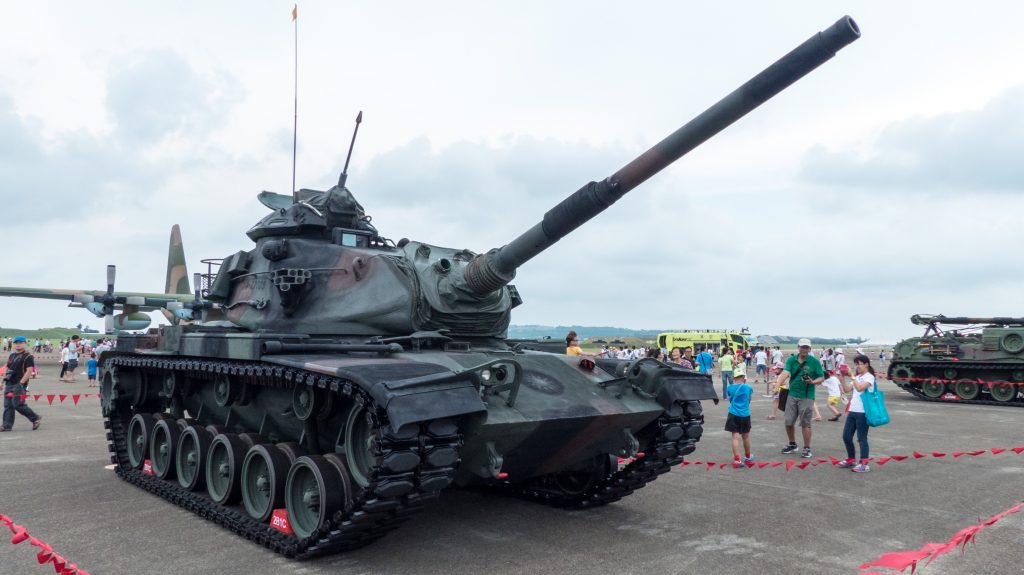
It also matches battlefield evidence: even heavily modified tanks can be overwhelmed when isolated, while protected vehicles supported by sensors and counter-drone coverage stand a far better chance of surviving long enough to complete a mission. The modern lesson is blunt. Tanks are still relevant, but the age of relying on steel alone has ended. Designers are now building armored vehicles as nodes in a defensive system: harder to see, harder to track, harder to hit, and better able to keep crews alive when hits still get through. In drone-saturated battlefields, that is what survivability looks like.


