Modern duty pistols did not emerge from a single invention. Their current form is the result of layered engineering decisions that gradually changed how service handguns are carried, fired, maintained, and fitted to the user.
What now appears standard a polymer frame, a striker system, a double-stack magazine, and a grip tailored for control was once a departure from accepted practice. The most influential changes were not always the first in absolute terms, but the ones that proved durable enough to redefine the category.
1. The move to self-loading pistol architecture
Before modern duty pistols could exist, handgun design had to move beyond the revolver and into reliable semi-automatic operation. Late 19th-century developments in cartridges, smokeless powder, and breechloading systems created the conditions for that change. Early self-loading pistols such as the Schonberger-Laumann showed that the form factor of the modern service sidearm was becoming possible, even before the concept was fully refined.
This shift mattered because it established the basic engineering template still used today: a reciprocating slide, a magazine-fed action, and faster reloads than older sidearms allowed. Once that architecture stabilized, later breakthroughs could improve weight, capacity, ergonomics, and internal safety systems rather than reinvent the handgun from scratch.
2. The striker-fired ignition system
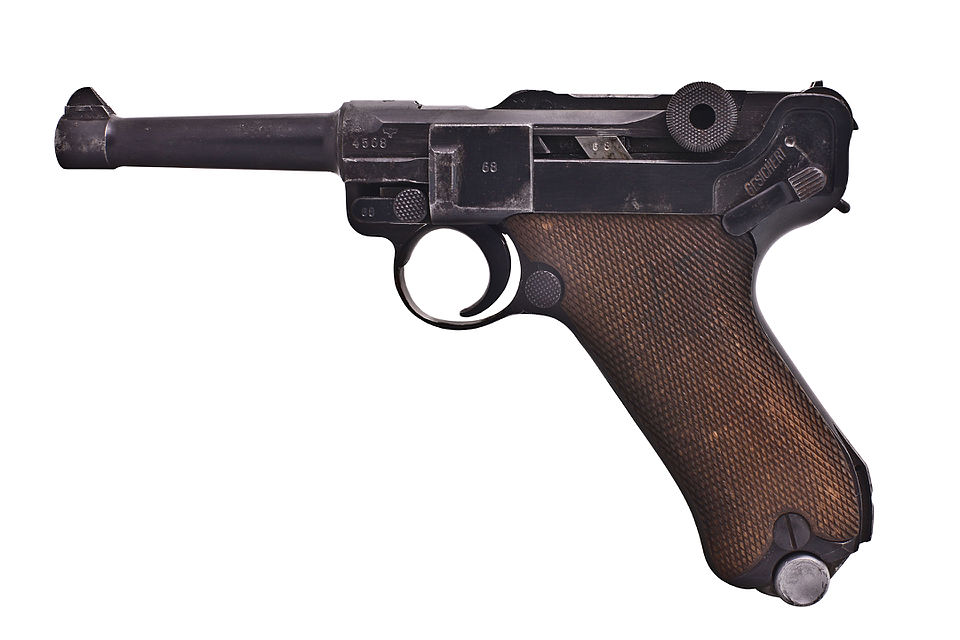
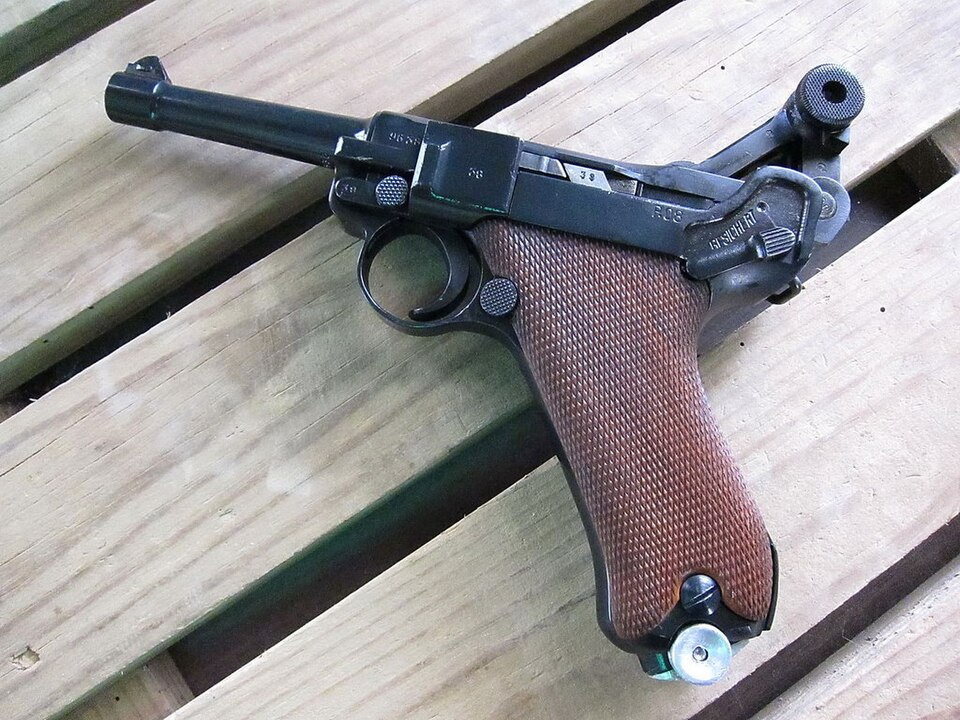
The striker-fired pistol is often treated as a modern idea, but its roots reach much further back. Early examples such as the Borchardt C93 and Luger P08 demonstrated that a pistol did not need an exposed hammer to function. In a striker system, spring tension stores the energy for ignition, and the trigger releases that energy through a more enclosed internal layout.
For duty use, that mattered for several reasons. The system simplified external contours, reduced snag points, and helped normalize the consistent trigger pulls that many agencies later came to value. Striker-fired designs also made it easier for manufacturers to build pistols around fewer protruding controls and more uniform handling across a large user base.
3. The double-stack magazine
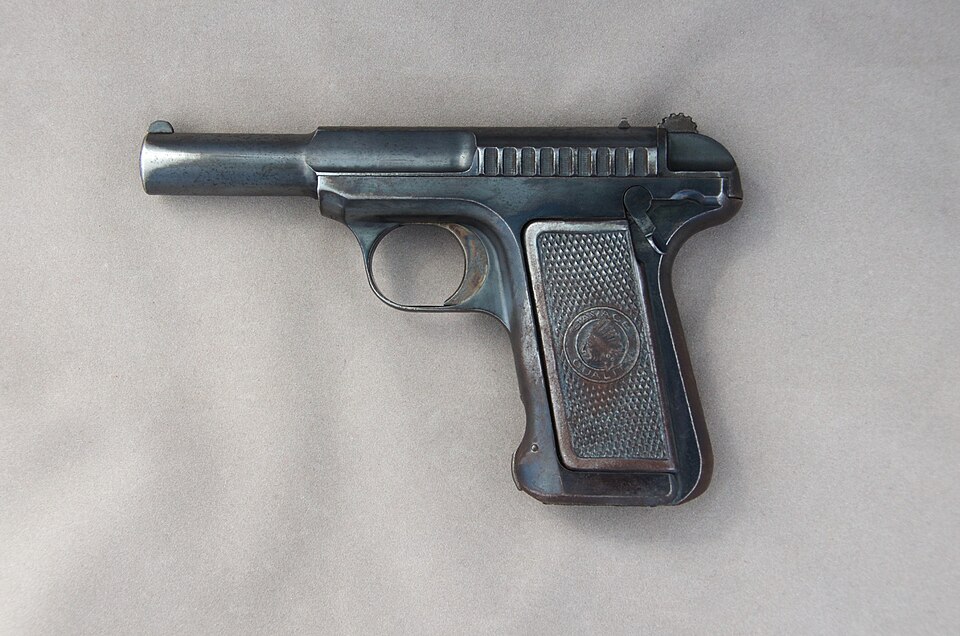
Capacity transformed service-pistol expectations. Single-stack magazines defined many early autoloaders, but designers soon pursued staggered-column magazines to carry more ammunition without making the pistol excessively long. In handguns, the Savage Model 1907 and later the Browning Hi Power demonstrated the practical value of increased onboard capacity.
That breakthrough became central to duty pistols because service sidearms are expected to balance fighting capability with reasonable dimensions. A double-stack magazine widened the grip, but it also established the capacity standard that modern police and military pistols continue to follow. In practical design terms, it forced later engineers to solve ergonomics and reach issues created by the thicker frame.
4. The polymer frame
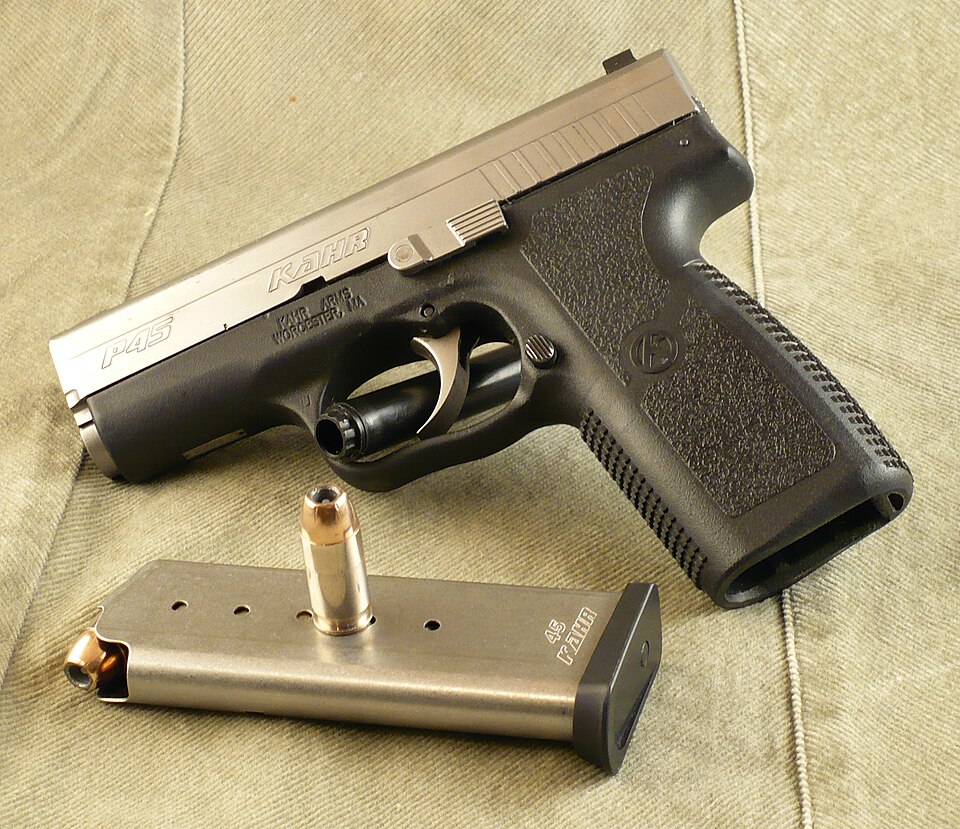
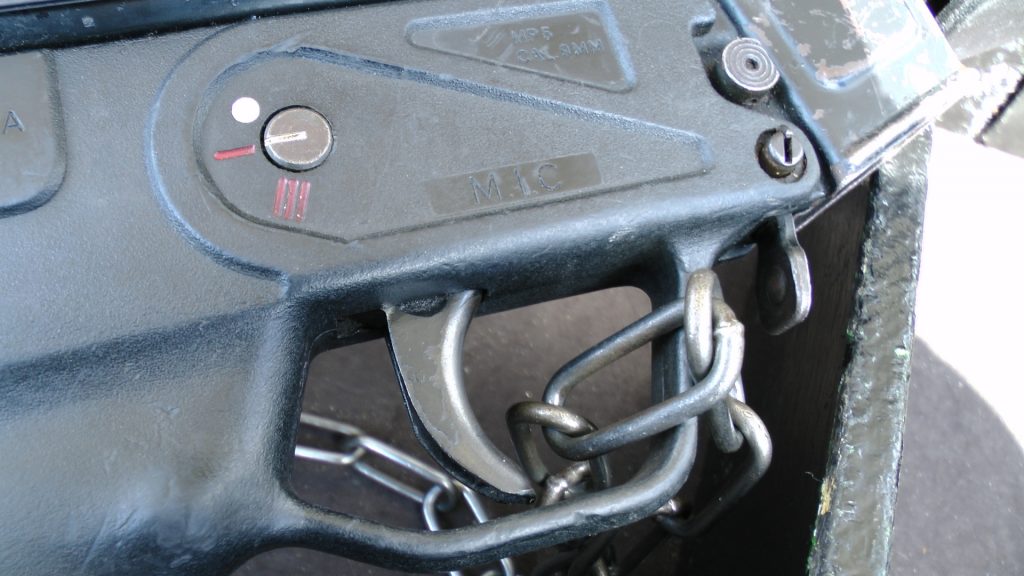
One of the most important material changes in handgun history was the shift away from all-metal frames. The design was not originally pioneered by Glock; the first polymer pistol called the Volkspistole (VP/70) appeared from Heckler & Koch in 1970. That pistol proved the concept, even if it did not become the defining duty gun of its era.
Polymer reduced weight, resisted corrosion, and expanded manufacturing possibilities for frame shapes and molded textures. It also opened the door to pistols that could be carried all day with less fatigue while still remaining durable. The material itself was the breakthrough; later commercial success simply made the wider industry impossible to ignore.
5. Internal passive safeties replacing external levers as the default
Duty pistols increasingly moved toward systems that relied on internal safeties rather than a traditional manual thumb safety. Glock’s SAFE ACTION approach became the most influential example, combining trigger, firing-pin, and drop protections in a design meant to remain ready without adding extra manipulation under stress.
This was a major operational change. It simplified training, standardized the draw-to-fire sequence, and made the pistol feel closer to a straightforward duty tool than a mechanism requiring multiple condition checks. The concept became especially important once agencies began issuing handguns to very large groups with varying skill levels and training time.
6. Commercially successful integration of polymer and striker systems
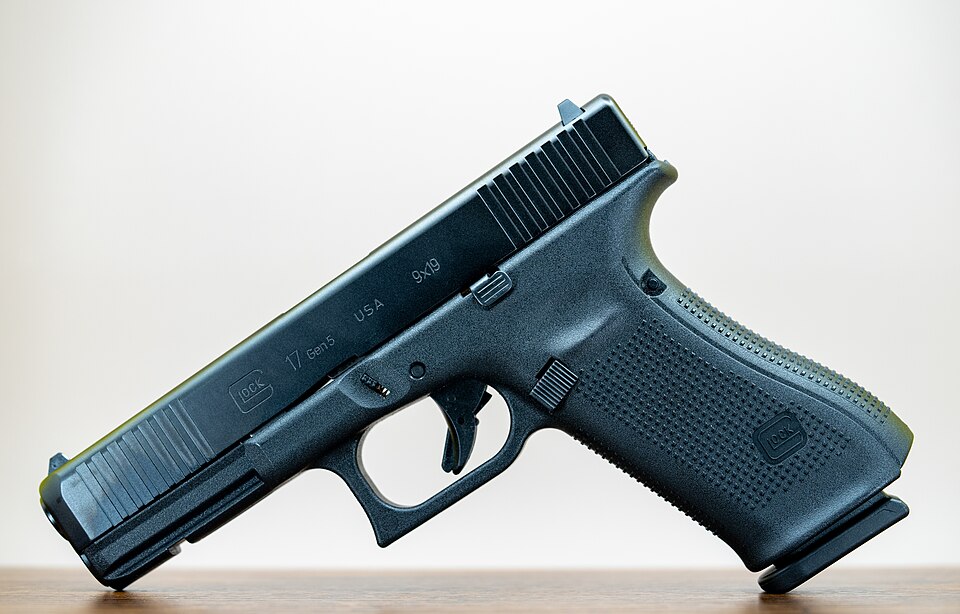
The VP70 proved that polymer and striker ignition could coexist, but the design that turned that pairing into an industry standard was the Glock 17. By the early 1980s, Glock had answered an Austrian requirement for a new service pistol, and the Austrian Ministry of Defense released a list of 17 criteria for the replacement program. The resulting pistol brought low weight, internal safeties, high capacity, and simple controls into one package.
That integration was the real watershed. Many earlier ideas had existed independently, but the Glock 17 combined them in a form that agencies would actually adopt at scale. Its success changed not only what a duty pistol looked like, but what procurement officials and end users expected a duty pistol to do. The wider market followed because the formula worked.
7. Modular frame and fire-control concepts
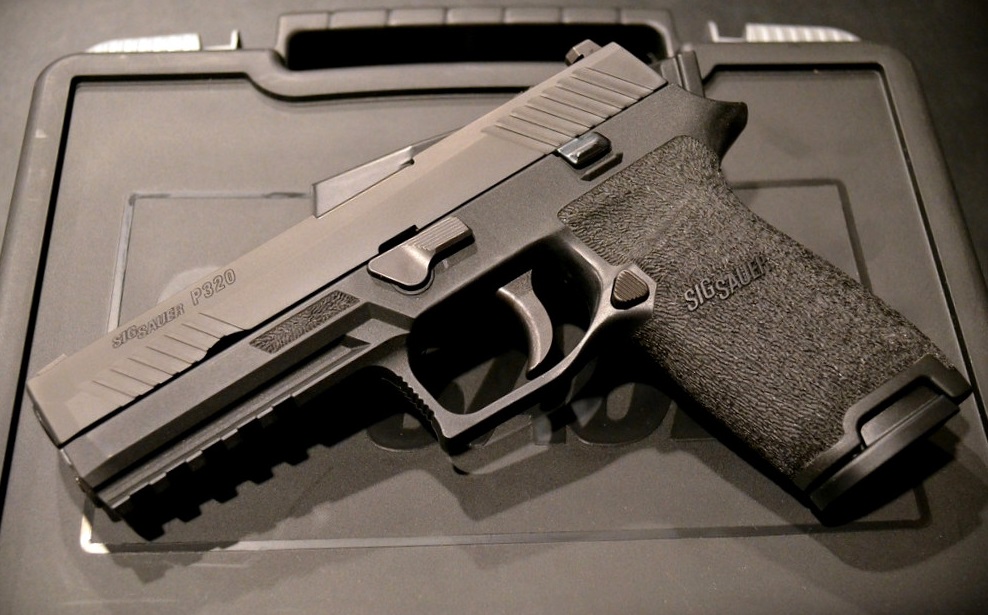
More recent duty-pistol development has focused on adaptability. The standout example is the SIG P320, which gained attention for allowing the serialized fire-control unit to be moved between grip modules, slide lengths, and other configurations. That shifted part of handgun design away from the fixed-pistol model and toward a more flexible system.
For institutional users, modularity changed inventory logic as much as engineering. A pistol could be adapted for different hand sizes, roles, or mission requirements without replacing the entire platform. It also aligned with modern expectations that service pistols should support accessories, varied grip circumferences, and evolving mission profiles over a long service life.
8. Ergonomic grip geometry as a performance variable
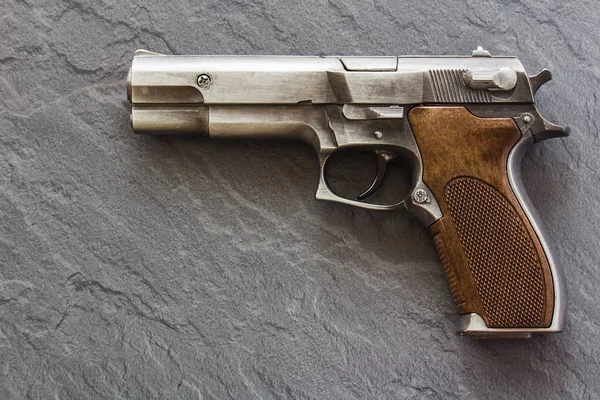
Once reliability became broadly mature across major manufacturers, grip design moved to the center of pistol engineering. Modern duty pistols are increasingly shaped around how the gun indexes, how high the hand can sit under the slide, and how recoil is controlled over repeated strings of fire. That includes grip angle, contour, backstrap shape, undercuts, and texturing.
Those details are not cosmetic. A 22-degree angle like Glock’s changes presentation differently than the 18-degree geometry associated with the M1911 and several newer service pistols. Interchangeable backstraps and more deliberate contouring helped duty pistols accommodate a broader range of users while preserving control, trigger reach, and sight alignment. In the current era, ergonomics has become one of the main ways serious service pistols distinguish themselves.
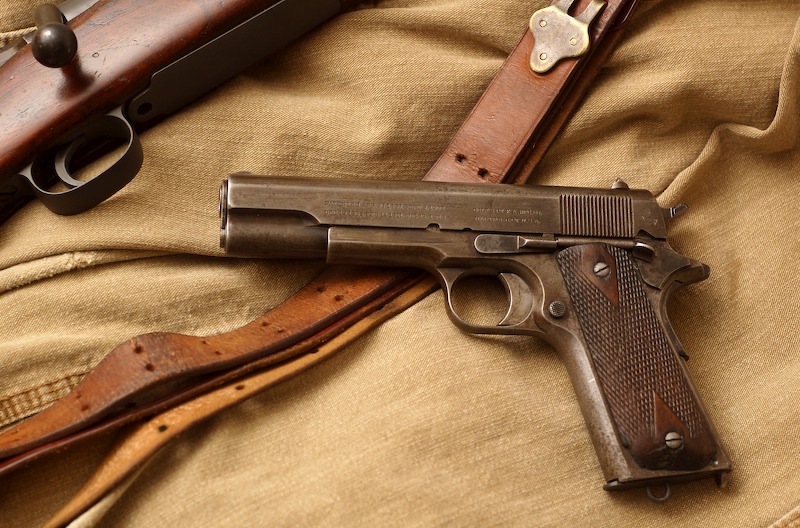
The modern duty pistol is best understood as a cumulative engineering project. Each major step self-loading operation, striker ignition, increased capacity, polymer construction, internal safeties, integrated system design, modularity, and advanced ergonomics solved a different problem while reshaping the whole category. That is why today’s service handguns look familiar across brands. The market has spent more than a century refining the same core problem: building a sidearm that is lighter, simpler, more adaptable, and easier to run well under professional use.


