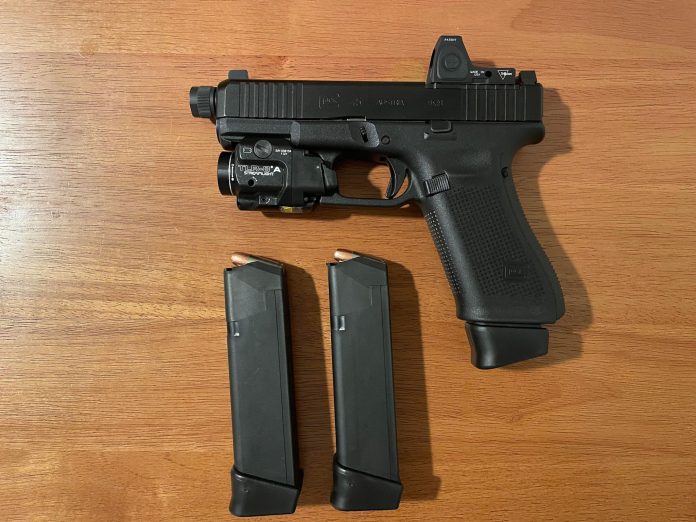
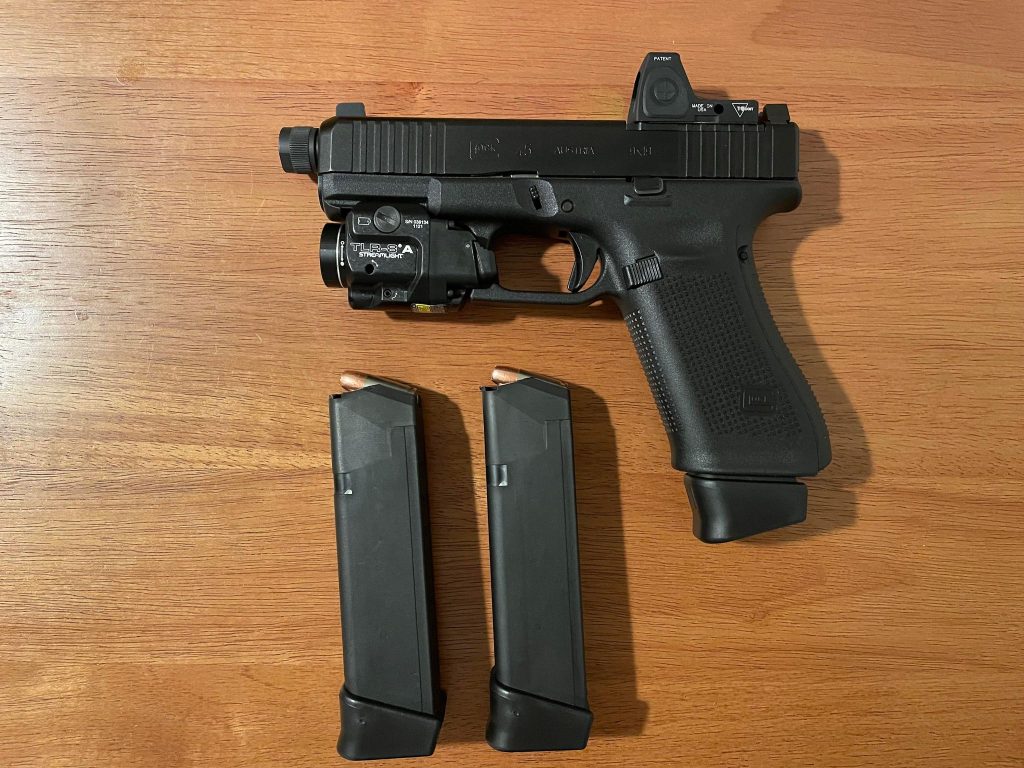
Optics-ready pistols were once a niche answer to competition shooters willing to tolerate custom slide work, tall mounts, and finicky early electronics. That period did not last. The modern handgun market now treats the optic cut as a mainstream engineering feature rather than an exotic add-on.
The shift is being driven by more than fashion. Manufacturing changes, training outcomes, user demographics, and the rapid improvement of micro-optics have all combined to make the optics-ready slide one of the defining handgun design trends of the past decade.
1. Miniaturized optics finally made slide mounting practical
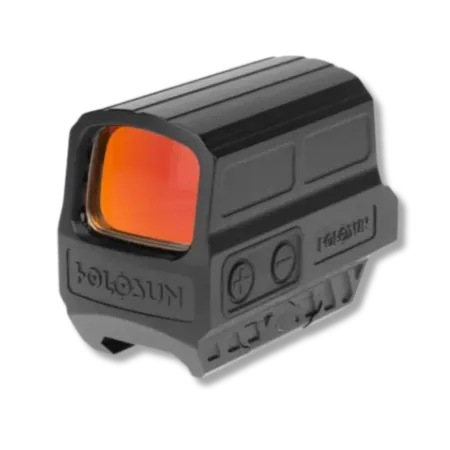
Early pistol red dots were too large and too fragile for broad handgun use. Competitive shooters in the 1990s often relied on bulky frame mounts because the optics of that era added major weight and struggled to survive recoil. As one veteran account recalled, some early setups added more than a pound when optic and mount were combined, a stark contrast with later mini red dots weighing around 1.3 ounces. That engineering gap mattered. Once compact optics became light enough and durable enough to ride on reciprocating slides, handgun makers could redesign pistols around factory cuts instead of treating optics as a gunsmithing project. The result was a new baseline: direct compatibility built into the pistol from day one.
2. Training doctrine increasingly favors target-focused shooting
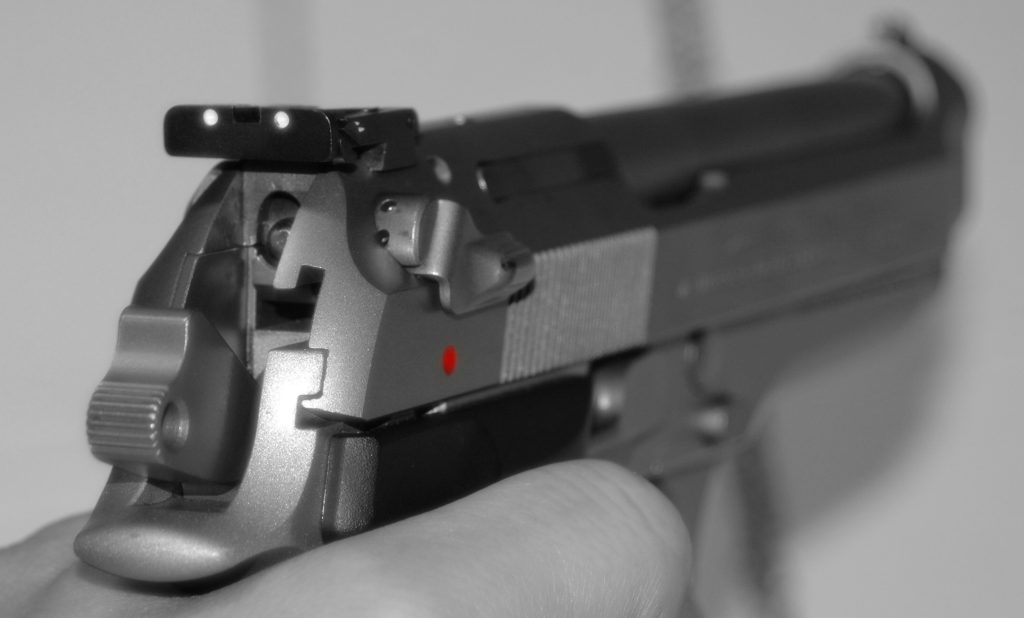
One of the strongest arguments behind pistol optics is visual processing. Traditional iron sights demand attention across multiple focal planes, while a red dot allows the shooter to stay visually locked on the intended target and superimpose the aiming point. That training logic has helped move optics from the competition world into broader institutional use. Law-enforcement training material has emphasized that red dots help shooters maintain threat focus, improve field of view, and reveal inconsistencies in grip and trigger control. Those advantages also influence handgun design itself. A pistol intended for optics now needs a slide cut, mounting interface, and sight layout that support this style of shooting without aftermarket modification.

3. Police adoption changed manufacturer priorities
Competition shooters proved the concept, but institutional buyers changed the production map. Once police agencies began seeking sidearms that could accept optics without custom machining, pistol makers had a strong reason to standardize optics-ready variants in factory catalogs. That pressure rewarded modular systems. Glock’s MOS approach, introduced around 2016, reflected a broader industry move toward factory-machined slides and adapter-based flexibility. The practical appeal is straightforward: agencies can specify approved optics, armorers can manage installation standards, and departments can avoid one-off milling across entire fleets. When institutional procurement starts favoring that configuration, commercial offerings usually follow.
4. Factory optics cuts removed the bottleneck of custom slide milling
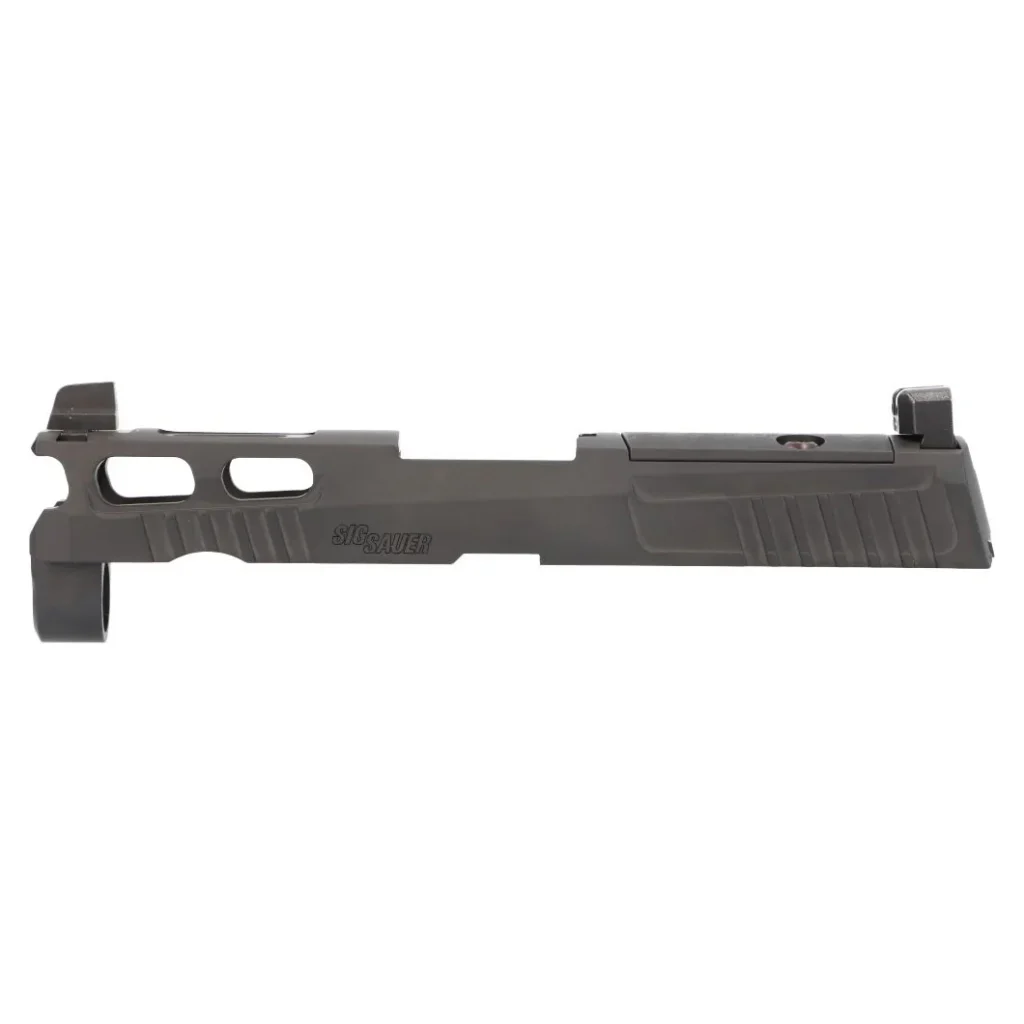
For many years, adding an optic to a handgun meant shipping the slide to a machinist, waiting for custom work, and committing the pistol to a specific footprint. That slowed adoption and limited optics use to enthusiasts or specialized competitors. Factory optics-ready pistols erased that friction.
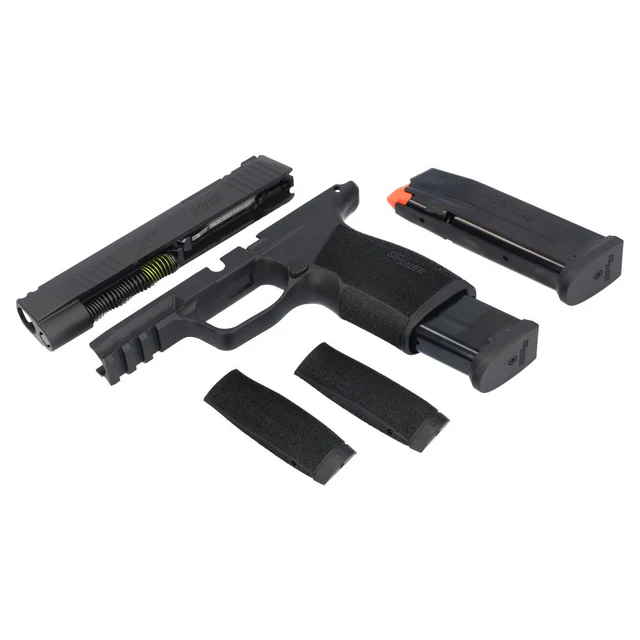
A buyer could purchase a handgun already cut for an optic or designed around adapter plates, then mount a compatible sight with basic tools. That change did more than simplify ownership; it reshaped product planning. Manufacturers now increasingly design slides, screw interfaces, recoil paths, and backup-sight geometry with optics in mind from the start, because consumers no longer view an optic mount as an exotic custom option.
5. The user base expanded beyond shooters with ideal eyesight
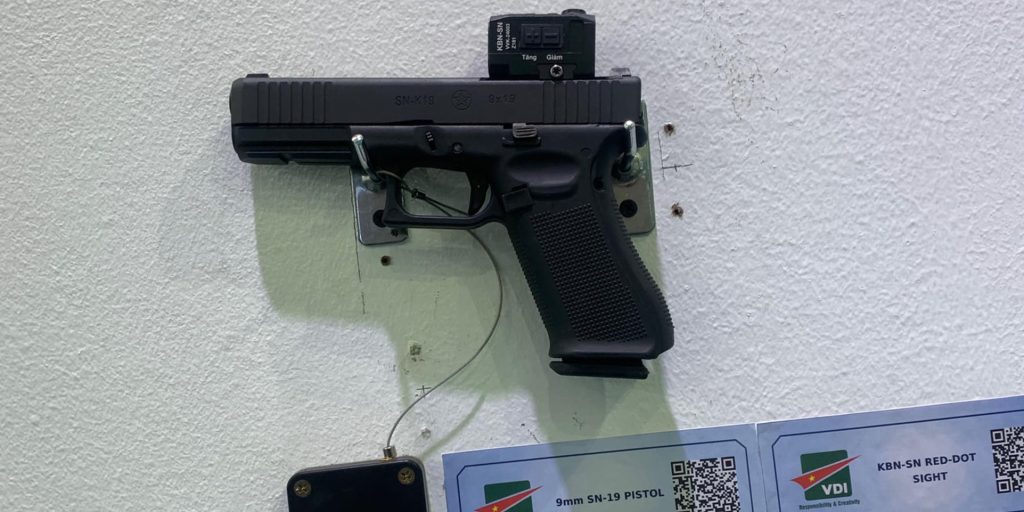
Red dots changed the conversation around handgun usability. Shooters dealing with aging eyes, cross-dominance, or difficulty resolving a front sight often find a projected aiming point easier to interpret than iron sights. That has widened the appeal of optics-ready pistols well beyond elite competitors.
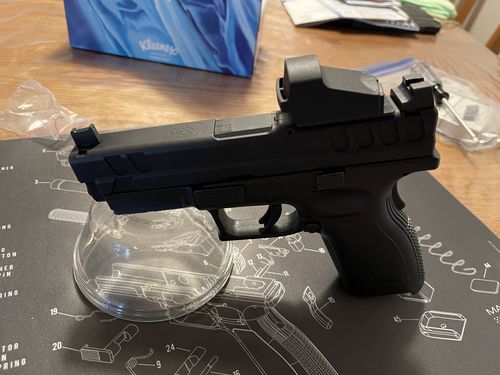
This is one of the quieter forces in the market, but an important one. A product category grows faster when it serves new users rather than only expert ones. Instructors and training advocates have repeatedly highlighted the easier learning curve for beginners and the confidence gains for shooters who struggle with traditional sight alignment. As that audience expanded, manufacturers had little reason to keep optics compatibility confined to specialized models.

6. The optics industry is now large enough to shape handgun architecture
The red-dot sector is no longer a side market. A recent market overview valued the global segment at USD 740.39 million in 2024, with continued growth tied to law enforcement, competitive shooting, and civilian demand. That scale changes the handgun business because optics makers and pistol makers increasingly develop products in parallel. Micro-reflex sights, common mounting footprints, solar-assisted power, motion-activated illumination, and ruggedized housings have all reduced the old compromises. The same report notes growing OEM integration and widespread interest in ultra-compact optics, including 18–22% weight reductions in newer micro-reflex categories.
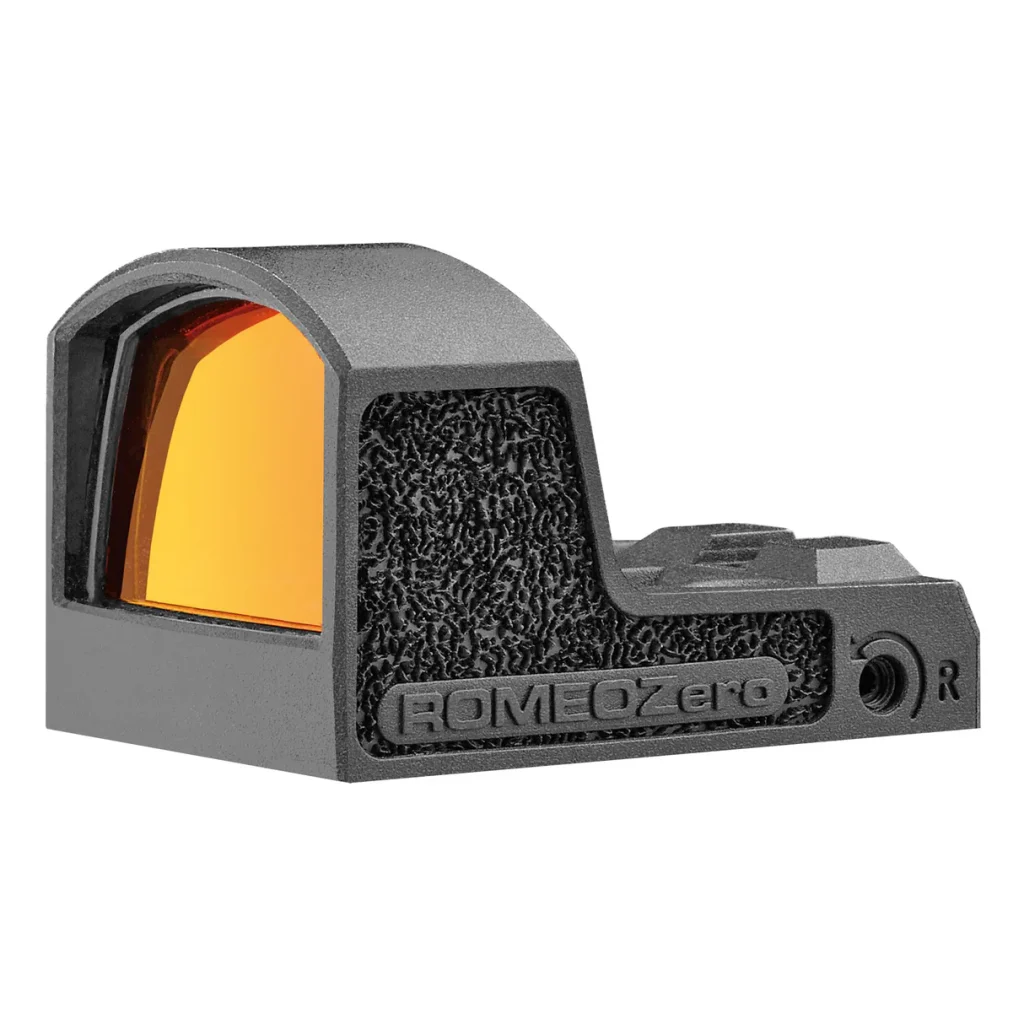
When the accessory market becomes this mature, it starts dictating core firearm geometry: slide cuts, screw placement, iron-sight height, holster clearances, and even which pistol variants stay in production. Optics-ready handguns are not moving toward the center of the market by accident. The trend reflects advances in miniaturization, changes in training, stronger institutional demand, easier manufacturing pathways, broader shooter accessibility, and a maturing optics industry that now influences handgun design at the factory level. In practical terms, the optics cut has become part of the modern pistol’s basic architecture. For many manufacturers, it is no longer a premium flourish. It is a design expectation.


