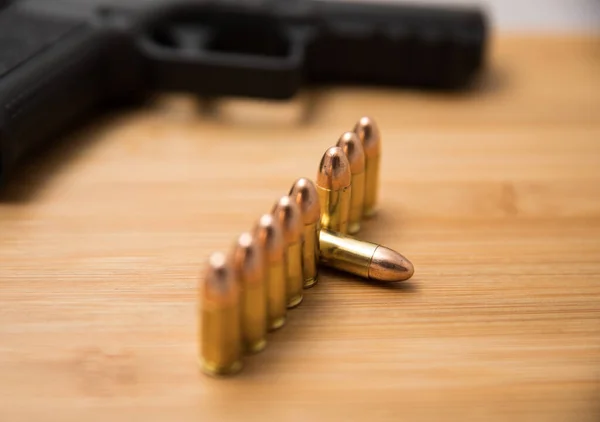
Handgun ammunition arguments often collapse into slogans. The better question is simpler: what gives a defensive pistol the best chance to work consistently from a carry-size gun, through clothing, and under stress?
That is where weak calibers, poor load selection, and excessive recoil start to matter. Ballistic testing does not predict every outcome, but the 12- to 18-inch penetration benchmark remains a widely used comparison point because it helps separate loads that only look impressive from those that stay consistent.
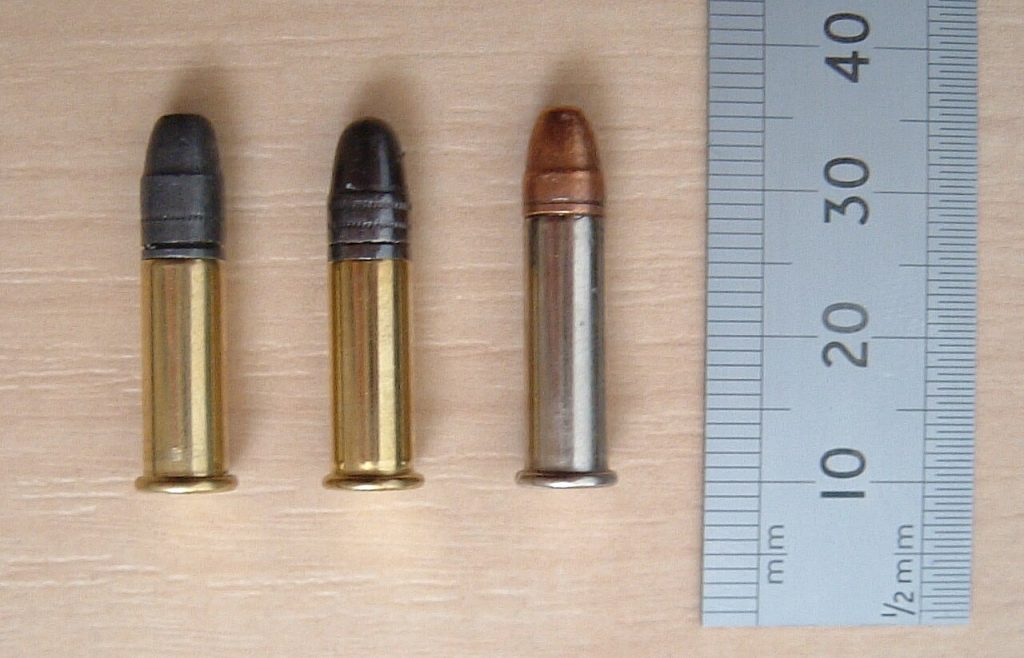
1. .22 Long Rifle
The .22 LR remains common because it is easy to shoot, inexpensive to practice with, and chambered in countless compact handguns. None of that changes its biggest defensive liabilities: rimfire ignition and limited terminal performance.
Even good .22 LR loads can show more ignition inconsistency than centerfire ammunition, and short-barreled pistols often give up velocity quickly. In gel, many loads fall short of the minimum depth many testers want to see after heavy clothing. The round can still be dangerous, but it offers very little margin for error when shot placement is imperfect or the bullet must pass through an arm before reaching the torso.
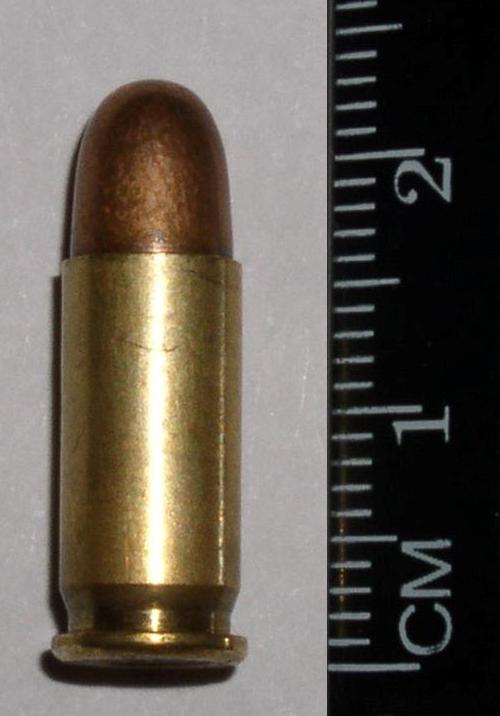
2. .25 ACP
The .25 ACP was once treated as an upgrade over .22 LR because centerfire priming improved reliability. Its problem is that reliability arrived without much useful power. Typical energy is low, and modern defensive loads in this chambering often struggle to combine penetration and expansion.
That leaves the cartridge in a narrow and outdated niche. In an era of compact centerfire pistols chambered for stronger loads, the .25 ACP’s tiny size no longer offsets its weak performance. Jeff Cooper’s line still circulates because it is brief and memorable: “Carry a .25 if you enjoy it, but never load it.”
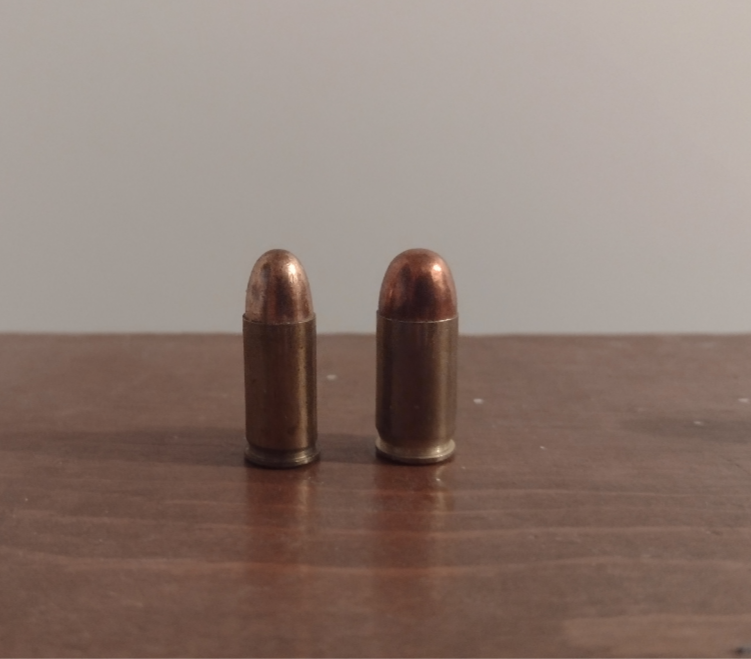
3. .32 ACP Hollow Points
.32 ACP has a long history and a mild recoil impulse, but the cartridge sits in an awkward spot. It is clearly more capable than the smallest pocket rounds, yet it often lacks the velocity needed for hollow points to expand reliably and still reach adequate depth.
That is why many experienced shooters have long argued that .32 ACP especially punishes poor load selection. In this class of cartridge, expansion can become a trap if it costs penetration. Data from pocket-pistol testing has reinforced that older low-energy cartridges do not gain much from modern bullet design unless the load stays consistent through clothing and short barrels.
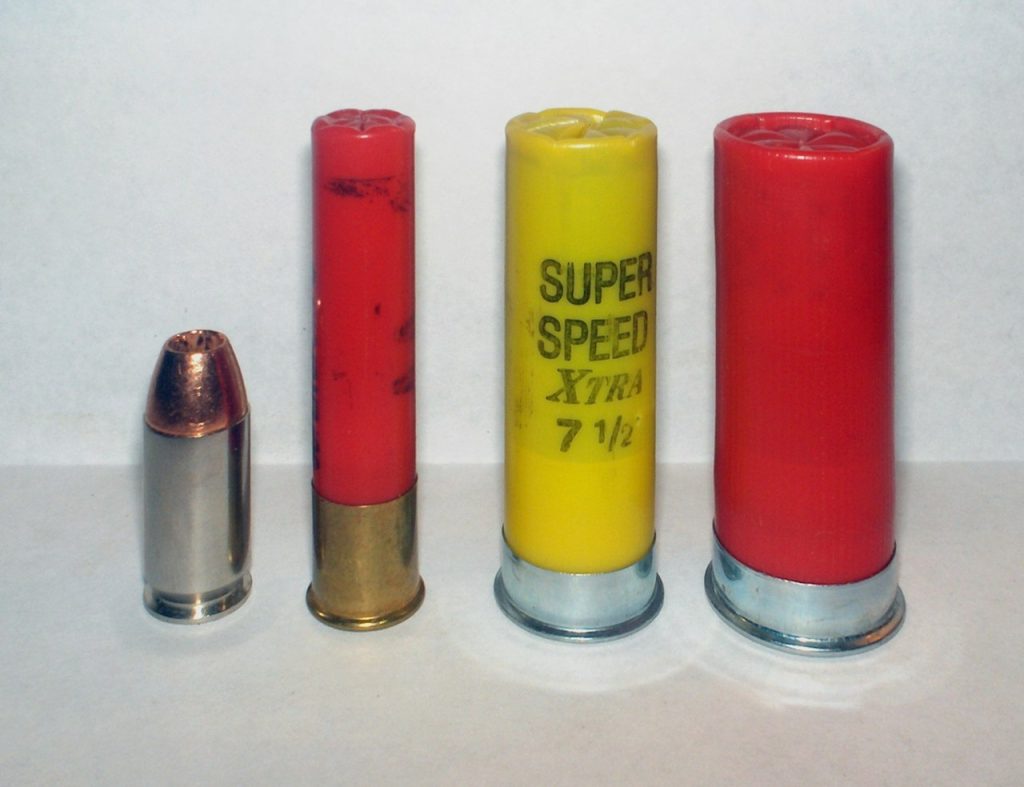
4. .410 Birdshot From Handguns
The appeal is easy to understand. A revolver that chambers .410 shotshells suggests a wider pattern and less need for precision. In a defensive handgun, that impression breaks down quickly.
Birdshot fired from short-barreled revolvers sheds velocity fast and typically penetrates too little to be trusted for stopping a determined threat. Spread is also smaller at room distances than many assume, so the shooter does not gain a meaningful forgiveness advantage. Some specialty buckshot or mixed-projectile loads perform better, but birdshot remains the weak link and is better suited to pests than personal protection.
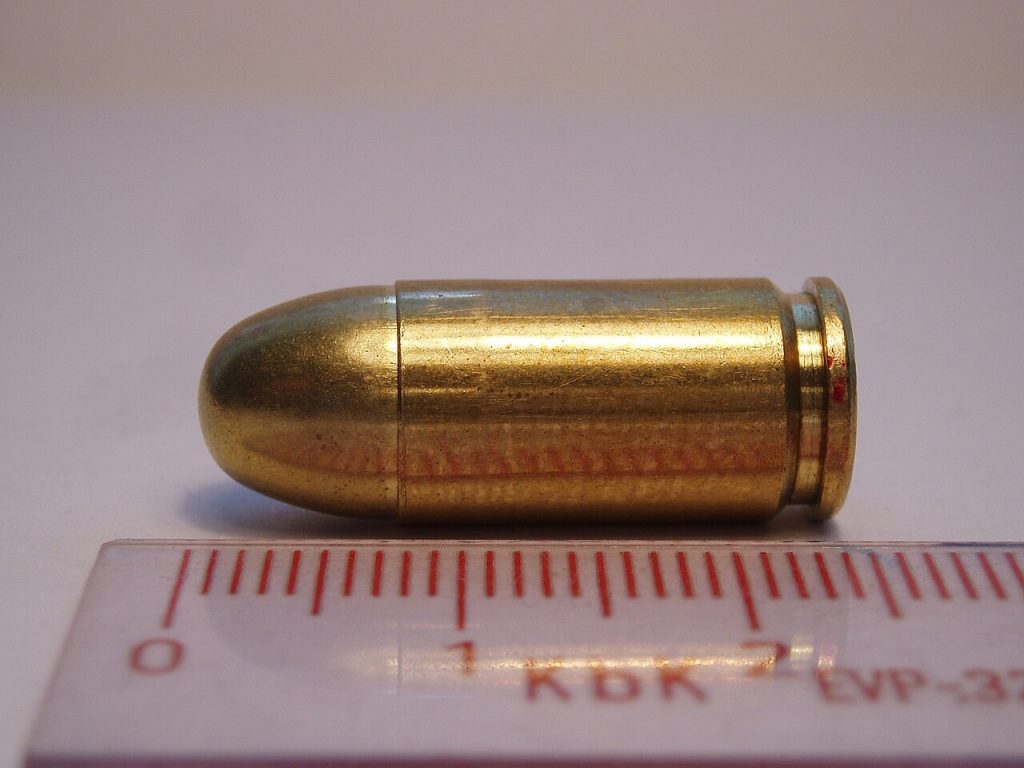
5. .380 ACP With the Wrong Bullet
.380 ACP is not automatically a poor choice. Poor .380 ACP ammunition is.
This cartridge lives on the edge of acceptable performance from tiny pistols, so load selection matters more than with larger service calibers. As short-barrel gel testing has shown, many .380 loads either expand nicely and stop too soon or penetrate well and expand very little. That makes conventional range-style ball and weak hollow points questionable picks for daily carry. The cartridge can work, but only when paired with loads that have proven they can stay near 12 inches or more in heavy-clothing testing.
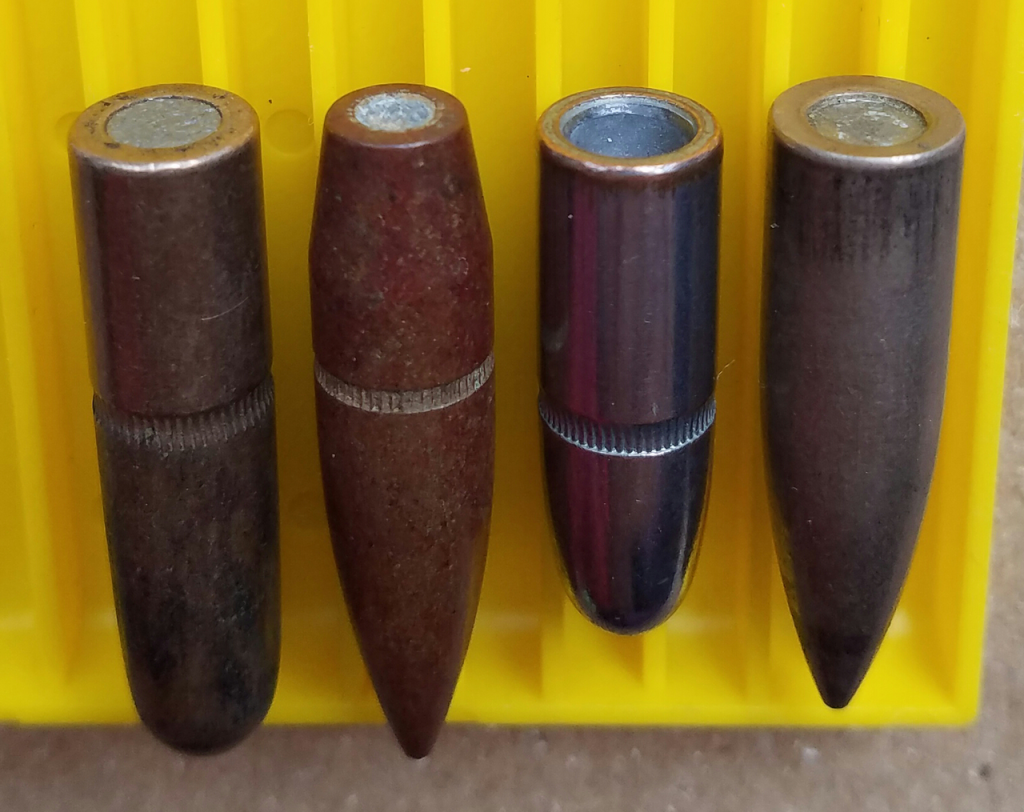
6. FMJ in Common Carry Calibers
Full metal jacket ammunition is excellent for training, function checks, and range volume. For routine defensive carry in common handgun calibers, it carries a different set of tradeoffs.
Because FMJ usually does not expand, it tends to drill narrow wound tracks and can travel farther than intended. That matters in homes, parking lots, apartment buildings, and any public setting where missed or passing rounds remain a hazard. Modern hollow-point designs were built to address exactly that problem, and even when clothing interferes with expansion, the goal is still more controlled performance than standard ball. The long-running debate over stopping power often misses the practical issue: over-penetration is part of the ammunition choice, not an afterthought.
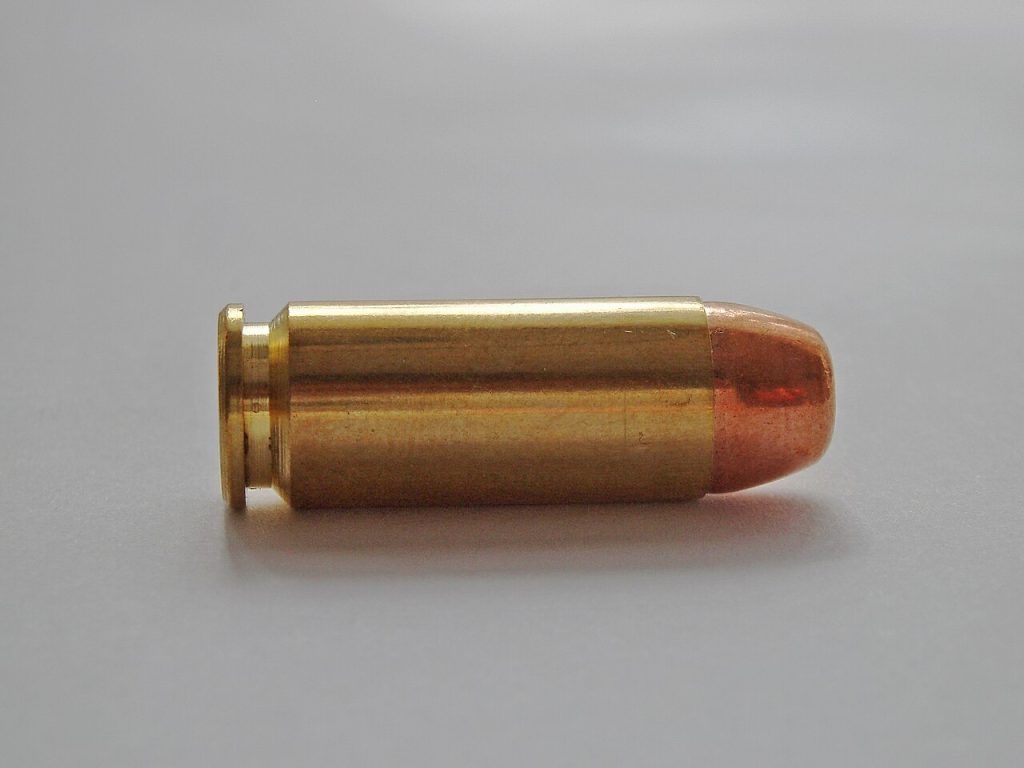
7. 10mm Auto for Everyday Carry Roles
There is no shortage of raw performance in the 10mm Auto. The cartridge brings deep penetration and substantial energy, and in a full-size pistol it can be managed well by practiced shooters.
Its drawback is that most armed citizens do not carry full-size pistols all day, and most do not shoot high-recoil loads as fast or as accurately as service-caliber 9mm, .40 S&W, or .45 ACP. Heavier recoil, louder blast, and longer recovery between shots can outweigh the ballistic advantage in ordinary defensive roles. The cartridge makes more sense when one handgun must cover both personal defense and animal-defense duty. In strictly urban carry use, the compromises are hard to ignore.
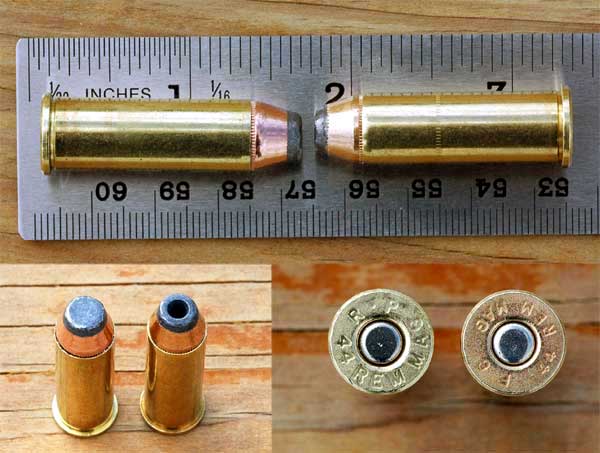
8. Magnum Revolver Loads Built for Hunting
.44 Magnum is the obvious example, but the broader issue is bigger than one chambering. Hunting-style magnum loads deliver deep penetration, heavy recoil, and blast levels that are difficult to control in a fast defensive string.
That combination can work against the user in confined spaces. Follow-up shots slow down, practice fatigue sets in sooner, and bullets built for large animals can continue well beyond what is useful in a defensive encounter. The same lesson appears in smaller packages too: even .38 Special can become a poor choice when a snub-nose revolver is fed ammunition that loses too much velocity to expand, or +P loads that the shooter cannot control well from an ultralight frame. The cartridge label matters, but the real question is always the same: does the load balance penetration, expansion, reliability, and control from the gun actually being carried?
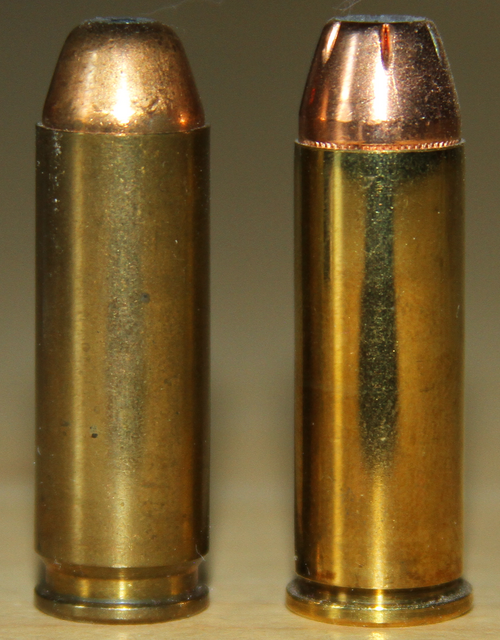
The common thread in these loads is not that they are harmless or obsolete. It is that each one asks the shooter to accept a serious compromise in reliability, penetration, recoil, or bystander safety.
For defensive handguns, the safer pattern is usually the less dramatic one: a manageable centerfire caliber, a proven expanding load, and performance that stays consistent through clothing rather than chasing either extreme expansion or extreme penetration.


