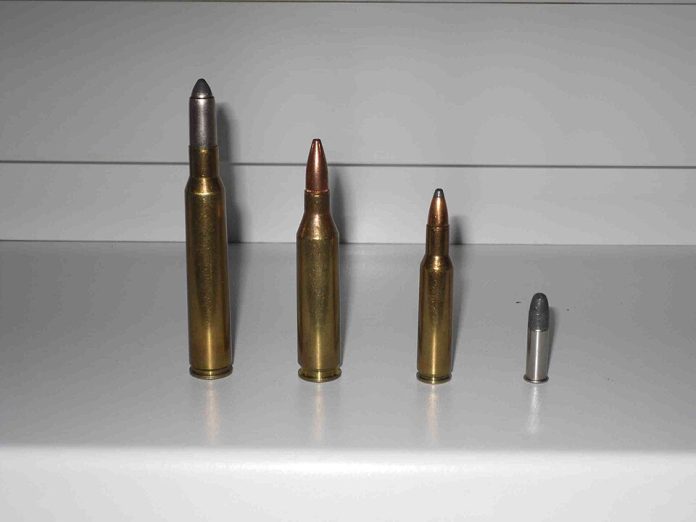
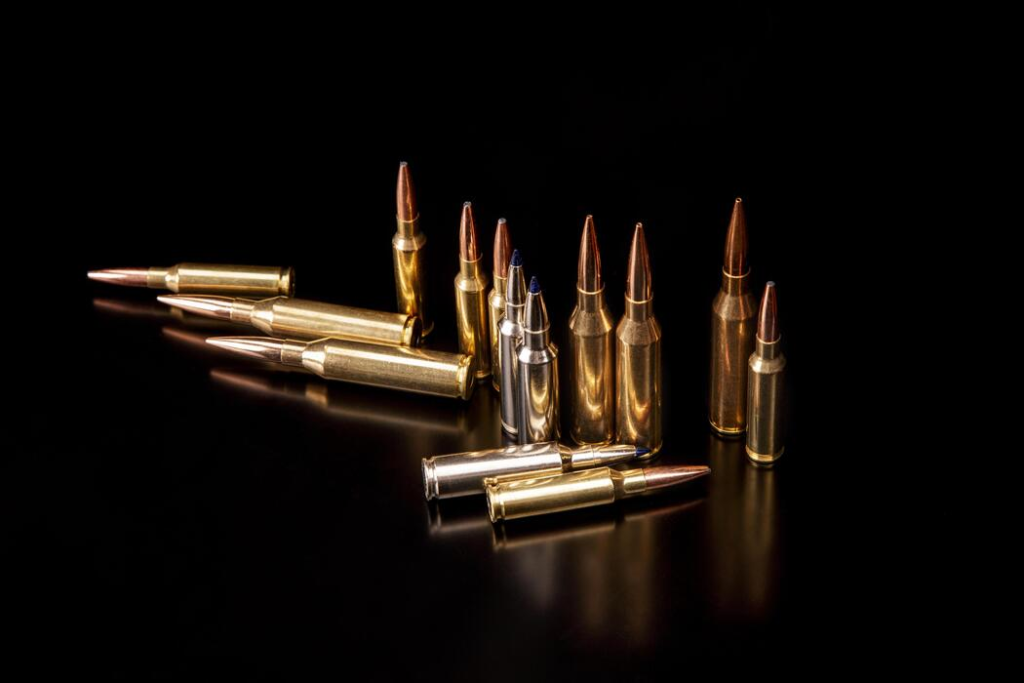
Some rifle cartridges earn reputations that stretch well past their real field limits. That does not make them useless. It means hunters often ask them to do jobs they were never built to handle, especially when the target is heavy-bodied game where penetration, bullet behavior, and shot placement matter more than bragging rights.
The trouble usually starts when a cartridge’s paper strengths get mistaken for all-around hunting authority. Speed, low recoil, and tidy groups can all look convincing on a bench. In the field, the better question is simpler: can the bullet reach vital tissue reliably at the impact speed and angle the hunter is likely to see?
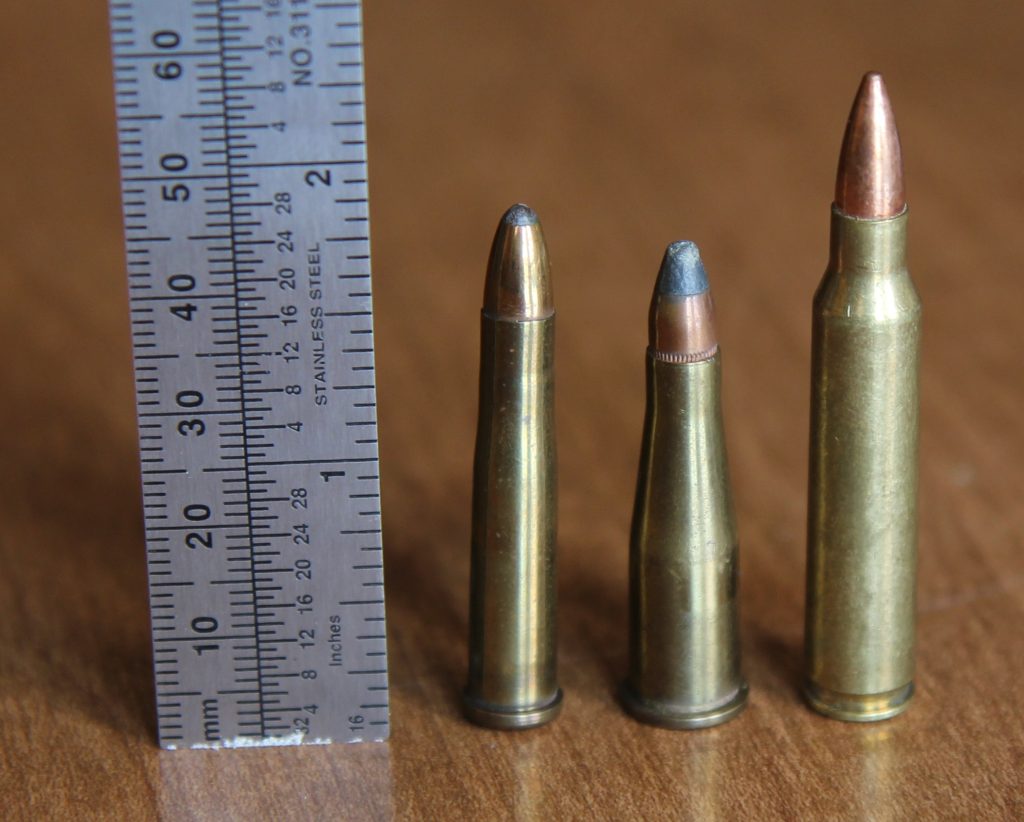
1. .223 Remington
The .223 Remington remains one of the easiest centerfire cartridges to shoot well, and that alone explains much of its popularity. With light recoil, wide rifle availability, and strong accuracy potential, it shines for varmints, predators, and range work. Problems begin when that reputation gets stretched into large-game territory.
Even with improved bullet design, the .223 still works with a small-diameter projectile and limited bullet weight. The common claim that energy figures alone settle the issue misses the point, because terminal ballistics depend on how a bullet expands, holds together, and penetrates in tissue. On deer-sized game at sensible distances, some loads can perform adequately. On elk-, moose-, or bear-sized animals, the cartridge offers too little margin when bone, muscle, and shot angle start working against it.
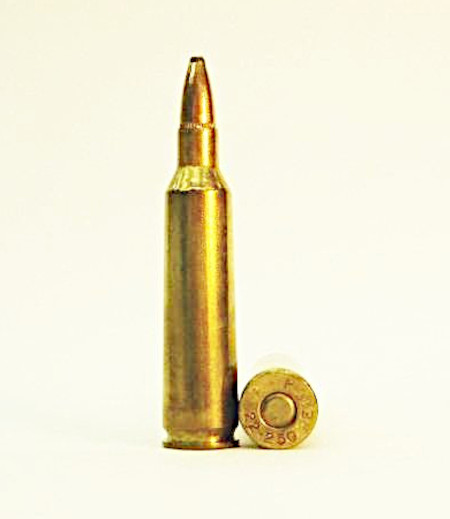
2. .22-250 Remington
The .22-250 is one of the great high-speed .22 centerfires. It is flat, fast, and devastating on coyotes and similar game. That velocity leads some shooters to assume it carries big-game authority that it does not actually possess.
Light bullets moving very fast can create dramatic surface effect, but they do not automatically provide deep, straight penetration. The cartridge’s strength is precision on small targets, not punching through heavy shoulders and reaching the far-side lung on a large animal. It is a specialist, and a very good one, but still a specialist.
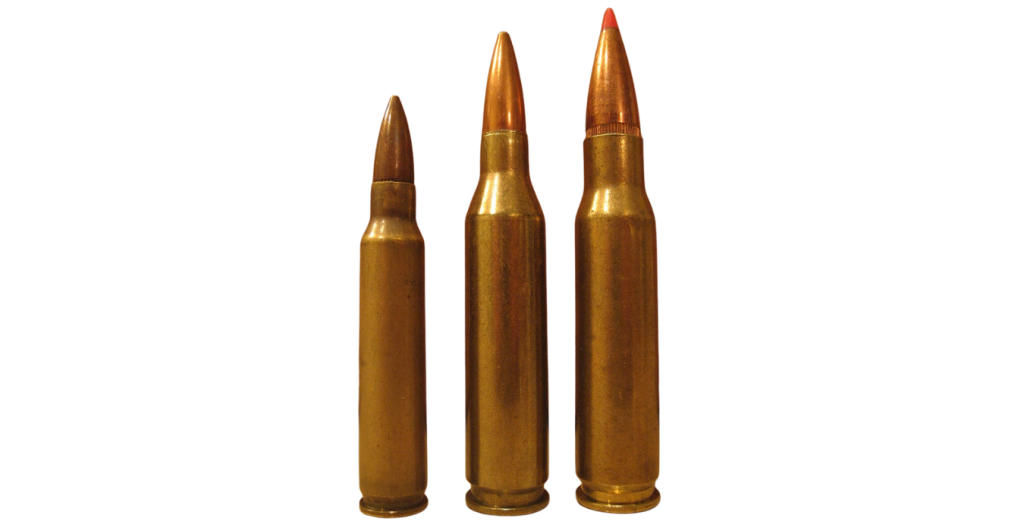
3. .243 Winchester
The .243 Winchester gets dragged into both sides of this argument for a reason: it is excellent at what it was built for. With 90- to 100-grain bullets, it has mild recoil, practical reach, and long-standing success on deer and pronghorn. It remains one of the most useful crossover rounds for younger or recoil-sensitive hunters.
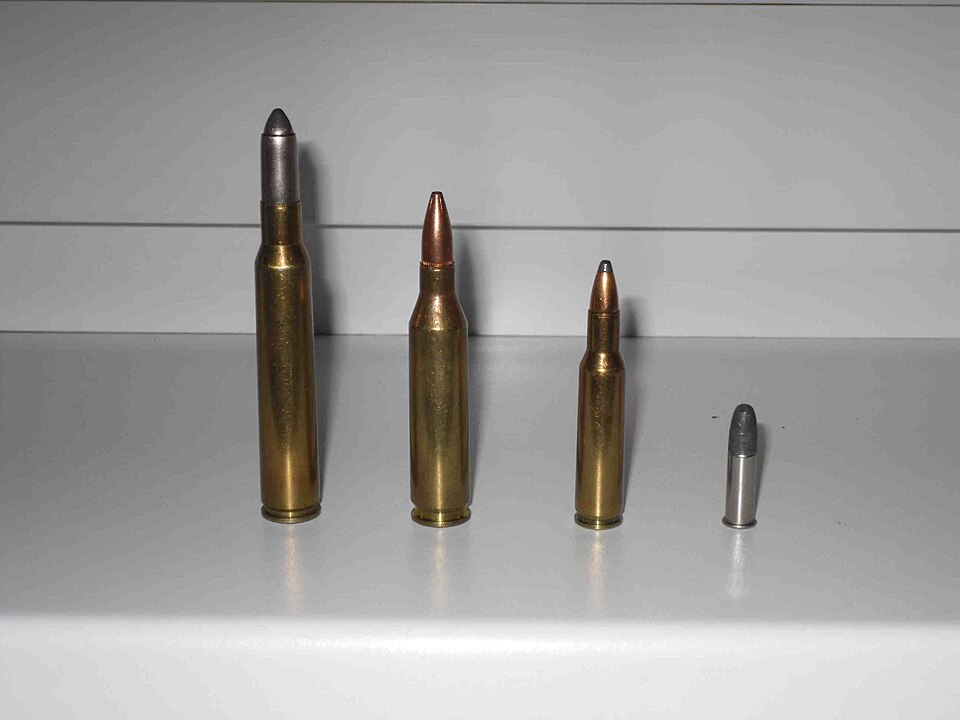
Its limits show up when people try to promote it as a dependable answer for much larger game. Thick bone and steep quartering shots demand more than neat accuracy and comfortable recoil. The .243 can work beautifully inside its lane, but that lane is not unlimited. The cartridge’s popularity has also led to a myth that caliber alone decides results, when bullet construction often matters even more than bore diameter.
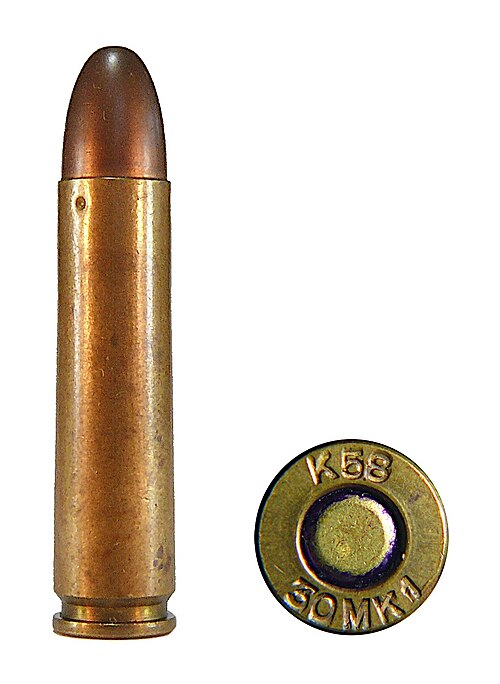
4. .30 Carbine
The .30 Carbine keeps showing up in cartridge debates because it sits in an awkward middle ground. It is more than a handgun round in form, but in practical hunting terms it never developed into a true big-game rifle cartridge. A typical 110-grain bullet around 1,990 fps leaves it short on both reach and authority.
That makes it a poor fit for hunters who mistake compact rifles for serious all-purpose woods guns. For close-range small or medium game, it can function. For elk, bear, or other large-bodied animals, it simply lacks the penetration and bullet performance expected from a modern hunting rifle round.
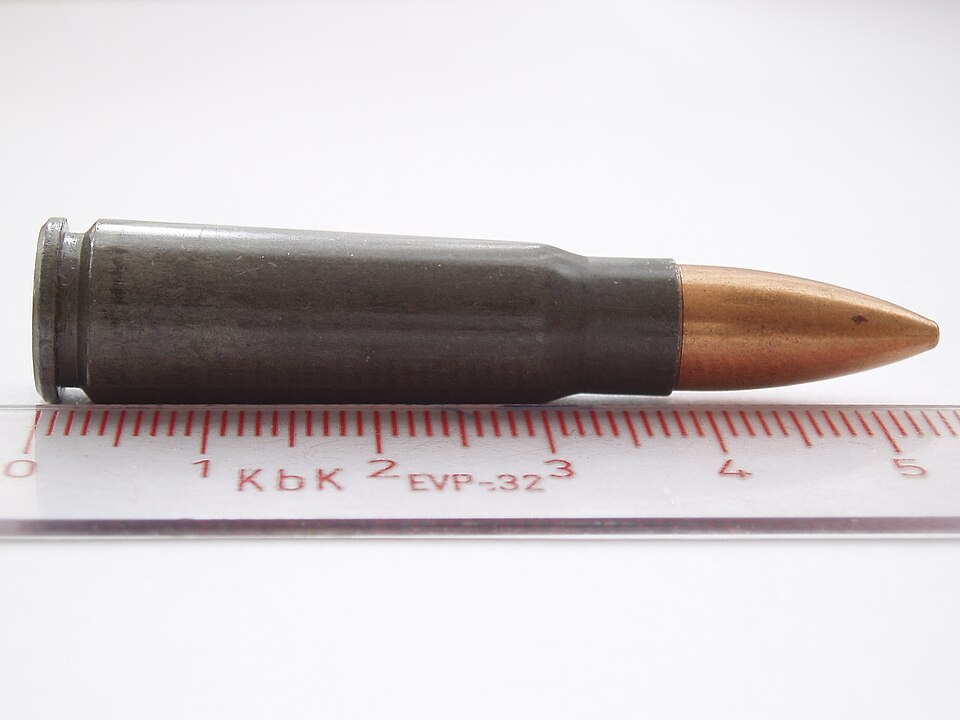
5. 7.62x39mm
The 7.62x39mm has a practical charm. It is compact, manageable, and effective inside modest distances. In hunting rifles, it can be serviceable for deer-sized game at close range with appropriate ammunition. Its reputation sometimes runs ahead of its trajectory and retained performance. A typical load pushes a 123-grain bullet at roughly 2,350 fps, which leaves little room once distance grows and impact speed falls off. It is not a long-range cartridge, and it is not especially forgiving on large animals when penetration must remain consistent through heavier anatomy.
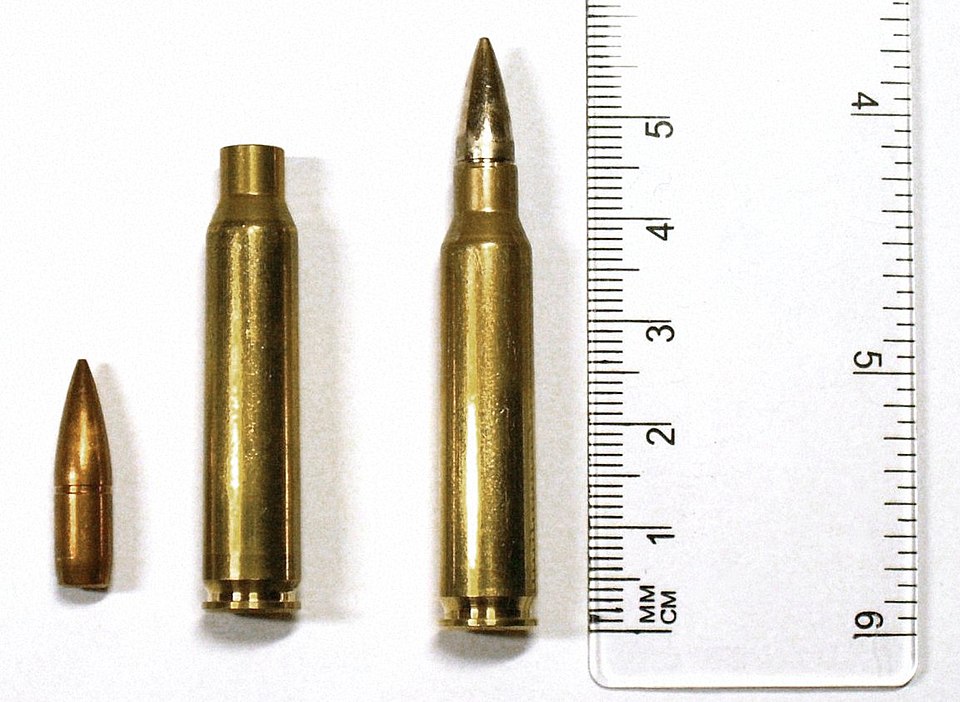
6. 5.56 NATO
The 5.56 NATO is often spoken of as if it were just a hotter .223, and in broad terms the two are closely related. They are not interchangeable in every rifle, however, because chamber design and free bore can differ in ways that affect pressure and safe use.
That technical distinction does not rescue the cartridge from the same hunting limitation that shadows the .223. Whether the label reads 5.56 or .223, the hunter is still dealing with a small, light projectile that demands ideal conditions to perform beyond deer-sized game. In practical terms, it is another case where low recoil and familiarity can make a cartridge seem more versatile than it really is.
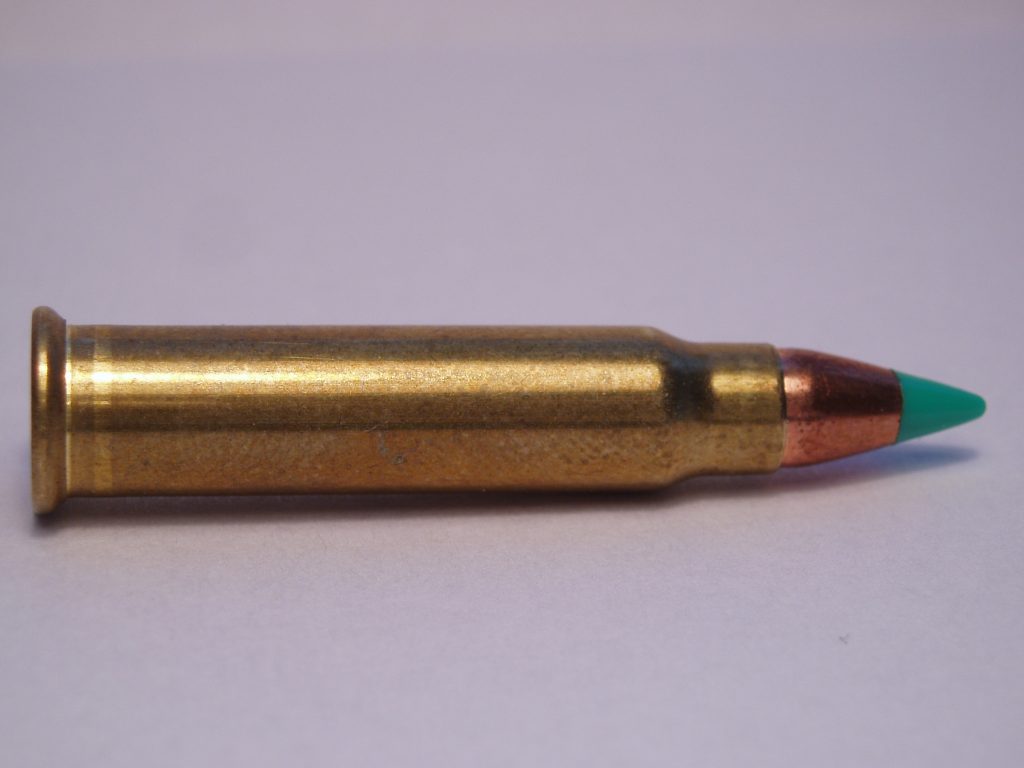
7. .17 HMR
The .17 HMR is easy to appreciate. It is accurate, mild, and excellent fun on small varmints. It also delivers only about 250 foot-pounds of muzzle energy, which places it in an entirely different class from centerfire hunting cartridges. That tiny bullet is highly vulnerable to wind, a trait long noted by experienced shooters and one reason the whole family of .17s has drawn skepticism outside very small-game use. The .17 HMR is a precision rimfire, not a scaled-down deer rifle. Once that distinction is forgotten, disappointment follows quickly.
None of these cartridges are failures. Several are brilliant within their intended roles. The problem comes when reputation, internet confidence, or raw velocity numbers persuade hunters that a varmint round, defensive cartridge, or compact woods load can cover every job in camp. The cleaner way to judge any chambering is not by hype, but by its realistic envelope: bullet design, impact speed, actual range, and the size of the animal in front of the muzzle. That is where overrated cartridges stop looking magical and start looking ordinary.


