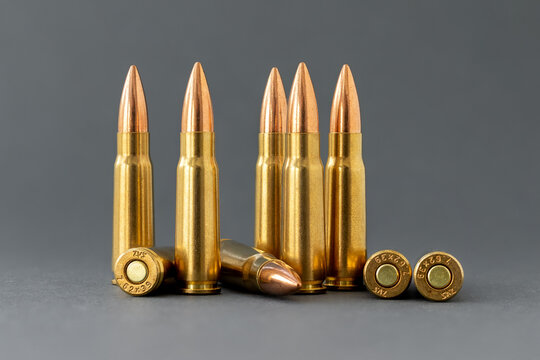
Accuracy has a way of turning cartridge debates into long arguments and short answers. The rounds that keep showing up on the firing line and in the field usually earn that place for the same reason: they make repeatable hits without demanding perfect conditions.
Some cartridges do it with low recoil, some with efficient bullet design, and some through decades of proven performance. These nine standouts cover practical hunting rifles, match guns, trainer setups, and modern AR platforms while keeping the focus where it belongs steady, predictable precision.
1. .308 Winchester
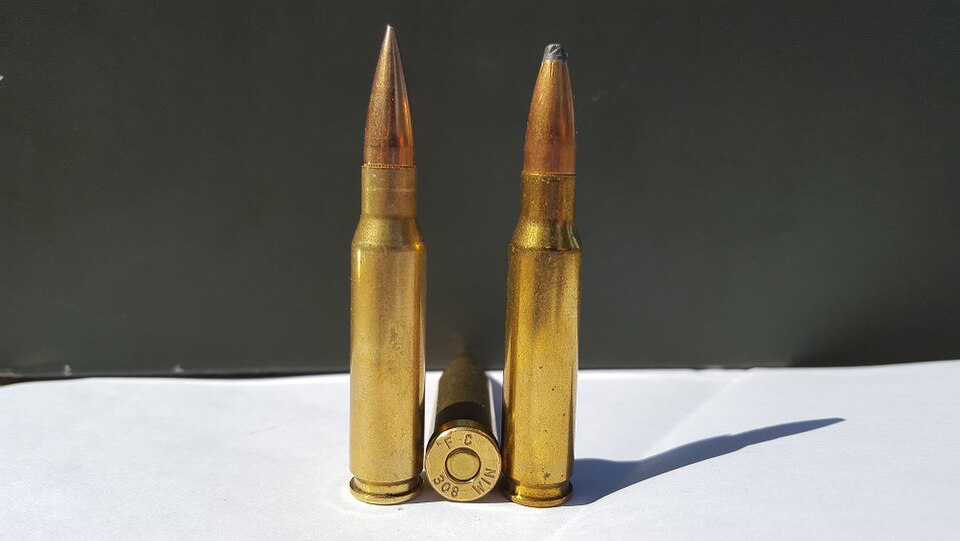
The .308 Winchester remains the baseline for shooters who want a cartridge that works across a wide spread of rifles, bullet weights, and jobs. Its reputation did not come from trend cycles. It came from producing reliable accuracy in bolt guns, semi-autos, match rifles, and hunting setups for generations.
Factory match ammunition has long helped cement that status, especially loads built around 168- and 175-grain bullets. It also carries a practical advantage in barrel life, with one widely cited comparison putting first-rate accuracy life around 3,000 rounds. Even in modern precision circles, the cartridge still proves it can hang. Precision Rifle Series data showed tactical shooters using .308 loads with 176-grain bullets at roughly 2,720 fps posting wind performance that was closer to purpose-built match cartridges than many expected.
2. 6.5 Creedmoor
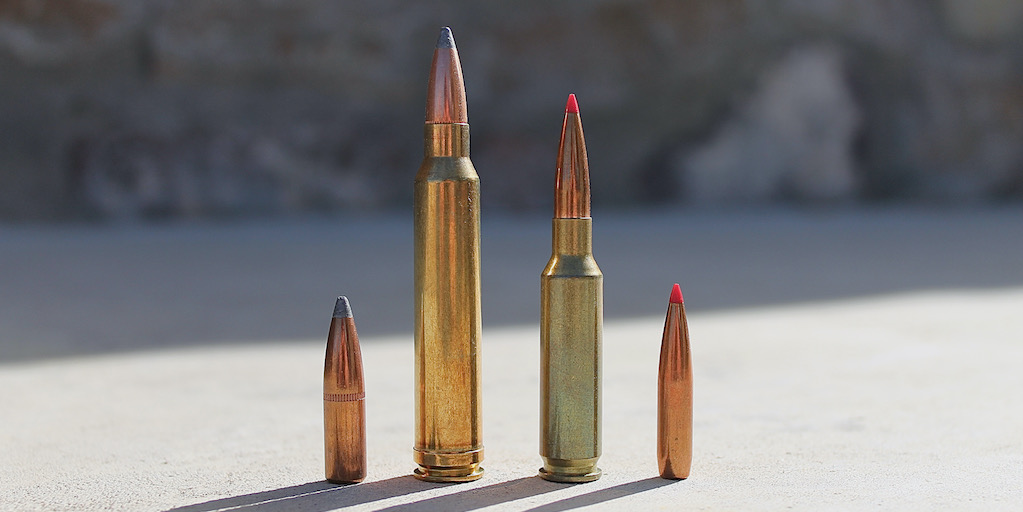
The 6.5 Creedmoor became a standard because it offered a cleaner route to long-range accuracy without magnum recoil. Designed around short-action rifles and sleek, high-BC bullets, it gives shooters a flat trajectory, manageable recoil, and strong wind performance in a factory-friendly package.
Its edge becomes clearer as distance grows. In one published comparison at 1,000 yards, a 140-grain 6.5 load showed less drop and less wind drift than a comparable .308 load, while recoil remained lower. A widely repeated test result from SOCOM testing in 2017 found the cartridge improved hit probability at 1,000 meters and reduced wind drift against 7.62 NATO. That mix of efficiency and shootability explains why it still appears in competition, hunting camps, and general-purpose precision rifles.
3. .223 Remington / 5.56 NATO
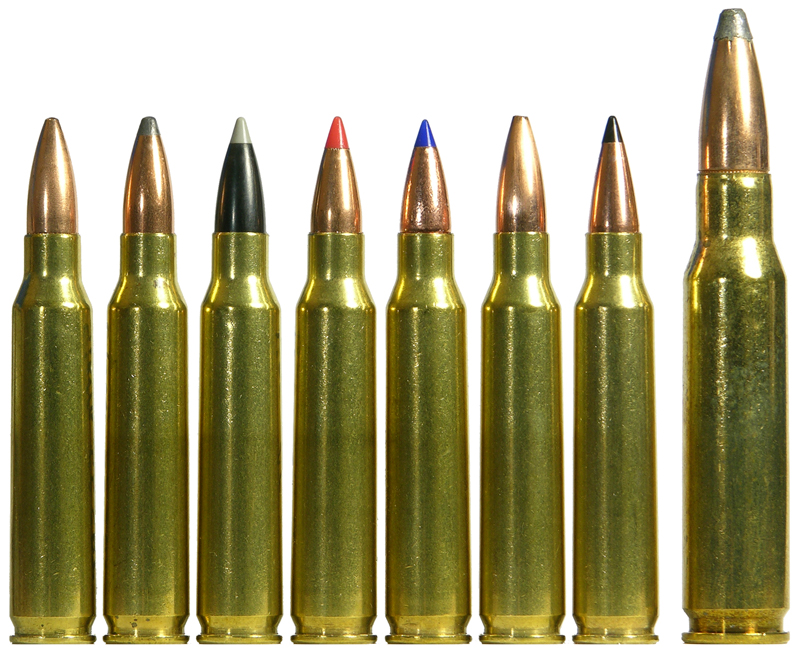
Light recoil gives this pairing an accuracy advantage that ballistic charts do not always capture. Shooters can stay in the scope, watch impact, and correct quickly, which matters on steel, varmints, and training drills where feedback drives tighter shooting.
In quality rifles with the right twist rates and match ammunition, .223 Remington and 5.56 NATO are far more precise than their modest case size suggests. They also reward high-volume practice because fundamentals show up clearly. Position, trigger press, and follow-through are easier to diagnose when recoil does not disturb the sight picture.
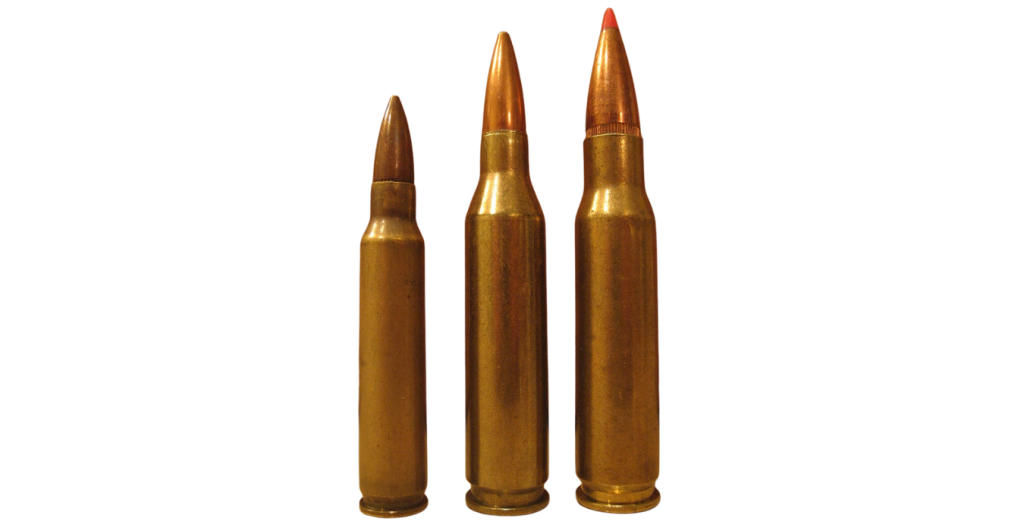
4. .243 Winchester
The .243 Winchester has long occupied a useful middle ground: flat enough to simplify holds, soft enough to encourage good shooting habits, and versatile enough to move between varmints and deer-sized game. In accurate bolt guns, it has earned a reputation for printing very tidy groups without much drama.
That easygoing nature is a big reason it remains relevant. The cartridge combines mild recoil with enough velocity to keep trajectory forgiving at common field distances, and its broad usefulness across terrain and game types has helped preserve its following.
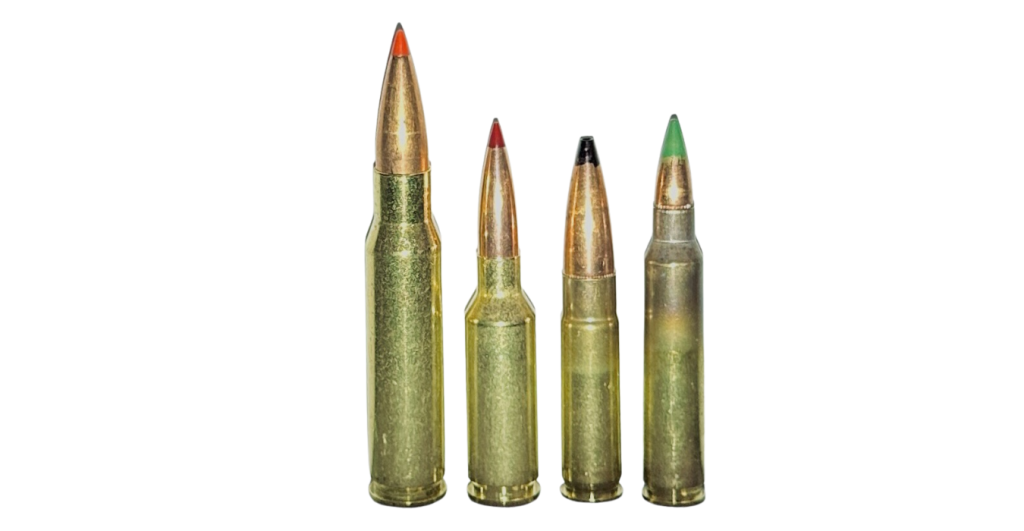
5. 6mm ARC
The 6mm ARC was built to stretch the AR-15 platform beyond what most shooters expect from a standard .223-size rifle. Its formula is straightforward: long, aerodynamic 6mm bullets in a compact package that can stay supersonic well past the distances many small-frame gas guns are known for.
Hornady’s 108-grain match load is commonly listed at 2,750 fps, and one comparison showed the cartridge carrying an advantage in drop and retained energy over 6.5 Grendel at 1,000 yards. That has made it appealing to shooters who want more reach from an AR without moving to a larger rifle. It also gives practical benefits in wind, where modern 6mm bullets hold their line better than many lighter .22-caliber options.
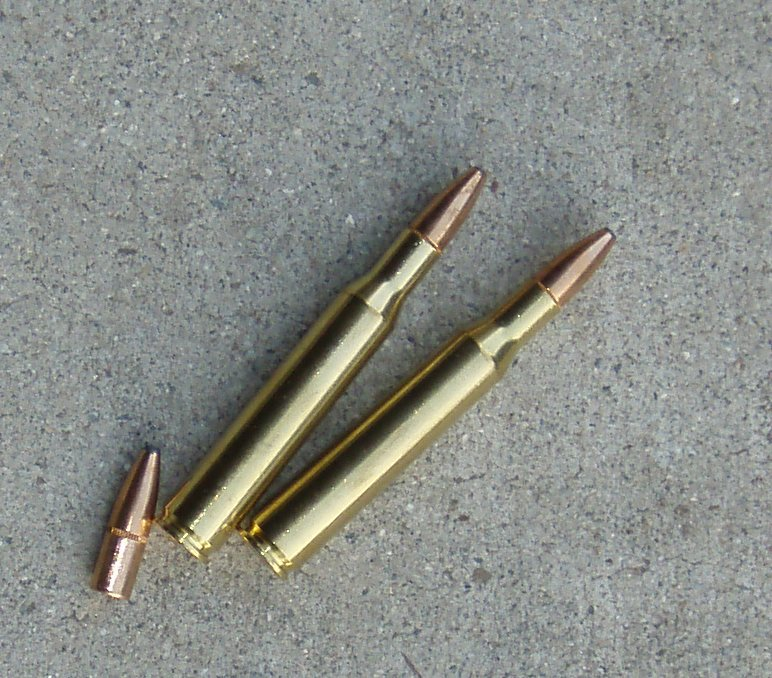
6. .270 Winchester
The .270 Winchester is one of the oldest cartridges on this list, but age has done little to weaken its standing. Its formula still works: useful velocity, flat trajectory, and enough bullet selection to cover a broad set of hunting needs while keeping recoil reasonable.
Modern projectile design has only sharpened that formula. Newer high-BC hunting bullets have helped the .270 retain speed and stability better than older factory loads ever did, which keeps it relevant for shooters who value simple, repeatable field accuracy more than trend-driven cartridge design.
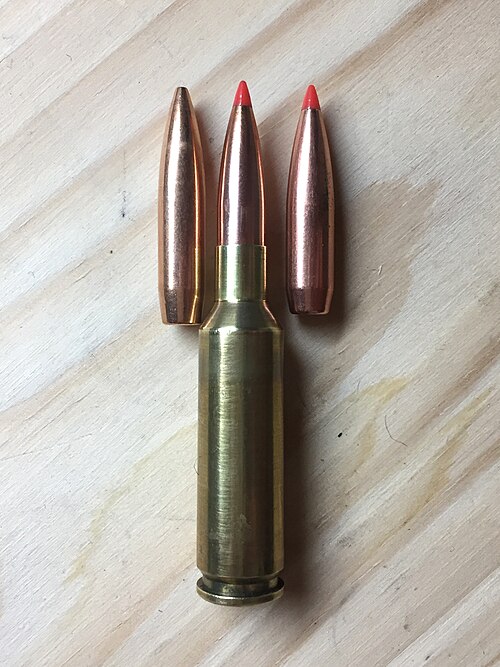
7. 6.5 PRC
The 6.5 PRC gives shooters a faster version of the Creedmoor idea. It pushes heavy-for-caliber 6.5mm bullets near 2,900 fps, extending the distance at which the cartridge can keep a flat trajectory and resist wind while still avoiding the punishment of larger magnums.
That balance is why it has gained traction among hunters and long-range shooters who want more reach without stepping into heavier recoil classes. It preserves the sleek-bullet advantages that made 6.5mm cartridges popular, then adds more speed to widen the envelope.
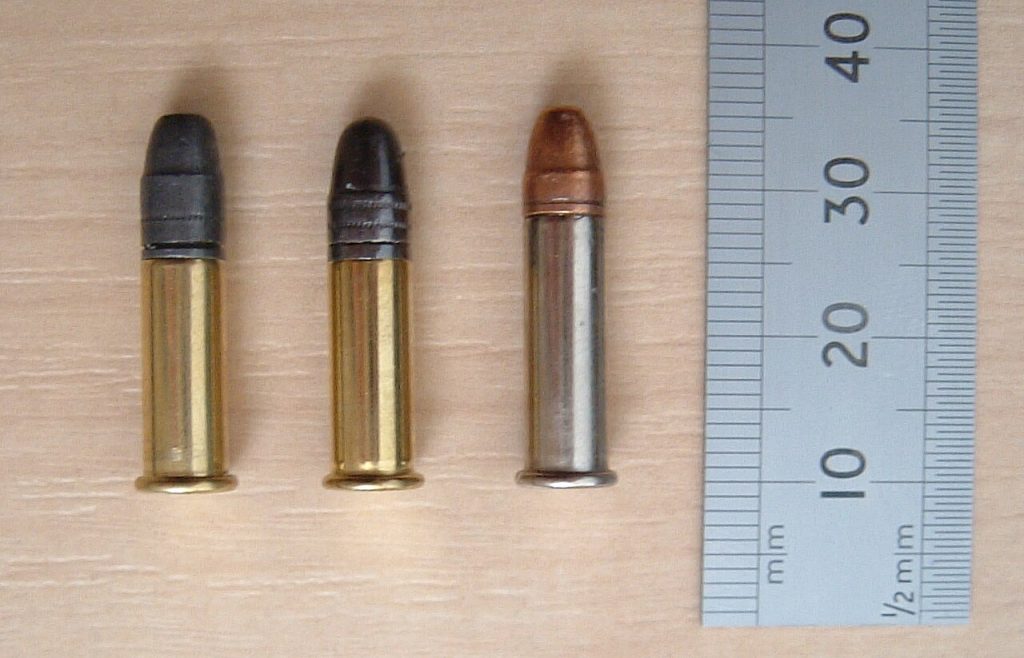
8. Match-Grade .22 LR
Few cartridges teach precision better than a good .22 LR. At 50 and 100 yards, small errors in position, breathing, and trigger control show up immediately, which is exactly why serious shooters continue to rely on rimfire practice.
Match ammunition matters here. The best results usually come from subsonic loads around 1,066 to 1,100 fps, where the bullet avoids the transonic disturbance that can open groups. In a quality rifle, that can mean quarter-sized groups at 50 yards and highly useful practice that mirrors centerfire precision work in a smaller space.
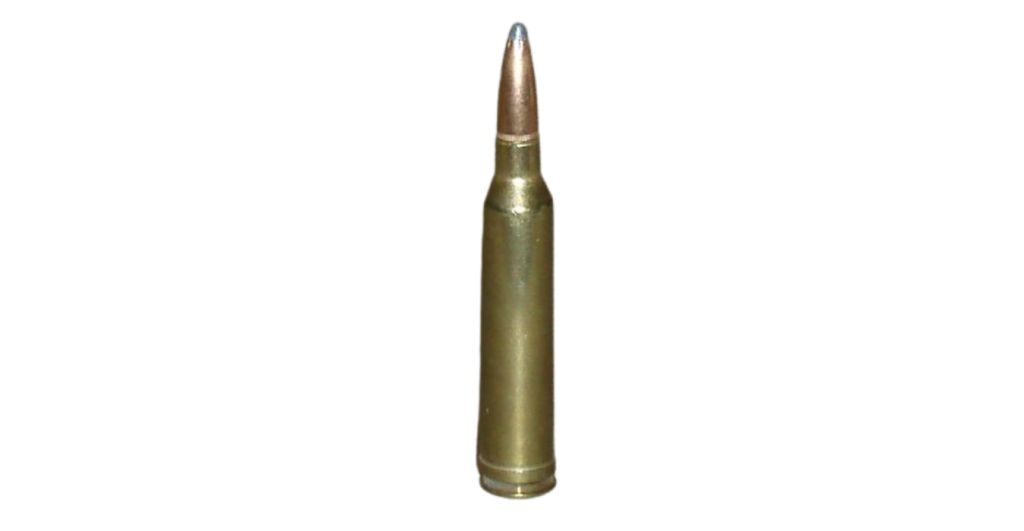
9. 7mm Remington Magnum
The 7mm Remington Magnum keeps its place because it sends sleek, heavy bullets fast enough to flatten trajectory while preserving strong downrange behavior. It has been doing that since the early 1960s, and modern bullet design has only made the cartridge more precise and more adaptable.
For shooters who want magnum reach without jumping to larger .30-caliber recoil and rifle weight, the 7mm Rem. Mag. still offers a compelling package. It remains one of the more practical ways to combine long-range hunting capability with proven, repeatable accuracy.
The common thread across these cartridges is not novelty. It is repeatability. Each has built a following by helping shooters get the same answer from the rifle over and over again.
Some are specialists, and some are broad-purpose workhorses. All of them have earned trust by proving that accuracy is less about hype than about a cartridge’s ability to stay predictable when the distance stretches and the pressure rises.


