The U.S. Army did not replace the Beretta M9 with a single shopping decision. The change came through a long procurement process shaped by worn-out pistols, changing ergonomic standards, accessory requirements, and a broader rethink of what a service handgun needed to do for a much wider range of troops.
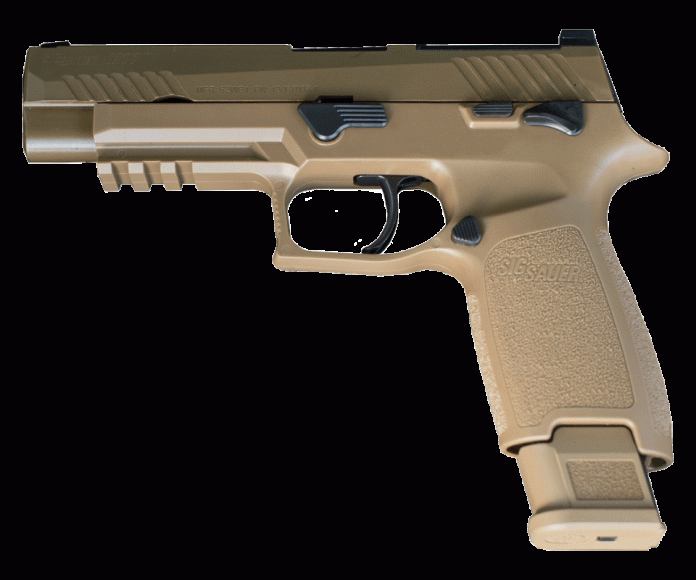
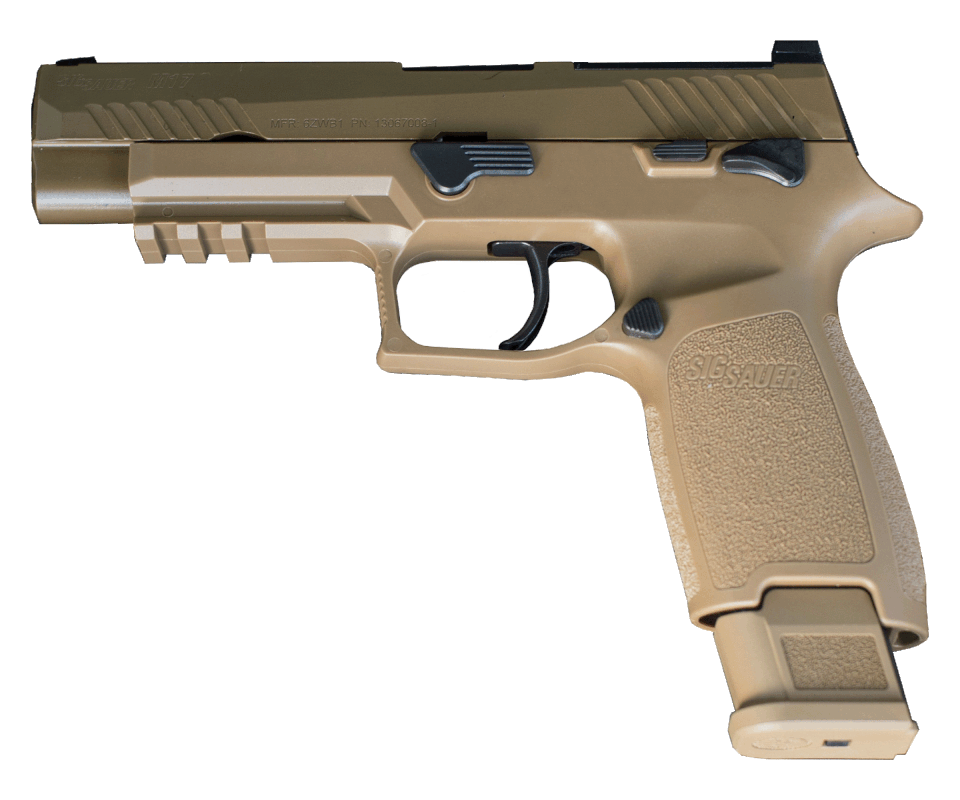
That process produced the M17, the Army’s full-size version of SIG Sauer’s P320-based entry, and the related compact M18. Together, they marked a shift from an aging metal-framed sidearm of the 1980s to a modular, striker-fired platform built around modern optics, lights, suppressor compatibility, and adaptable fit.
1. The M9 had reached the end of its practical service life
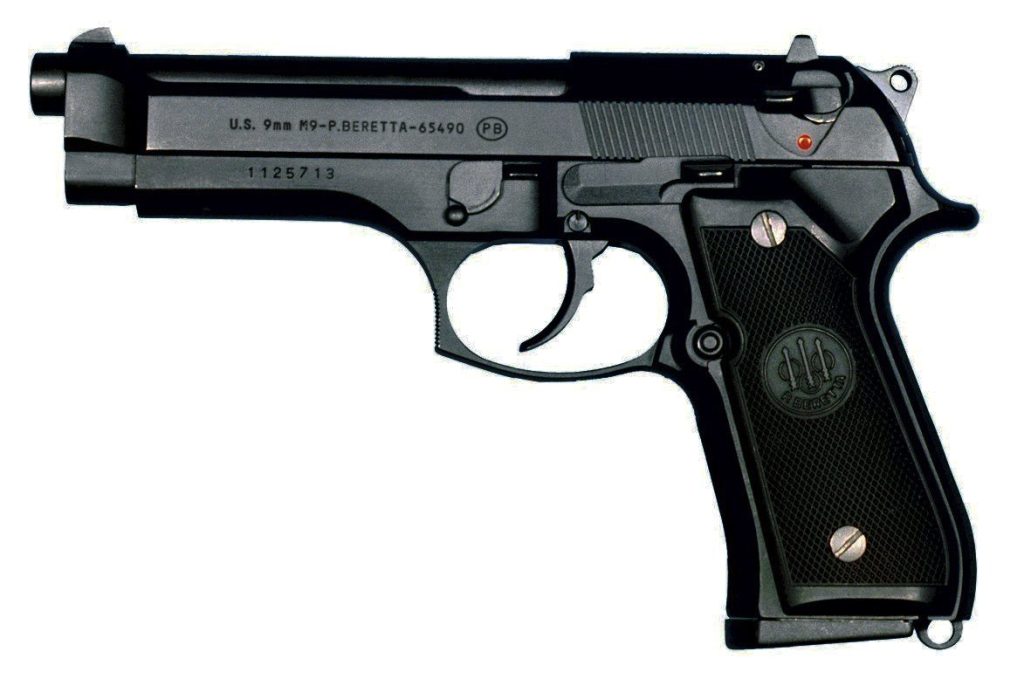
The replacement effort began with a basic mechanical reality: service pistols do not last forever. Small parts can be swapped, but frames eventually wear to the point that continued overhaul stops making sense. Army planning for a successor to the M9 grew out of that problem, with the M9 fleet showing age after decades of service dating back to the late 1980s.
The issue was not only age. The M9 also reflected an older design brief, one that predated weapon lights, suppressor use, modular grip sizing, and current expectations for user adaptability. As later Army requirements made clear, the next pistol had to do more than simply fire 9mm rounds reliably.
2. The Army wanted more than a pistol swap
The program that replaced the M9 was called the Modular Handgun System, or MHS, and it aimed at a complete sidearm package. That meant the handgun, ammunition, accessories, holster system, and support components had to work as an integrated whole.
The solicitation emphasized accuracy, reliability, durability, and fit across a broad user population. Army documents called for modular ergonomics, ambidextrous controls, accessory rails, and performance standards that included consistent hits on a 4-inch circle at 50 meters through the weapon’s service life. That moved the competition away from a simple like-for-like replacement and toward a more flexible platform.
3. The requirement favored true modularity
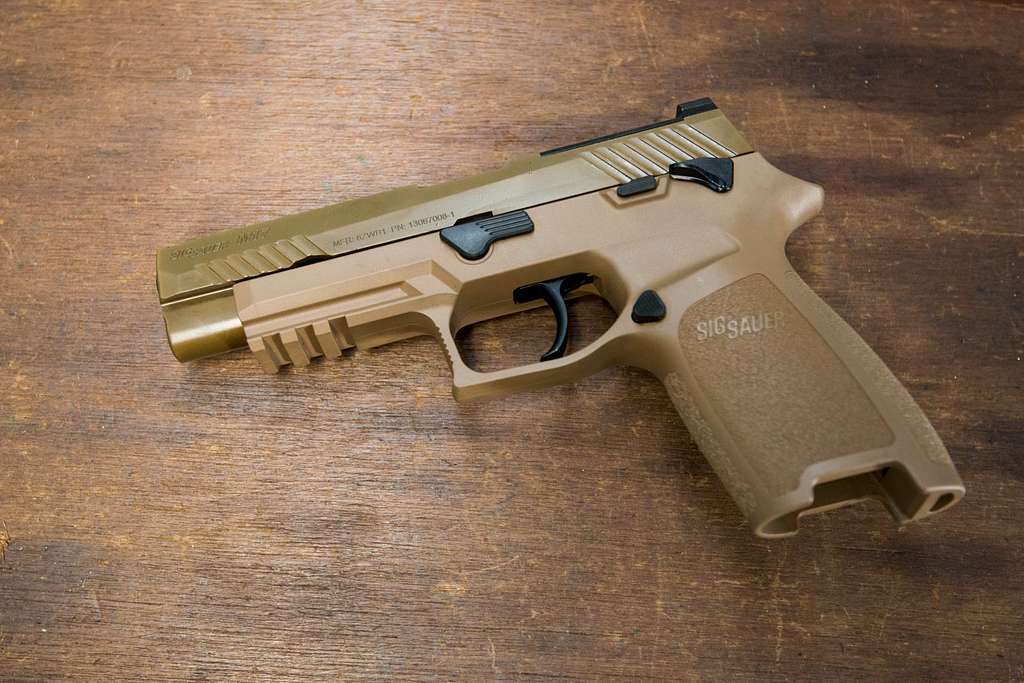
One of the biggest reasons the M17 emerged from the process was that the underlying P320 design was built around a removable serialized fire-control unit. In practical terms, that made it possible to change grip modules and slide assemblies without changing the core regulated component.
That mattered because the Army wanted a pistol that could better fit different hand sizes and mission needs. Competing pistols often offered interchangeable backstraps, but the MHS requirement rewarded deeper adaptability. SIG’s entry matched that direction closely, since the platform had been designed around modular architecture from the start.
4. The Army rewrote what a general-issue handgun should include
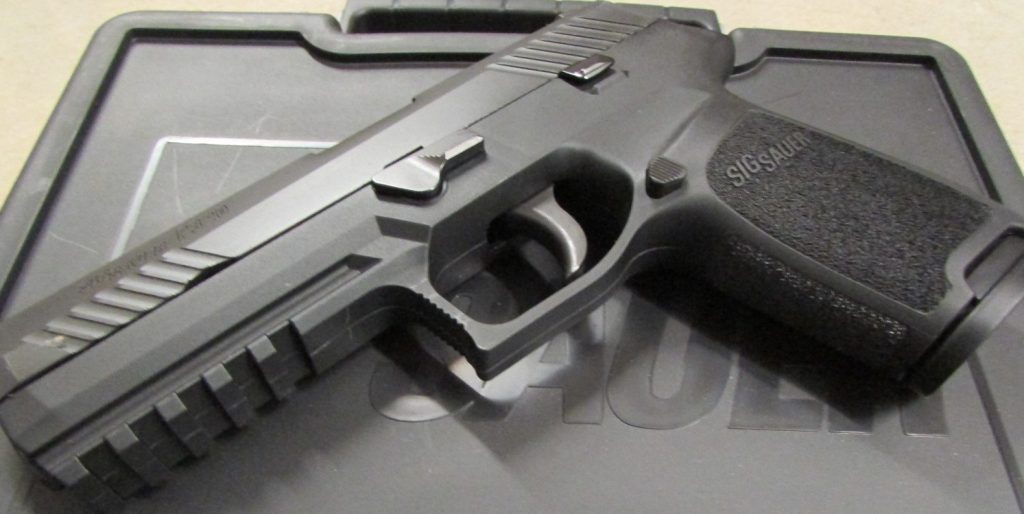
The MHS requirement reflected how sidearms were being used in the field by the 2010s. The new pistol needed an integrated rail for lights and lasers, a non-reflective finish, suppressor compatibility, and ambidextrous controls. It also needed ergonomics suitable for a much wider range of shooters than earlier service pistols had been designed around.
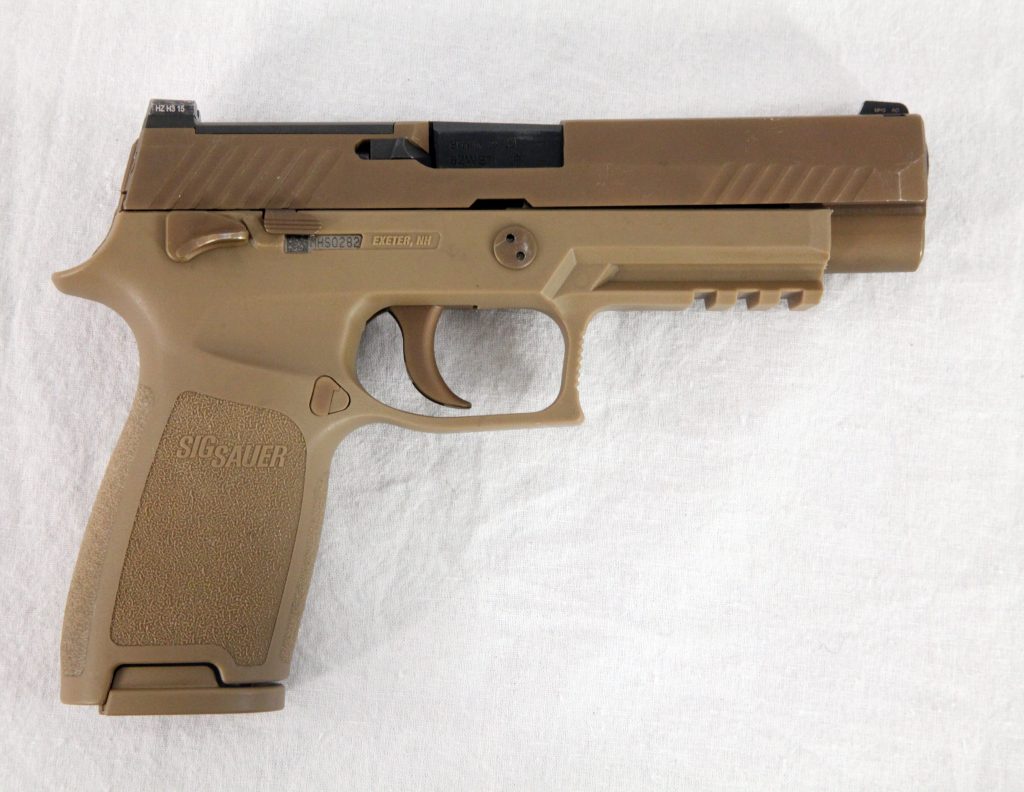
The M17 delivered several of those features in standardized form, including self-illuminating tritium sights, an accessory rail, and a slide cut prepared for optics-related configurations. The Army also specified a manual safety, and the military version of the P320 was adapted accordingly.
5. The caliber debate ended with 9mm staying in place
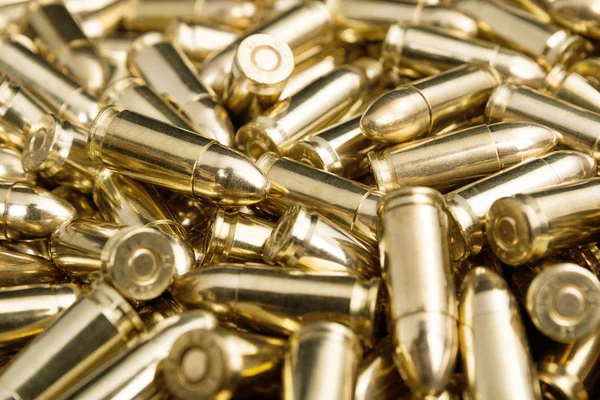
The competition was open to more than one caliber, and the Army spent years examining whether a different cartridge should replace 9mm. Larger or higher-energy rounds were considered, but the final choice stayed with 9mm NATO.
What changed was the ammunition mix. The contract allowed procurement of both the M1152 full metal jacket round and the M1153 special purpose round, giving the new system more flexibility than the old M9 setup. In other words, the Army modernized handgun performance without abandoning the caliber already embedded across NATO logistics.
6. SIG’s entry won the XM17 competition in 2017
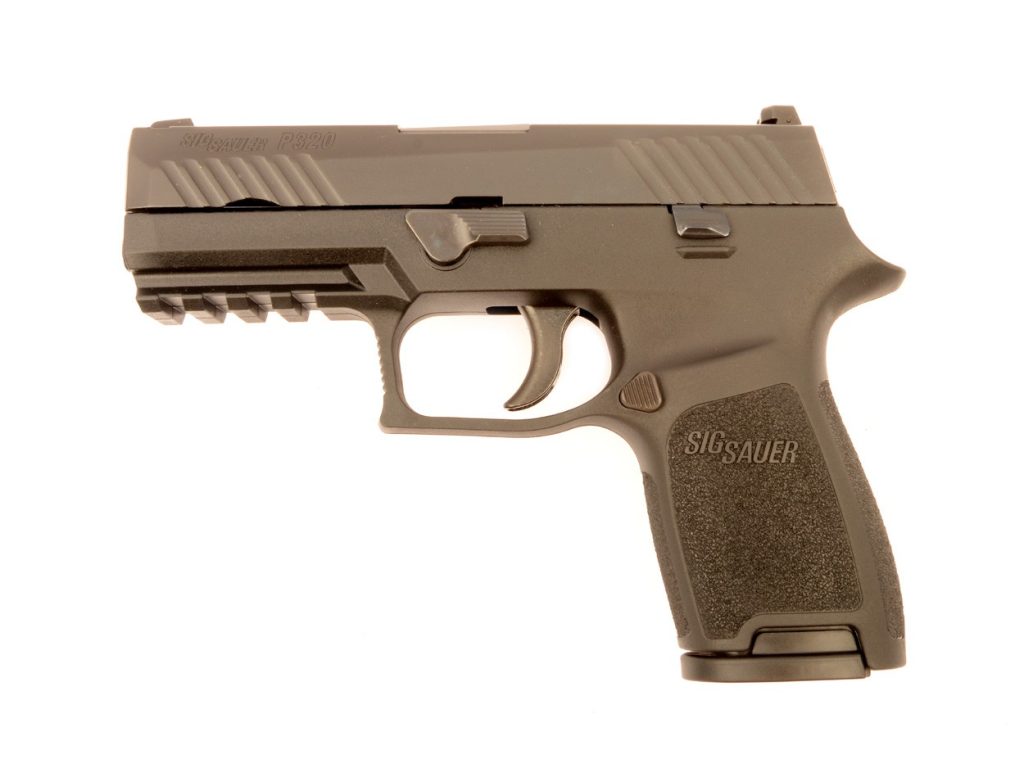
After years of delays, testing, and industry submissions, the Army announced on January 19, 2017 that SIG Sauer’s P320-based entry had won the Modular Handgun System competition. The full-size version became the M17, while the compact version became the M18.
The Army stated that the selected package represented the best overall value in performance and contract terms. The field included major competitors from Beretta, Glock, FN, Smith & Wesson, and others, but the SIG package aligned closely with the Army’s modularity and system-level requirements.
7. The M17 was built as a military variant, not an off-the-shelf P320
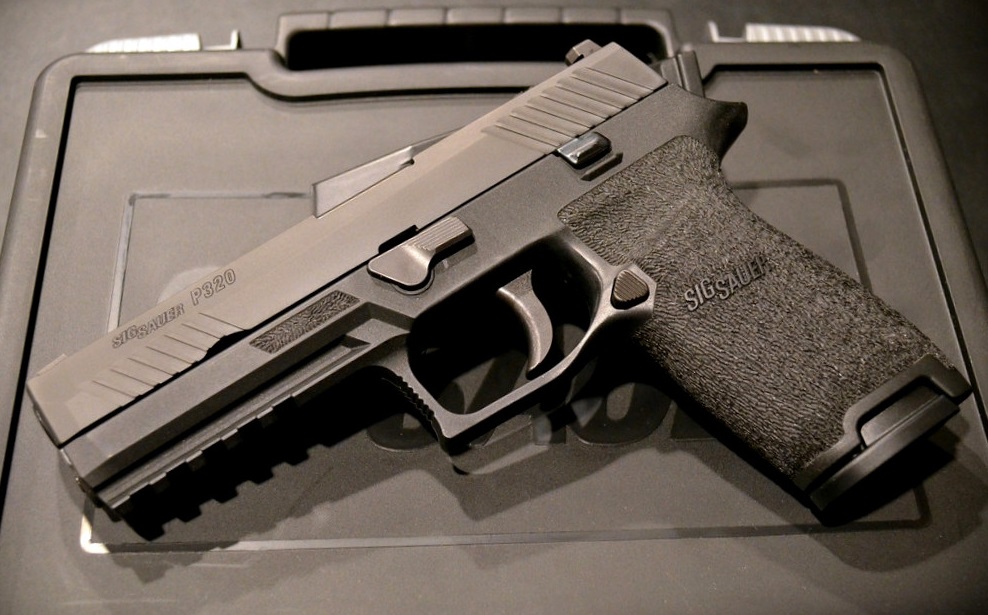
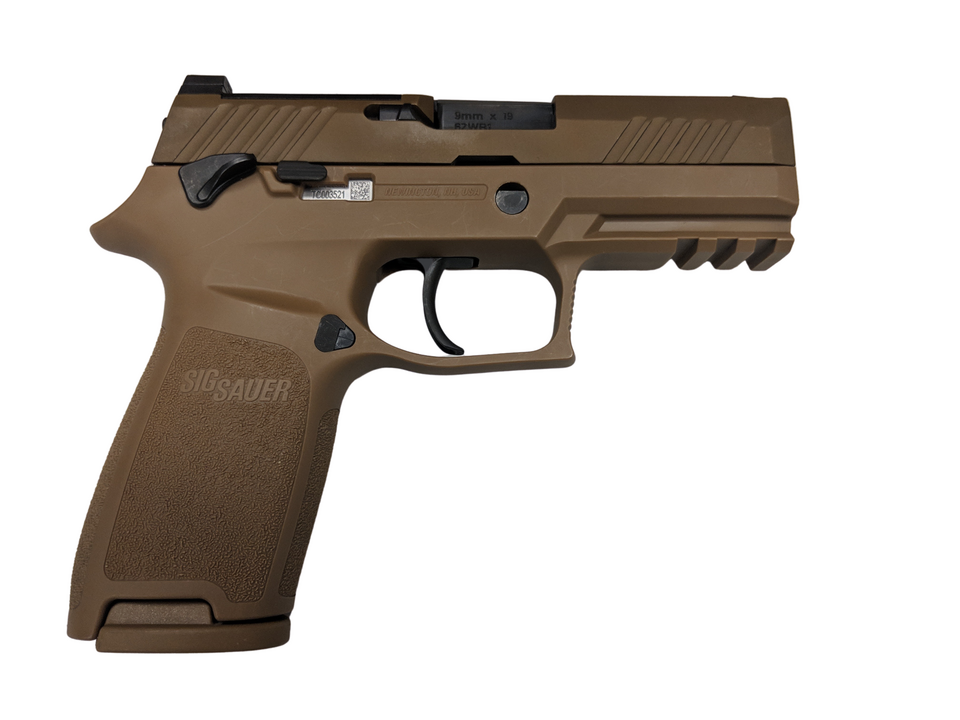
The adopted pistol was not simply a commercial P320 pulled from a catalog. The Army version incorporated changes tailored to military handling and maintenance. Those included a 4.7-inch barrel, tamper-resistant spanner screws, a corrosion-resistant PVD finish on steel parts, and an improved slide assembly meant to retain small components during disassembly.
It also received a revised trigger-area “mud flap” intended to reduce debris entering the action. The standard magazine held 17 rounds, with an optional 21-round extended magazine available. Those details show that the M17 was a service adaptation of an existing platform, not merely a renamed commercial handgun.
8. Early testing exposed problems, and the program corrected them
No modern service weapon enters wide use without scrutiny, and the M17/M18 program was no exception. Operational testing identified early concerns, including drop-test performance and reliability issues with ball ammunition in some cases.
Those findings became part of the adoption story rather than a footnote to it. The drop-fire issue was addressed through trigger-group changes, and Army assessments also flagged double-ejection and stoppage concerns for continued correction. That pattern is familiar in major military procurement: selection is one step, while refining a weapon into mature service configuration is another.
9. Fielding began quickly and spread across the services
The Army moved from contract award to issue within the same year. The 101st Airborne Division received the first fielded pistols in November 2017, marking the visible start of the transition away from the M9.
The wider adoption arc was even larger than an Army-only replacement. The M17 and M18 were taken up across five service branches, with the Army primarily using the full-size M17 while the Air Force and Navy centered on the more compact M18. Plans called for hundreds of thousands of pistols, and Army units were scheduled to complete replacement of the M9 by 2027.
10. The replacement reflected a broader change in sidearm philosophy
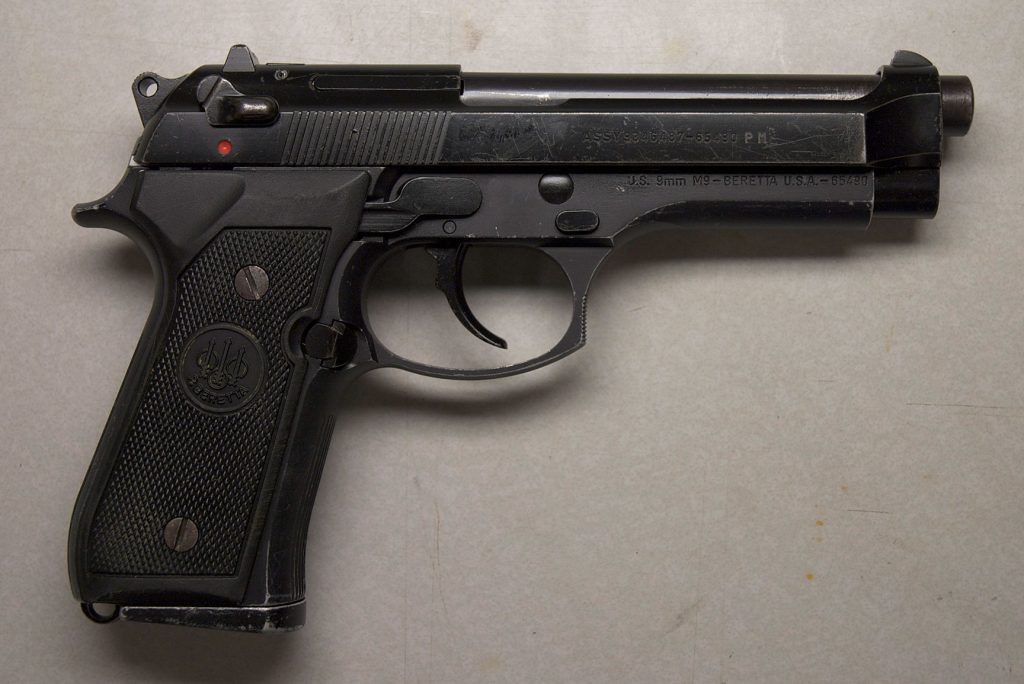
The move from M9 to M17 was also a move from one era of handgun design to another. The M9 came from a period when a metal frame, double-action/single-action trigger, and fixed configuration defined a service pistol. The M17 belongs to a different design language: striker-fired operation, modular fit, accessory integration, optics readiness, and a flatter path to configuration changes.
That is the real story behind the replacement. The Army did not just trade one 9mm handgun for another; it changed the assumptions behind the sidearm itself. The M17 was selected because it fit a procurement model centered on adaptability, lifecycle management, and compatibility with the accessories and handling standards expected of a modern general-issue pistol. The result was a replacement program driven as much by engineering and system design as by marksmanship or tradition. The M9 aged out of a changing requirement set, and the M17 arrived as the platform that best matched it.


