

The modern handgun-ammo conversation is built around a measurement that looks simple on paper: 12 to 18 inches of penetration in calibrated ballistic gelatin. That range became far more than a lab benchmark. It reshaped how agencies test duty ammunition, how manufacturers engineer bullets, and how shooters interpret terms like penetration, expansion, and barrier performance.
The standard did not appear out of a marketing cycle. It emerged after a hard reevaluation of handgun effectiveness, and it pushed testing away from raw caliber arguments and toward repeatable performance data.

1. It shifted the focus from caliber labels to terminal performance
Before the FBI protocol gained influence, handgun discussions often centered on cartridge identity alone. The 12–18 inch rule changed that by giving evaluators a measurable outcome inside a standardized medium. Instead of treating caliber as the whole story, testing began to weigh whether a bullet could reach sufficient depth while still expanding in a controlled way.
That change mattered because similar bullets can behave very differently even at close velocities. One example cited in gel testing showed two 115-grain loads traveling at nearly the same speed, yet one stopped at 9 inches while the other reached 12 inches. The standard made those differences visible and comparable.

2. It came from a failure analysis, not a theoretical exercise
The FBI developed the protocol after the 1986 Miami shootout exposed weaknesses in service-handgun ammunition. The lesson drawn from that incident was not that larger calibers alone solved the problem, but that handgun rounds had to penetrate deeply enough to disrupt vital structures under less-than-ideal conditions.
That historical pivot pushed testing toward repeatable standards by 1989 ballistic testing standards. The result was a framework that could be applied across different bullet designs, rather than judged by anecdote.

3. It established penetration as the first requirement
In practical handgun testing, penetration became the baseline requirement because a bullet has to reach anatomically significant depth before any other advantage matters. Expansion remains important, but expansion without enough depth can reduce effectiveness rather than improve it.
This is why the FBI range is expressed as both a floor and a ceiling. Under 12 inches, a bullet may not reliably reach vital organs after passing through clothing, extremities, or oblique angles. Beyond 18 inches, the design may be giving up too much expansion and energy management for excessive travel. The protocol turned that balance into a design target instead of a guess.
4. It made ballistic gelatin a common language across the industry
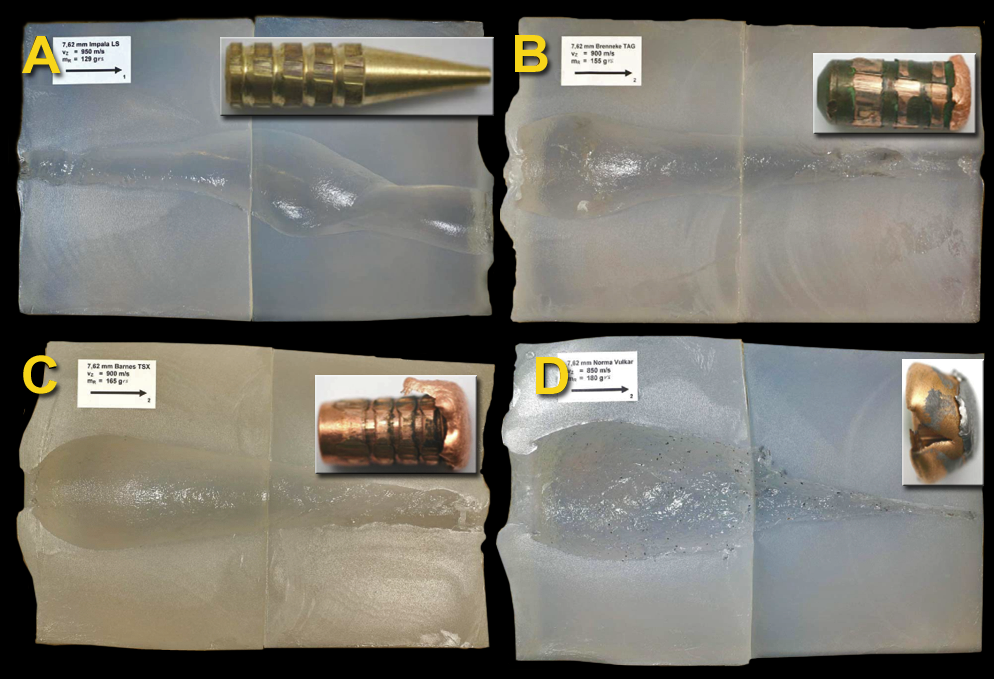
Ballistic gelatin had been used for decades, but the FBI standard gave it much broader authority as a comparative tool. Properly prepared gel does not claim to replicate the entire human body. It offers consistency, which is exactly what product engineers, procurement teams, and trainers need when comparing one bullet to another.
That consistency depends on calibration. Standardized blocks are commonly made from 10% IWBA ballistic gelatin and verified by firing a steel BB at a specified velocity to confirm the block is within accepted tolerance. Once that baseline is set, penetration depth, expansion, and retained weight can be compared from test to test in a disciplined way.

5. It expanded testing beyond bare gel into barrier performance
A handgun round rarely gets a clean, textbook path in the real world. The FBI protocol recognized that by including heavy clothing and common intermediate materials such as drywall, plywood, sheet metal, and auto glass. A bullet that performs beautifully in bare gel but fails after meeting fabric or glass tells only part of the story.
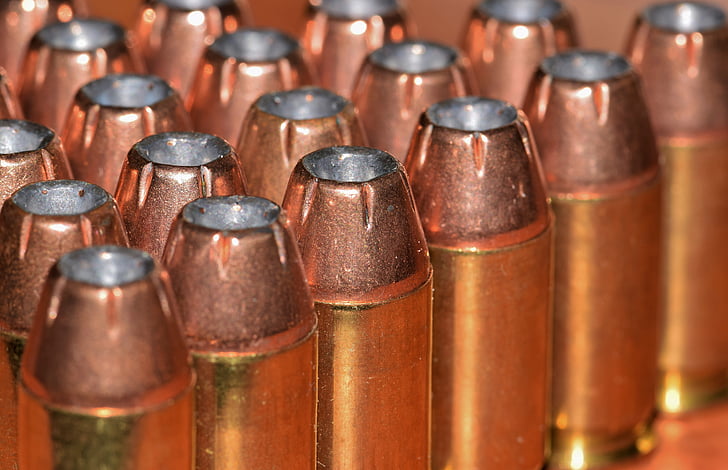
This part of the protocol changed ammunition development in a major way. Bullet cavities, jacket construction, bonding methods, and elastomer-filled designs were all refined to preserve expansion while still meeting the penetration window after barrier impact. The modern premium defensive bullet is largely a response to those barrier demands.

6. It exposed the tradeoff between expansion and depth
Handgun bullets operate within narrow physical limits. More expansion usually means more drag and less penetration. Less expansion can preserve depth, but it may reduce the size of the wound channel. The FBI standard forced bullet designers to work inside that tension rather than optimize only one side of it.
As forensic pathologist Dr. Vincent DeMaio put it, “It’s where you hit them and how many times you hit them”. That line captures why the protocol never turned expansion into a magic answer. Placement still dominates outcomes, but within that reality, the 12–18 inch rule gave engineers a workable path to improve bullet behavior.
7. It influenced agency caliber choices, including the rise and return of different service rounds
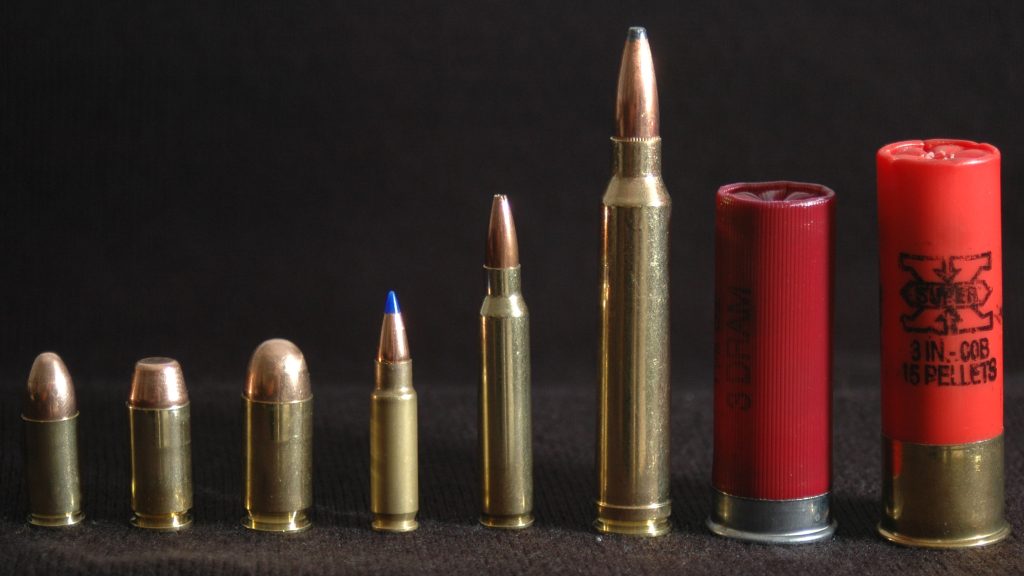
The protocol had a direct effect on law-enforcement ammunition selection. One major outcome was the broad move toward .40 S&W, which was seen as a strong balance of bullet weight, diameter, and manageable platform size under the standards of the time. Later, bullet design improvements allowed modern 9mm loads to meet the same test requirements more consistently.
That evolution is one reason caliber debates became less absolute. When a modern 9mm duty round can pass FBI penetration depth requirements while maintaining reliable expansion, the conversation naturally moves from cartridge identity to bullet construction and consistency.
8. It changed how civilians read ammunition claims
Once the FBI standard became widely known, civilian buyers and trainers gained a more technical lens for judging ammunition data. Published gel results, barrier tests, and recovered-bullet photos started carrying more weight than broad claims about “stopping power.”
That did not make gel a perfect predictor. Gel is homogeneous, while the body contains skin, fat, muscle, organs, and bone. Some testers describe the first 4 inches of gel as a rough way to think about resistance lost to skin and underlying tissue, but the larger value of the protocol is consistency, not literal one-to-one translation.

The lasting impact of the FBI 12–18 inch standard is that it gave handgun ammunition a disciplined engineering target. It turned an argument once dominated by caliber slogans into a process built around measurable, repeatable behavior.
That is why the standard still matters. It did not end the penetration-versus-expansion debate, but it changed the terms of it, and modern handgun ammo testing has followed that framework ever since.


