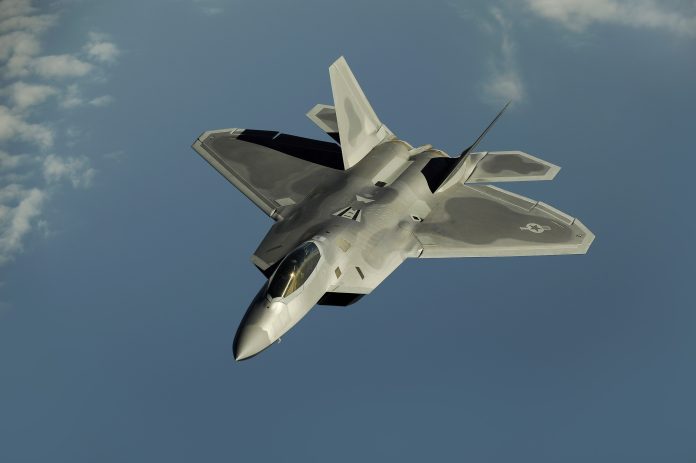
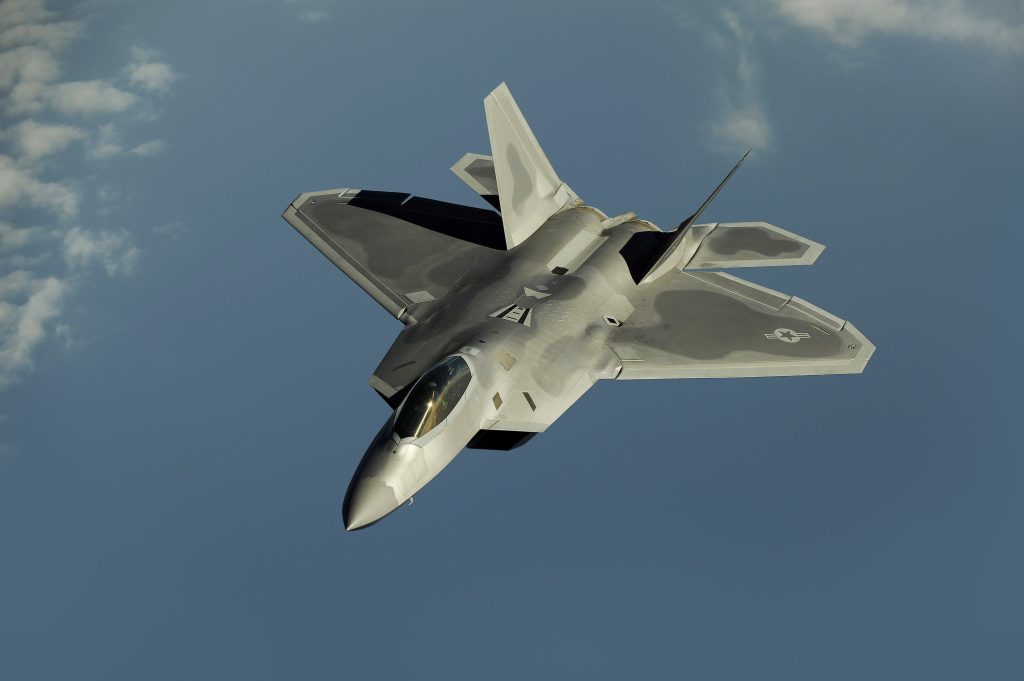
The modern fighter cockpit is taking on a second job. Beyond flying a high-performance aircraft through contested airspace, it is increasingly being shaped into a control node for uncrewed teammates that can scout ahead, carry sensors, haul weapons, and absorb risk.
That shift is not about replacing pilots. It is about giving one crewed jet the reach and flexibility of a small formation. Programs tied to the U.S. Air Force’s Collaborative Combat Aircraft effort, along with recent flight demonstrations involving the F-22 and other test platforms, show that the key breakthrough is not a single drone. It is the stack of technologies that lets a fighter command, cue, and collaborate with autonomous aircraft in real time.
1. Tactical data links that let pilots issue commands in flight
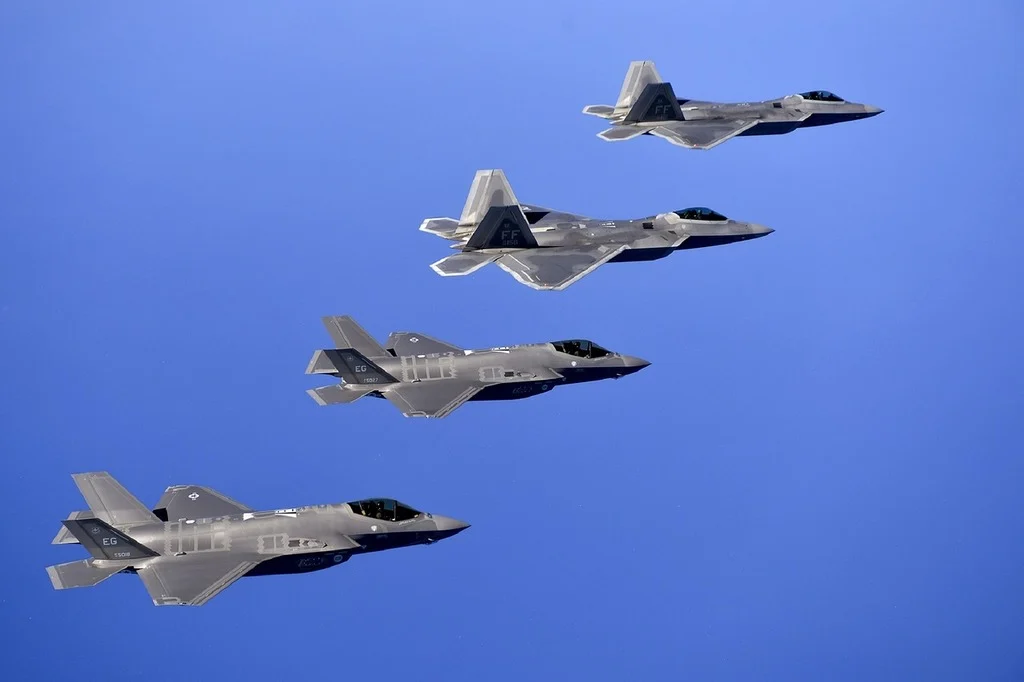
A fighter cannot act as a drone command hub unless it can talk to uncrewed aircraft while maneuvering at speed. That makes resilient airborne networking one of the foundation technologies in the entire concept. Recent tests showed the model clearly. In an Edwards Air Force Base demonstration, an F-22 pilot used a tactical data link to pass commands in real time to a General Atomics MQ-20 acting as a CCA surrogate.
That kind of connection matters because the pilot was not just monitoring the drone. The pilot was directing tactical maneuvers, combat air patrol behavior, and threat-engagement tasks. A command hub in the air begins with a network that stays fast, secure, and useful under pressure.
2. Pilot-vehicle interfaces built for command, not just flight
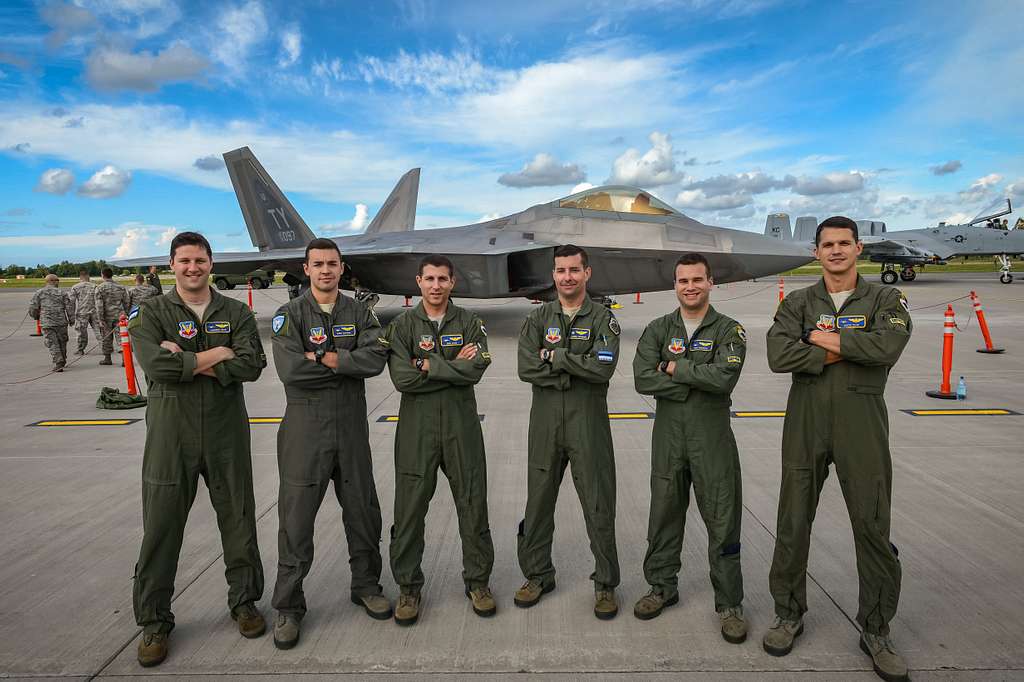
Traditional cockpits are designed around flying one aircraft. Drone teaming demands an interface that lets the pilot manage several assets without turning the workload into chaos. The Air Force has already explored this with an F-22 pilot using a tablet during an earlier loyal-wingman style test.
That may sound simple, but it points to a major design change: future fighters need controls, displays, and workflows that treat external drones as assignable mission systems. Instead of chasing every manual input, the pilot can send a task, confirm intent, and keep focus on the larger fight. In practical terms, that turns the cockpit from a vehicle control station into a battle-management station.
3. Autonomy software that translates orders into action
Once a pilot issues a command, the drone still has to execute it intelligently. That is where autonomy software becomes essential. General Atomics described a recent F-22 pairing as showing “the ability of autonomy to utilize onboard sensors to make independent decisions and execute commands from the F-22.”
Shield AI is pursuing the same broader goal with its Hivemind software, designed for operation even when GPS and communications are unreliable. The point is not remote piloting in the old sense. It is delegated action. The fighter gives the mission intent; the drone handles navigation, sensor use, maneuvering, and local reactions quickly enough to stay relevant in a fast-moving air battle.
4. AI decision systems that can explain themselves to human crews
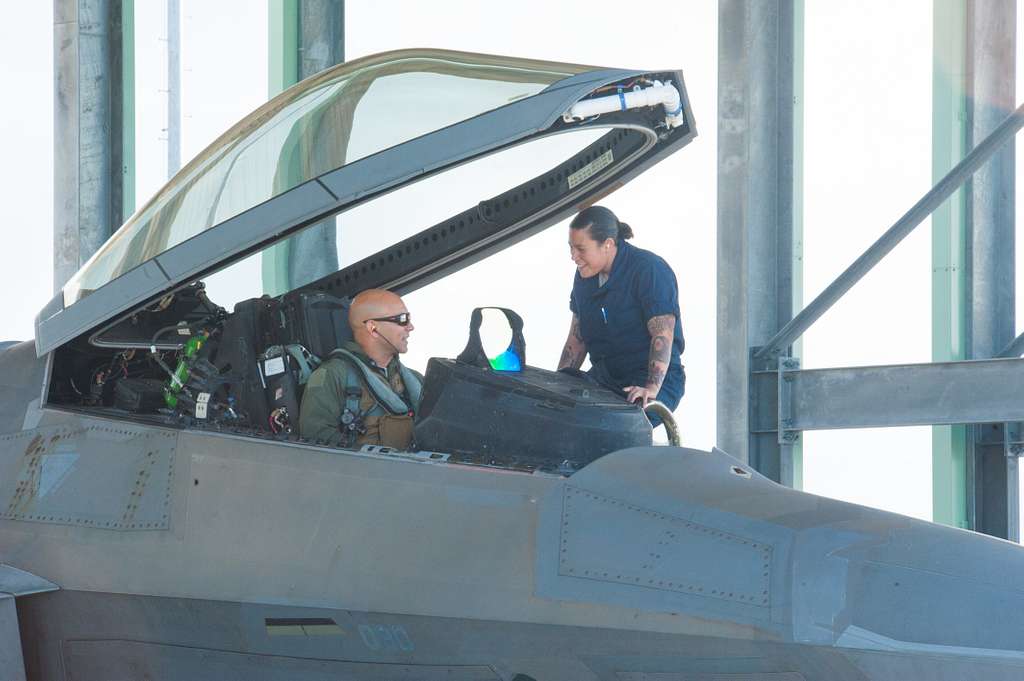
Autonomy is not enough on its own. Pilots also need to trust what the machine is doing. That trust problem is now a serious engineering topic. A recent aerospace study on AI-piloted aircraft found that an encoder-plus-attention decoder system reached 96.84% accuracy when generating natural-language descriptions of AI decision behavior in simulated dogfight scenarios.
The significance is broader than the paper’s laboratory setup. If future cockpits can receive short, clear explanations of why an AI wingman is climbing, evading, or repositioning, the pilot’s role changes from micromanager to supervisor. That is exactly the kind of relationship a command hub needs.
5. Mission systems that let drones carry sensors, jammers, or weapons
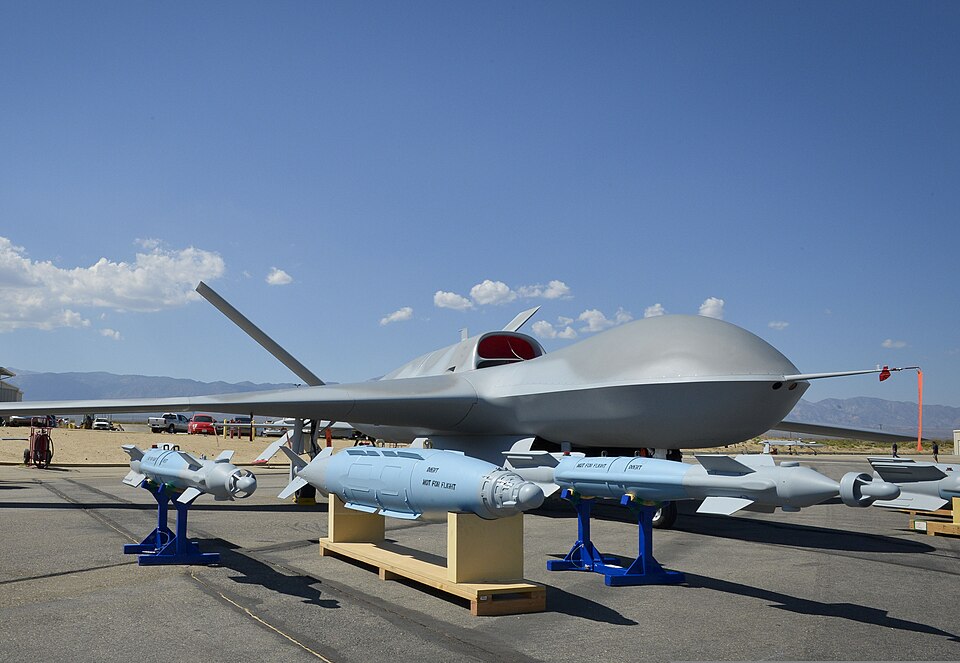
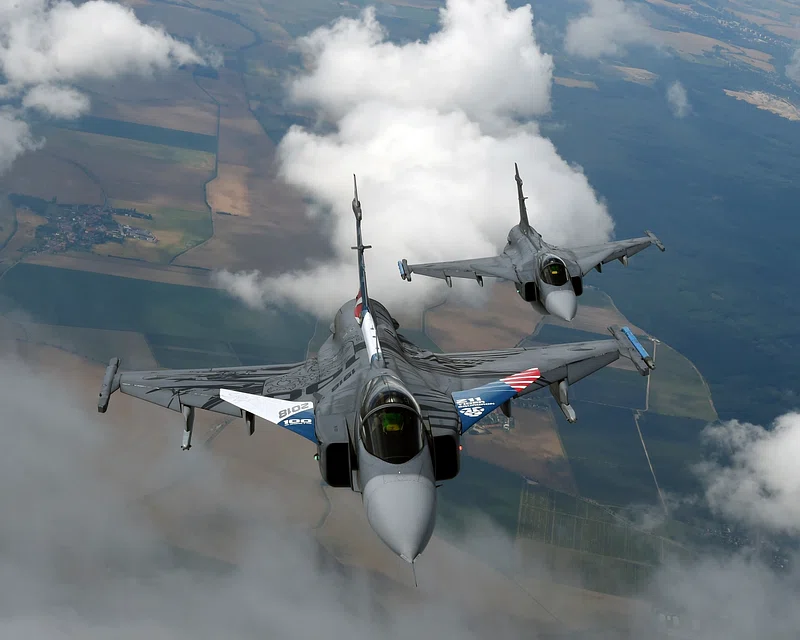
A drone teammate becomes strategically valuable when it adds effects that the fighter alone cannot carry in enough quantity. That means modular payload integration is one of the real enabling technologies behind the concept. The Air Force’s current CCA path includes platforms intended for air-to-air combat, air-to-ground missions, electronic warfare, targeting, and intelligence roles. Developmental testing has also advanced into captive carry evaluations using inert test munitions, a necessary step before any live employment.
This matters because a fighter acting as a hub is most useful when its drones are not all clones. One may push forward as a sensor picket, another may carry extra missiles, and another may perform electronic attack. The command aircraft becomes more powerful because it can distribute functions across the formation.
6. Open architectures that make upgrades and interoperability possible
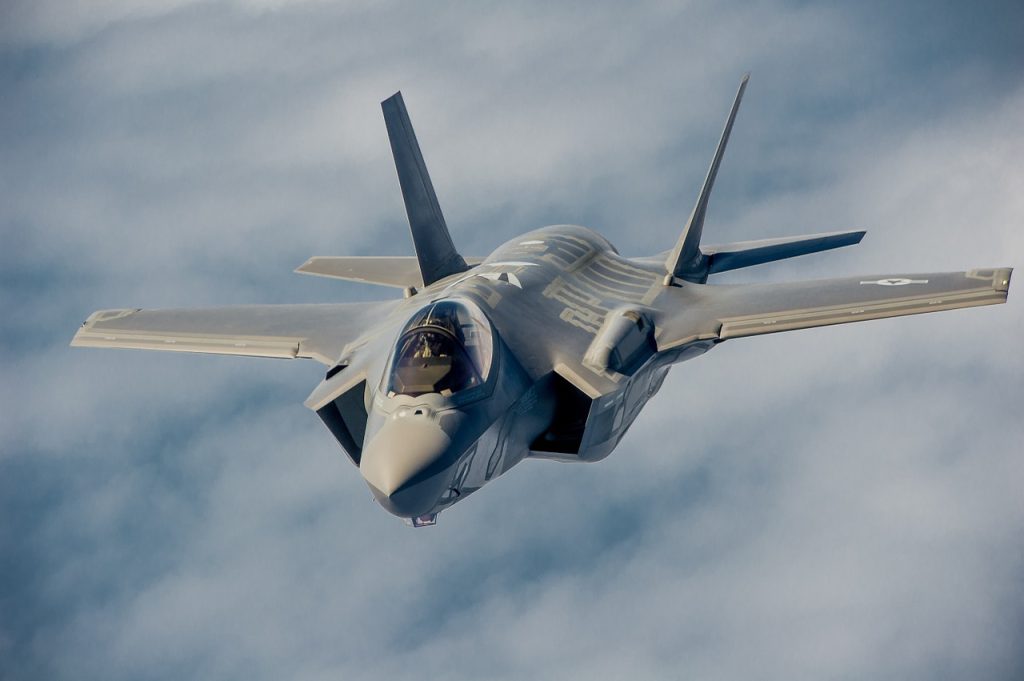
A drone ecosystem only scales if new airframes, sensors, and software can plug into it without a full redesign every time. Open systems are what keep the command-hub idea from becoming a one-off demonstration. The CCA effort has leaned heavily on that principle, drawing from the Skyborg autonomy core and programs such as Anduril’s Lattice software.
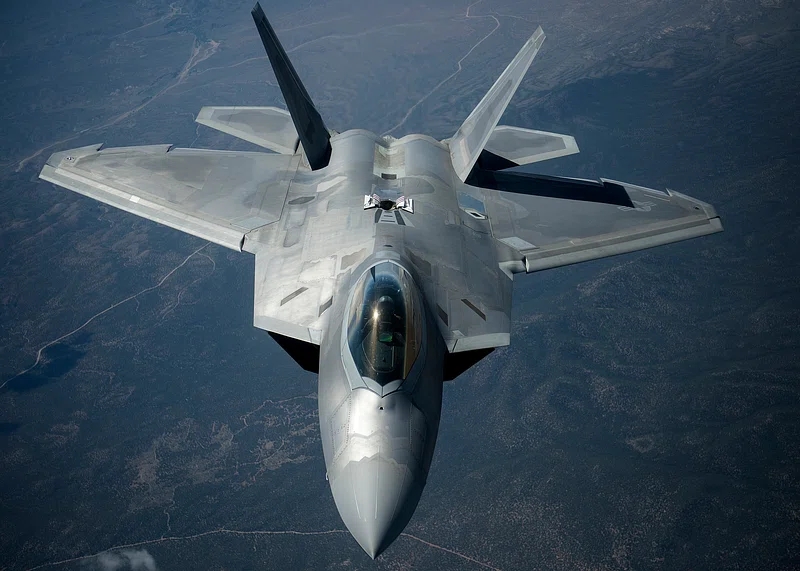
The Air Force has also treated CCAs as platforms intended to be interoperable with different types of aircraft and easily upgraded over time. That makes a major difference for fighters like the F-35 and F-22, which need new software, sensors, and control concepts to evolve faster than traditional airframe refresh cycles.
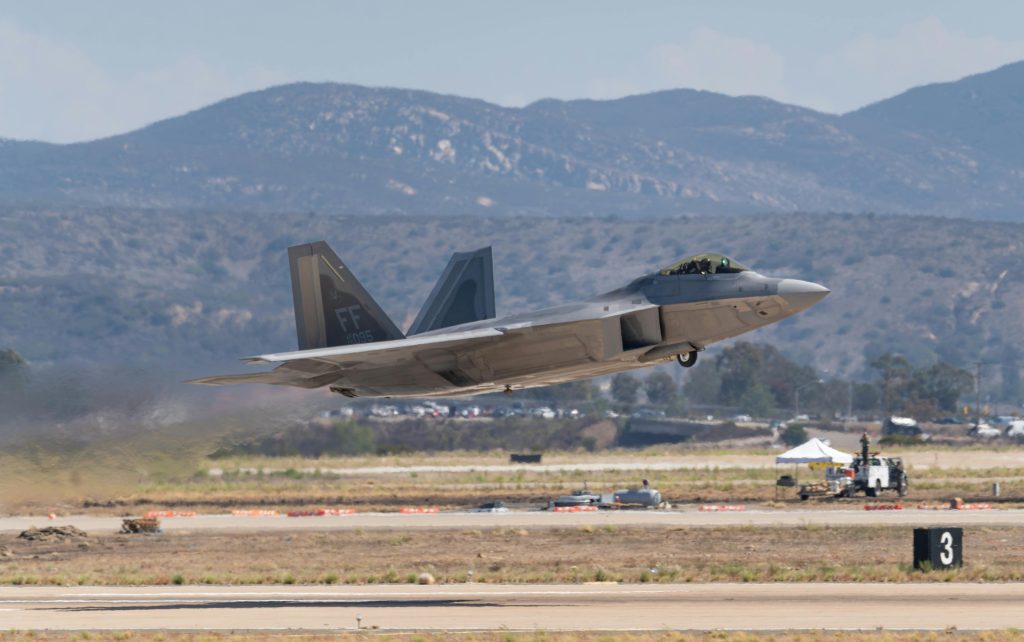
7. Runway-independent drone designs that widen where command hubs can operate
Not every enabling technology sits inside the cockpit. Some are built into the drone itself. Aircraft such as Shield AI’s X-BAT point toward a future in which autonomous teammates do not depend on long, vulnerable runways. The company says the aircraft combines vertical takeoff and landing with a range of exceeding 2,000 nautical miles with full mission payload. That combination changes how a fighter command hub could be used. A crewed jet may launch from a major base, then link with drones that dispersed from austere locations, ships, or temporary sites. The hub is no longer tied to a single runway network, which expands survivability and mission flexibility.
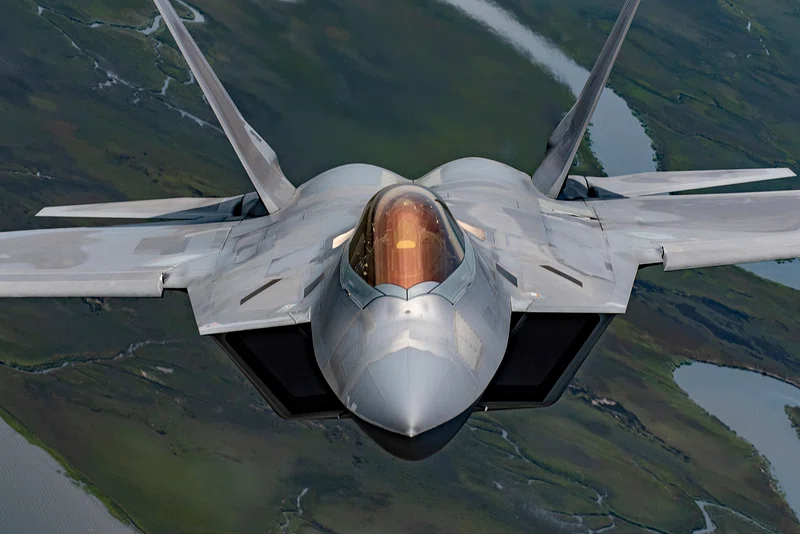
The larger pattern is now clear. Fighters are being adapted to do more than survive and strike; they are being prepared to coordinate a distributed package of autonomous aircraft around them. That transformation depends on seven pieces working together: links, interfaces, autonomy, explainable AI, modular payloads, open architectures, and flexible launch concepts. Once those layers mature at the same time, the fighter stops being only a shooter and starts becoming the airborne manager of a much larger robotic formation.


