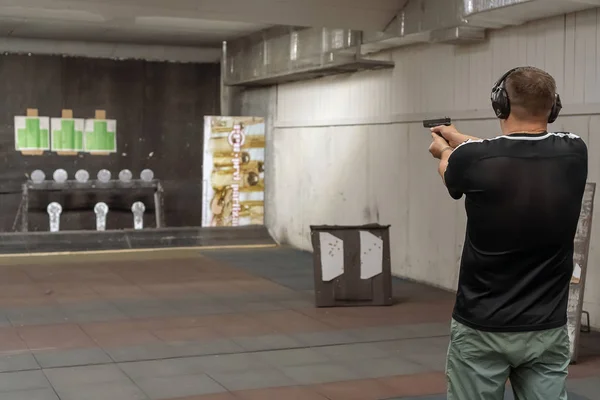
Handgun accuracy often looks solid on a calm square range and then unravels when urgency enters the picture. That gap is rarely caused by the pistol alone. It usually starts in training habits that hide weak trigger work, poor visual discipline, and unrealistic practice conditions. Research on pressure and marksmanship shows the drop can be measurable. In a meta-analysis of tactical populations, shooting accuracy was reduced by 14.8% in high-pressure conditions, while interventions that added relevant pressure improved performance by 10.6%. For shooters, the lesson is simple: accuracy under stress is built long before the timer, noise, or movement starts.
1. Treating trigger control like a minor detail
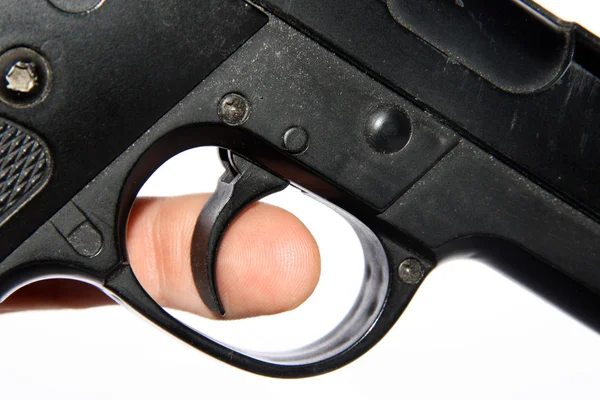
The most common training failure is acting as if sights matter more than trigger work. In practice, the trigger is often where clean groups collapse. A handgun has a short sight radius, an unstable firing platform, and a trigger press that can move the gun off target in a fraction of a second. If the finger does not move straight to the rear, the muzzle usually shifts before the shot breaks.
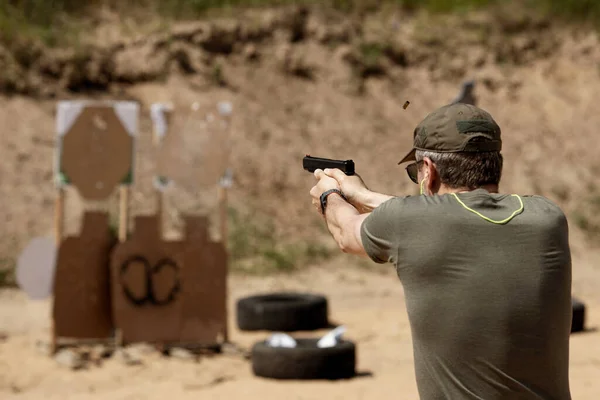
That problem gets worse under pressure because shooters rush the final press. Jerking, slapping, and stop-and-go trigger movement tend to appear when the shooter tries to fire at the exact instant the sights look perfect. That timing impulse is a known accuracy killer. Stronger habits come from dry-fire work that isolates slack removal, reset, and follow-through rather than just burning through ammunition.
2. Never diagnosing flinch before trying to shoot faster
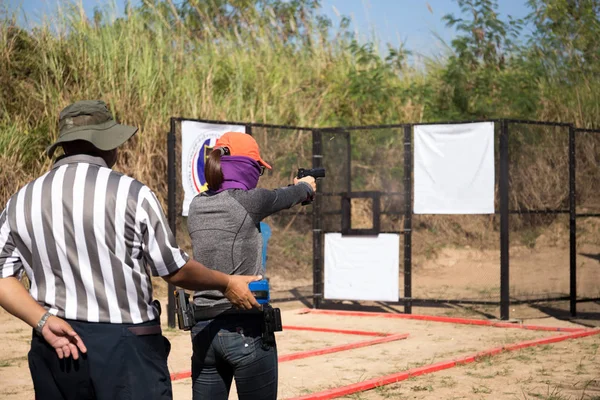
Flinch hides in plain sight because recoil can mask it. Many shooters believe they have a speed problem or a sight problem when they are really reacting to blast, recoil, or anticipation. That reaction can show up as a dip, shove, blink, or a last-second push away from the face. One of the clearest ways to expose it is the ball and dummy drill, which reveals muzzle movement when the gun does not fire. Reference instruction on trigger control also notes that dummy rounds mixed into live strings can make flinch obvious to the shooter. Until that anticipation is diagnosed, faster practice only reinforces the mistake.
3. Practicing only in low-pressure range conditions
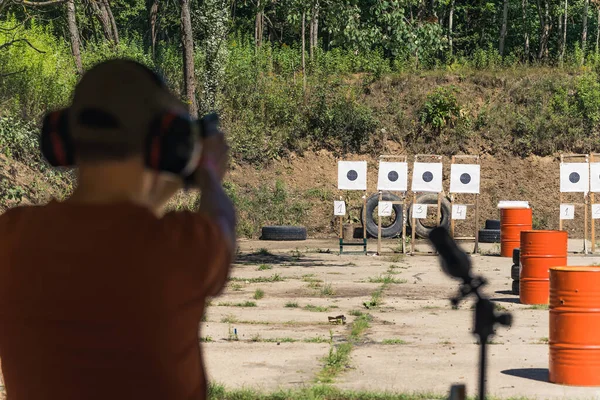
Static lane shooting has value, but it does not automatically transfer to stressful performance. The problem is not marksmanship itself. The problem is assuming calm repetitions are enough. The research literature repeatedly found that higher pressure changes gaze behavior, reaction timing, and shot quality. In several studies, shooters performed worse when training shifted from cardboard-style conditions to opposed or pressure-based scenarios. The same review found that experience improved high-pressure accuracy by 1.1% per year, and that early exposure to contextually relevant pressure helped preserve performance. That does not mean training should become theatrical. It means practice should include timers, decision tasks, changing target presentations, and enough consequence to expose rushed mechanics.
4. Letting the whole hand move with the trigger finger
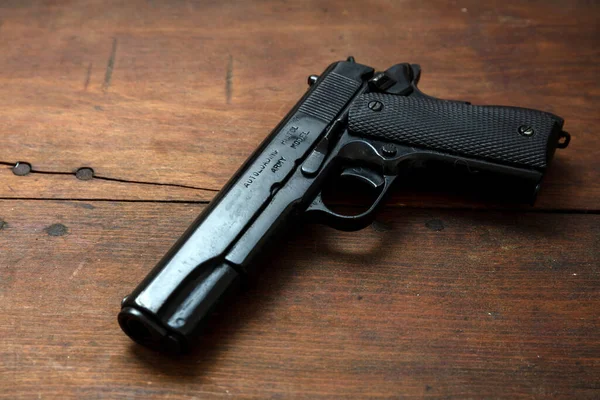
Many misses begin with sympathetic motion in the firing hand. When the trigger finger presses, the other fingers tighten too, the thumb rotates, or the heel of the hand drives forward. The shot leaves the muzzle during that extra motion. This is why instructors so often talk about milking, thumbing, and heeling as separate errors even though they share the same root cause: the trigger finger is not working independently. Accurate shooting requires a stable grip with isolated trigger movement, not a whole-hand squeeze timed with the shot. Dry-fire drills with a balanced casing or coin on the front sight remain useful because they make those hidden motions visible without recoil covering them up.
5. Holding for a perfect sight picture too long
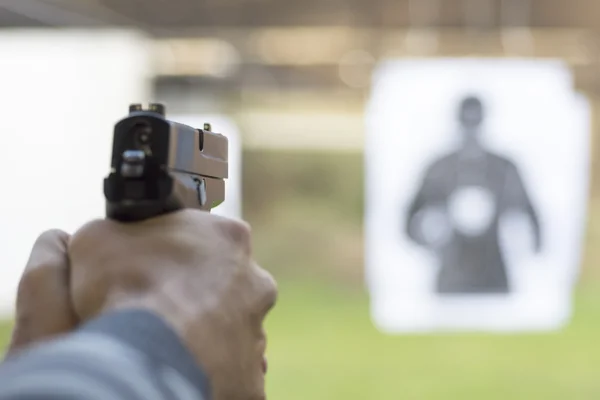
A surprising number of shooters miss because they wait too long, not because they shoot too soon. The search for a perfect sight picture can stretch a shot far beyond the window where the gun is most stable. As the hold lengthens, vision degrades, muscles fatigue, and breathing becomes part of the wobble. That habit is especially destructive under stress, where hesitation often flips into a sudden, ugly trigger press. Solid practice builds acceptance of an acceptable sight picture, a clean press, and immediate follow-through. The goal is not a frozen front sight. It is a manageable visual picture with minimal disruption as the trigger breaks.
6. Chasing speed before building a repeatable grip and follow-through
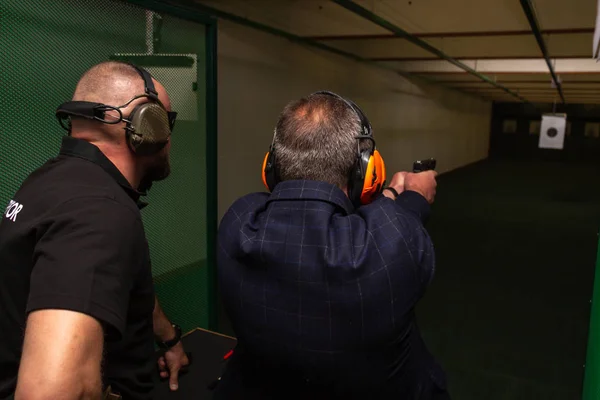
Many shooters try to solve stress by shooting faster in practice. Without a repeatable grip, that usually turns the trigger into a fulcrum and drives hits low or off line. A firm, consistent grip helps the sights track back to the target after recoil instead of forcing a rebuild between shots. Follow-through matters just as much. The shot is not over when the pistol fires.
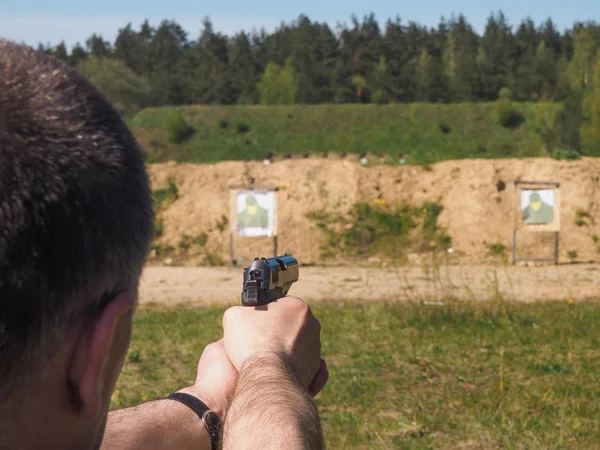
Trigger contact, recoil management, sight return, and reset all affect the next shot. Training that ignores this sequence teaches shooters to abandon the gun the moment it goes off. As one reference article notes, follow-through through the entire recoil cycle is part of proper trigger control, not an optional extra.
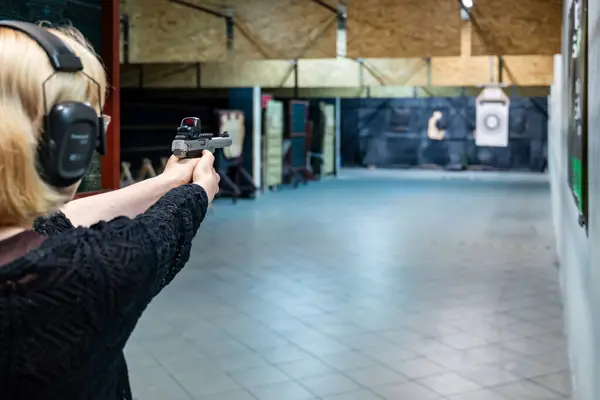
Accuracy under stress is usually lost in training long before it is lost on the target. Shooters who build independent trigger movement, diagnose flinch early, and add realistic pressure to practice give themselves a better chance of keeping hits centered when the pace changes. The common thread through all six mistakes is not lack of effort. It is misdirected repetition. When practice rewards speed, noise, and volume more than clean mechanics, stress simply exposes what training already installed.


