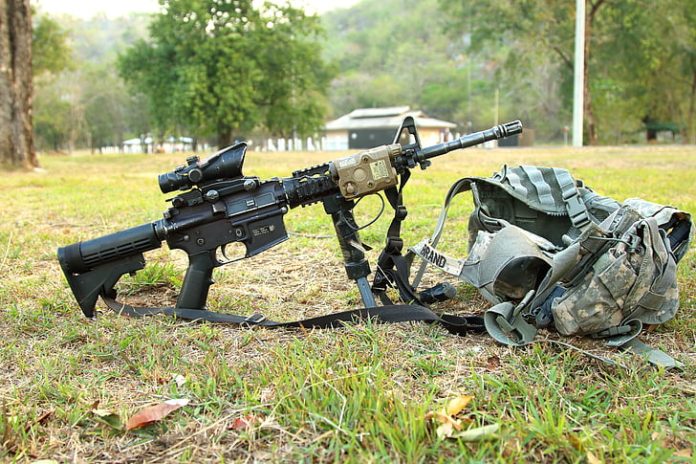
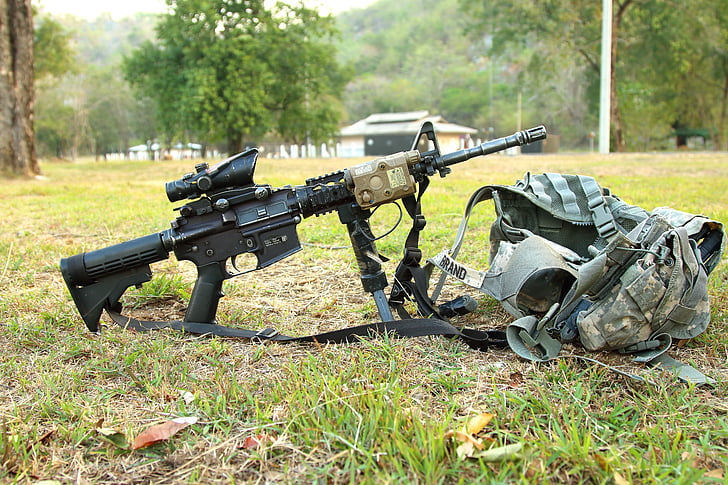
Harsh-environment carbines are not defined by one miracle part. They are usually the product of a series of conservative engineering choices that keep the gun feeding, firing, extracting, and ejecting when dust, moisture, cold, heat, and inconsistent maintenance all start stacking against it.
Armorers tend to value designs that stay inside a broad operating window instead of chasing the lightest recoil impulse or the tightest benchrest numbers. That approach shows up in materials, gas system geometry, internal mass, and the small interface details that determine whether a carbine keeps working after hard use.
1. Corrosion-resistant metals and weatherproof exterior finishes
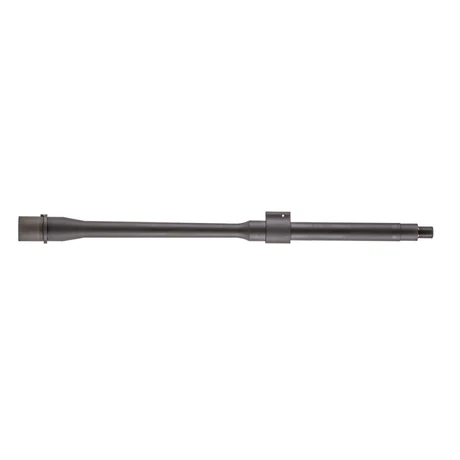
One of the easiest ways to lose a service rifle in ugly conditions is to let moisture and neglect attack unprotected steel. Stainless components, nitrided surfaces, chrome-lined areas, and durable coatings reduce the damage caused by rain, condensation, and storage after exposure. Hunting rifles built for poor weather have long leaned on stainless steel barrel and action combinations for exactly that reason, and the same logic carries over to carbines expected to live in vehicles, racks, and field kits. Material quality matters just as much as the finish itself. Heat-treated bolts, extractors, and gas-system parts face repeated pressure and friction, so corrosion resistance only solves part of the problem. A finish can protect the outside, but long-term reliability still depends on sound metallurgy underneath it.

2. Synthetic furniture that does not swell, warp, or shift
Wood earned its place in rifle history, but harsh-weather service use rewards stability over tradition. Polymer stocks and handguards do not absorb water, do not swell in wet conditions, and are less likely to shift the rifle’s handling or zero when temperatures swing. That same principle shows up repeatedly in weather-oriented rifle designs that pair metalwork with synthetic stock construction. On a carbine, stable furniture also protects the shooter from hot or cold surfaces while preserving mounting consistency for lights, slings, and aiming devices.
3. Gas-system length that avoids excessive cyclic speed
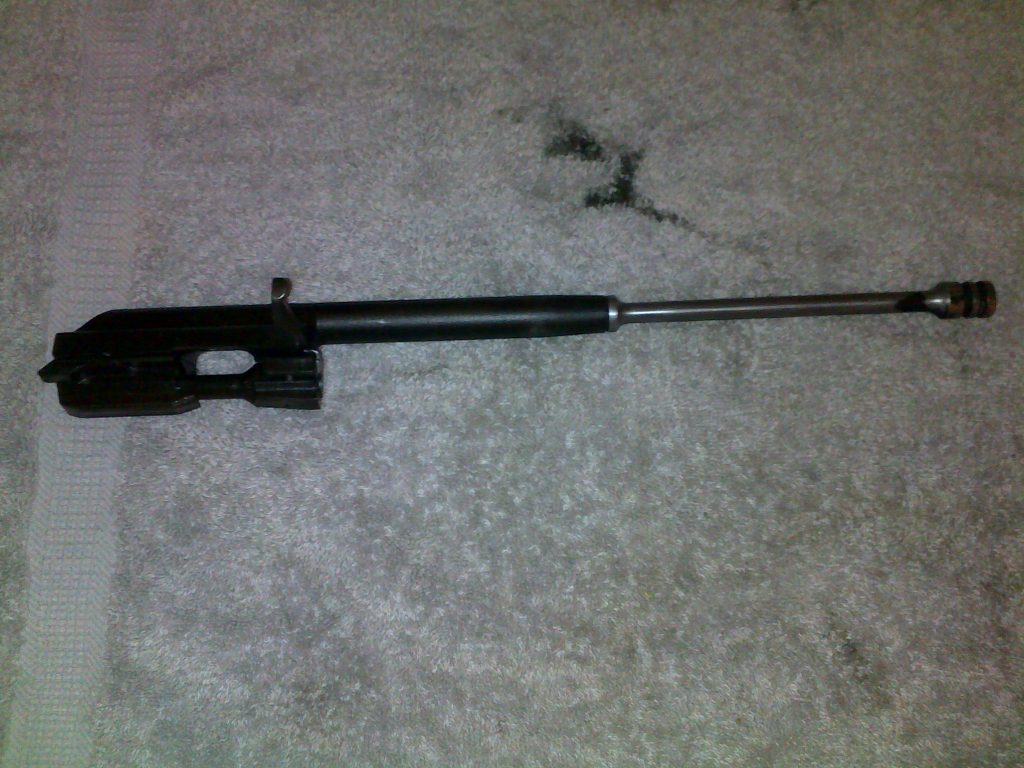
On AR-pattern carbines, harsh-environment reliability often starts with not driving the action too hard. Shorter gas systems expose the operating parts to higher pressure earlier in the barrel, which can accelerate bolt movement and shrink the timing margin for extraction, ejection, and feeding. In one technical breakdown, a carbine AR-15 operates at almost 70% higher pressure than a rifle-length setup. That does not mean every longer gas system is automatically superior. It means armorers prefer combinations that keep bolt speed in a manageable zone for the barrel length involved. A carbine that is not violently overdriven usually tolerates dirt, fouling, and magazine drag better over time.

4. Dwell time matched to the barrel, not guessed at
Dwell time is the brief interval between the bullet passing the gas port and leaving the muzzle. That small stretch determines how long gas pressure is available to drive the system. Too little dwell time can produce short-stroking and weak extraction. Too much can increase fouling, heat, and shooter discomfort while pushing the action harder than necessary. This is one of those design choices that disappears when it is correct. It only becomes visible when a compact carbine starts acting inconsistent with different ammunition or after fouling builds up. Armorers generally favor barrel and gas-port layouts with enough margin to keep the gun cycling across varied loads instead of only under ideal conditions.
5. Proper bolt carrier and buffer mass
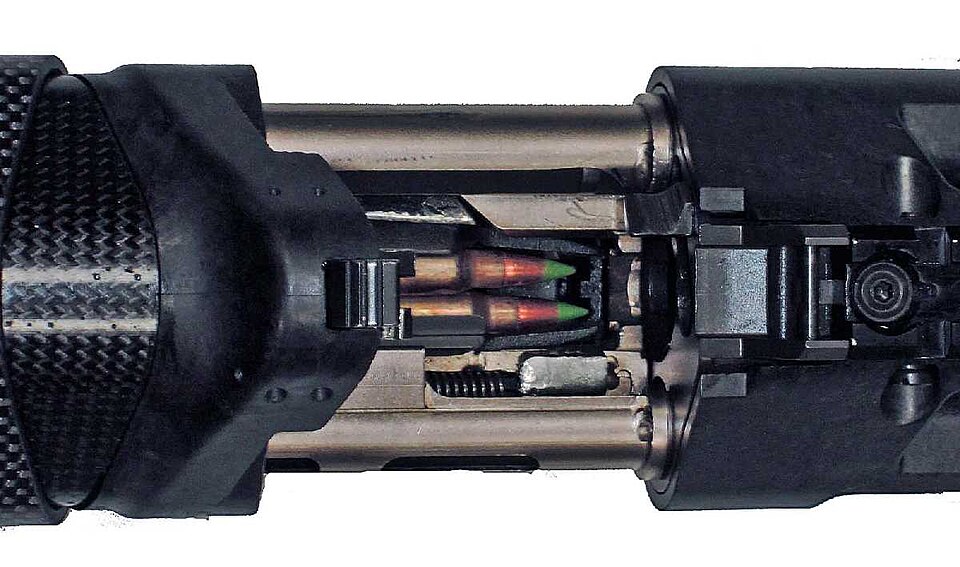
Reciprocating mass is one of the simplest tools for calming an AR-pattern carbine. Heavier carriers and appropriately weighted buffers slow the action, reduce violent cycling, and help keep feeding and extraction within a healthier timing range. The point is not maximum weight; the point is balance. Commercial carbines have often shipped with light buffer setups that run “well enough” but leave little room for dirt, weak ammunition, or extra backpressure. Military-oriented setups tend to be more conservative here because extra mass can buy reliability margin without changing the manual of arms. This is especially useful in carbines that already run on the lively side.
6. Feed-ramp geometry that helps the magazine keep up
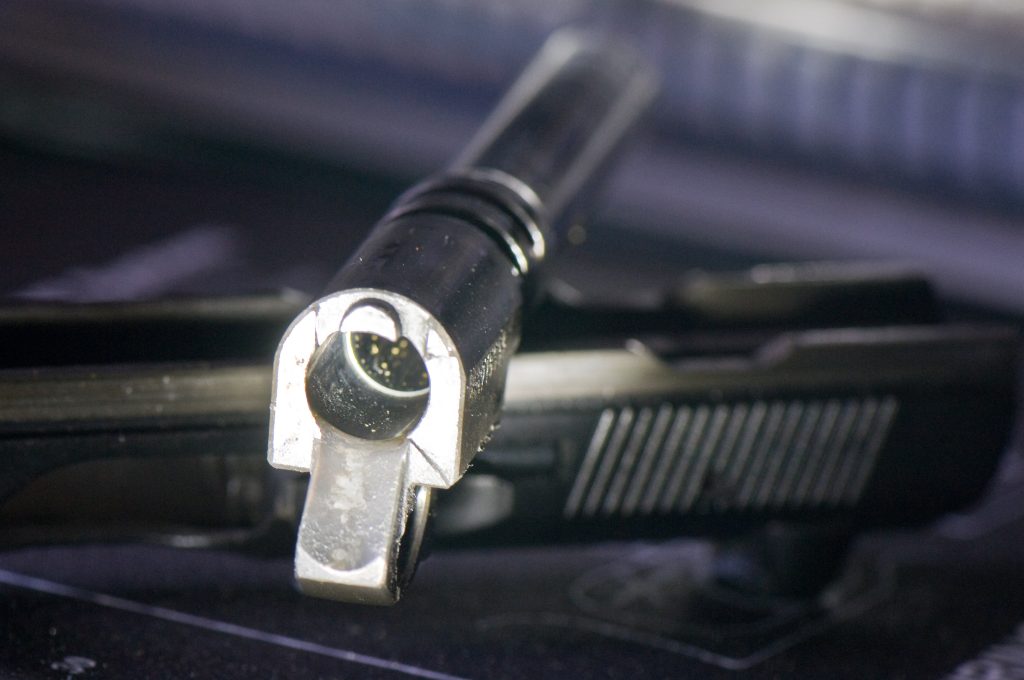
Feeding problems are often blamed on magazines alone, but the interface between magazine, receiver, and barrel extension matters just as much. Extended feed-ramp geometry became important on shorter carbines because higher bolt velocity left less time for cartridges to rise into position. M4-style feed ramps are one of those quiet improvements that do not attract much attention until the carbine gets dirty, hot, or is run with fully loaded magazines. When the action is moving fast and the environment is adding resistance everywhere else, a smoother path into the chamber is not a luxury.
7. Extractor systems built for repeated stress
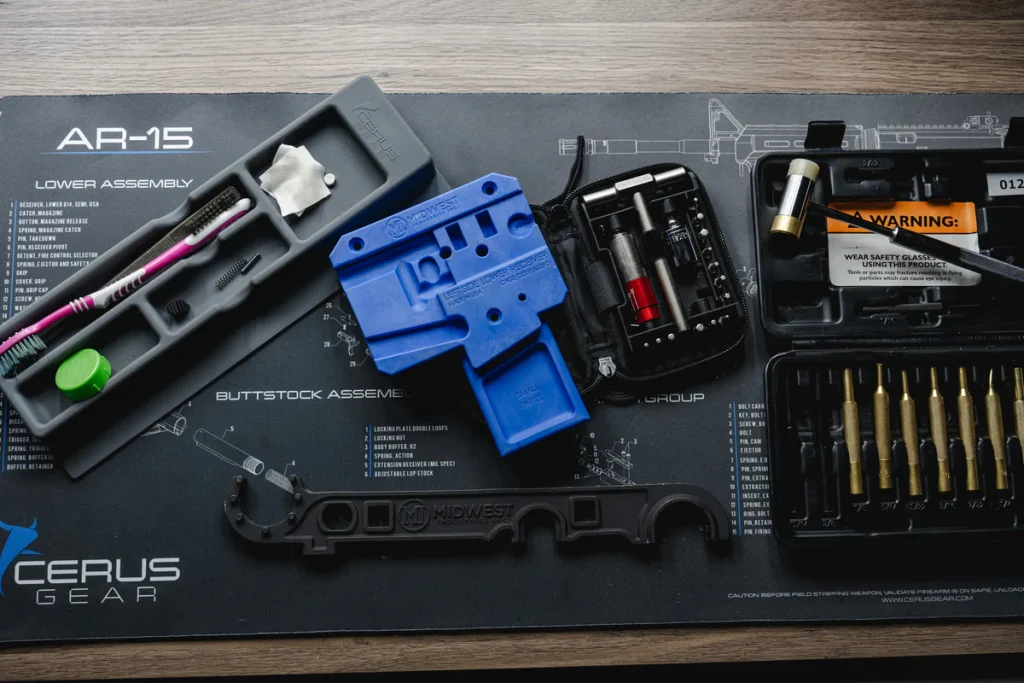
In rough conditions, extraction is where a marginal carbine often starts to unravel. The extractor has to hold the case through heat, fouling, and rapidly changing bolt speed, which is why durable springs, correct geometry, and robust materials matter so much. Reliability-focused engineering guidance consistently points to extractors as a critical stress point in the cycle. Small supporting parts can help as well. Strong extractor spring setups and related inserts are not glamorous upgrades, but they can widen the operating window when the rifle is dirty or the ammunition is inconsistent. Armorers generally prefer boring extraction over clever extraction.
8. Tolerance balance that leaves room for debris
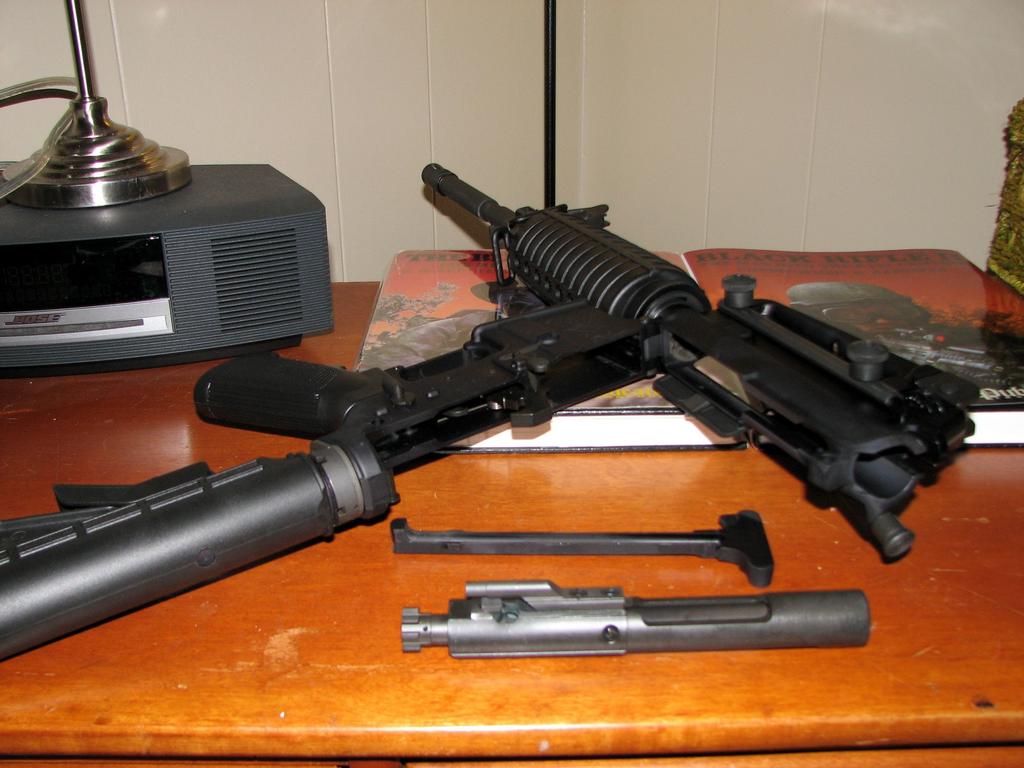
Precision machining improved modern rifles dramatically, but harsh-environment carbines are not built like match guns. Reliability literature repeatedly notes that service-oriented rifles typically allow a slightly looser fit so dirt, carbon, and grit have somewhere to go. That tradeoff can cost a little in ideal-condition smoothness, yet it pays back in operational consistency. This choice reaches across the entire carbine. Receiver fit, chamber dimensions, bolt-lug engagement, gas-port sizing, and magazine compatibility all have to work as a system.
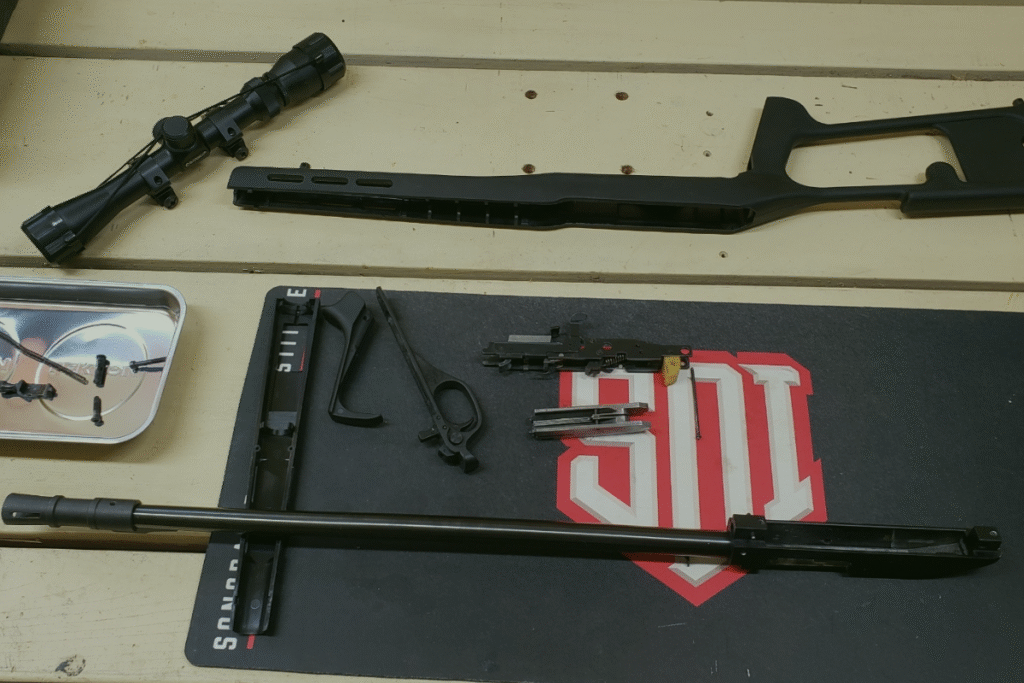
A rifle that is too tight can feel impressive on a clean bench. An armorer looking at rain, dust, and sustained round counts is usually looking for something else. The common thread through all eight choices is margin. Armorers favor carbines that resist rust, keep stable geometry, and cycle at a controlled pace with enough tolerance for fouling and enough strength in the extraction and feeding chain to survive hard use. That is rarely the flashiest formula. It is often the one that keeps the gun running when the environment stops being cooperative.


