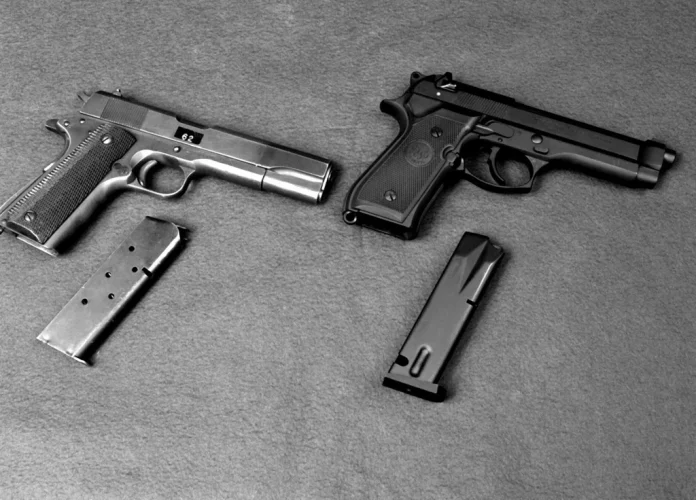

The modern service pistol did not arrive fully formed. It emerged through a series of mechanical leaps: stronger locking systems, safer carry methods, larger magazines, lighter materials, and simpler manual operation. Each major step changed what militaries and police agencies expected from a sidearm. Some designs mattered because they lasted. Others mattered because later pistols borrowed their key ideas. Together, these eight handguns trace the engineering path from early autoloaders to the polymer-framed, modular sidearms that define current service use.
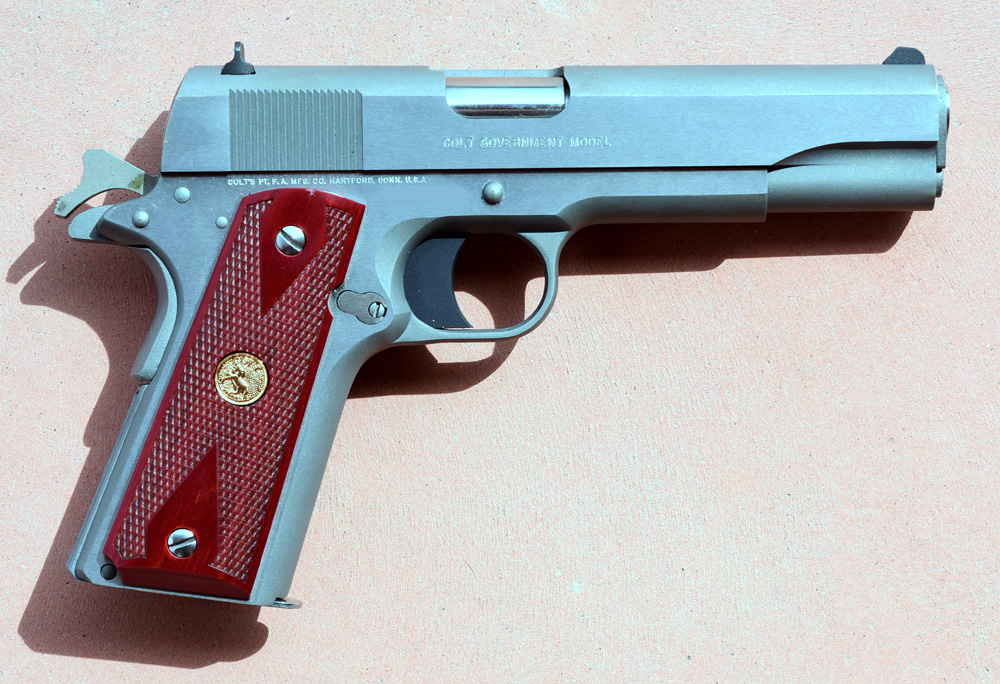
1. Colt M1911
The M1911 established the template for the fighting autoloader with a short-recoil, locked-breech system that proved durable enough to shape handgun engineering for decades. Designed by John Browning, it paired all-steel construction with a single-action trigger and a slim, controllable layout that remained influential long after its official service life. Its standard magazine was modest by later standards, but its mechanical architecture became a reference point for nearly every major service pistol that followed. The pistol’s significance went beyond longevity. It showed that a military sidearm could be rugged, repairable, and mechanically consistent under hard use. Browning’s work also helped normalize the idea that a pistol should be built around a coherent operating system rather than a collection of isolated features. The U.S. military kept it as a standard sidearm for 74 years, which says as much about the design’s staying power as any technical summary could.
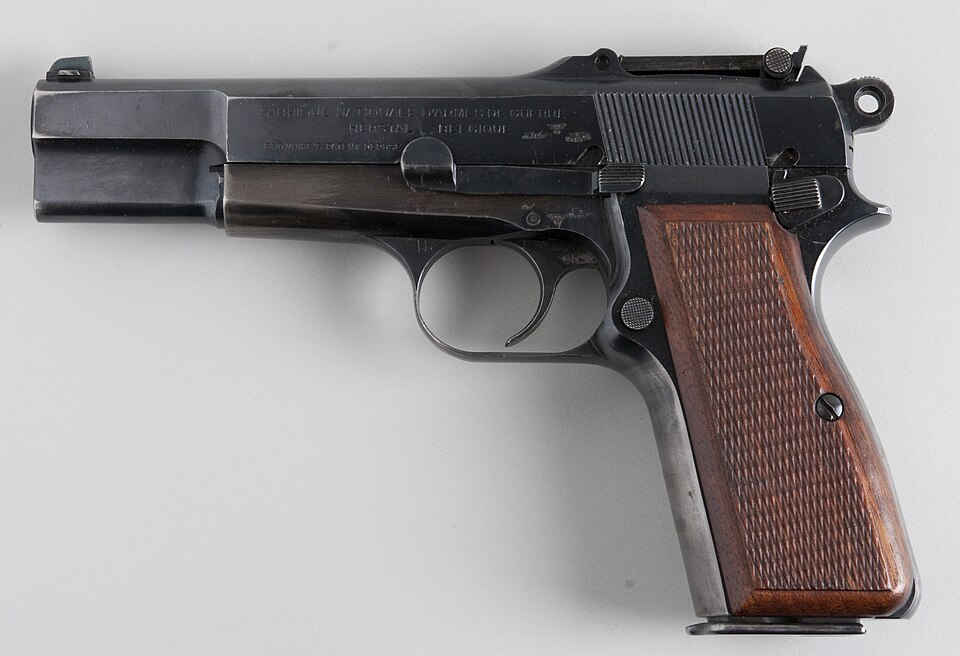
2. FN Browning Hi-Power
The Hi-Power changed the conversation by making magazine capacity a central service-pistol attribute. Developed from late Browning concepts and advanced by Dieudonné Saive, it introduced the successful double-column service magazine to a global audience. In finalized form, the pistol carried 13 rounds of 9mm, a major departure from the six-to ten-round norm that defined earlier military pistols. Its other contribution was subtler but just as important: it modernized the Browning locking concept with a linkless cam system. That reduced complexity while preserving reliable short-recoil function. The result was a pistol that combined good ergonomics, practical capacity, and broad military adoption. According to the reference material, it became the first successful military pistol to use a large-capacity magazine, a feature that became standard in later service handguns.
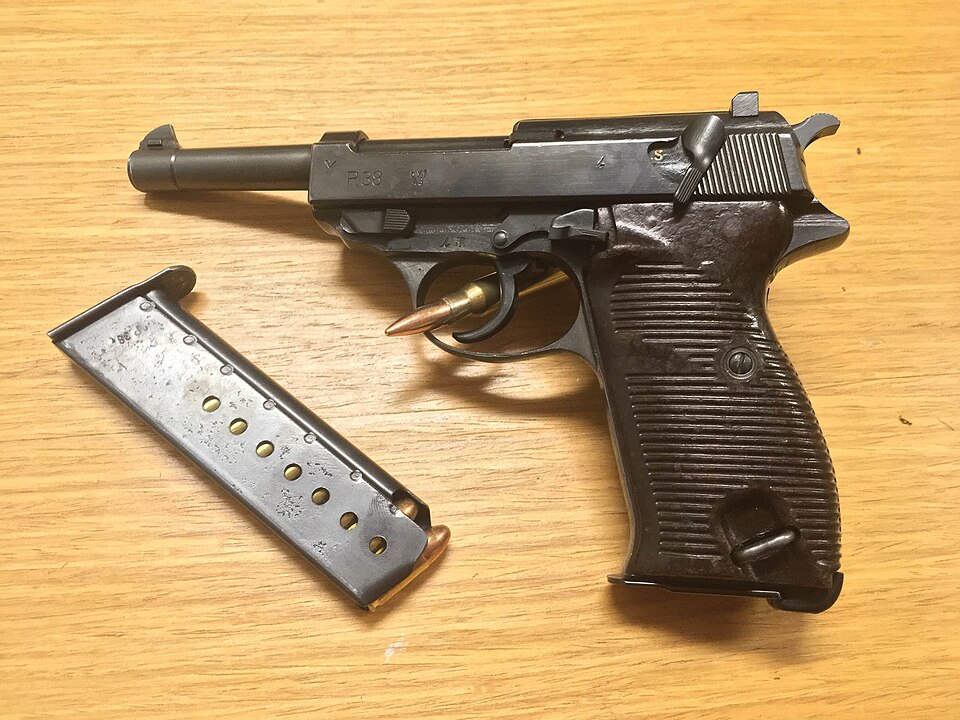
3. Walther P.38
The P.38’s real breakthrough was not capacity or materials but trigger logic. It was the first double-action/single-action pistol adopted by a major military power, allowing a loaded chamber with the hammer down and a longer, deliberate first trigger pull. That solved a practical problem older single-action service pistols never handled elegantly: readiness without the awkwardness of manual chambering or administrative unloading after every carry cycle. Its decocker-safety system mattered just as much. Combined with a locked-breech action and a loaded-chamber indicator, the P.38 pushed service-pistol design toward safer carry and faster deployment. Many later “wonder nines” built their reputations on the same general logic.
4. Beretta 92
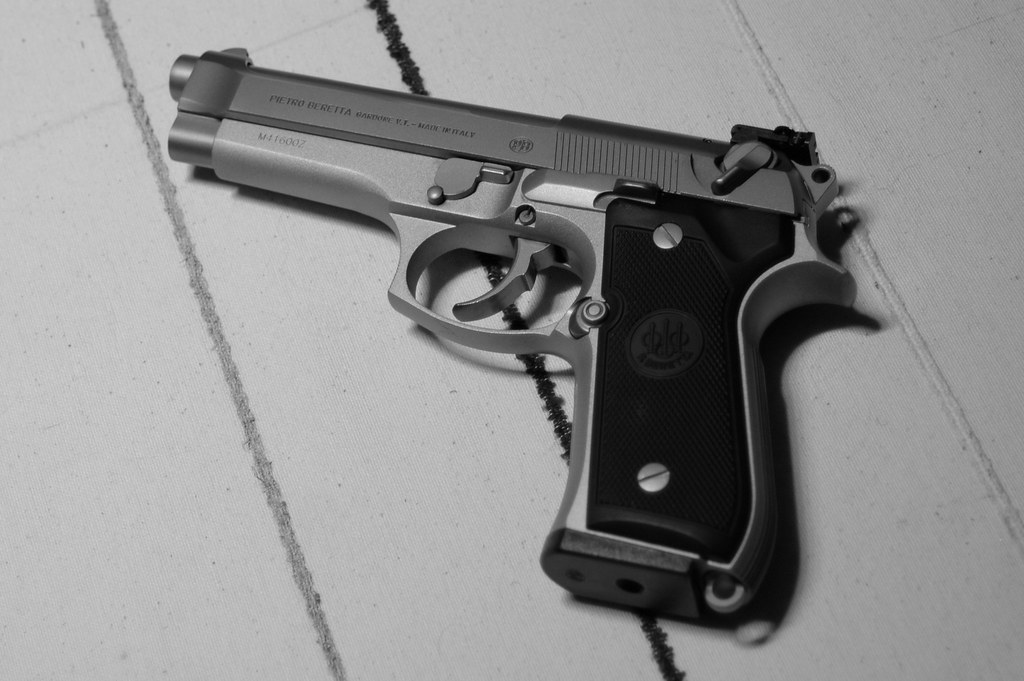
The Beretta 92 took several earlier ideas and turned them into a late-20th-century service standard. It blended a DA/SA system, 15-round magazine, aluminum frame, and Beretta’s open-top slide into a package that was large but easy to run. The open slide helped feeding and ejection, while the evolved locking-block system traced part of its lineage to earlier Walther concepts. Its importance was institutional as much as mechanical. After NATO standardization pressures and repeated U.S. trials, the design entered American service as the M9 in 1985 and helped cement the high-capacity 9mm service pistol as the Western norm. Accessory-ready later variants also marked the growing expectation that a duty handgun should accommodate lights and other mission hardware.
5. Glock 17
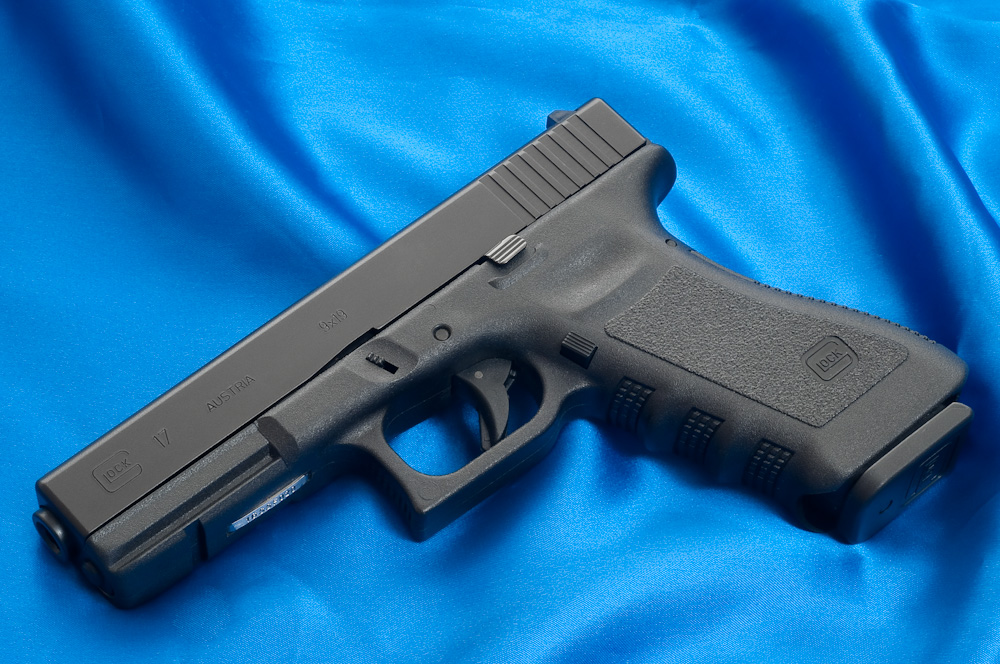
The Glock 17 redrew the map. It combined a striker-fired system, polymer frame, simplified parts count, and passive internal safeties in a pistol that treated ease of manufacture and ease of training as engineering goals rather than side benefits. In service-pistol history, this was the moment when “modern” stopped meaning improved steel and started meaning a different production philosophy. Its frame and several internal components used polymer, reducing weight and corrosion concerns while allowing a high-capacity layout without an excessively bulky grip. The design also introduced Glock’s “Safe Action” approach, replacing external manual safeties with layered internal safeties and a consistent trigger pull. After the Austrian trials, it was adopted as the Pistole 80, and the wider industry soon followed its lead.
6. Walther PP
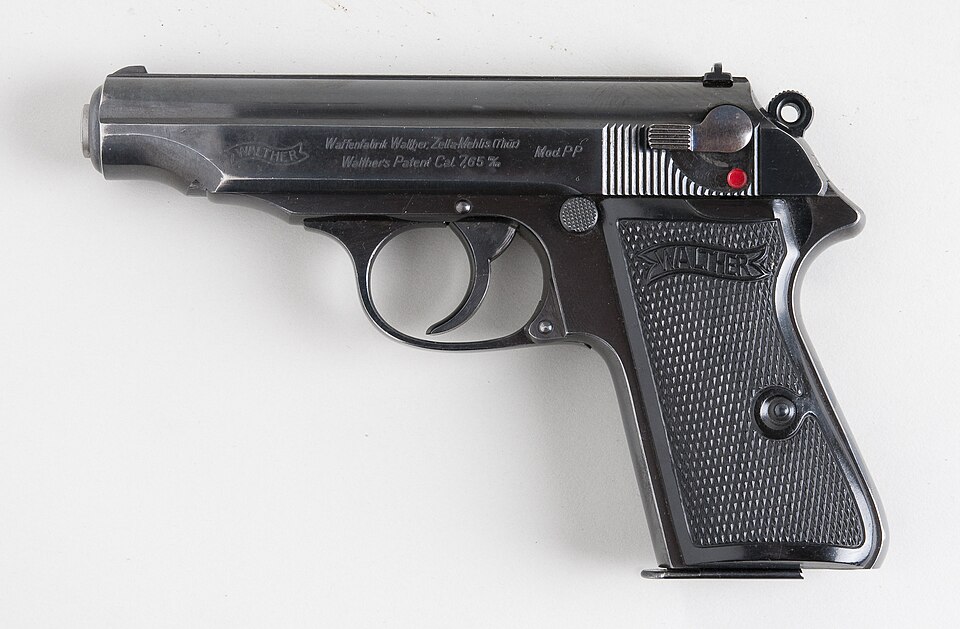
The Walther PP rarely gets the same spotlight as battlefield service pistols, yet its importance is hard to overstate. Introduced in 1929, it was the first successful DA/SA self-loading pistol, proving that a semiautomatic sidearm could offer revolver-like first-shot readiness with self-loading speed on follow-up shots. That idea later scaled upward into service calibers and duty-size pistols. In engineering terms, the PP helped establish the operating logic later refined by the P.38 and many postwar police pistols. It showed that carry safety, rapid first-shot availability, and a self-loading mechanism did not need to be conflicting design goals.
7. Colt Model 1900/FN Model 1900 Line
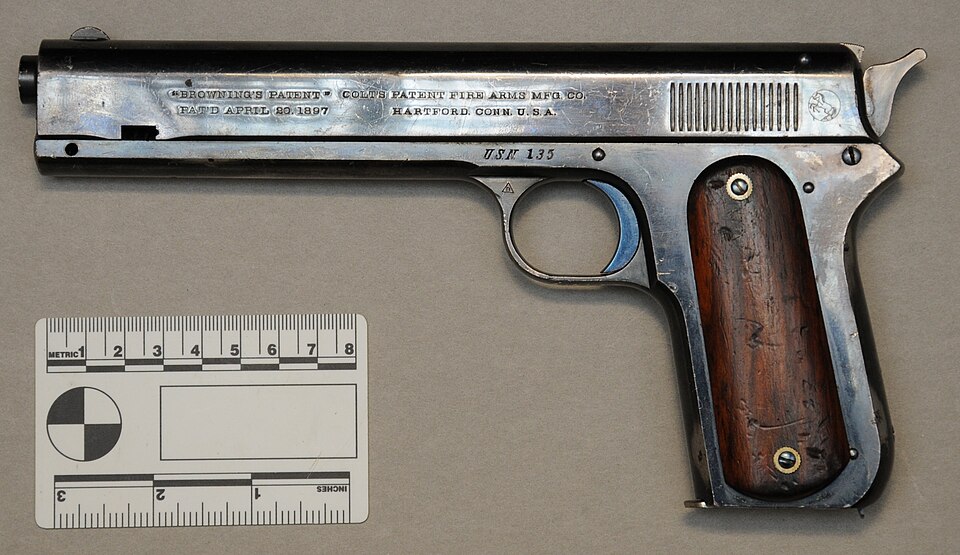
Before the classic service pistols took shape, Browning’s early autoloaders supplied the mechanical foundation. The FN Model 1900 brought one of the first widely successful self-loading pistol layouts to market, and Browning’s early Colt automatics advanced the path toward the locked-breech military pistol. These handguns were transitional, but transition is where modern handgun engineering really began. They normalized the semiautomatic sidearm at a time when revolvers still dominated official thinking. Browning’s broader output was immense; the reference material notes he received 128 firearm patents. That scale of invention helps explain why so many later service pistols feel like branches from the same trunk.
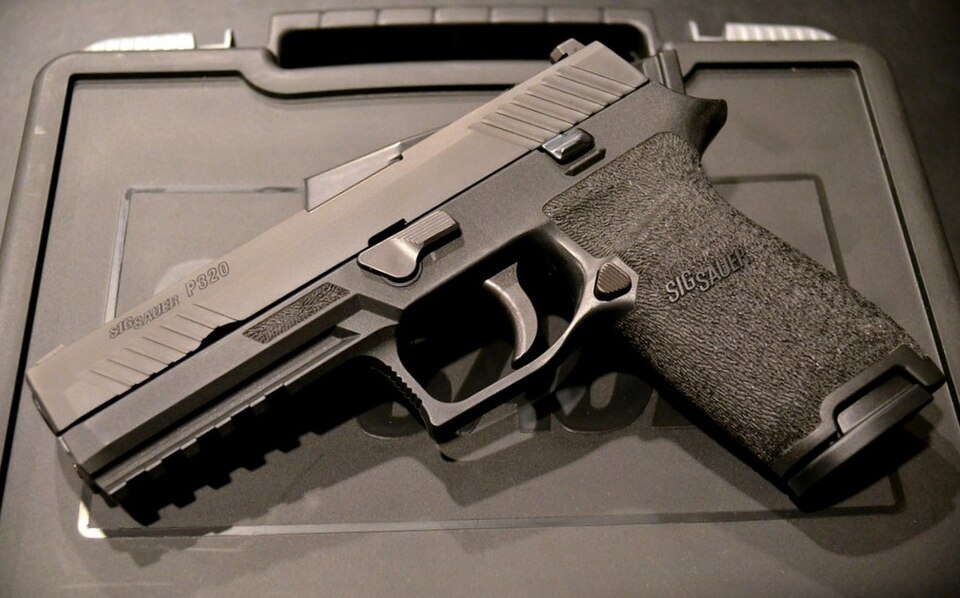
8. SIG Sauer P320/M17
The most recent major shift has been modularity, and the P320 brought that concept into front-line service form. Rather than treating frame size, grip shape, and slide configuration as fixed, the design centered the serialized fire-control unit and let the rest of the pistol adapt around it. That approach changed the definition of what a service sidearm could be inside an armory system.

When adopted by the U.S. military as the M17, the design also confirmed how fully striker-fired pistols had displaced the old DA/SA service norm. It represented a sidearm built for optics, accessories, unit-level configuration changes, and maintenance logic that reflects present-day procurement thinking rather than Cold War assumptions. These pistols did not all solve the same problem. Some improved readiness, some increased capacity, and some changed materials, manufacturing, or training doctrine. That is exactly why they matter.
Modern service pistols still carry Browning DNA, still reflect Walther’s safety logic, still borrow from Beretta’s duty-gun refinement, and still operate in the shadow of Glock’s polymer revolution. The newest designs are less a break from the past than the latest stage in a century-long engineering argument over what a sidearm should be.


