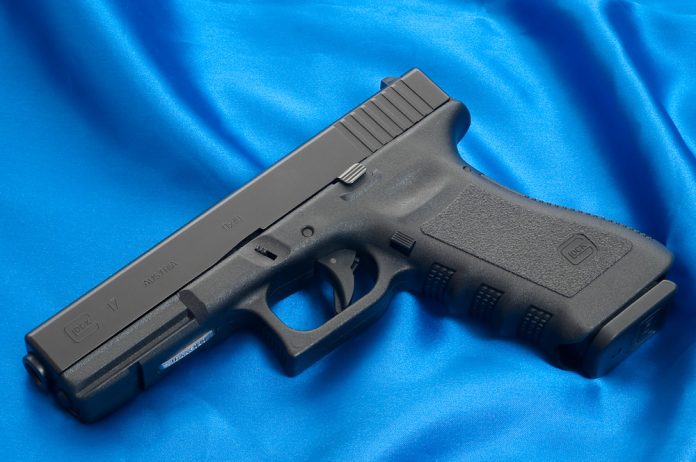
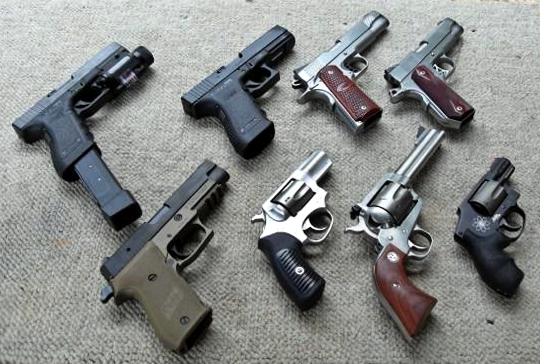
Police sidearms changed for the same reason most duty gear changes: materials science finally caught up with field demands. For decades, steel revolvers and steel-framed pistols defined what a serious service handgun looked like. Then polymer-framed pistols arrived and steadily rewrote the standard.
The shift was not about novelty. It was driven by weight, durability, capacity, ergonomics, and the practical reality that an officer may carry the same sidearm for an entire shift, in every season, with limited tolerance for rust, stoppages, or awkward handling.
1. Less Weight Matters on a Full Duty Belt
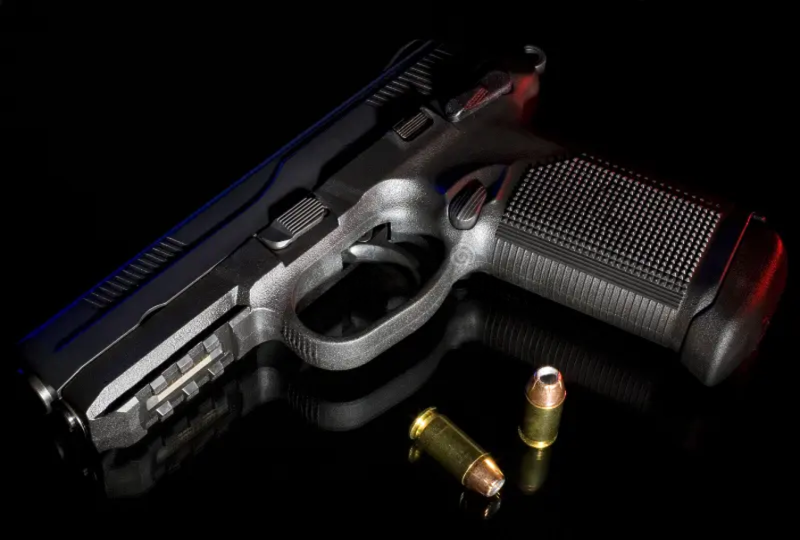
A steel handgun can feel manageable at the gun counter and very different after eight or 10 hours on patrol. Polymer frames cut significant weight from a duty pistol without changing its basic role, and that matters when the gun rides alongside radios, cuffs, lights, and other belt-mounted equipment.
Reference material comparing steel and polymer sidearms notes that a traditional all-steel pistol can weigh 36 ounces unloaded, while lighter polymer alternatives reduce that burden substantially. The advantage is not theoretical. Lighter sidearms are easier to carry all day, easier to support in alternate carry positions, and less fatiguing over long shifts.
2. Polymer Resists Rust, Solvents, and Harsh Environments
Steel remains strong, but it also demands vigilance. Sweat, rain, humidity, oils, and cleaning chemicals all become part of a duty gun’s service life. Polymer frames brought an immediate materials advantage because they do not corrode the way blued or stainless steel components can.
That resistance was one of the central arguments behind the rise of modern polymers with strong wear and solvent resistance. In day-to-day use, that meant less concern about moisture trapped beneath grip panels, less finish deterioration on the frame itself, and fewer maintenance headaches in hot or wet climates. Duty pistols still need care, but polymer reduced one of the oldest enemies of a holstered sidearm.
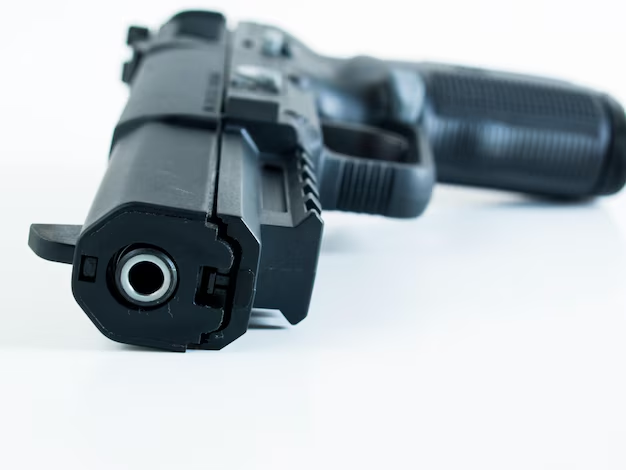
3. Higher Capacity Arrived Without an Oversized Grip
Older service revolvers often gave officers five or six rounds in the gun. Steel semiautos improved that picture, but polymer helped designers package more ammunition into duty-sized pistols without turning them into bricks.
Molded frames allowed grip shapes that did not require separate grip panels, leaving more room for magazine geometry. That helped agencies move toward high-capacity service pistols while keeping grip bulk within a usable range. The change mattered because sidearm doctrine was evolving at the same time, with departments no longer satisfied by the limited onboard ammunition that had defined the revolver era.
4. Grip Design Became Easier to Fit to More Officers
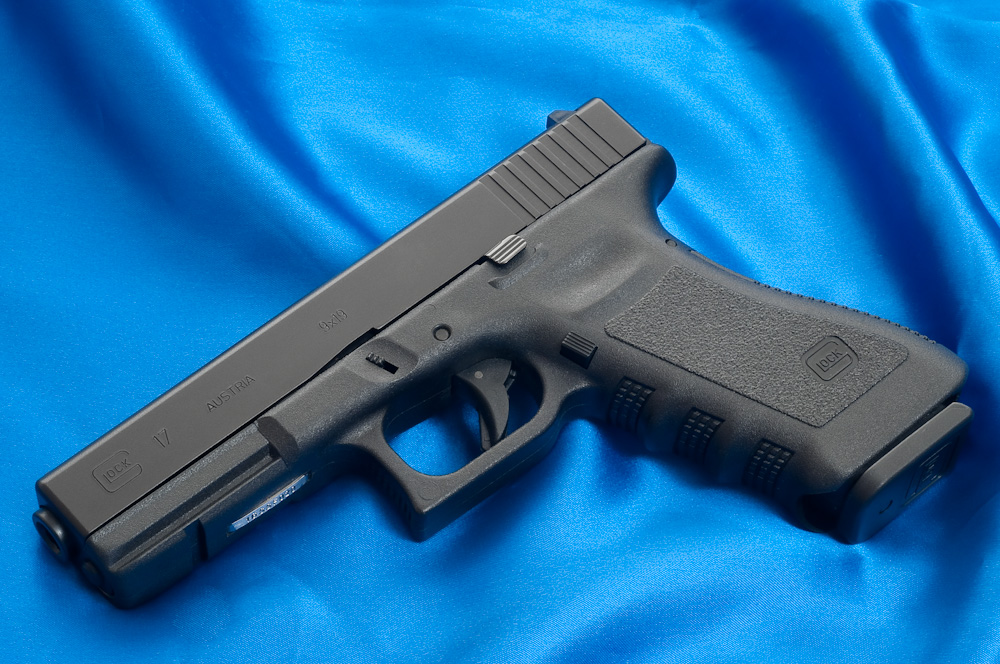
Police handguns are issued across a wide range of hand sizes, shooting experience, and grip strength. Steel frames can be shaped well, but polymer opened far more flexibility in contouring, texturing, and modular fit.
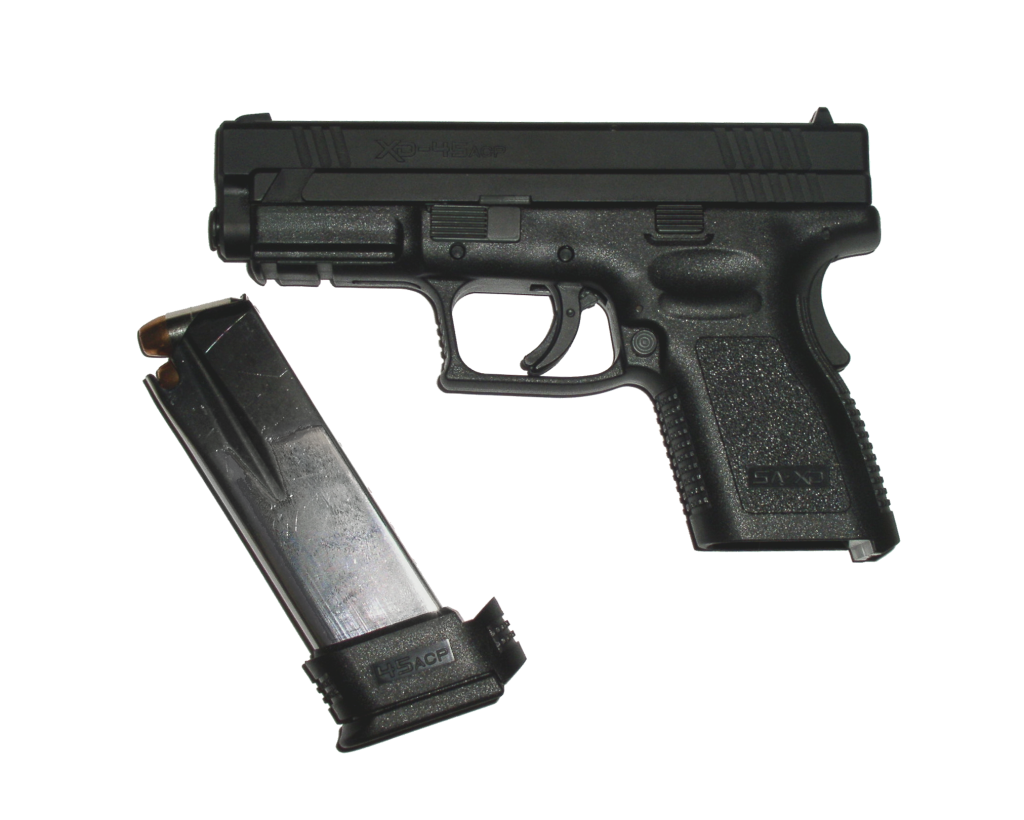
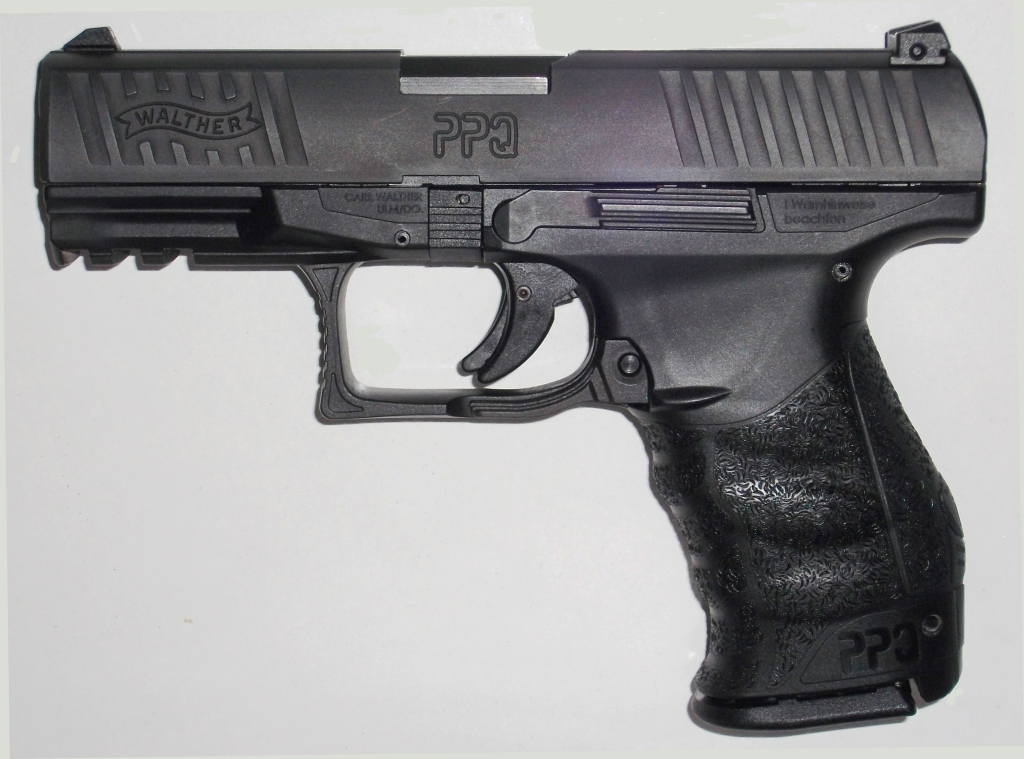
Some major duty models added interchangeable backstraps and ambidextrous or reversible controls, features highlighted in testing of police-oriented polymer pistols such as the Glock 17, H&K P2000, Springfield XD, and Smith & Wesson M&P. Better fit improves trigger reach, recoil control, and reload speed. For agencies equipping large workforces, that adaptability is a logistical advantage as much as an ergonomic one.

5. Reliability Testing Gave Agencies Confidence
Early skepticism around “plastic pistols” was intense, but it faded when the guns kept working. Durability claims turned into adoption once repeated range use, environmental testing, and agency trials showed that polymer-framed pistols could survive hard service.
One often-cited example came from Austrian military testing of the Glock 17, where the standard called for 10,000 rounds with no more than 20 stoppages and the pistol reportedly malfunctioned once. In a separate comparison of police-oriented polymer pistols, testers fired almost 600 rounds through each pistol with only one malfunction, and that problem was traced to a defective magazine in the steel comparison gun rather than the polymer entries. Results like that helped turn suspicion into procurement policy.
6. Recoil Characteristics Improved Practical Shooting
Heavier steel guns have long been valued for soaking up recoil, but polymer introduced a different mechanical benefit. The frame can flex slightly under recoil, softening part of the impulse before it reaches the shooter’s hands.
That trait was specifically noted in evaluations of polymer frames that absorb some recoil pulse. For duty use, the benefit is not about comfort alone. Faster follow-up shots, easier qualification for a broader range of officers, and more controllable shooting under pressure all support the move toward polymer service pistols.

7. The Shift Happened Alongside a Broader Move to Modern Semiautos
Polymer did not replace steel in isolation. It arrived just as law enforcement was already leaving revolvers behind and embracing semiautomatic pistols with greater onboard ammunition, faster reloads, and more contemporary control layouts.
Historical reviews of police sidearms show that by the early 1990s most U.S. agencies had transitioned from revolvers to semi-autos. Polymer-framed pistols entered that moment with a compelling package: lighter weight than metal-framed competitors, proven reliability, accessory rails, modern finishes, and streamlined manufacturing. According to one industry estimate, more than 60 percent of American police officers were already carrying some form of polymer-frame pistol as that transition matured.
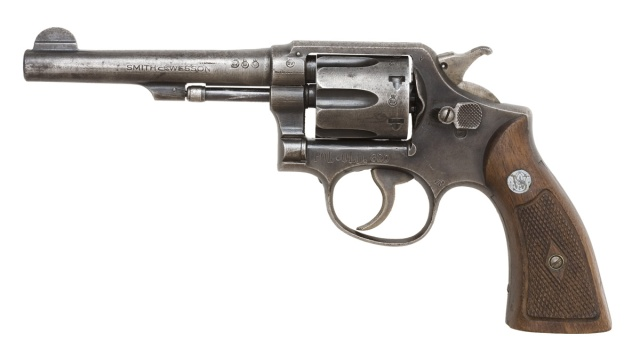
Seen in that broader context, polymer was not merely a new material. It became the most efficient platform for the service pistol that departments already wanted. Steel handguns never disappeared, and many remain respected for longevity, shootability, and tradition. But for agencies choosing a sidearm to issue widely, carry daily, and maintain economically, polymer answered more operational questions at once. That is why the duty holster changed.


