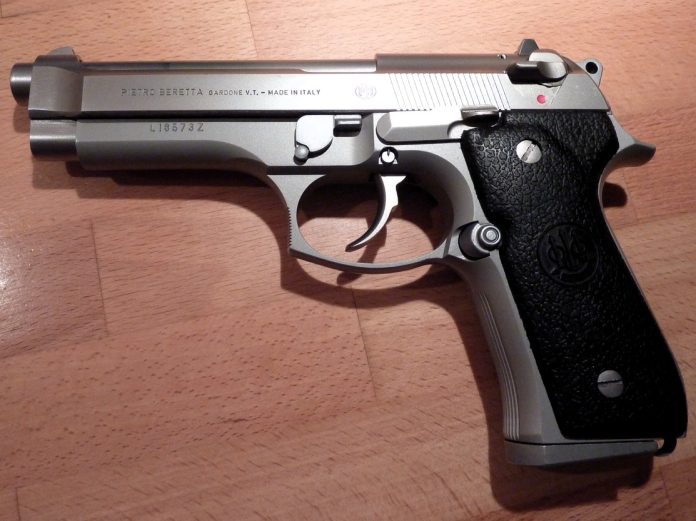
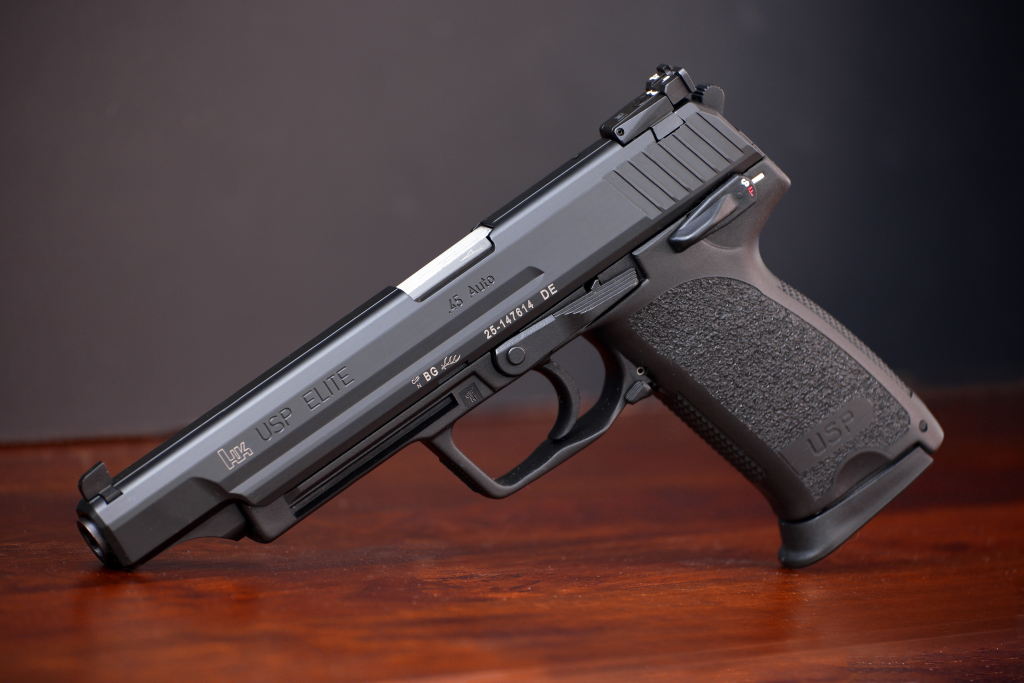
Polymer handguns dominate the modern service-pistol market, but they did not erase the value of steel and alloy. Some older sidearms stayed relevant because weight can steady recoil, rigid frames can deliver consistent handling, and mature designs come with institutional knowledge that keeps them running through long service lives.
That is why a handful of classic metal pistols still matter. Their appeal is less about nostalgia than about engineering that proved durable under hard use, with controls, lockwork, and support systems that serious users learned to trust.
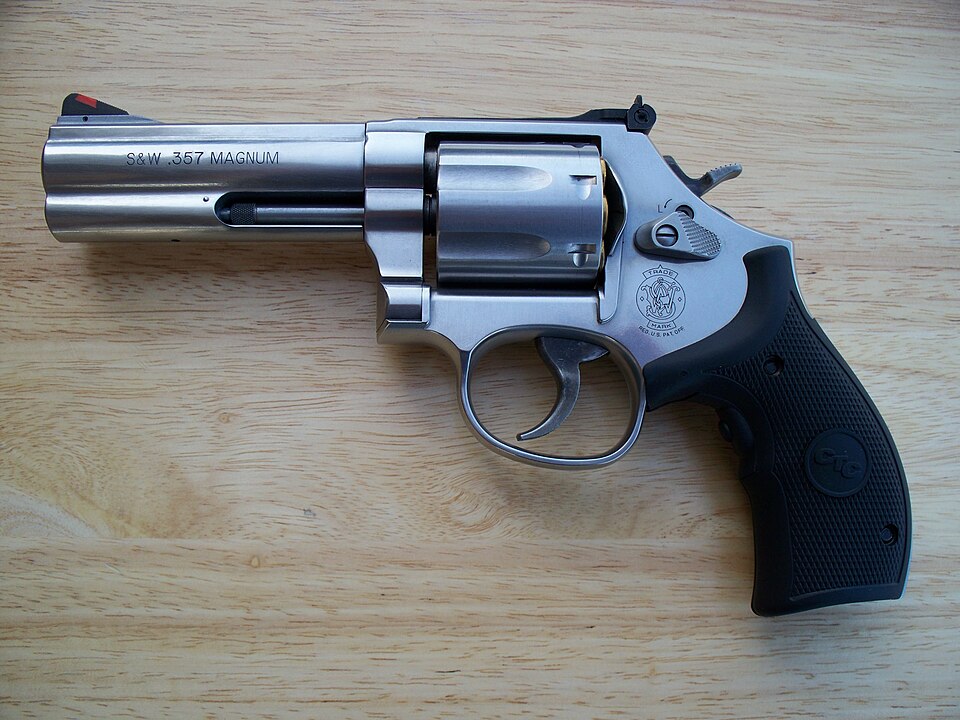
1. Smith & Wesson Model 686
The Model 686 represents the heavy-duty revolver at its most refined. Built on Smith & Wesson’s L-frame and chambered for .357 Magnum, it was designed to handle a steady diet of full-power ammunition without loosening up as quickly as lighter revolvers. Its stainless-steel construction also gave it a reputation for shrugging off hard field use and long training cycles.
The revolver’s mass is the real story. That weight helps absorb recoil, making fast follow-up shots more manageable than many shooters expect from magnum loads. Adjustable sights and durable lockwork added to its long service reputation, while the platform’s simple manual of arms removed dependence on magazines and feed geometry. Capacity and reload speed never matched semiautos, but the 686 earned respect for mechanical consistency rather than volume of fire.
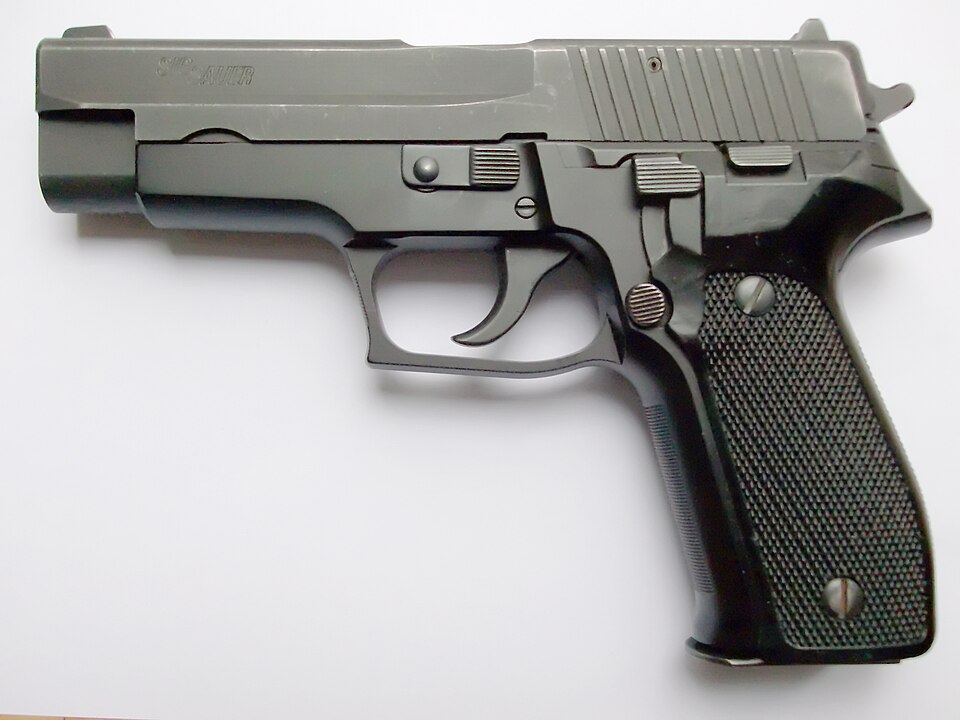
2. SIG Sauer P226
The P226 was shaped by the U.S. military’s XM9 competition and emerged as one of the era’s benchmark duty pistols. Its alloy frame, double-action/single-action trigger system, and decocking lever created a format that balanced safe carry with fast practical handling. At roughly 34 ounces, it carried enough weight to keep a full-size 9mm settled during rapid fire.
Its reputation hardened through specialized service, especially long service with U.S. Navy SEAL teams. Later military-oriented versions such as the Mk25 added corrosion-resistant features for salt air and wet environments, reinforcing the pistol’s image as a sidearm built for abuse rather than trends. The P226 also benefited from strong ergonomics and a broad parts-and-magazine ecosystem, which helped it remain relevant long after polymer rivals took over much of the market.
3. Beretta 92/M9
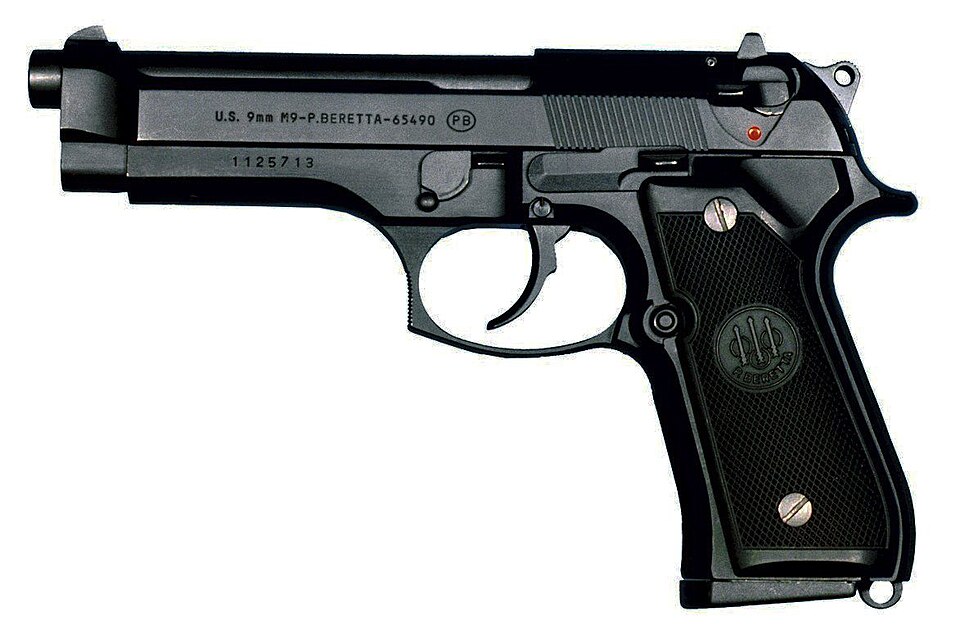
The Beretta 92 family became one of the most recognizable service pistols in the world because it scaled well across large organizations. Its open-slide architecture and locking-block system contributed to smooth feeding and ejection, while the full-size alloy frame made the gun notably soft-shooting for a duty 9mm.
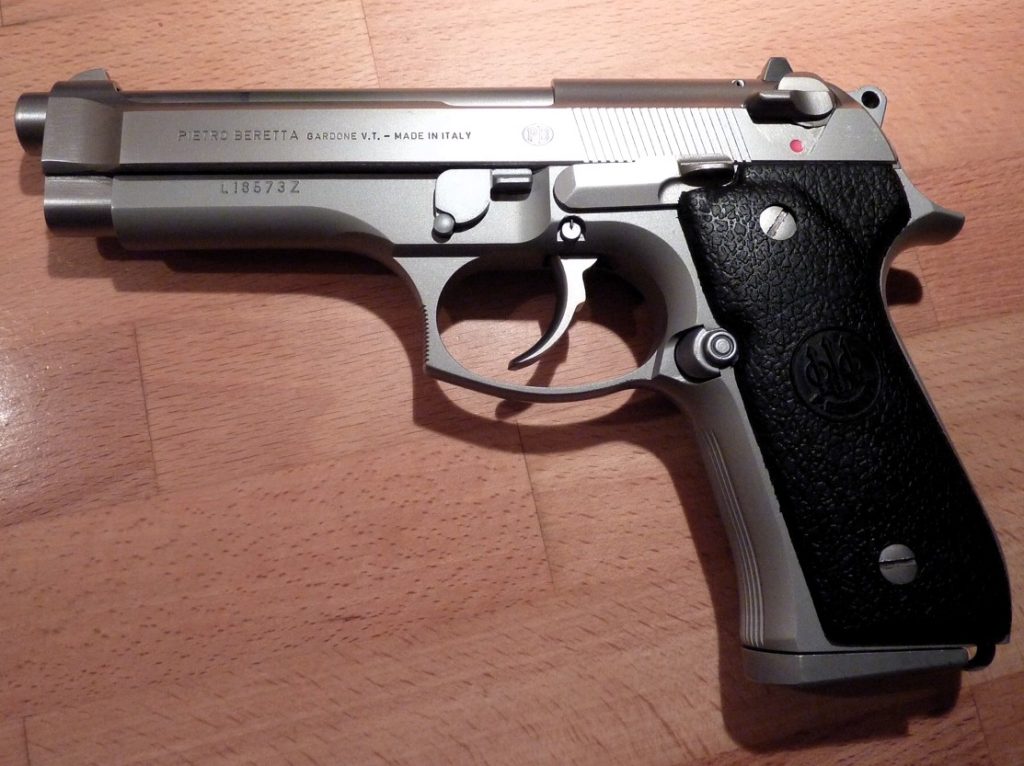
The design entered a different league when the U.S. military adopted it as the M9 in 1985. That decision created a vast support structure of training doctrine, spare parts, magazines, and armorer familiarity. Over time, the platform evolved through variants with rails, improved sights, and revised ergonomics. The deeper lesson is that the Beretta 92 endured not because it stayed frozen in time, but because its basic architecture was adaptable enough to keep pace with changing service requirements.
4. CZ 75
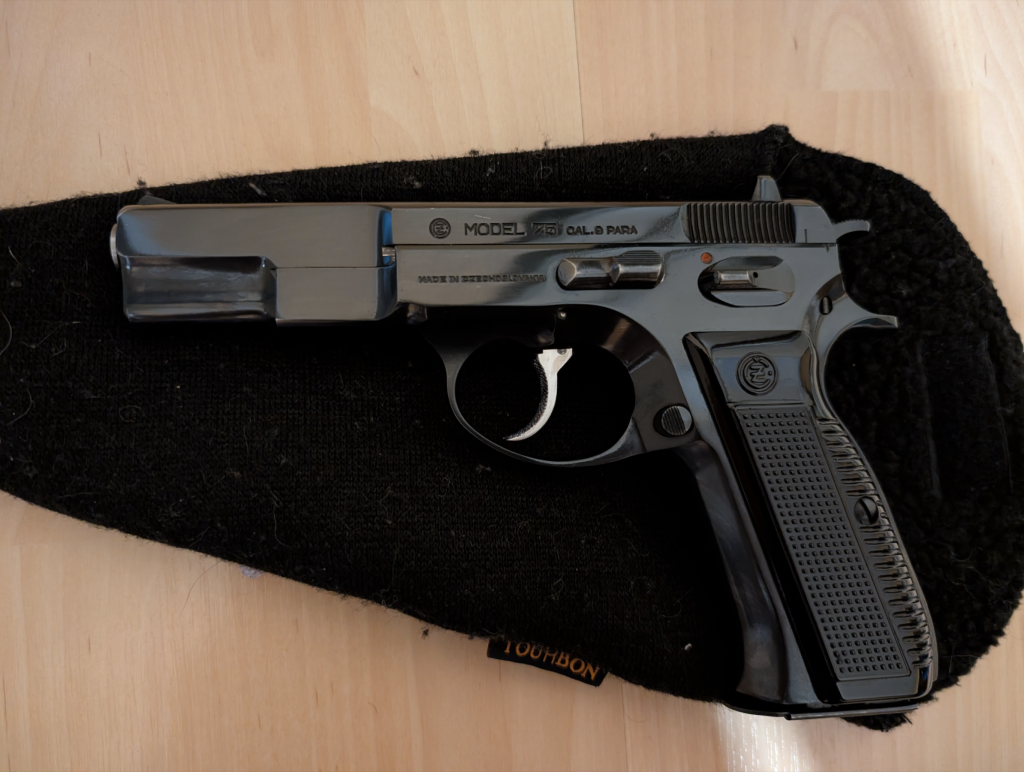
When the CZ 75 appeared in 1975, it brought together several traits that later became highly influential. Its all-steel frame gave it stability, and its internal slide rails created a distinctive feel in recoil and slide travel. Combined with a Browning-type linkless cam system and DA/SA operation, the pistol developed a lasting reputation for accuracy and controllability.
The design spread widely in part because Cold War politics limited international patent protection, leading to a long list of clones and derivatives. That widespread copying only underscored how effective the original layout was. The grip shape remains one of the platform’s biggest strengths, and many shooters still regard it as a natural pointer. Even decades later, the CZ 75 remains a reference point for how a steel service pistol can blend balance, shootability, and durability.
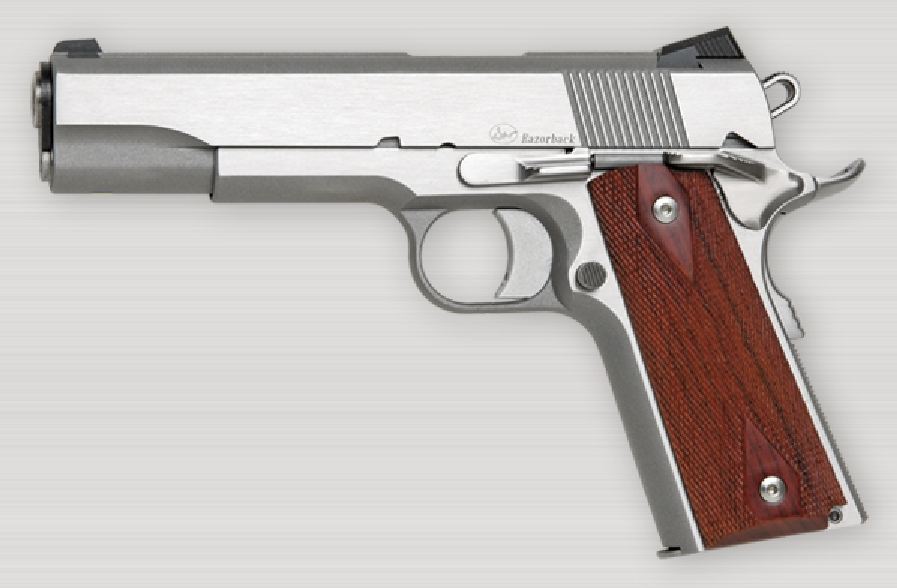
5. M1911 / 1911A1
The M1911 still defines what many shooters expect from a single-action service pistol. Its slim profile, straight-to-the-rear trigger, and predictable recoil impulse made it an enduring benchmark for shootability. The design earned early confidence through brutally demanding trials, including a 6,000-round endurance test that became part of firearms history.
Its long afterlife in specialized circles came with conditions. The 1911 can perform exceptionally well, but it rewards disciplined upkeep, quality magazines, and knowledgeable armorers. That is one reason it remained more practical in specialized units than in huge institutions. The later 1911A1 refinements improved ergonomics, but the platform’s core appeal stayed the same: excellent trigger control, a naturally pointable frame, and a mechanical layout that still feels relevant when maintained properly.

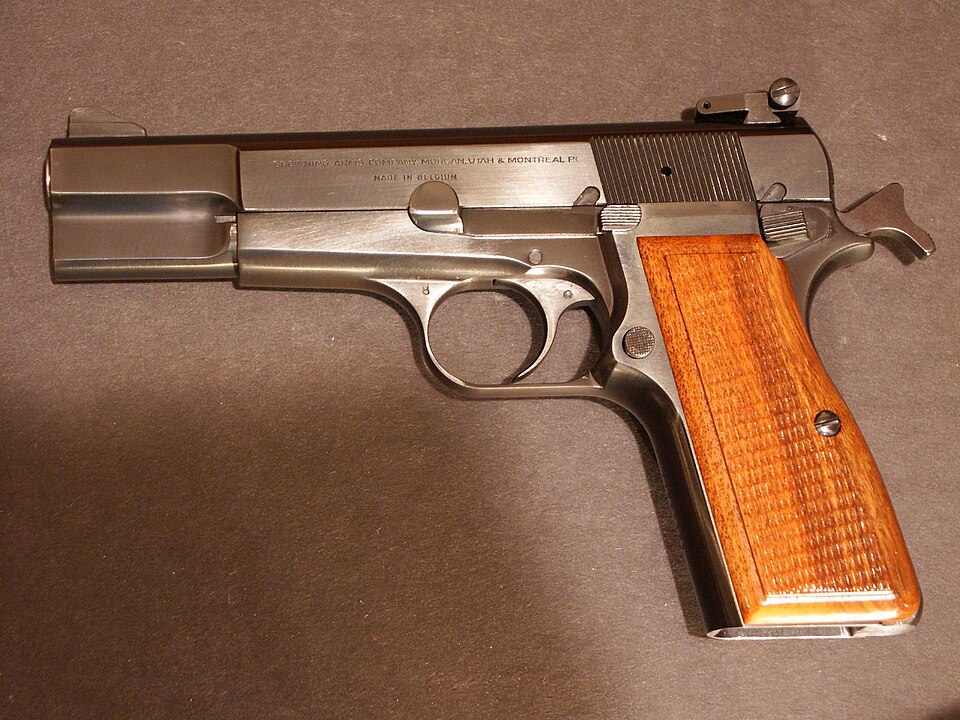
6. Browning Hi-Power
The Browning Hi-Power stands out as one of the clearest bridges between early service pistols and the later high-capacity era. Its 13-round double-stack magazine was a major step forward for its time, yet the pistol stayed relatively slim and well balanced in the hand. That combination gave it an influence far beyond its age.
The design’s longevity came from more than magazine capacity. Its single-action trigger and excellent grip geometry helped it shoot quickly and accurately, while later updates such as the move to an external extractor in 1962 improved durability and reliability. The manual safety demanded training, but the payoff was a pistol that showed how a metal-frame sidearm could carry more rounds without becoming bulky. For many later “wonder nine” pistols, that was the blueprint.
These pistols lasted because their engineering choices kept paying dividends. Heavier frames reduced drama in recoil, mature designs simplified support, and proven controls let users build skill around guns that behaved the same way year after year. Even in a polymer-heavy era, these six sidearms still explain why classic metal pistols never fully disappeared from serious conversations.


