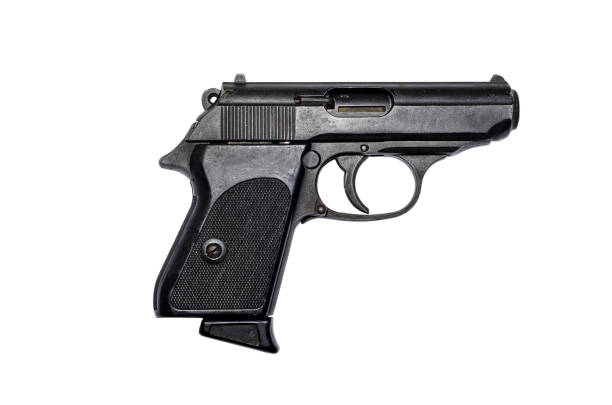
The 9mm pistol did not become a long-running standard by accident. Across service carry, concealed carry, and range use, the cartridge kept rewarding the same engineering priorities: manageable recoil, useful capacity, and platforms that could be adapted without becoming overly complex.
Some handguns became benchmarks because they solved those problems so well that later designs kept borrowing the answers. These ten pistols still matter because their layouts, controls, materials, and ergonomics continue to show up in the DNA of current 9mm handguns.
1. Glock 19
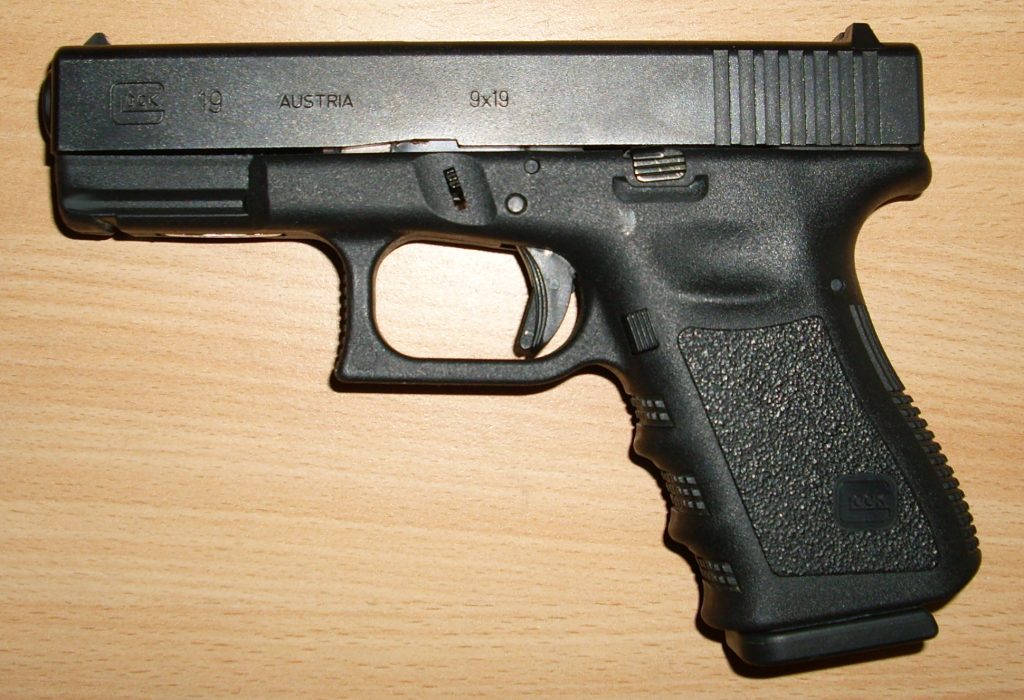
The Glock 19 remains one of the clearest examples of a pistol that balances concealment and full-duty usefulness without leaning too far in either direction. That compact format proved unusually durable as a design idea: large enough for practical handling, small enough for routine carry, and simple enough to support massive institutional use.
Its long-term influence is broader than dimensions alone. The Glock 19 normalized the idea that one handgun could cover training, defense, and daily carry with minimal compromise. Later compact 9mm pistols have largely chased that same formula rather than replacing it.
2. Glock 17
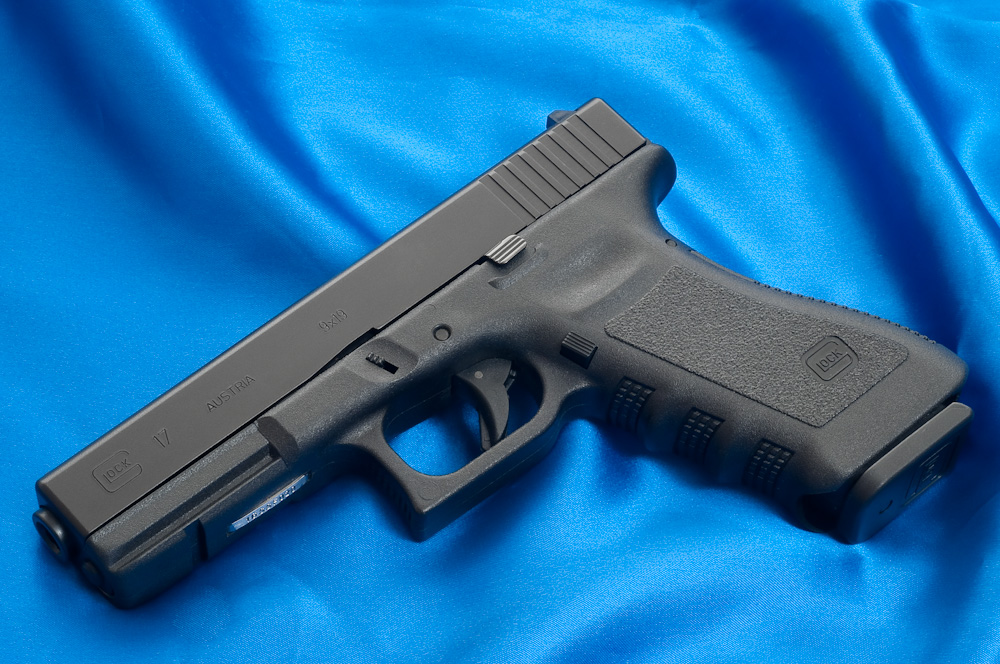
The Glock 17 changed expectations for what a service pistol could be. Introduced for Austrian military requirements in the early 1980s, it paired a polymer frame with a striker-fired system at a time when metal-framed DA/SA pistols still defined the category. Its name came from Glock’s 17th patent, not magazine capacity.
More important was the design logic behind it: fewer parts, straightforward maintenance, light overall weight, and repeatable function. Endurance testing cited in modern coverage has shown Glock pistols routinely exceeding 30,000 rounds with maintenance focused mostly on normal wear items, which helps explain why the platform still anchors police, military, and civilian use decades later.
3. Browning Hi-Power
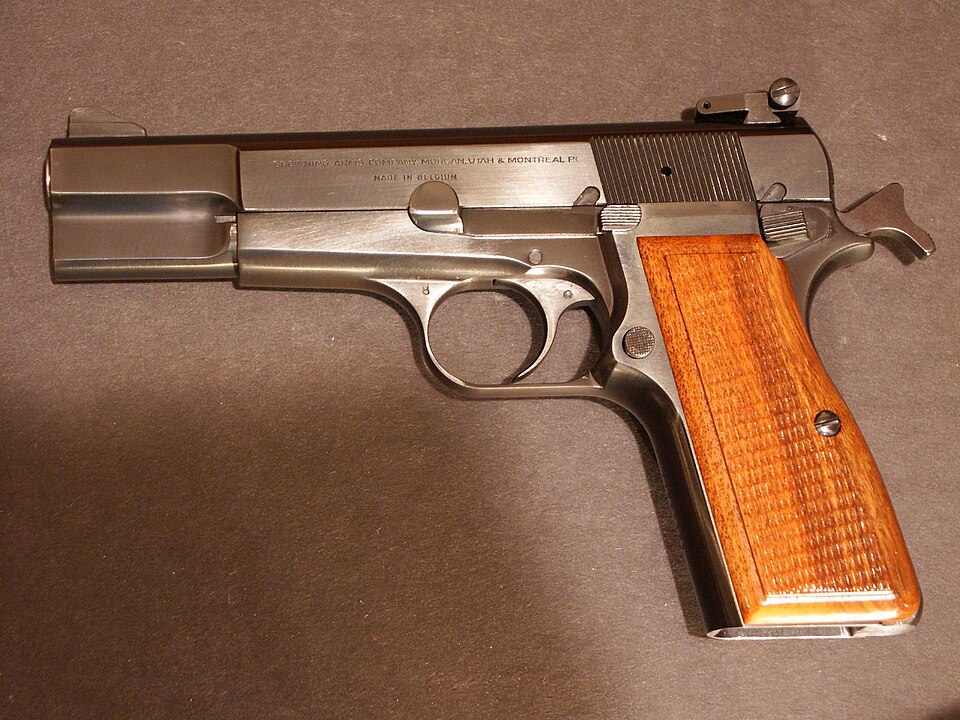
The Hi-Power made high-capacity 9mm service pistols feel practical rather than bulky. Its double-stack magazine and notably natural grip shape gave shooters more ammunition without turning the pistol into an awkward brick, and that was a major engineering lesson for the generations that followed.
Its single-action trigger and slim feel also helped it remain relevant long after many other early service pistols became historical footnotes. The Hi-Power’s lasting significance is that it showed capacity and shootability could coexist in one handgun.
4. Beretta 92
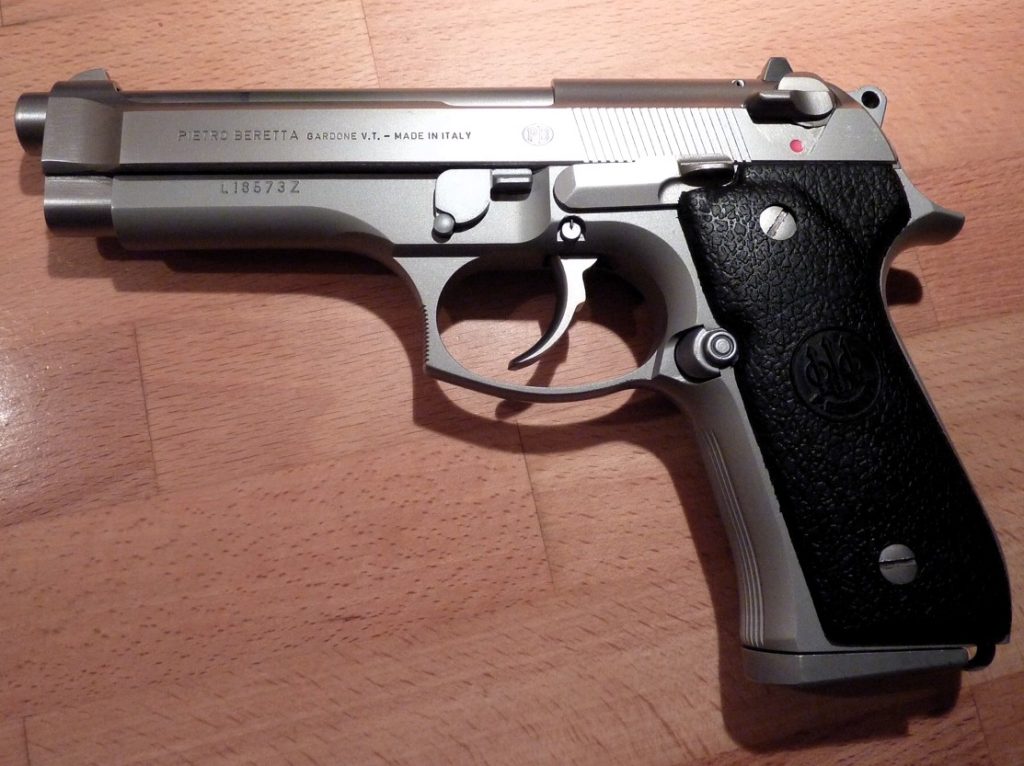
The Beretta 92 earned its place through longevity, reliability, and an unusual ability to evolve while staying recognizably the same pistol. Beretta began producing the Model 92 in 1976, combining an alloy frame, open-slide profile, and falling-block system into a full-size 9mm that would become one of the defining “Wondernines.”
The open slide was especially important because it helped reduce stovepipe malfunctions while keeping the pistol light for its size. After the U.S. military adopted the M9 in 1985, the design became far more than a service sidearm. It turned into a family of pistols that kept absorbing changes in controls, rails, sights, grip geometry, and magazine design. Recent descendants such as the M9A4 and 92X show how a decades-old platform can absorb optics-ready and rail-equipped updates without abandoning its core mechanical identity.
5. Sig Sauer P226
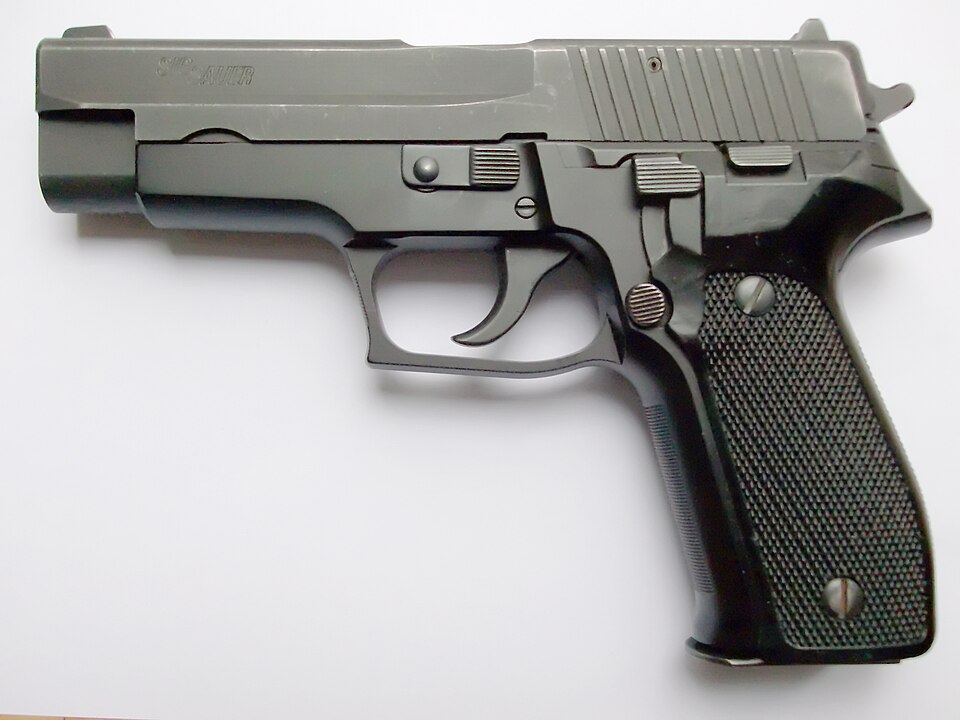
The P226 became a standard for metal-frame durability and controllability in hard use. Even where lighter polymer pistols gained market share, the P226 held a strong reputation for precise handling, corrosion resistance, and dependable operation under difficult conditions.
Its service record added to that image. The pistol entered SEAL service in 1989 as the Mk. 25, and later variants added rails and night sights without changing the basic layout that made the gun so enduring. The key lesson from the P226 is that a legacy pistol survives by accepting new accessories while preserving the handling qualities that made it trusted in the first place.
6. CZ 75
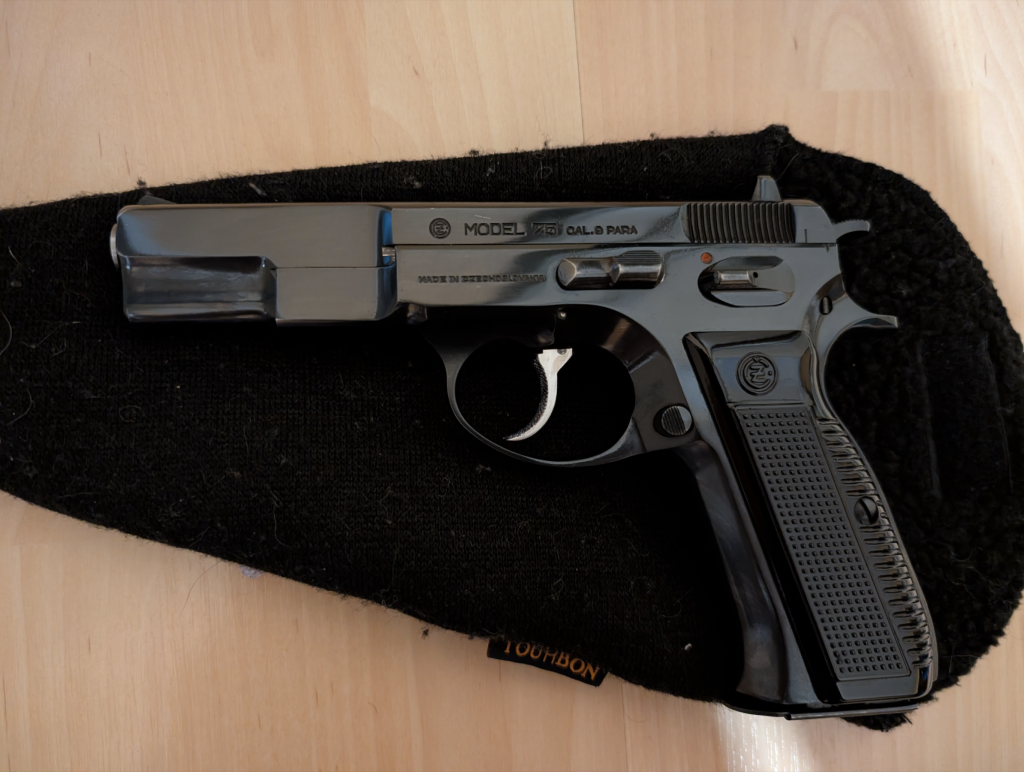
The CZ 75 built its reputation on ergonomics that feel immediately settled in the hand. Its slide-in-frame arrangement helps keep the bore axis low, and that contributes to the flat-shooting character many users still associate with the design.
Designed by Josef and František Koucký, with prototypes completed in 1975, the CZ 75 also proved that all-steel DA/SA pistols could offer both comfort and speed. It became a reference point for shooters who wanted recoil control and grip geometry that rewarded rapid, accurate strings.
7. Luger P08
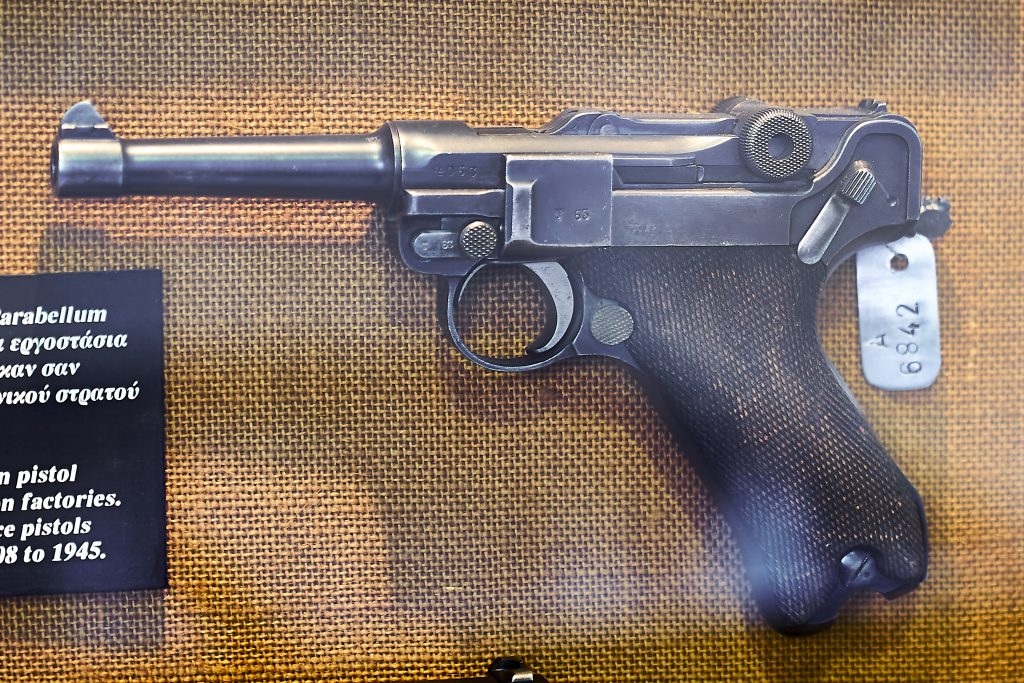
The Luger P08 no longer serves as a template for modern lockwork, but its historical role still matters. Early semiautomatic pistols had to prove they could be more than fragile novelties, and the Luger helped establish the idea that a sidearm could be mechanically precise, balanced, and repeatable.
Its toggle-lock system belongs to an earlier era, yet the pistol remains useful as a measuring stick. It highlights how far reliability, manufacturing tolerances, and service-pistol simplification have progressed since the beginning of the self-loading handgun.
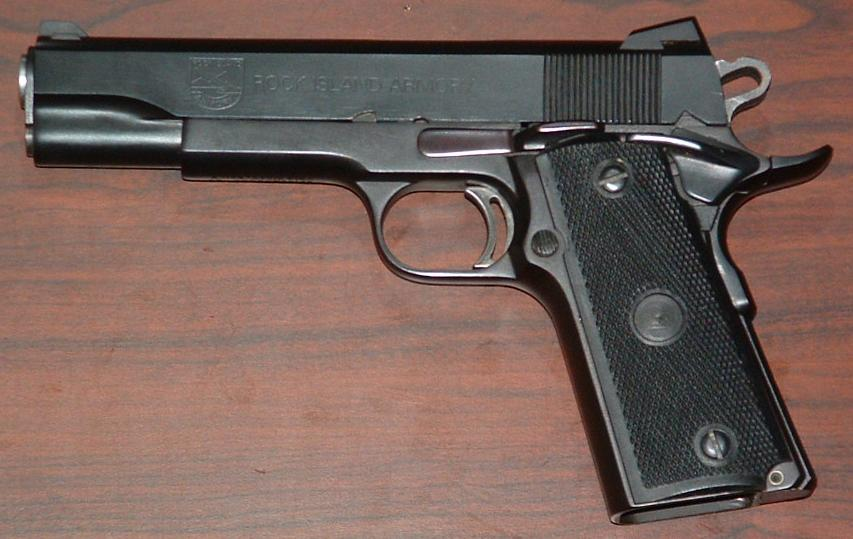
8. 1911 Pattern Pistols in 9mm
The 1911 was not born as a 9mm platform, but its continued life in that chambering says a great deal about interface design. Shooters still return to the pistol’s slim profile, straight-to-the-rear trigger movement, and familiar grip angle.
In 9mm form, the design becomes easier to run for higher-volume practice and faster strings without losing the control layout and handling that made the platform endure for more than a century. That combination keeps the 9mm 1911 relevant as an example of how a classic frame can be modernized through cartridge choice rather than visual redesign.
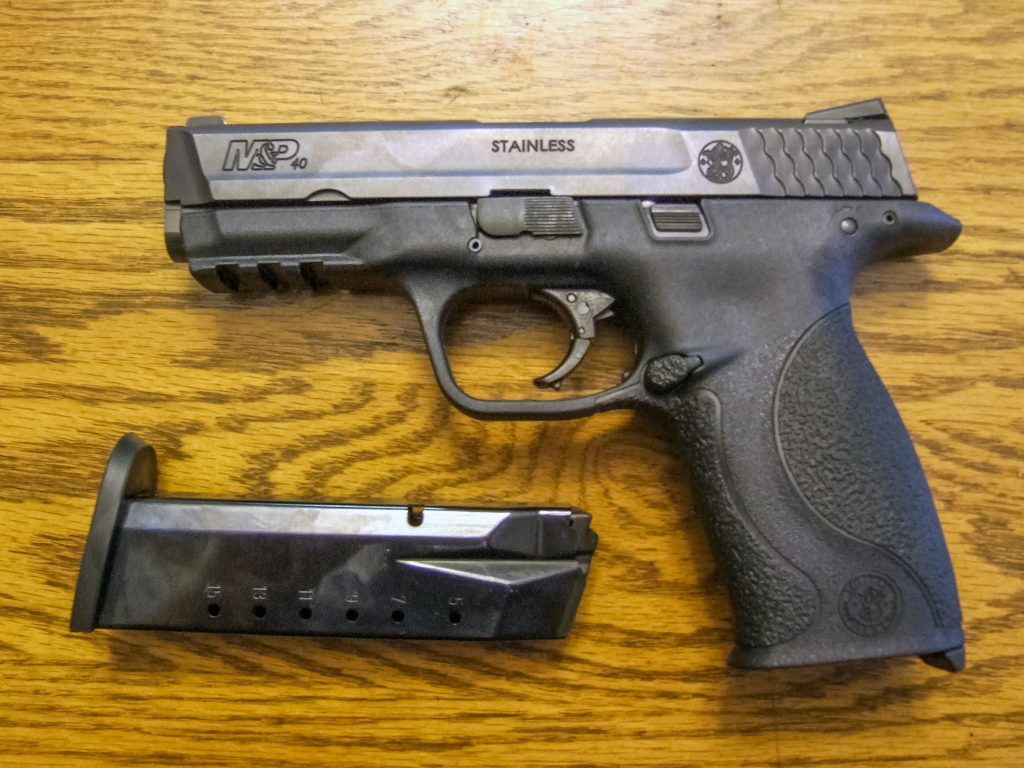
9. Smith & Wesson M&P Shield
The M&P Shield became important because it translated service-pistol manners into a much slimmer concealed-carry package. Introduced in 2012, it arrived at a moment when the market increasingly demanded thinner handguns that still felt controllable in recoil and efficient in draw-to-shot handling.
Its real contribution was packaging. The Shield showed that a carry pistol under an inch wide did not have to feel like a compromise piece with awkward controls or punishing manners. That helped define a whole generation of slim 9mm carry guns.
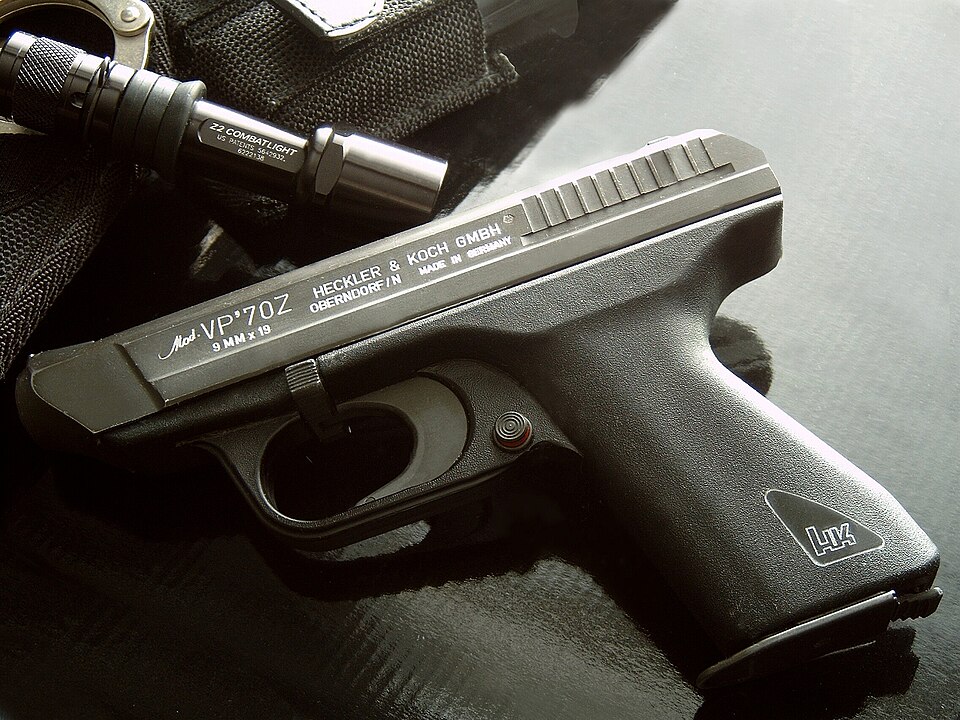
10. Heckler & Koch VP70
The VP70 was far ahead of the market that received it. Long before polymer striker-fired pistols became commonplace, it combined those ideas in one production handgun and paired them with high-capacity thinking that would later become mainstream.
It was never the dominant commercial success its concept might suggest, but influence is not always measured by sales alone. The VP70 showed that simplified mechanisms and modern materials could arrive years before the broader handgun world was ready to embrace them. In hindsight, it looks less like an outlier and more like an early sketch of the modern service pistol.
What links these pistols is not nostalgia. It is the way each one answered recurring design pressures: capacity, control, durability, maintenance, and adaptability. Some did it through radical new materials. Others did it through grip shape, lockwork, or mechanical refinement. Together, they explain why the modern 9mm pistol looks the way it does today, and why so many newer designs still echo solutions these handguns introduced years ago.


