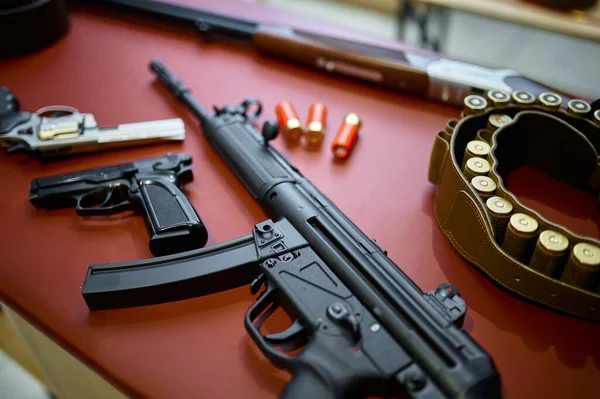
A familiar rollmark still means something in the gun world. It carries camp stories, old patrol memories, duck blinds, deer seasons, and the kind of confidence that usually takes decades to earn. But trust is not inherited forever. In a market shaped by factory moves, ownership changes, recalls, legal fights, and ever-broader product lines, some once-safe bets now get treated like any other used truck at the lot: looked over carefully, tested if possible, and judged model by model instead of by the badge alone.
1. Remington
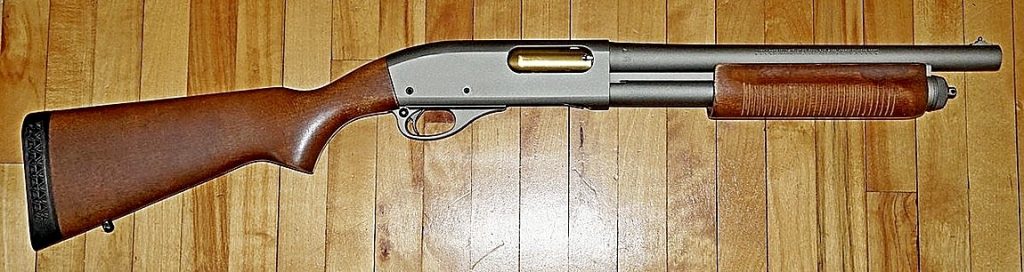
For generations, Remington was the plainspoken definition of a dependable hunting gun. That reputation took a hard hit when quality complaints began stacking up alongside corporate turmoil, and the brand’s long slide eventually ended with Chapter 11 bankruptcy and a court-supervised breakup. Shooters who once bought an 870 or 700 on instinct started checking production eras, plant history, and small fit-and-finish details before trusting the name alone.
The company’s assets were split among new owners, with Roundhill Group taking the non-Marlin firearms business and stating, “Our intent … is to return the company to its traditional place as an iconic American hunting brand.” That may matter for the future, but the reputation issue was already established. In practical terms, Remington stopped being a default answer and became a serial-number conversation.
2. Marlin
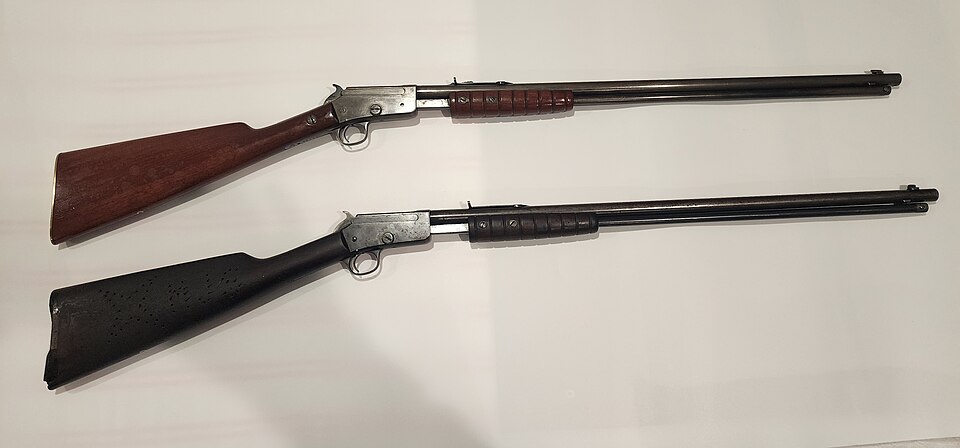
Marlin’s stumble is remembered with unusual precision because lever-gun fans gave it a nickname: the Remlin era. When production changed hands under Remington, complaints about rough machining, crooked sights, uneven wood-to-metal fit, and indifferent action feel became common enough that buyers started sorting rifles by period rather than by model.
The recovery has been more visible than many expected. Ruger bought Marlin in a $30 million acquisition, and Chris Killoy said, “The important thing for consumers, retailers and distributors to know at this point in time is the Marlin brand and its great products will live on. Long live the lever gun.” Modern Ruger-made Marlins have helped repair confidence, but that old lapse still shadows every discussion of the brand.
3. Smith & Wesson
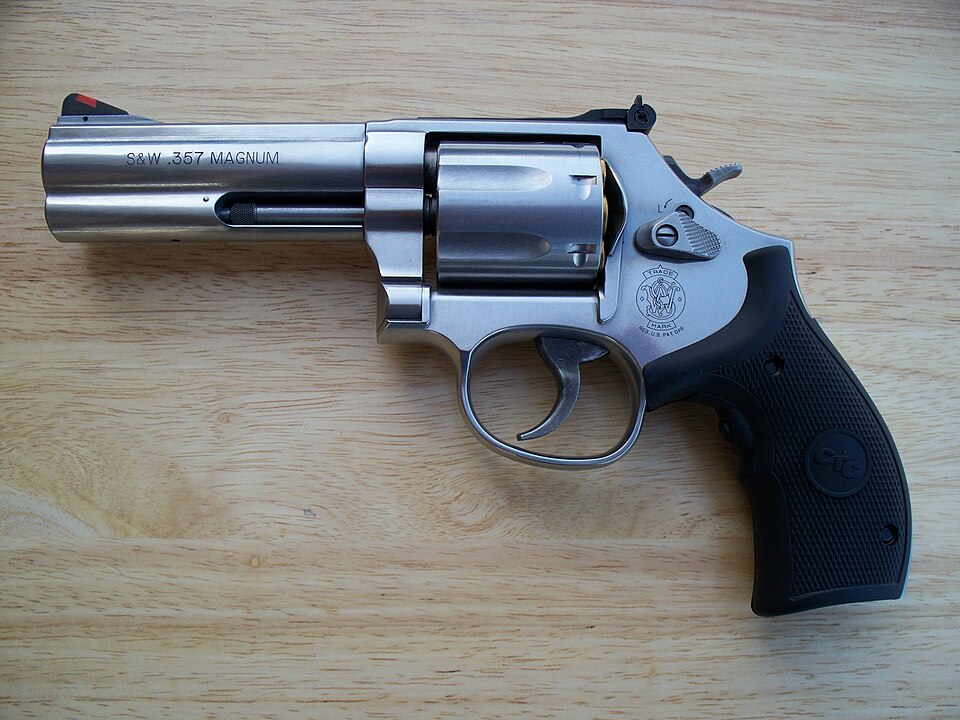
Smith & Wesson remains one of the biggest names in American handguns, but its “sure thing” aura is not as universal as it once was. Older revolvers built the company’s standing with excellent lockup, polished actions, and a level of finish many shooters still use as the benchmark. Modern production covers far more ground, and while much of it works as intended, the brand no longer guarantees the same refinement in every category.
There is also historical baggage outside pure manufacturing. The company’s past agreement with the Clinton White House triggered a boycott that turned the brand into something more complicated than steel, machining, and trigger pull. Even decades later, that episode remains part of why Smith & Wesson is respected broadly but trusted less automatically.
4. Winchester
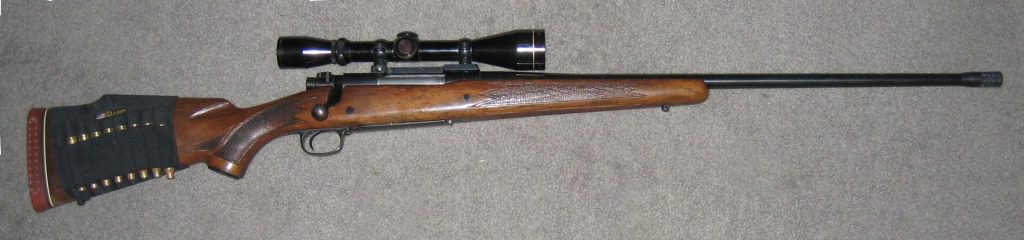
Winchester has one of the strongest names in American gunmaking, which is exactly why any drop in perceived quality lands so hard. Classic Model 70 and Model 94 rifles built an image that still dominates how shooters talk about the brand, but modern examples do not always occupy the same mental shelf as the older guns.
That does not mean the name lost all value. It means the brand’s history is larger than its present consistency. Buyers often separate “old Winchester” from “new Winchester” as if they are related but not interchangeable, and that alone shows how far the automatic confidence has faded.
5. Savage Arms
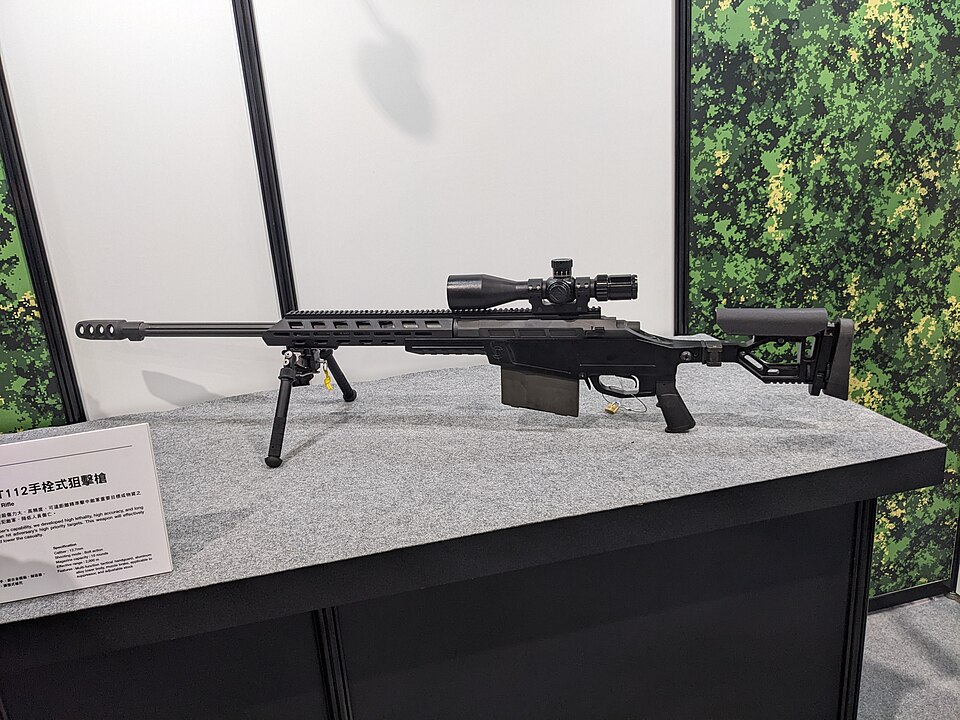
Savage earned loyal buyers by doing something difficult: delivering real accuracy at ordinary-guy prices. That made the company an easy recommendation for first hunting rifles and budget bolt guns. The challenge is that trust built on practical performance can be shaken quickly when safety concerns enter the conversation.
Scrutiny around the Axis II put exactly that kind of pressure on the brand. Reporting on litigation described internal terminology including “MID SAFE” and “FIRES ON SAFE,” and the rifle line was described as having more than 800,000 units in circulation. Even without turning the issue into a verdict on every Savage, the effect is clear: buyers now pay closer attention to safeties, function checks, and specific model history.
6. Kimber
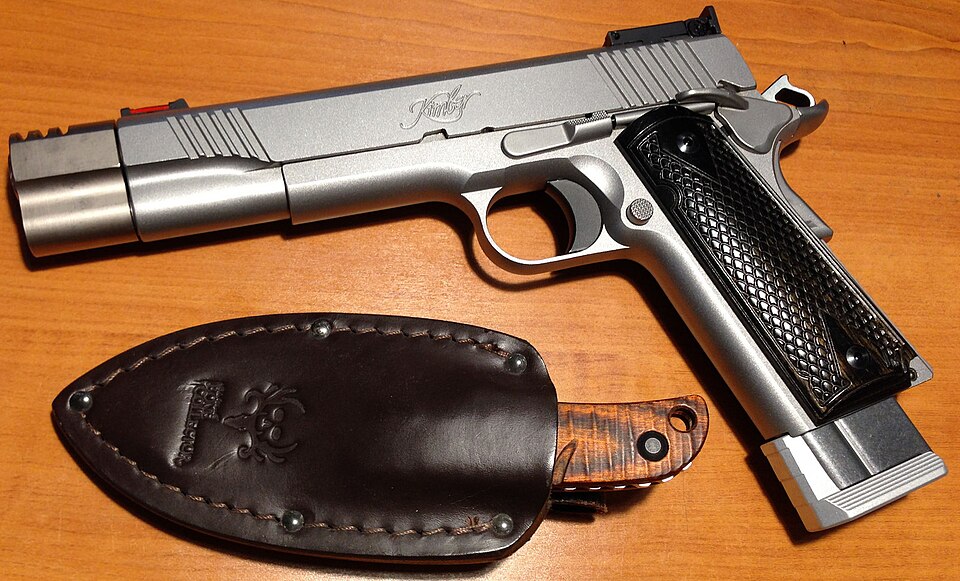
Kimber may be the most polarized name on this list. Plenty of owners report excellent service from their pistols, but the brand’s reputation has been undercut by too many stories of finicky reliability, extractor issues, and frustrating customer-service experiences for the logo to remain a universal confidence marker.
That matters more with a 1911-style pistol than with almost anything else. A platform sold on precision, premium fit, and serious-purpose use loses ground fast when variability becomes part of the buying advice. Kimber is still respected by many shooters, but respected and unquestioned are not the same thing.
7. Mossberg
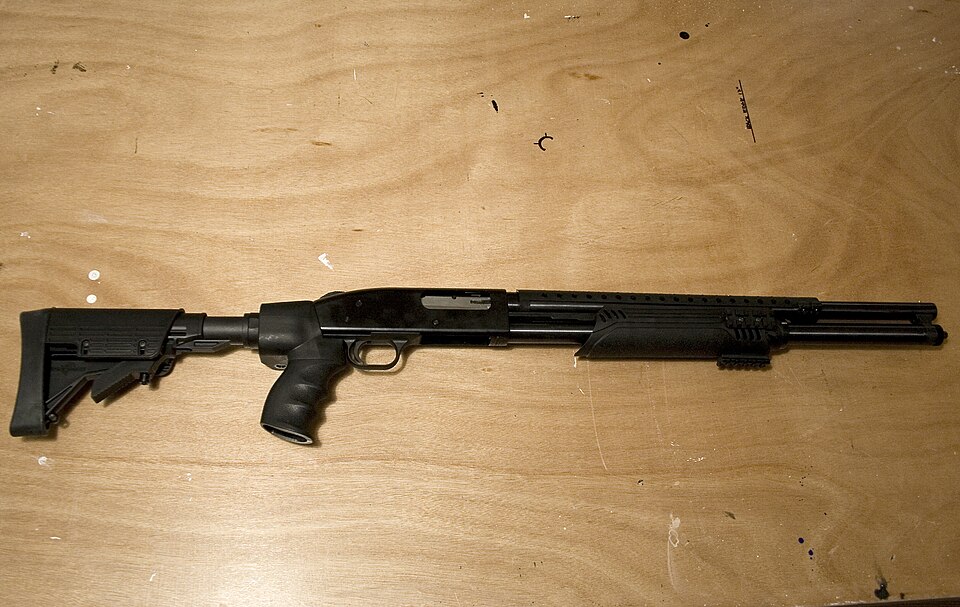
Mossberg still has a durable core identity thanks to pump shotguns that built their reputation in marshes, trucks, and hard use. The 500 and 590 families gave the brand a blue-collar certainty that many shooters still value. The complication came as the company stretched deeper into rifles and pistols, where consistency in feel and finish has not always matched what longtime Mossberg buyers expected. Scale adds to that visibility. Mossberg produced 253,633 U.S. shotguns in 2023 production data, which shows both reach and manufacturing strength. It also means lineup sprawl is easier to notice when some models feel more workmanlike than confidence-inspiring.
8. Taurus
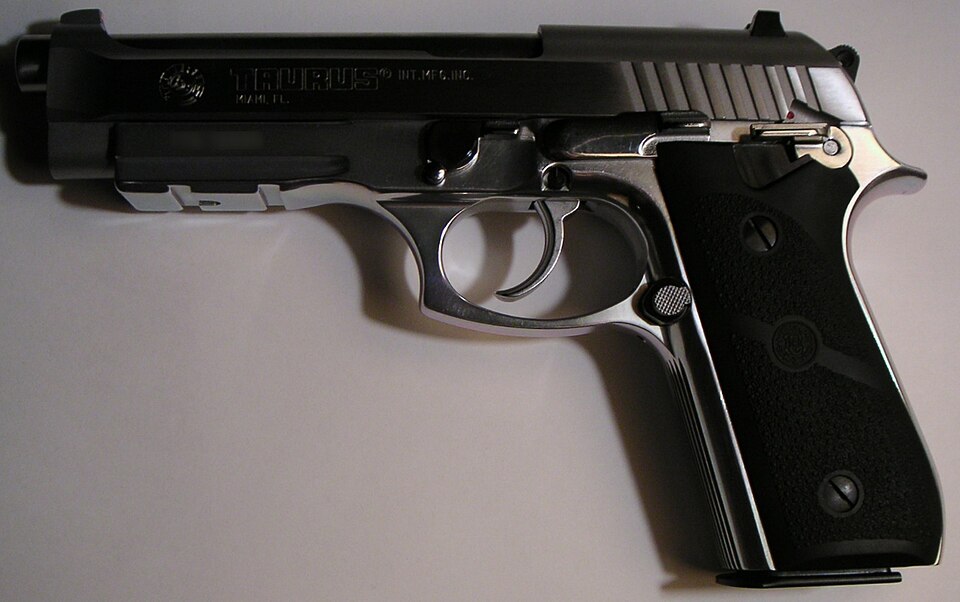
Taurus is a different kind of reputation story because the brand was doubted for so long that any improvement still meets skepticism. The company spent years fighting complaints about inconsistent quality, poor support, and safety concerns, including a 2015 settlement and recall covering nearly one million handguns produced between 1997 and 2013. At the same time, the more recent Taurus picture is not as simple as the old jokes suggest. Owner discussions increasingly describe better performance from G-series pistols, the PT92 line still gets steady praise, and the move to Georgia was widely tied to faster service and expanded production. Taurus did not regain the status of an unquestioned buy, but it did become a case study in how a damaged reputation can improve without fully escaping its past.
9. Colt
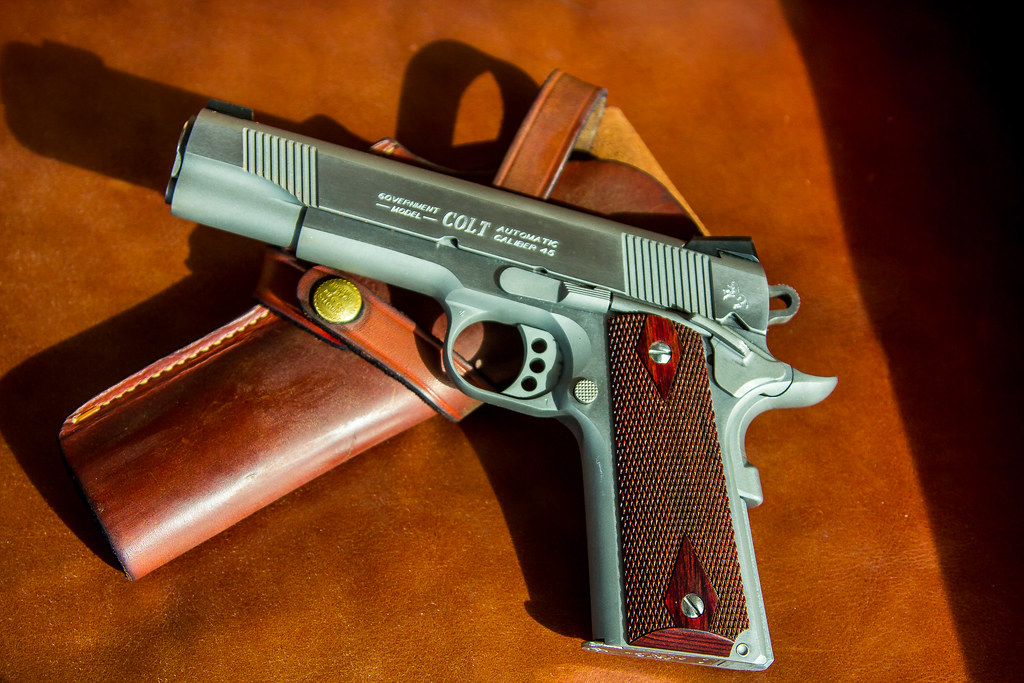
Colt still carries an outsized emotional pull. Few names in handguns and carbines have the same weight, and that legacy keeps expectations high every time a new Colt leaves the box. The problem is that emotional equity magnifies every uneven production run, cosmetic shortcut, or example that does not feel like the buyer’s idea of a Colt should.
That leaves the company in a strange position. The name remains powerful, collectors still care deeply, and some current models are well regarded, but the brand no longer functions as a blanket quality shortcut. Buyers inspect the specific gun first and let the pony on the slide come second.
The pattern across these brands is not mystery. Reputation usually slips through inconsistency, not through one dramatic failure. A few rough years, a plant move, a bad safety controversy, a bloated catalog, or a corporate reset can change how an entire generation shops. In that environment, the logo is no longer the final answer. The model, the production era, the support history, and the actual example in hand now matter more than the old assumption that a famous name settles the question.


