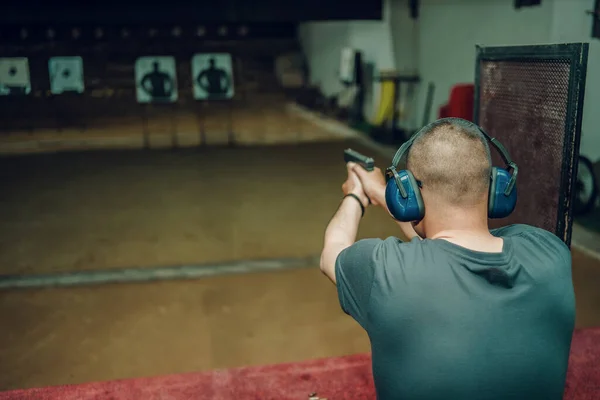
Defensive shooting errors are often explained as equipment problems or lapses in technique. The evidence points elsewhere. Under pressure, accuracy degrades because stress alters perception, motor control, and decision-making at the same time.
That distinction matters because square-range competence does not automatically transfer to high-threat conditions. A large systematic review found that shooting accuracy in high-pressure conditions was reduced by 14.8% on average, while decision-making and reaction time also worsened.
1. Trigger control collapses when fine motor skill gives way to speed
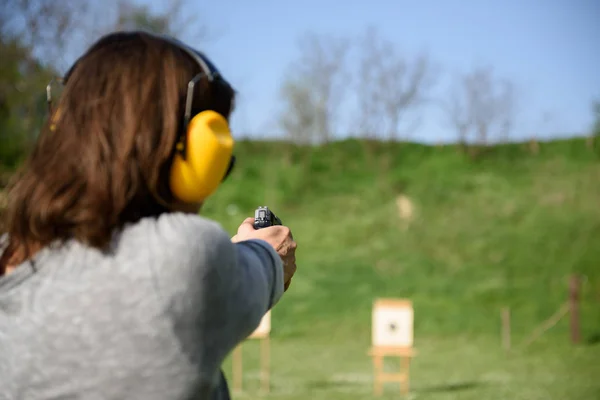
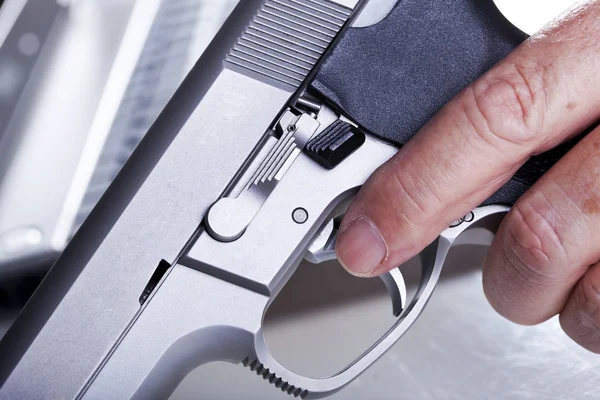
Defensive pistol accuracy depends on small, repeatable inputs: consistent grip pressure, controlled trigger press, and minimal disturbance at ignition. Acute stress pushes the body toward larger, faster movements, which makes those micro-adjustments harder to maintain.
The result is familiar even when the shooter does not recognize it in the moment: slapping the trigger, over-tightening the hands, and changing grip pressure from shot to shot. The firearm has not changed. The shooter’s nervous system has. Research summarized in high-pressure marksmanship studies repeatedly shows that stress harms tasks requiring stability and precision. In practical terms, the miss often begins before recoil, when stress disrupts the trigger press that normally keeps the sights settled.
2. Tunnel vision narrows the visual field and breaks the sighting loop
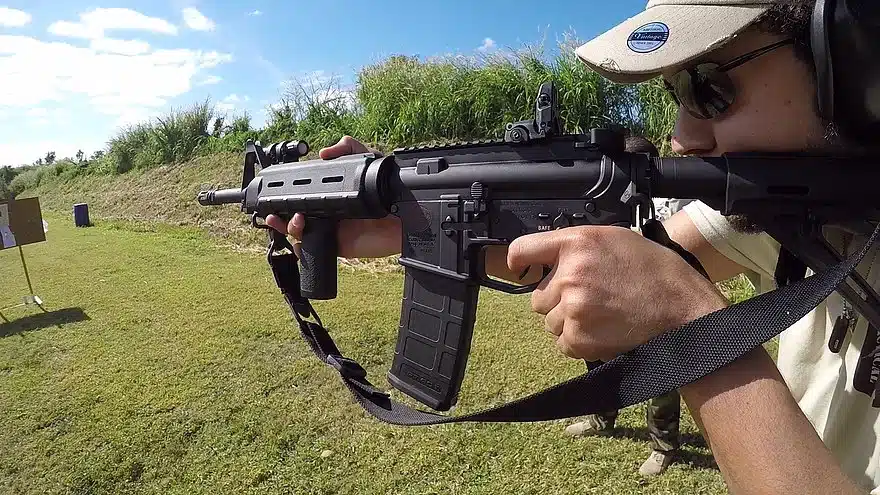
Tunnel vision is less about the eyes failing than attention narrowing around what the brain labels as the immediate threat. That narrowing can reduce awareness of bystanders, exits, hands, movement at the flank, and even better shooting angles.
It also damages accuracy in a quieter way: the shooter may lock attention onto the threat and stop fully confirming alignment. Instead of seeing enough to guarantee the shot, the brain accepts an inferior visual standard because urgency feels absolute. That pattern is consistent with findings describing tunnel vision in lethal-force events and with experimental work showing pressure-driven changes in gaze behavior. Under stress, attention shifts toward threat cues and away from marksmanship-specific visual checks.
3. Time distortion creates panic cadence
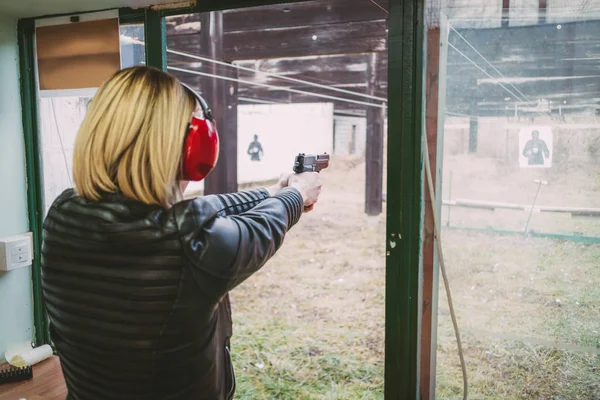
One of the most disruptive stress effects is altered time perception. Events may seem unnaturally fast, strangely slow, or compressed into a blur. When that happens, the shooter’s sense of pace drifts away from what the mechanics of accurate fire can support.
This is where cadence unravels. Shots break faster than sights can be verified, recoil is managed less deliberately, and reassessment between shots disappears. The issue is not simply haste; it is a mismatch between perceived urgency and actual ability to process visual information. Stress literature on defensive encounters describes time distortion as a common performance disruptor. The practical consequence is a self-accelerating shooting rhythm that feels appropriate in the moment but strips away confirmation.
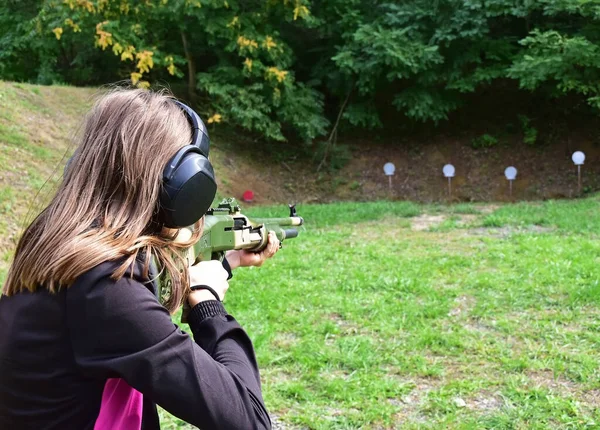
4. Auditory exclusion removes timing and feedback cues
Auditory exclusion remains debated at the scientific edges, but operational accounts describe the experience with striking consistency: important sounds seem muted, delayed, or absent from memory. Whether framed as perceptual filtering or narrowed attention, the performance effect is the same.
Sound helps structure action. Commands from others, movement nearby, reload cues, and even the shooter’s own rhythm all contribute to timing. When that audio channel is blunted, the internal feedback loop becomes less reliable. A first-person law-enforcement account described not hearing other officers arrive during a high-stress confrontation despite their lights, vehicles, and presence at arm’s length. That kind of auditory exclusion does not just affect memory later; it can distort action while the event is still unfolding.
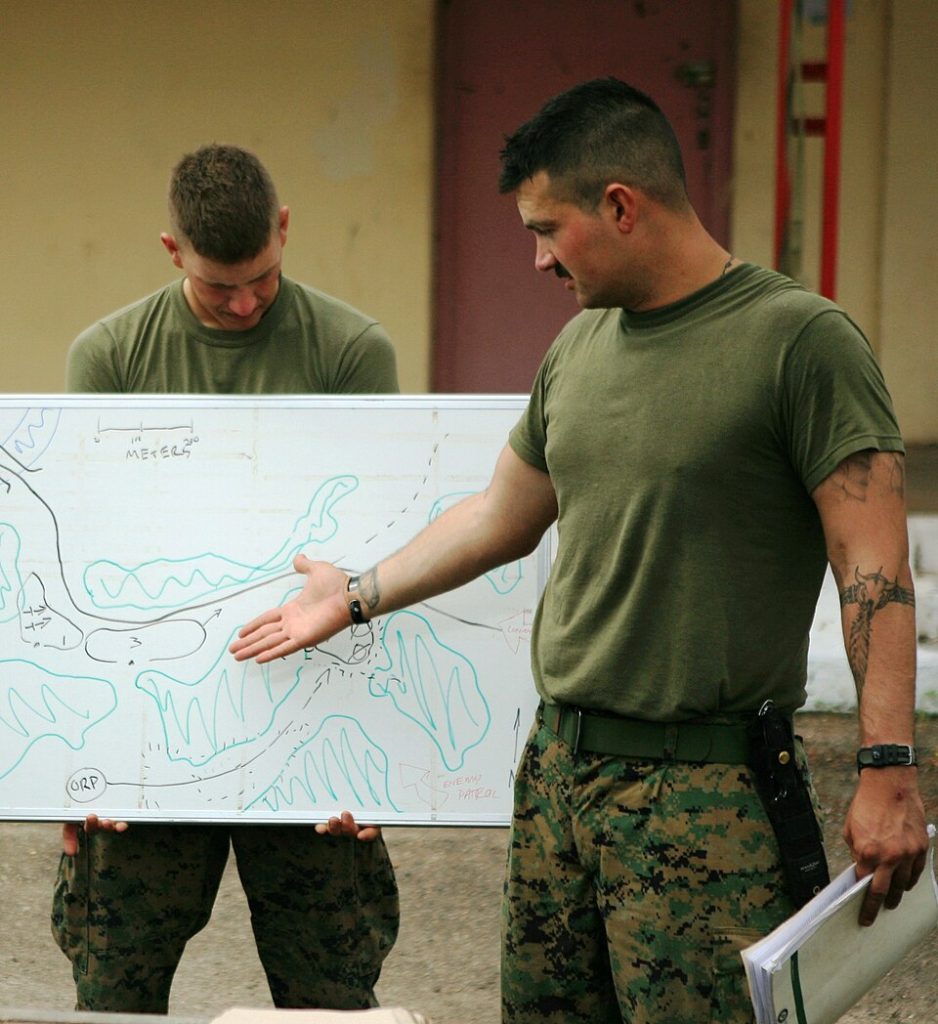
5. Decision-making degrades before marksmanship visibly does
Many misses begin as decision failures, not pure shooting failures. Stress slows information processing, distorts judgment, and increases the odds of acting on incomplete cues. The shooter may fire too soon, continue too long, or fail to notice that the scene has changed.
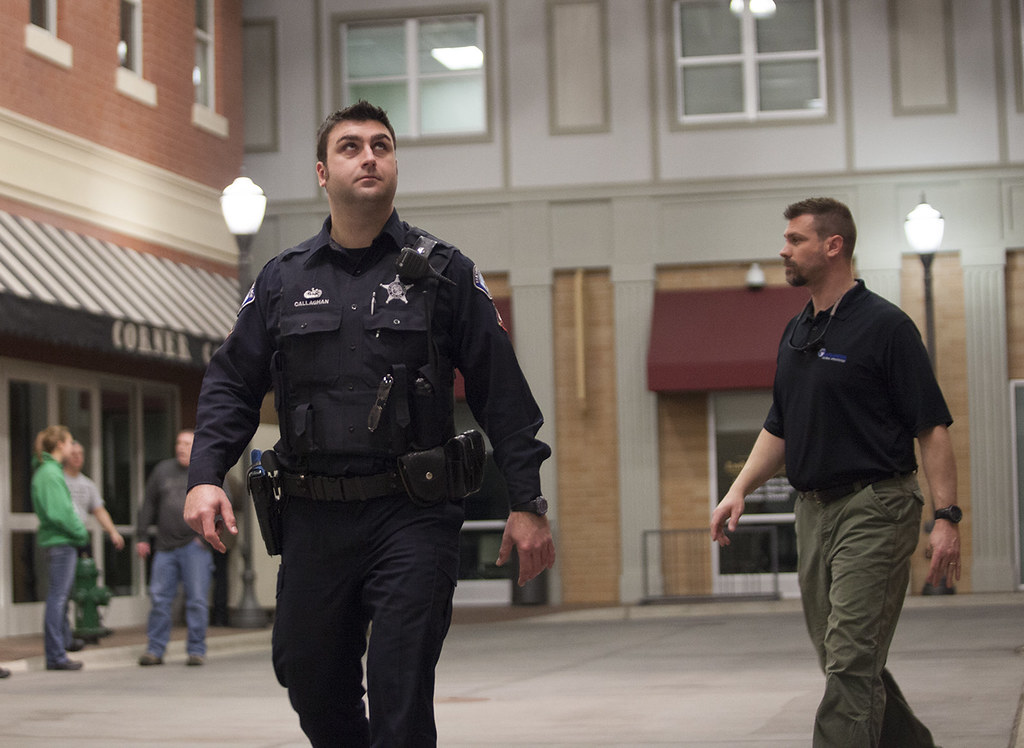
High-pressure studies included in the systematic review found a measurable decline in decision accuracy, not just shot placement. That matters because defensive accuracy is inseparable from target discrimination, background awareness, and the ability to reassess between actions. A shooter can still produce a technically acceptable trigger press and yet make a poor decision about when to fire, what to track, or whether a shot remains justified. In defensive contexts, those are all components of accuracy.
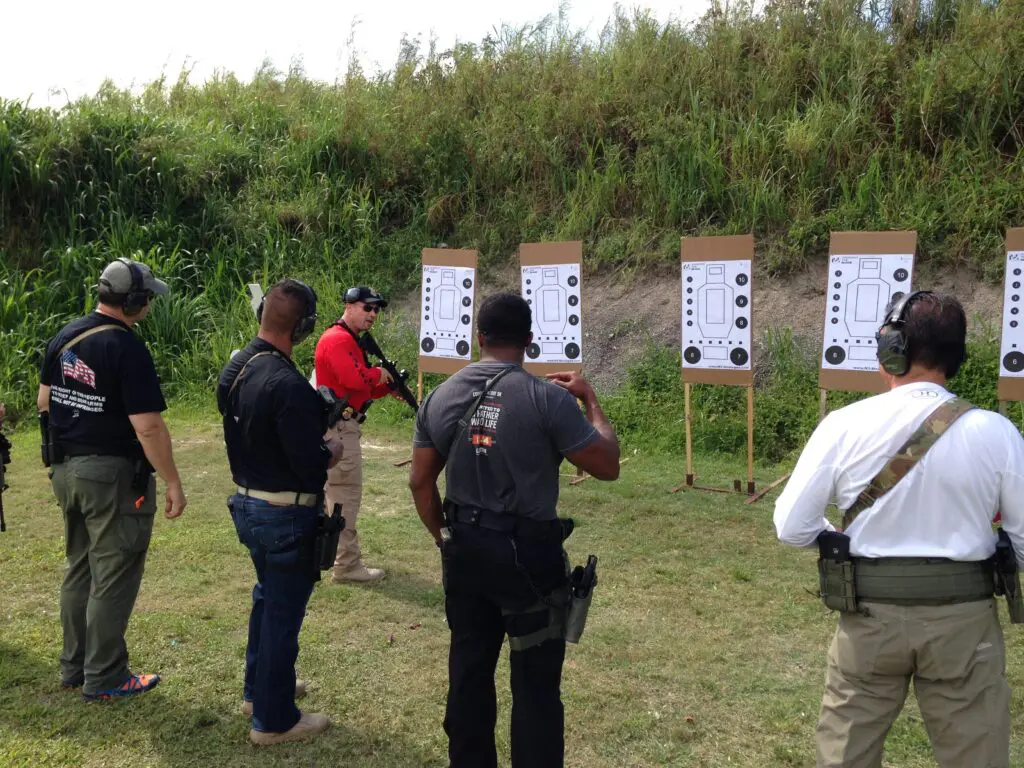
6. Memory distortion hides the real cause of bad hits
Stress does not merely affect performance in the moment. It also affects recall afterward. Perception and memory under threat are often incomplete, reordered, or stripped of sensory detail, which makes it harder to identify why accuracy broke down. That creates a training problem. If the shooter believes the sights were clear, the cadence was controlled, and all cues were noticed, the real failure point may go uncorrected. Reviews of high-threat incidents have long noted that vivid memory is not always reliable memory. This matters because accurate self-diagnosis is part of becoming more accurate under stress. If recall is distorted, the shooter may blame gear, stance, or luck instead of the actual stress response that caused the miss.
Across the research and practitioner literature, the pattern is consistent: pressure reduces shooting performance by changing how the body sees, moves, and decides. Accuracy loss is rarely one isolated malfunction. The quiet danger is cumulative. A narrowed visual field, rushed cadence, degraded trigger control, muted feedback, and poorer decisions can stack within seconds, turning a capable range shooter into an unreliable defensive one.


