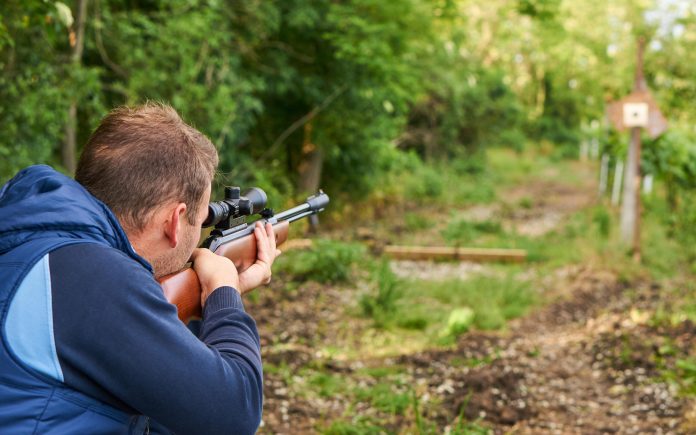
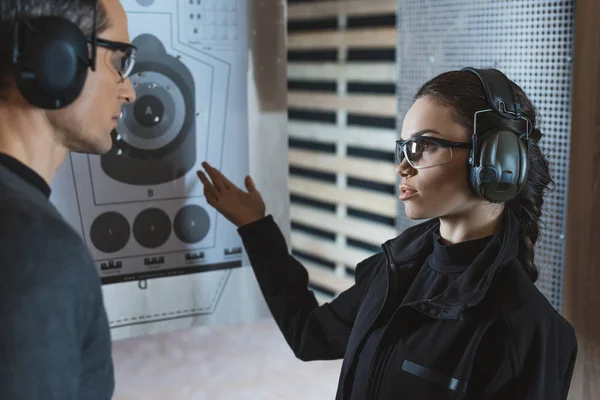
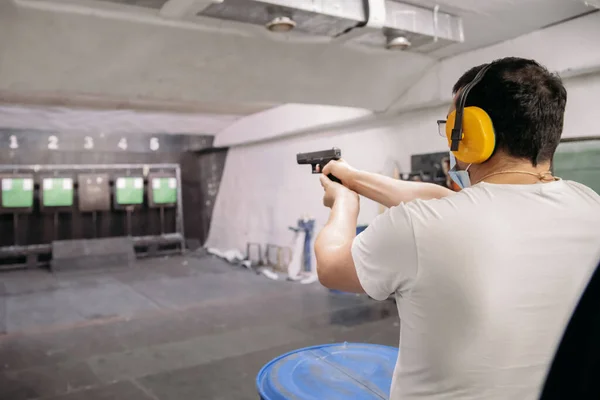
Home-defense discussions often assume that a practiced shooter will perform on demand exactly as they do on a calm range. The research record does not support that assumption. Under pressure, accuracy becomes less a pure test of technique and more a human-performance problem shaped by arousal, attention, vision, timing, and decision-making.
That matters because misses are not rare in real armed encounters. In one review of police shootings, the 35% hit rate at the bullet level showed how quickly stress can separate square-range skill from real-world results.
1. Calm-range accuracy does not predict pressure accuracy
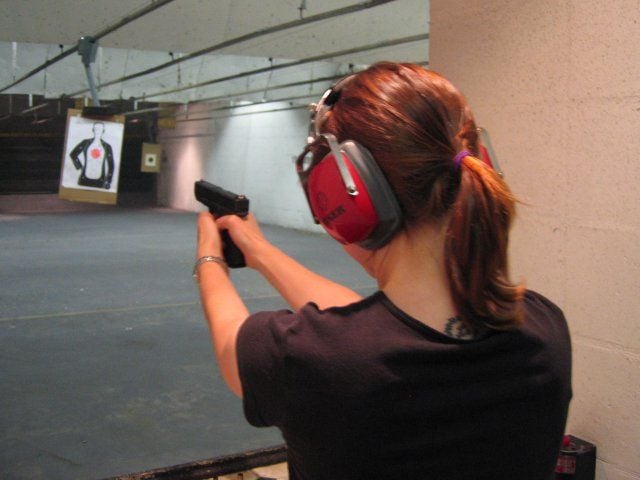
Static practice measures mechanics in a controlled setting. Real defensive encounters add urgency, uncertainty, movement, and the need to interpret what is happening while acting. That shift changes the task itself.
A broad review of police marksmanship literature found that anxiety in high-stress scenarios negatively impacts shooting performance, even when shooters are otherwise competent. Several studies in that review reported lower performance in high-threat conditions than in low-threat versions of the same drill, showing that the same shooter can produce very different results once pressure is introduced.
2. Stress follows an inverted-U, not a straight line
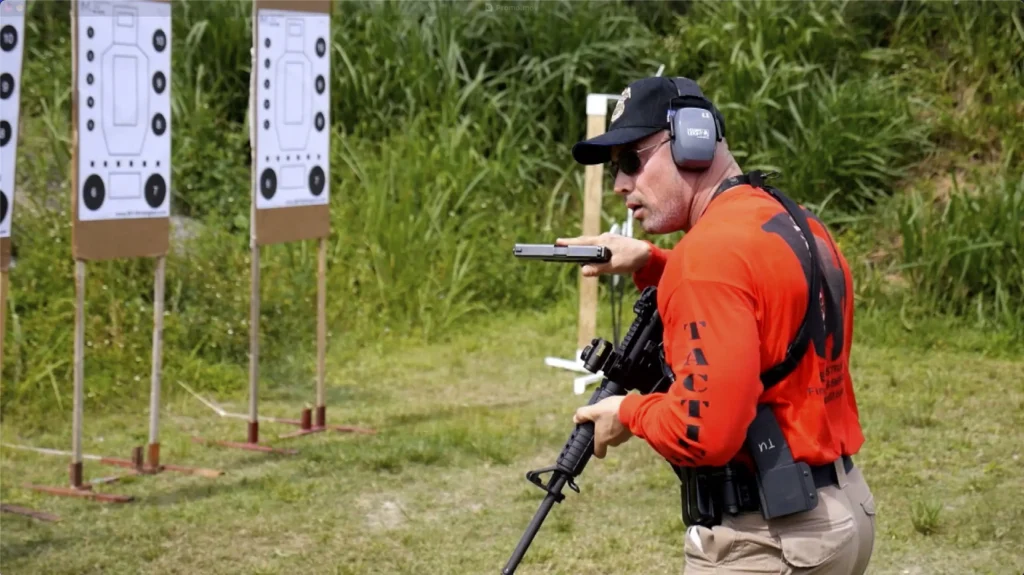
More arousal is not always better, and less is not automatically safer. A large analysis of elite competition shooters found an inverted-U relationship between pressure and performance, with scores rising from low arousal to a moderate zone before dropping again as stress intensified.
That matters for defensive accuracy because the popular idea that adrenaline simply “sharpens” performance ignores the drop-off on the far side of the curve. Too little activation can mean sluggish attention. Too much can mean hurried shots, reduced precision, and abrupt performance decline near the point where the outcome feels most decisive.
3. Misses are common even among trained professionals
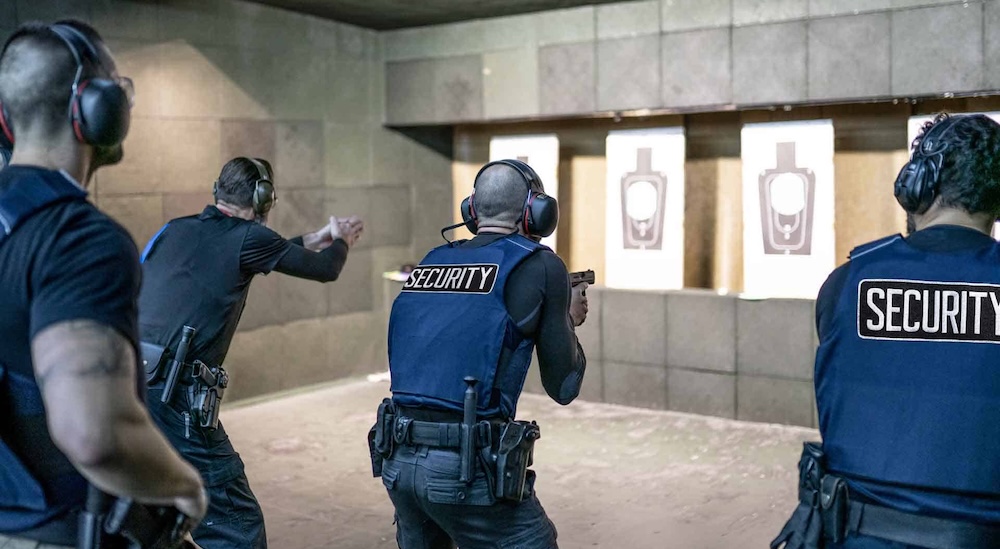
The belief that formal training guarantees reliable hits under threat has been challenged for decades. Departmental records and reviews have repeatedly shown hit rates that remain well below what many people assume.
In the Dallas data set summarized in the literature, officers hit with at least one round in 54% of incidents, yet half were entirely inaccurate in the sense that every round fired missed the target in those events. Across larger historical discussions, major departments have often reported hit-rate ranges from the low 20s to just above 50 percent. Those numbers do not describe incompetence as much as they describe the combined effect of stress, speed, low light, target behavior, and decision pressure.
4. Vision and attention narrow when threat rises
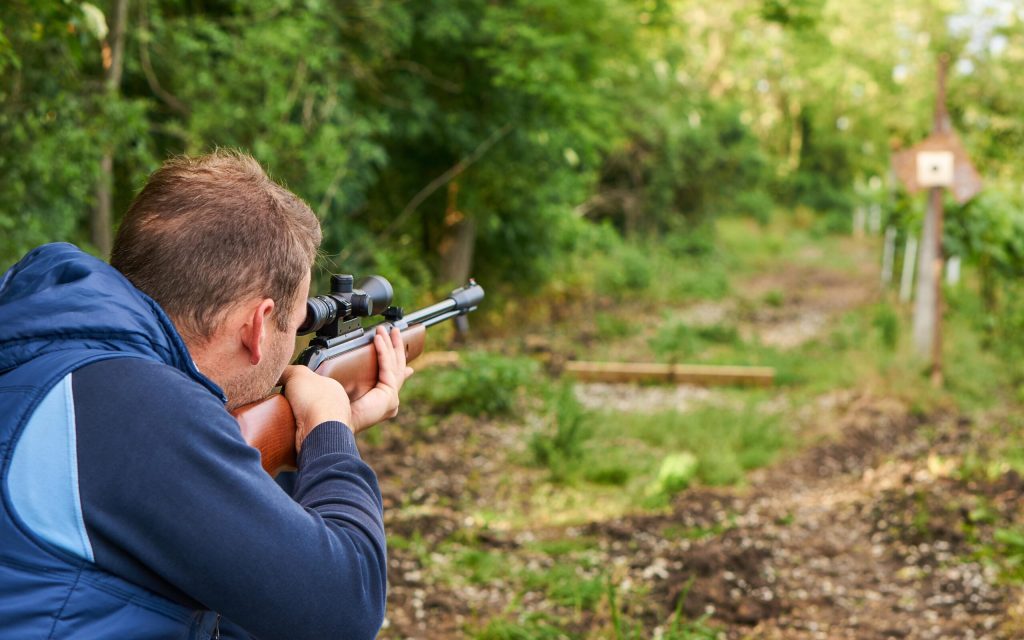
Accuracy depends on seeing enough, soon enough, and interpreting it correctly. Under pressure, attention can contract toward the most urgent cue, which may leave less capacity for sight confirmation, bystander awareness, or even pacing the trigger correctly.
This is consistent with research showing that high-threat conditions degrade marksmanship and that daylight conditions can improve outcomes. Better visual information supports better accuracy. Reduced visual clarity and narrowed attention do the opposite, especially when the shooter must solve more than one problem at once.
5. Close range is not a guarantee of clean hits
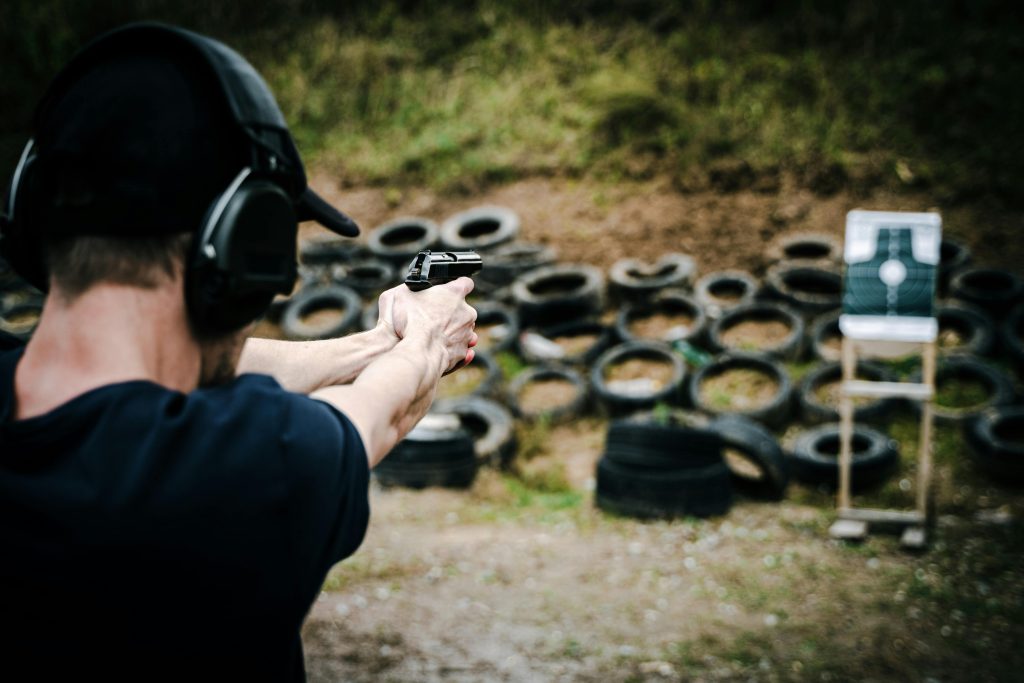
One of the strongest myths in defensive shooting is that short distance automatically solves the accuracy problem. The data say otherwise. Close range can still produce misses, rushed cadence, and dangerous shot placement because the pressure of immediacy is highest exactly where distance is shortest.
A Force Science study of inexperienced shooters found that novices were still dangerous at short range, with 75% hit accuracy from 3 to 15 feet, while trained shooters held only a modest edge in that band. The larger lesson is not that training lacks value. It is that proximity compresses time, and compressed time magnifies the cost of poor decisions and degraded control.
6. Physical exertion is not the whole story
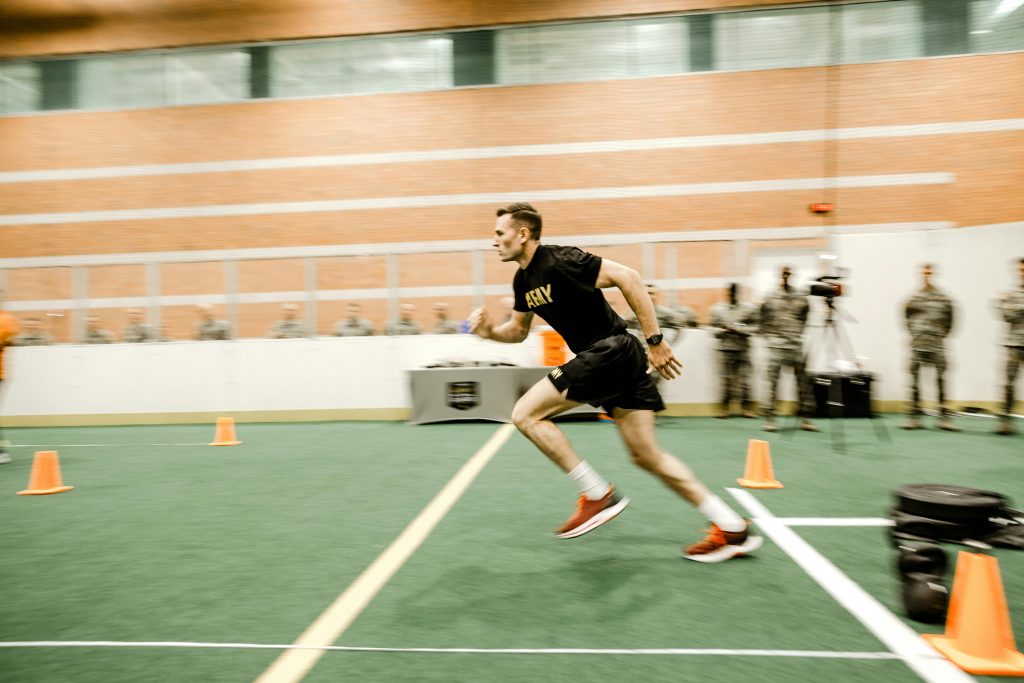
Fatigue is often blamed for poor shooting, but the research is more complicated. A narrative review found that physical exertion often does not reduce shooting performance at close ranges under about 10 meters, while stress and anxiety show a more consistent negative effect.
Studies on specialist and military shooters also suggest that experienced personnel can sometimes preserve hit probability after hard effort, even while finer measures such as dispersion worsen. That means a shooter may still “be on target” while losing the tighter control that separates acceptable performance from reliable precision.
7. Realistic training helps because it changes the problem
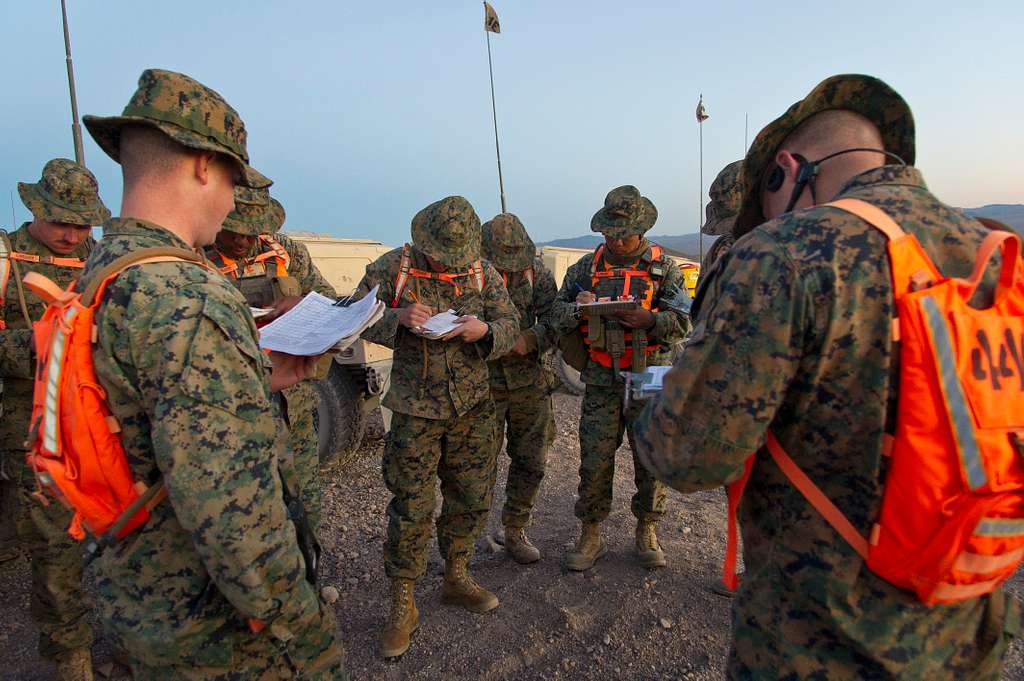
Paper targets test marksmanship. Pressure-tested scenarios test marksmanship plus perception, timing, judgment, and self-control. That distinction appears repeatedly in the research.
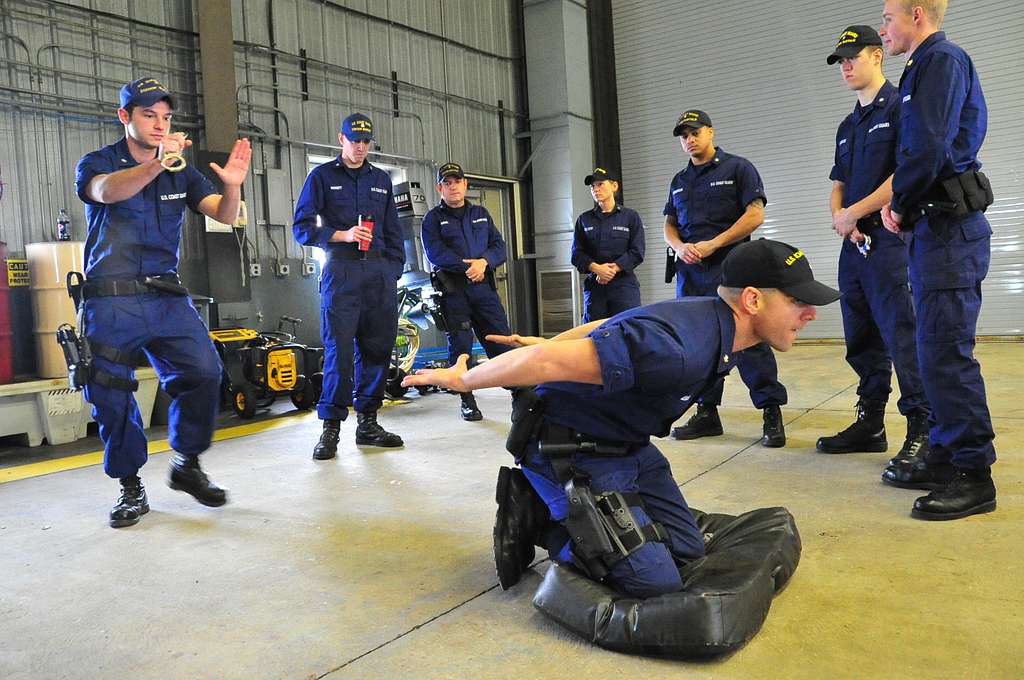
Studies on police officers found that training under pressure improved performance in high-threat conditions, at least for a time, while imagery-based practice also helped reduce deterioration under threat. The review literature reached a similar conclusion: stress exposure and realistic repetition appear to be trainable factors, especially when training is specific to the conditions that cause breakdowns.
The home-defense accuracy myth rests on a simple but unsupported assumption: that technical skill survives stress unchanged. The evidence points in another direction. Accuracy under threat is shaped by the shooter’s ability to regulate arousal, preserve attention, process visual information, and make disciplined decisions while time feels compressed.
That is why performance under stress, not just performance at rest, remains the more meaningful measure of practical accuracy.


