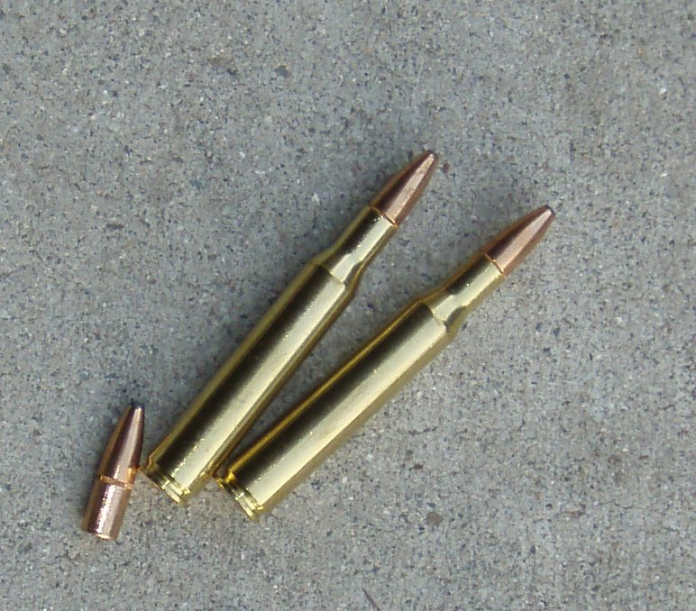
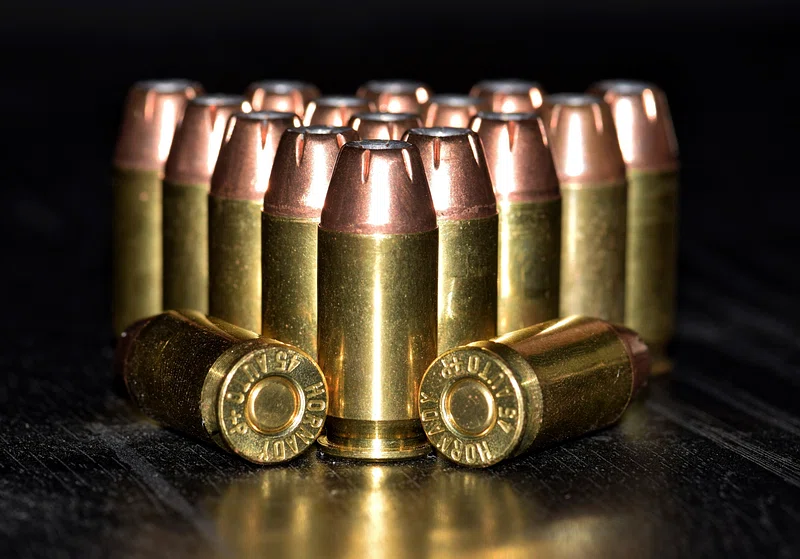
Elk cartridges are often discussed as if raw velocity settles the matter. In practice, elk-sized game asks for something more specific: enough retained energy, bullets with the right construction, and recoil levels a hunter can manage without losing precision.
That balance matters. Bullet weight, sectional density, and shape all influence downrange performance, and higher sectional density generally supports deeper penetration when bullet construction and impact speed are appropriate.
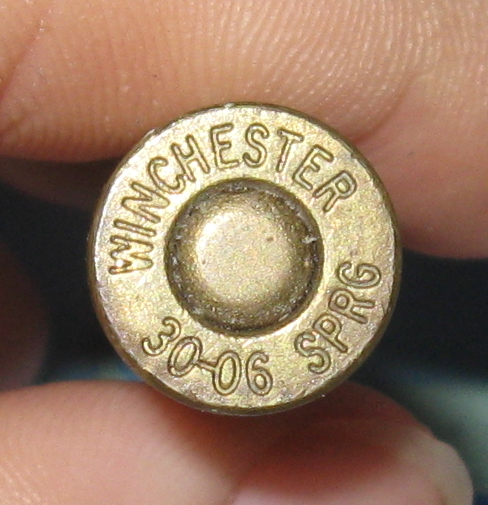
1. .30-06 Springfield
The .30-06 remains one of the most durable answers to elk-sized game because it does nearly everything well. It carries enough case capacity to handle heavier .30-caliber bullets effectively, yet it avoids the sharper recoil jump that drives some shooters away from larger magnums.
Its real advantage is versatility. Compared with .308 Winchester, the .30-06 generally holds a modest but useful velocity edge, especially once bullet weights move into the 180-grain and heavier range. That gives it a broader working envelope for elk hunting, where impact authority and reliable expansion matter more than novelty. It also has a long record on moose-sized animals, which reinforces its place in this category.
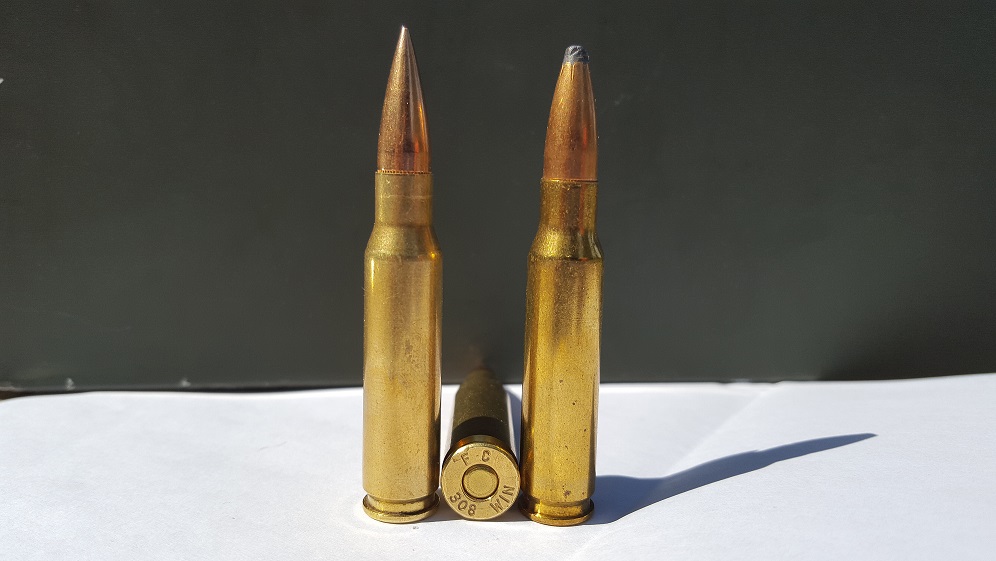
2. .308 Winchester
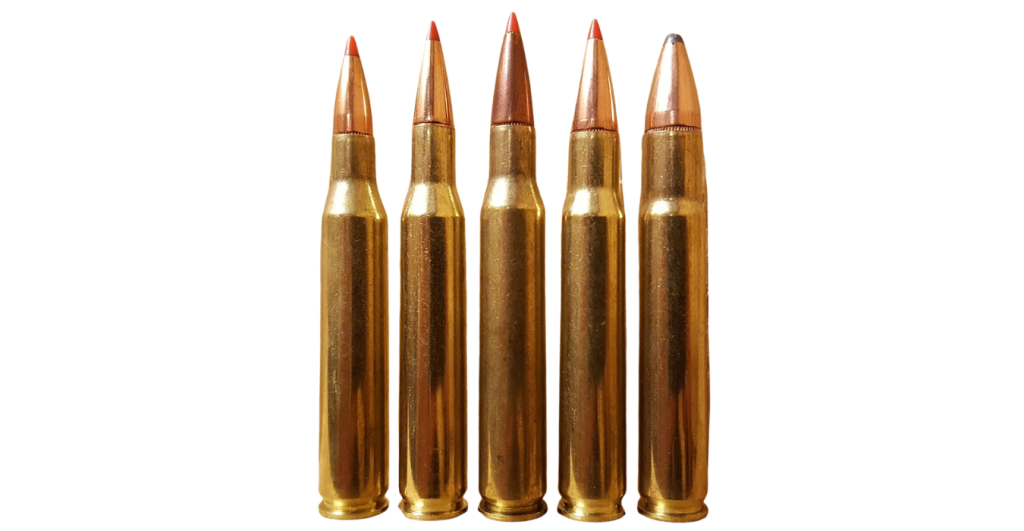
The .308 Winchester stays in the conversation because it delivers practical elk performance from a compact, efficient package. It runs in short actions, tends to be easy to shoot well, and remains one of the most accessible chamberings for hunters who value consistency over maximum speed.
There is less headroom than the .30-06, but modern loads have kept it highly relevant. Outdoor Life’s moose guidance included the .308 among proven performers, and the cartridge still shows up in low-recoil elk discussions where shot distance is kept reasonable. With strong bullets in the 165 to 180 grain class, it carries enough authority for broadside and lightly quartering shots while staying manageable for a wide range of shooters.
3. .270 Winchester
The .270 Winchester has often been framed as a deer cartridge first, but it maintains enough power for elk-sized game when paired with the right bullet and sensible shot placement. Its appeal comes from flat trajectory, moderate recoil, and a long history of clean performance on large North American animals.
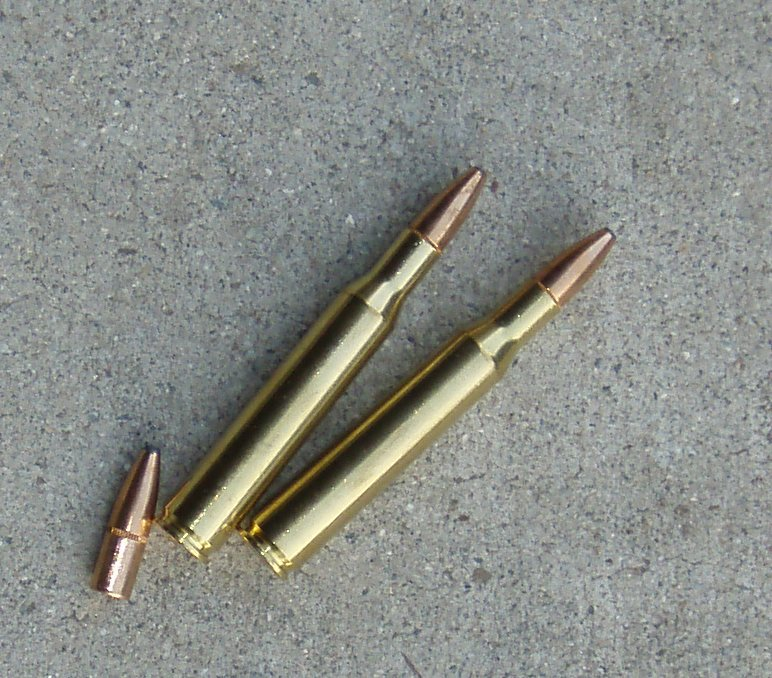
That combination keeps it relevant even as newer designs crowd the market. In elk use, the cartridge benefits most from sturdy bullets around 140 to 150 grains, where penetration and retained energy are more convincing. It also appears in modern low-recoil elk recommendations, and 1,500 ft-lbs of energy at 500 yards is one benchmark often cited for elk-sized game. The .270 does not operate with much margin compared with magnums, but it carries enough performance to remain credible.
4. 7mm Remington Magnum
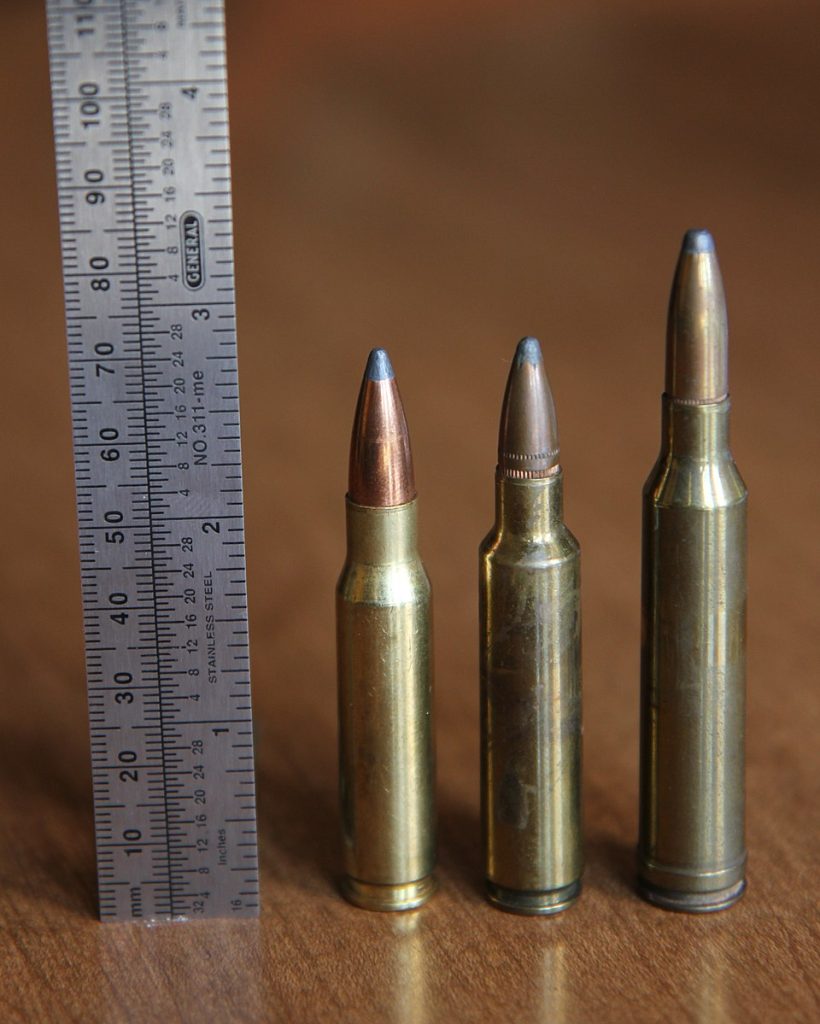
The 7mm Remington Magnum sits in a useful middle ground. It offers noticeably more reach than standard non-magnum cartridges, but without the full recoil and rifle weight burden that often comes with fast .30-caliber magnums.
Its strength is the combination of speed and efficient bullet shape. As Petersen’s Hunting noted, 7mm bullets tend to have better aerodynamics, which helps them hold velocity and energy at distance. With 160 to 175 grain bullets, the cartridge remains one of the most established open-country elk choices. It also benefits from broad ammunition availability and a long record of field use on moose and elk-sized animals.
5. .300 Winchester Magnum
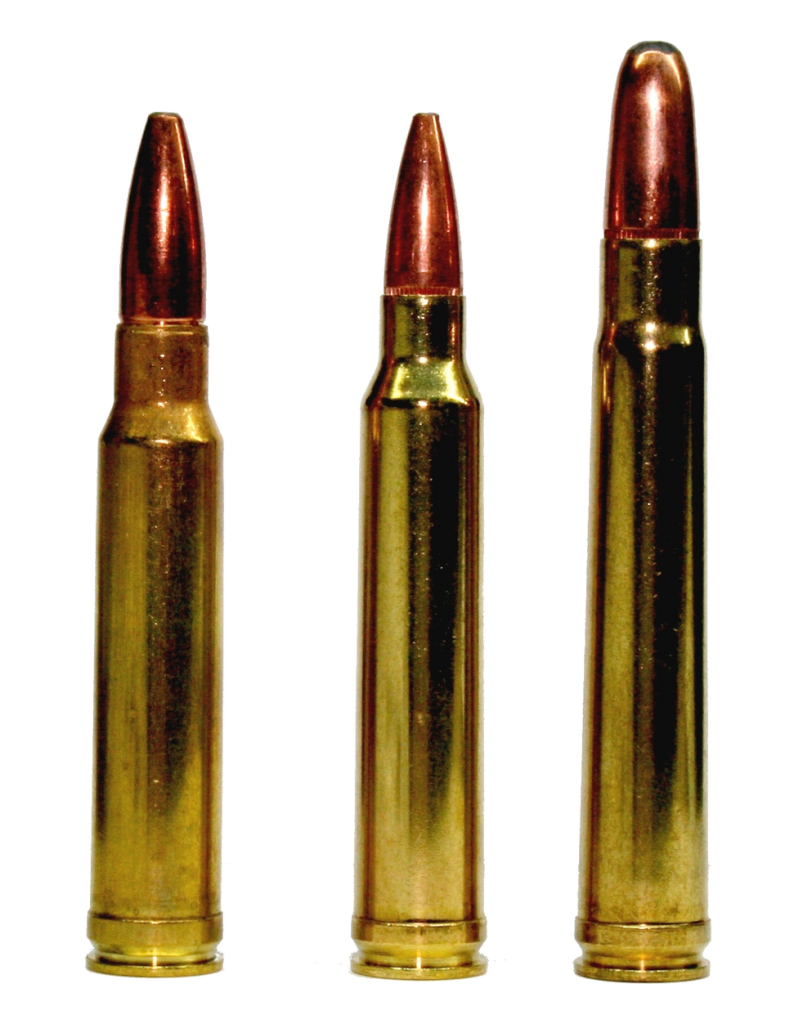
The .300 Winchester Magnum has become a default answer whenever elk discussions turn to retained power. That reputation comes from simple math: it launches heavier .30-caliber bullets fast enough to hold substantial energy far beyond the distances where standard cartridges begin to taper off.
It is not just about muzzle speed. The cartridge performs best with bullets heavy enough to use its capacity well, often 190 grains or more when maximum downrange authority is the goal. One reference noted that a 178-grain ELD-X load produces over 2,000 foot-pounds of energy at 400 yards, which helps explain why the chambering remains so common in elk country. Recoil is substantial, but the payoff is clear retained power.
6. .338 Winchester Magnum
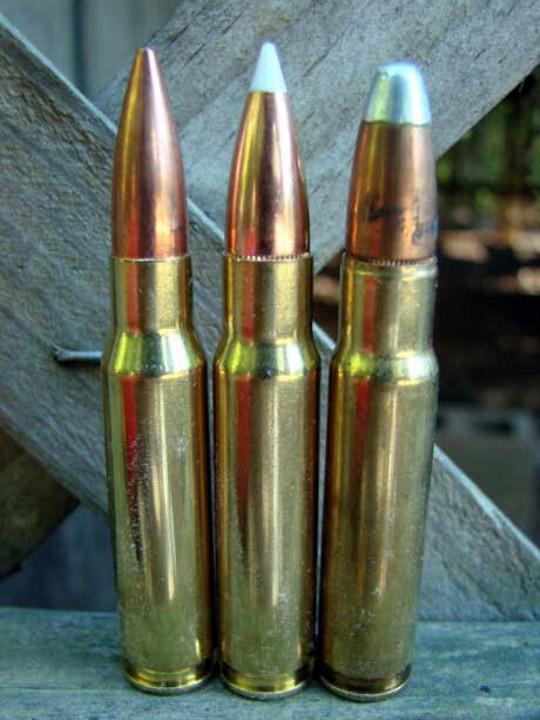
The .338 Winchester Magnum keeps its place by combining frontal diameter, bullet weight, and momentum in a package that still fits conventional hunting rifles. It is not a specialist round in the modern sense, but it continues to deliver heavy impact on large-bodied game.
For elk-sized animals, this cartridge is often used with 200- to 225-grain bullets, giving it a strong blend of penetration and close-range authority. It also appears repeatedly in moose and elk references because it handles difficult shot angles and dense tissue better than lighter calibers. Recoil is significant, but so is the margin it provides when hunters want a cartridge that remains forceful from timber distances to open-country shots.
7. 6.5 Creedmoor
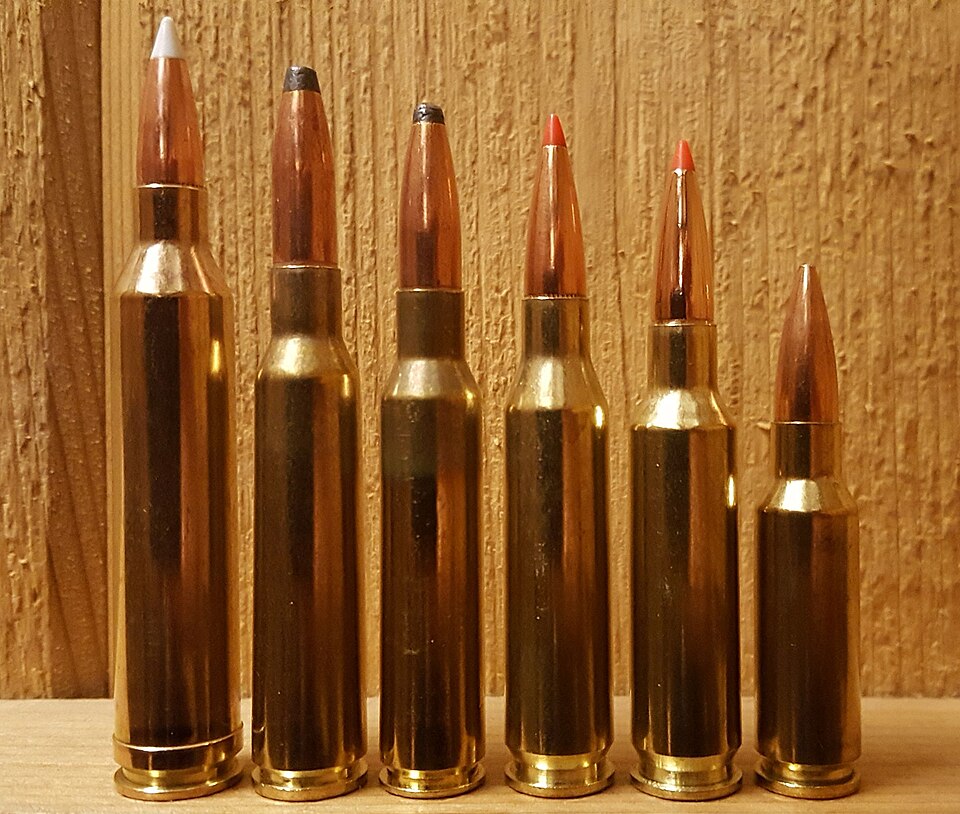
The 6.5 Creedmoor is the smallest chambering on this list, yet it belongs here because modern bullets and efficient ballistics allow it to hold useful performance farther than older expectations suggested. It is not an all-angles elk cartridge, but it does maintain enough power for disciplined use.
The key is bullet selection and restraint. Outdoor Life included it among viable moose choices, and recoil-oriented elk guidance continues to mention it for smaller-framed or recoil-sensitive shooters. With tough bullets around 140 to 143 grains, it offers deep enough penetration for broadside lung shots while preserving shootability. That last factor is not minor; recoil that stays manageable helps prevent flinching, which is one of the most common causes of poor field accuracy.
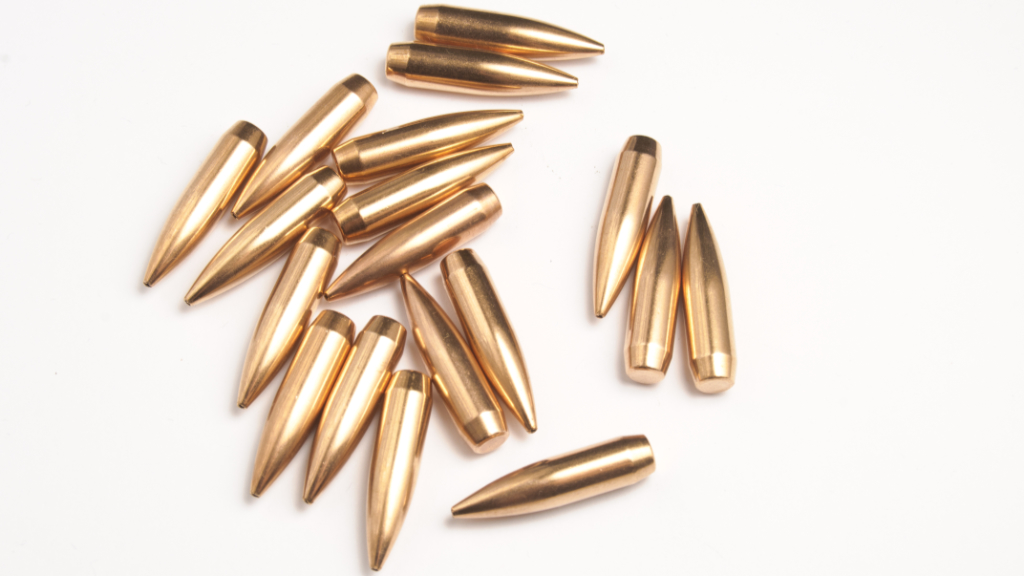
These seven calibers reach elk-sized game from different directions. Some rely on heavier bullets and larger frontal area, while others use efficiency, sectional density, and better aerodynamics to hold onto velocity and energy.
The common thread is not excess. It is the ability to deliver reliable penetration and usable downrange authority without pushing recoil past the point where accuracy begins to suffer.


