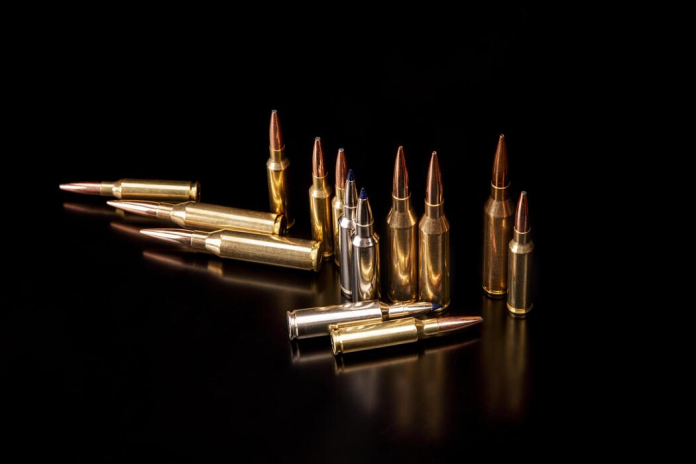
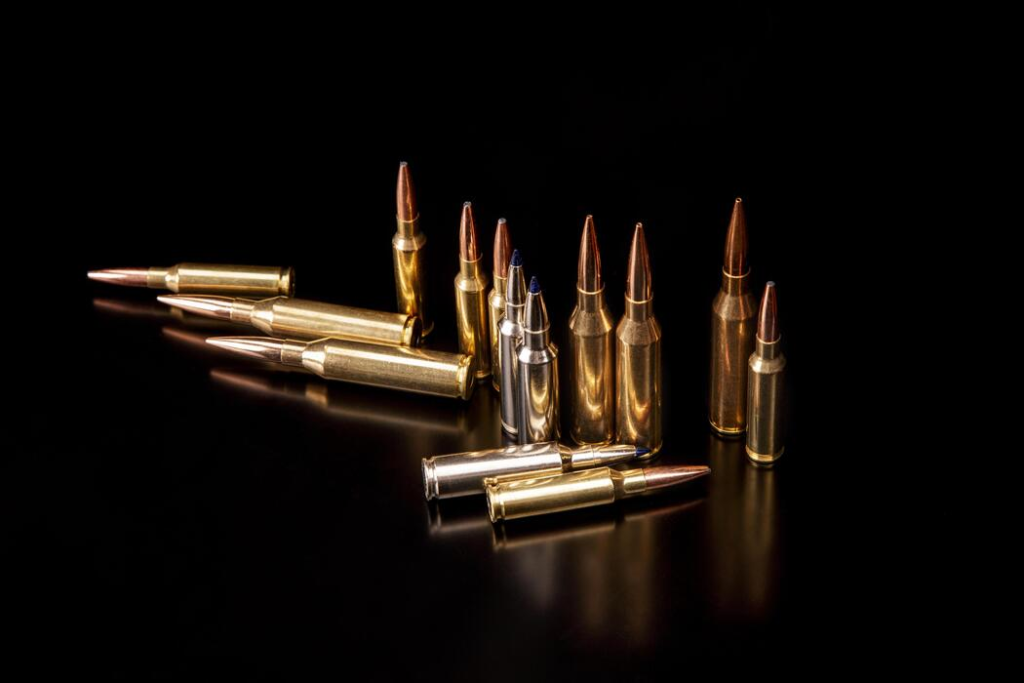
Long-range cartridge performance is not built on speed alone. The rounds that stay useful far downrange usually combine efficient bullet shape, enough muzzle velocity, and the twist rates needed to keep long bullets stable as distance increases.
That is why aerodynamic efficiency matters so much. A higher ballistic coefficient means a bullet resists drag better, holds speed longer, and gives wind less time to move it off course. The cartridges below stand out because they pair those traits with bullet weights and case designs that have made them consistent long-range performers.
1. 6.5 Creedmoor
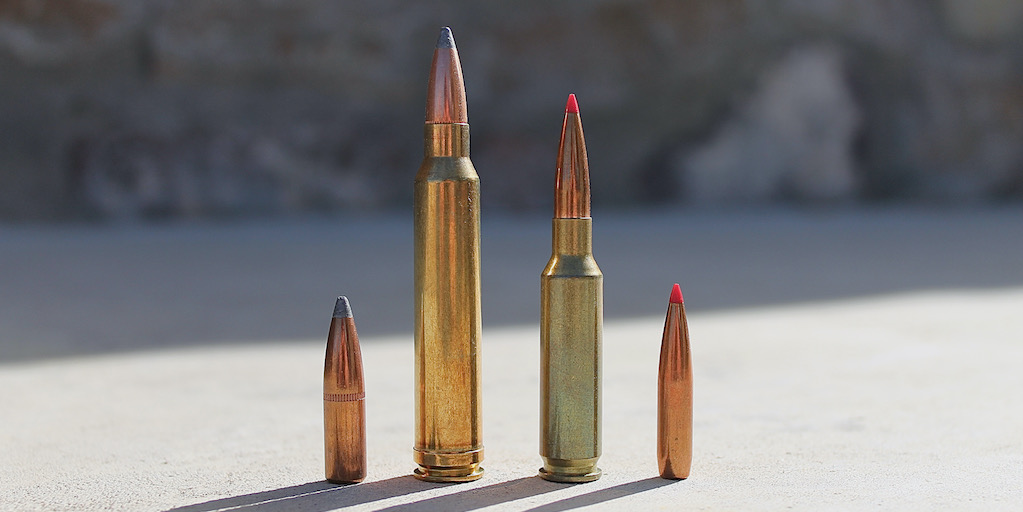
The 6.5 Creedmoor became a modern standard by doing several things well at once. It was built around long, sleek 6.5mm bullets, moderate recoil, and a short-action case layout that supports accurate loading with bullets suited to distance work.
Factory loads commonly center around 140 grains at roughly 2700 fps, and the cartridge has remained relevant because it keeps recoil manageable while still stretching well past normal hunting distances. One source notes it can stay supersonic out to 1,400 yards. Its long-range appeal is tied as much to shootability as pure ballistics, because mild recoil helps shooters spot impacts and maintain consistency.
2. 6.5 PRC
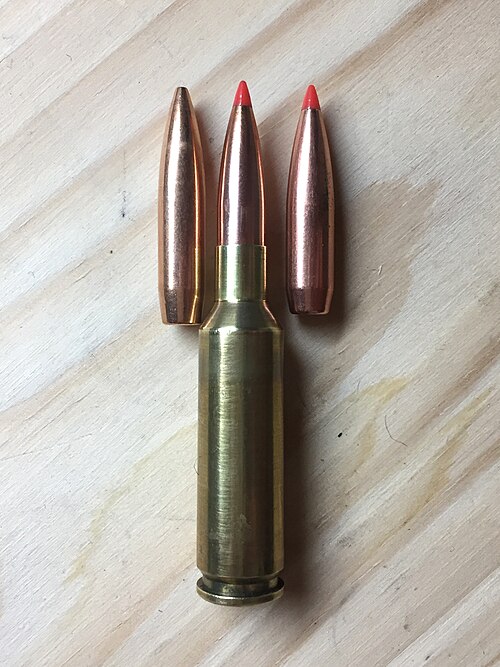
The 6.5 PRC takes the same bullet diameter and adds more case capacity, producing a faster and flatter version of the 6.5 formula. It was designed to preserve the accuracy reputation of the Creedmoor while extending useful reach.
With a 143-grain load around 2960 fps, it typically carries a noticeable edge in trajectory and wind performance. American Hunter’s comparison found the PRC delivers about 250 fps more velocity than the Creedmoor in factory form. That added speed shows up downrange, where the PRC retains more energy and usually gives less wind drift. In a 10 mph wind, averaged figures cited by Backfire put the 6.5 PRC at 13.2 inches of drift at 500 yards, better than the Creedmoor’s 16.1 inches.
3. 6.8 Western
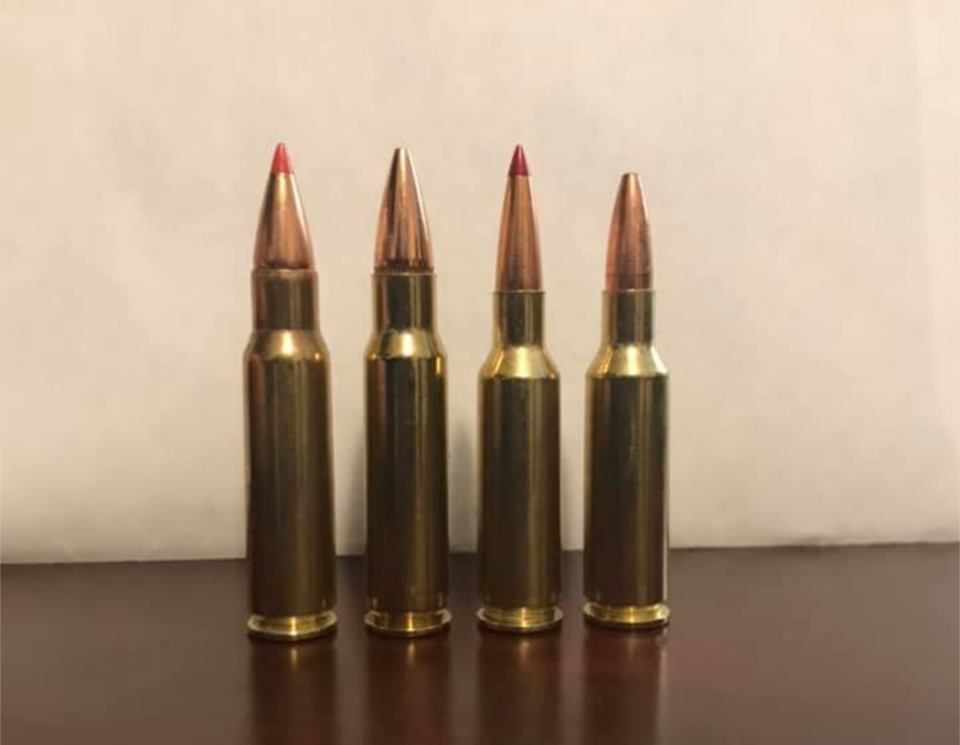
The 6.8 Western is one of the clearer examples of how twist rate and bullet design changed long-range hunting cartridges. By shortening the parent case and pairing it with a fast-twist barrel, Winchester and Browning created a .277-caliber round that can stabilize longer, heavier bullets than older .270-class cartridges usually handled.
That matters because the cartridge can use bullets up to about 175 grains with notably high BC values. Field & Stream highlighted a 175-grain load with a 0.617 ballistic coefficient, giving the cartridge a stronger long-range profile than traditional .270 offerings. It is not the fastest round in this group, but it earns its place by holding onto velocity and resisting drift through bullet efficiency rather than raw speed alone.
4. 7mm Remington Magnum
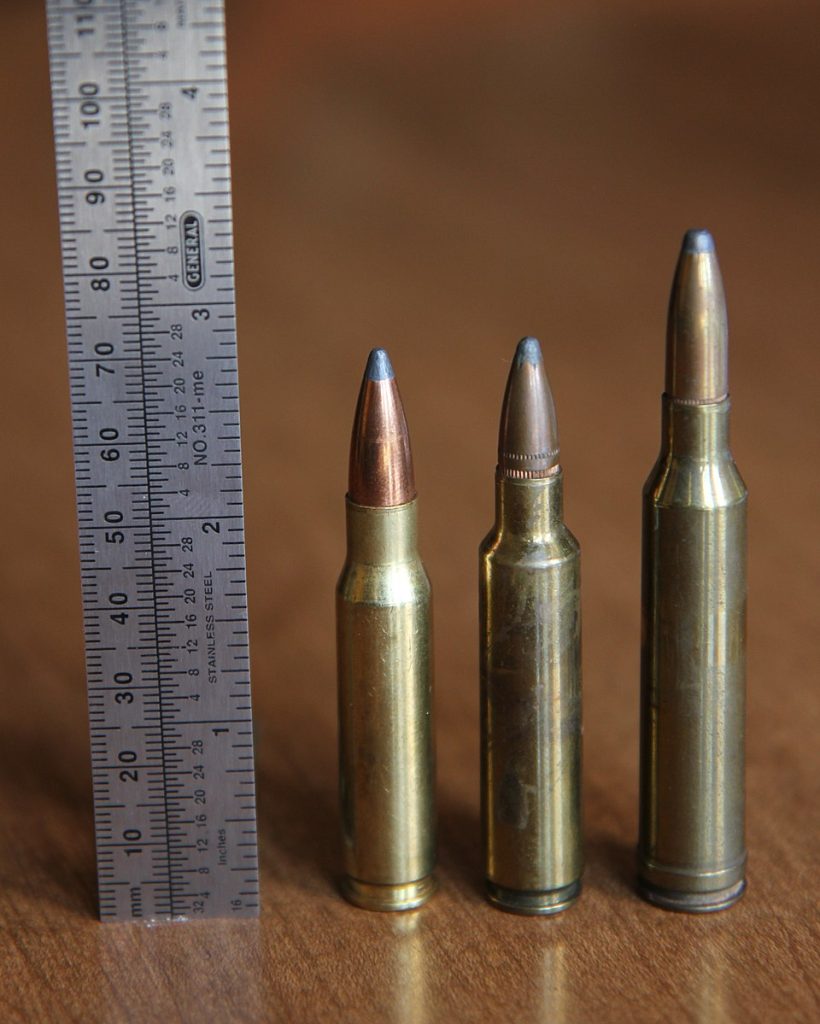
The 7mm Remington Magnum has stayed relevant for decades because 7mm bullets are naturally efficient and the case has enough capacity to push them with authority. It is one of the older long-range standards that still compares well with newer designs.
With 150- to 175-grain bullets, it offers a strong blend of speed and sectional density. Field & Stream lists it as remaining supersonic to around 1,400 yards, while Backfire’s average data shows about 14.5 inches of wind drift at 500 yards in a 10 mph crosswind. It may not be as optimized for very long, heavy bullets as some recent cartridges, but its staying power comes from proven downrange stability and broad bullet selection.
5. 7mm PRC
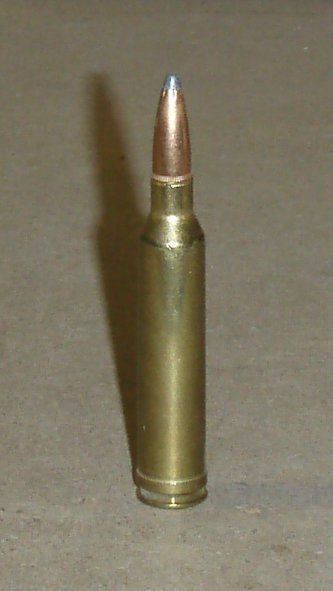
The 7mm PRC represents a more modern approach. Its advantage is not simply velocity. The bigger story is barrel twist and bullet geometry.
Field & Stream describes the cartridge’s edge as its fast 1-in-8 twist rate, which stabilizes longer and heavier bullets with higher BCs than older 7mm magnums were built around. With a 175-grain ELD-X carrying a 0.689 BC, the 7mm PRC holds energy and trajectory impressively at distance. It has quickly become one of the clearest examples of a cartridge engineered around modern projectile design rather than adapted to it afterward.
6. .280 Ackley Improved
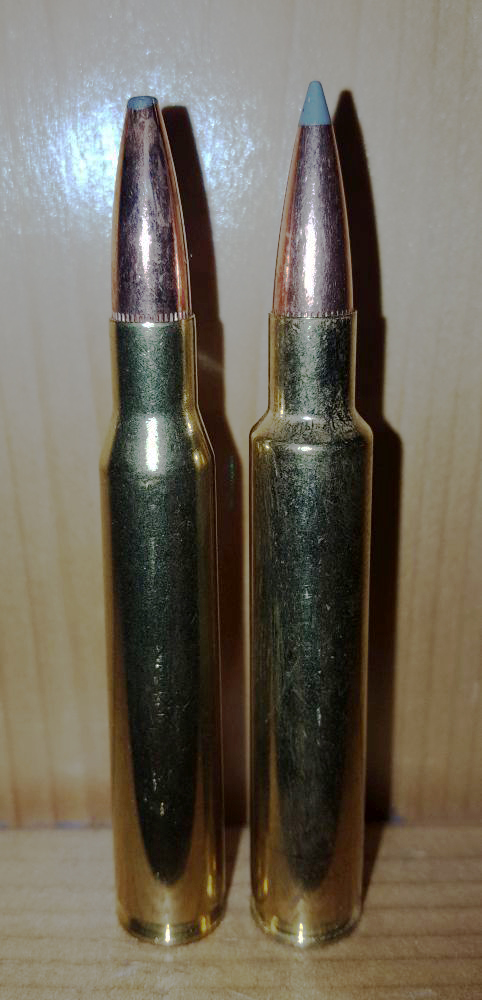
The .280 Ackley Improved sits in an interesting middle ground. It approaches 7mm magnum territory in performance, but does so with a reputation for smoother recoil and flexible bullet weights.
That balance helps it maintain stability at range without becoming excessive in rifle weight or punishment. American Hunter noted Federal’s 155-grain Terminal Ascent load retaining 1,637 ft.-lbs. at 500 yards with only 37.7 inches of drop from a 200-yard zero. It is not as flashy as newer PRC or Nosler cartridges, but it remains one of the most practical high-efficiency 7mm options in the field.
7. .300 Winchester Magnum
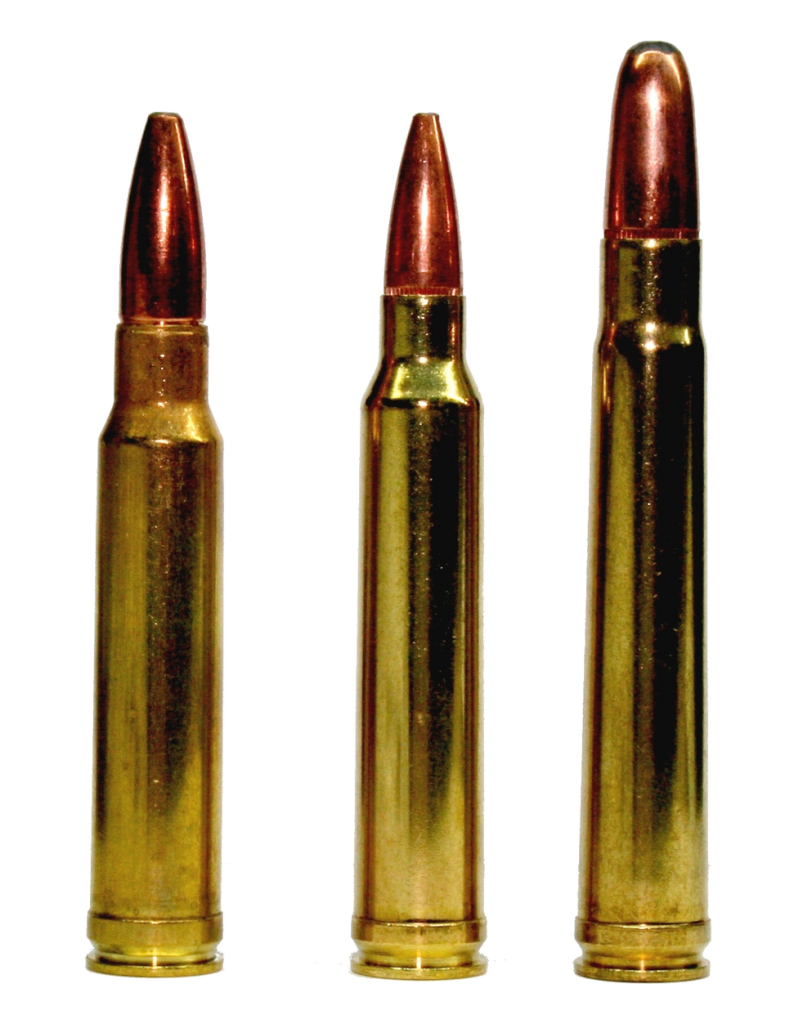
The .300 Winchester Magnum stays in this conversation because it drives heavy .30-caliber bullets fast enough to keep them effective well past ordinary distances. That combination of weight and speed gives it a different kind of stability, especially when wind begins to matter.
Field & Stream describes it as remaining supersonic beyond 1,650 yards, and its better long-range loads pair 180-grain or heavier bullets with BCs above 0.600. Recoil is clearly higher than the 6.5mm and many 7mm options, but the cartridge’s reputation rests on reliable energy retention, wide ammunition support, and the ability to launch heavy, streamlined bullets with real authority.
8. .28 Nosler
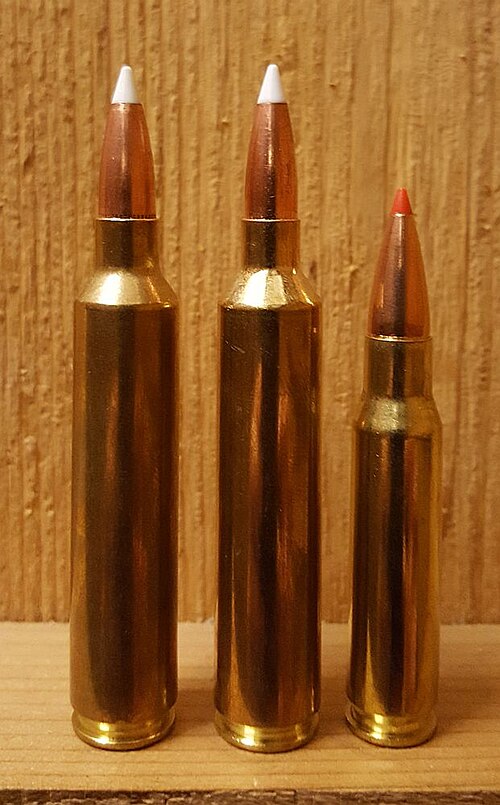
The .28 Nosler is built for shooters who want very high retained velocity from a 7mm platform. It uses a large-capacity case to push heavy, aerodynamic bullets to speeds that reduce both drop and time of flight.
That formula produces standout wind performance. Backfire’s averaged table places the .28 Nosler at 12.3 inches of drift at 500 yards and 56.6 inches at 1,000 yards in a 10 mph wind, making it one of the strongest wind-bucking cartridges in common sporting use. The tradeoff is recoil, but in pure external-ballistics terms, it is one of the clearest examples of a cartridge that keeps velocity and stability deep into long range.
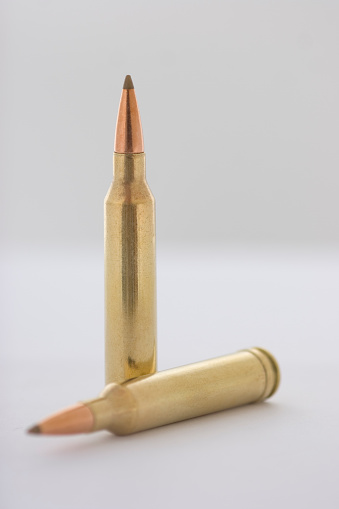
The common thread across these cartridges is simple: they stay effective at distance because bullet design, twist rate, and velocity work together. Some rely on mild recoil and efficient 6.5mm bullets, others on high-BC 7mm projectiles, and some on sheer magnum-level horsepower.
What separates the better long-range rounds is not just how fast they start, but how well they keep that speed and remain stable when wind, drag, and distance begin stripping away easy performance.


