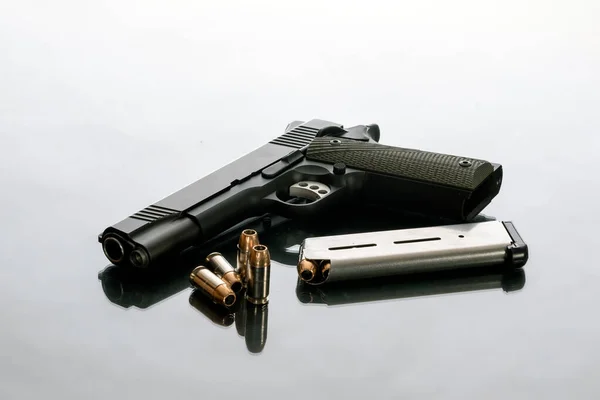
Ballistic gel is often treated like either gospel or gimmick. It is neither. In handgun testing, gel is best understood as a controlled comparison tool that strips away some of the noise around caliber debates, expansion claims, and old range lore.
That matters because handgun bullets live in a narrow performance window. A load can expand beautifully and still stop short, or penetrate deeply only because it failed to expand at all. Across repeated tests, the same myths keep running into the same problem: measurable results.
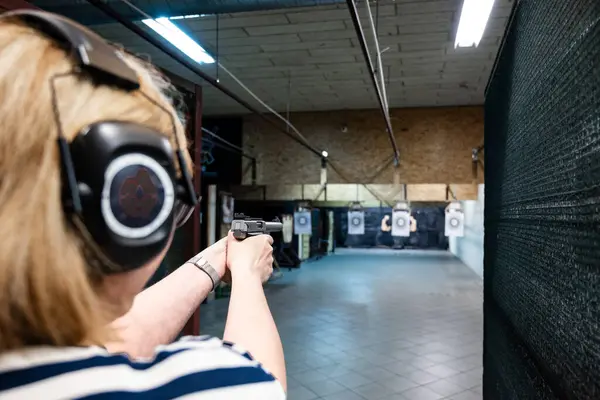
1. Handgun rounds have enough force to knock people backward
Gel tests do not show a physics-based “knockdown” effect. What they show is penetration depth, bullet deformation, and the size of the permanent crush path. That lines up with the blunt observation from large-scale handgun testing that bullets largely “poke little holes” rather than producing cinematic impacts.
For handguns, the important evidence is the permanent cavity, not dramatic movement of the target medium. Test data repeatedly reinforces the same point: bullet placement and adequate penetration matter more than any myth about raw impact force.

2. If a hollow point expands, it worked
Expansion alone is not the goal. A bullet that opens quickly and wide can still fail if it does not reach sufficient depth to disrupt vital structures, especially when angles, limbs, or heavier body mass complicate the path.
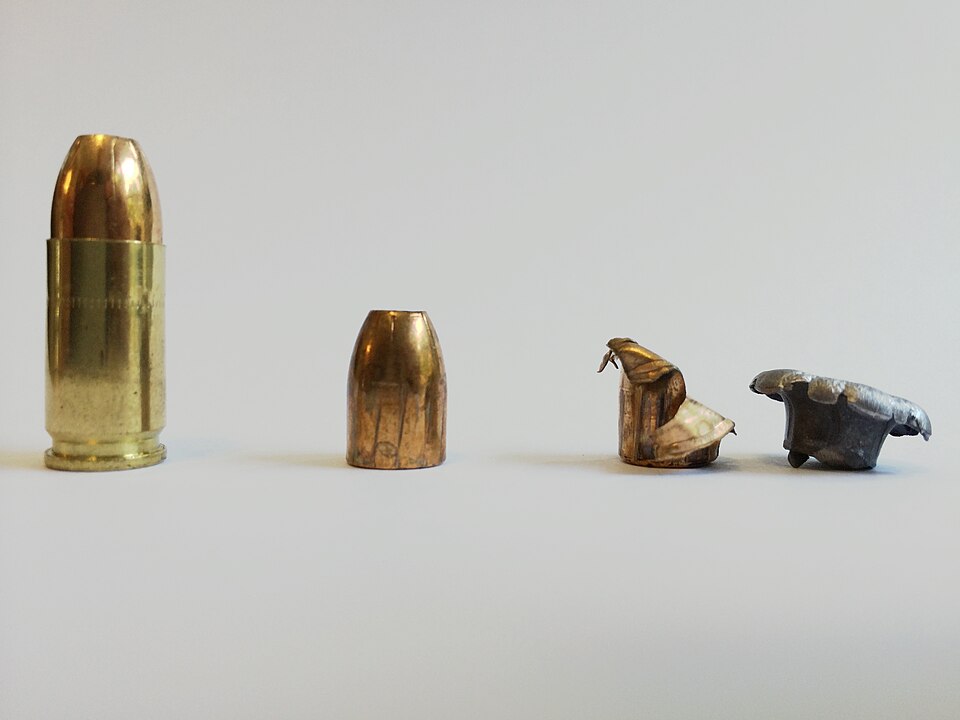
The common benchmark remains 12 to 18 inches of penetration in calibrated gel. That range exists because handgun wounds are not straight-line textbook events. A recovered bullet with an impressive mushroom shape may look ideal in a photo, but gel often shows that aggressive expansion can trade away the depth a handgun round still needs.
3. More penetration is always better
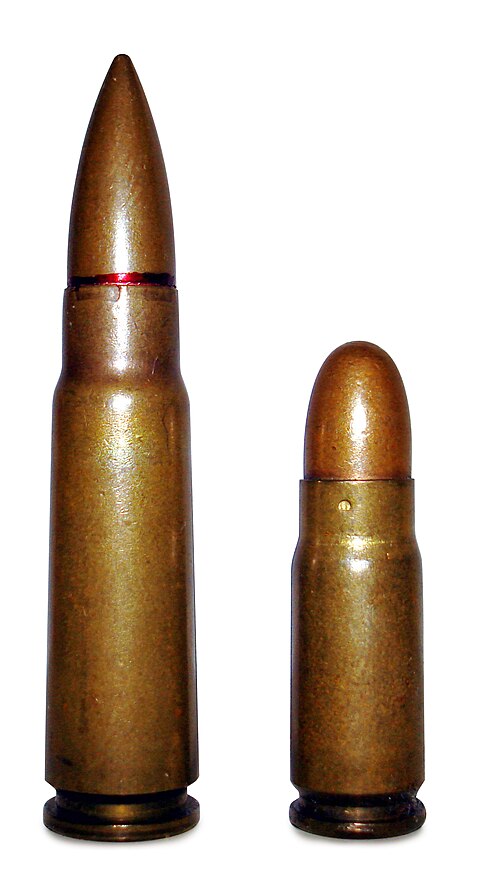
Gel data keeps pushing back on that idea. Non-expanding or poorly expanding rounds often drive very deep, and that is not automatic proof of superior terminal performance. In many tests, full metal jacket or clogged hollow points travel straight with limited deformation, raising concerns about exit potential rather than demonstrating better balance.
Many evaluators still center on the FBI-style 12–18 inch window because it aims to balance reach with control. Once a bullet goes well beyond that range, the discussion shifts from useful penetration to unnecessary travel.
4. Heavy clothing no longer matters with modern hollow points
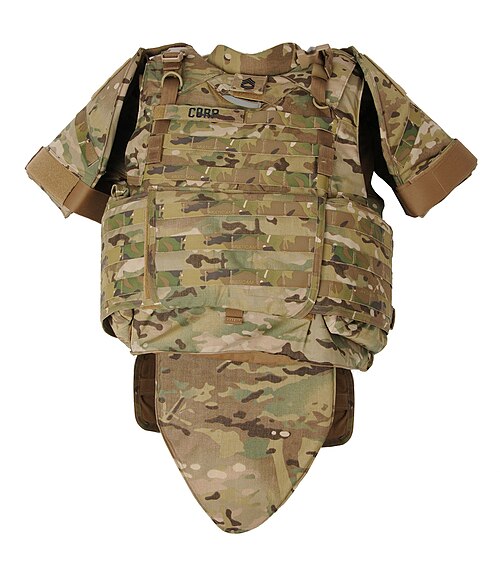
It still matters. A great deal. One reason heavy-clothing tests remain relevant is that fabric can clog the nose cavity and turn an expanding bullet into something behaving more like a solid. The usual protocol uses four layers of heavy clothing to stress bullet design in a repeatable way, not because people dress in that exact stack every day, but because it creates a consistent worst-case challenge.
Repeated five-shot trials have shown that some loads expand reliably through fabric while others vary noticeably from shot to shot. That variability is one of the most useful things gel reveals.
5. Temporary cavity is the real story in handgun performance
High-speed footage can make handgun bullets look more destructive than they really are. Synthetic gel especially can exaggerate the visual “ballooning” around the wound track, which is why experienced testers keep returning to penetration and recovered-bullet shape instead of dramatic slow-motion clips.
At handgun velocities, the temporary cavity is generally a poor predictor compared with the permanent wound channel. Gel testing keeps narrowing the conversation back to what is repeatable: how far the bullet goes, whether it expands, and whether it does so consistently.
6. Ballistic gel is useless because it is not a human body
Gel is not meant to be a literal human replica. It is a standardized soft-tissue simulant used because real bodies vary too much for fair comparison. That distinction matters.
People have skin, bones, tendons, organs, and shifting angles. Gel does not. But controlled media still allow direct load-to-load comparisons, which is exactly why agencies and independent testers use it. Even consumer-focused testing has expanded to hundreds of handgun loads, including more than 200 tested loads across multiple calibers and barrel lengths. The point is not to predict every real-world outcome. The point is to identify which bullets behave reliably under the same conditions.
7. Faster and lighter always beats slower and heavier
Velocity by itself does not settle the argument. Hollow points are built to operate inside a fairly narrow speed band, and when impact velocity moves outside that window, the result can swing in either direction.
If speed is too low, the bullet may not open. If speed is too high, it may overexpand, shed petals, or fragment, cutting penetration short. As one summary from older FBI-derived discussion put it, increased velocity can reduce penetration once deformation begins. Gel testing repeatedly shows that bullet construction governs the outcome as much as muzzle speed.
8. A hollow point either works or fails, with no middle ground
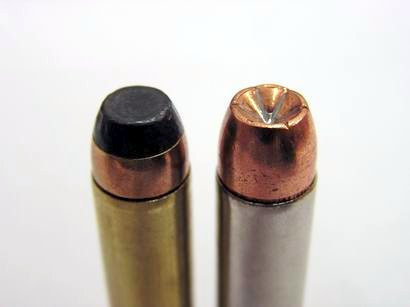
One recovered bullet can be misleading. Multi-shot gel testing shows that many loads live in the gray area between flawless expansion and total failure. Some rounds open fully in one shot, partially in the next, and clog on another.
That is why repeatability matters more than a single photo-ready result. Test programs that fire multiple rounds per condition often expose loads that are acceptable on average but inconsistent in practice. A bullet that expands four times out of five tells a different story than one that does it every time.
Gel testing does not replace range work, reliability testing in the actual firearm, or sound judgment. It does something more modest and more useful: it filters myth through repeatable evidence.
For handgun ammunition, that evidence keeps pointing toward the same durable priorities adequate penetration, dependable expansion, and consistency across repeated shots. Everything else tends to get smaller once the gel blocks come out.


