
Artificial intelligence has turned the data center from a quiet back-end utility into one of the defining pieces of industrial infrastructure. The shift is not only about more servers. It is about denser computing, larger campuses, tighter cooling demands, and power needs that now rival heavy industry.
The central engineering question is no longer whether more AI facilities will be built. It is whether electric systems designed for steadier growth can absorb a wave of new loads arriving far faster than generation, transmission, and interconnection projects typically move.
1. AI workloads are changing what a data center is
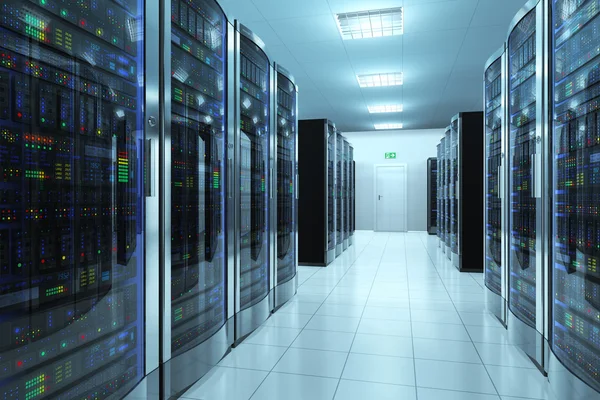
Traditional data centers already consumed large amounts of electricity, but AI facilities operate at a different intensity. MIT researchers noted that a generative AI training cluster can use seven to eight times the energy of a typical computing workload, largely because advanced models run on densely packed accelerators that create far higher power and cooling loads. That changes building design, electrical architecture, and the scale of utility service required before a site can even open. This is why the current expansion is not a simple extension of cloud computing. It is a redesign of digital infrastructure around much heavier, more constant demand.
2. The load forecasts have become too large to ignore
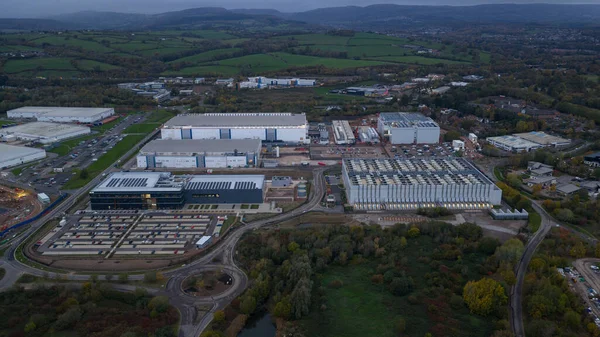
The numbers now attached to AI-related growth are no longer marginal. Goldman Sachs Research has projected global power demand from data centers to rise 165% by 2030 from 2023 levels. The International Energy Agency places data-center electricity use at about 415 TWh in 2024 and expects it to approach 945 TWh by 2030 in its base case. In the United States, Lawrence Berkeley National Laboratory estimates cited in the reference material show data centers at 4.4% of national electricity use in 2023, with a path toward much higher shares within only a few years. Forecast uncertainty remains real, especially as chip efficiency and model design evolve. But even the conservative cases point to a step change in demand.
3. Grid construction runs on a slower clock than AI expansion
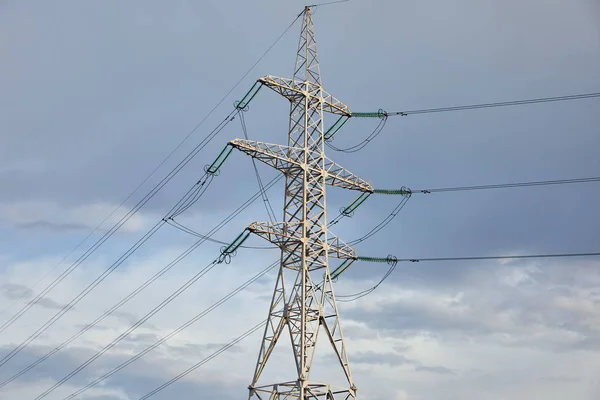
One of the most important mismatches is timing. Data centers can be developed and fitted out quickly, while transmission lines, substations, and power plants move through multiyear permitting and construction cycles. The reference material describes data centers reaching operation in roughly 12 to 18 months in some cases, while major power infrastructure often takes at least five years to build and connect. That gap matters because utilities cannot deliver new capacity on software timelines. Even when money is available, transformers, turbines, switchgear, land approvals, and workforce constraints still set the pace.
4. The biggest bottleneck is often not generation, but interconnection
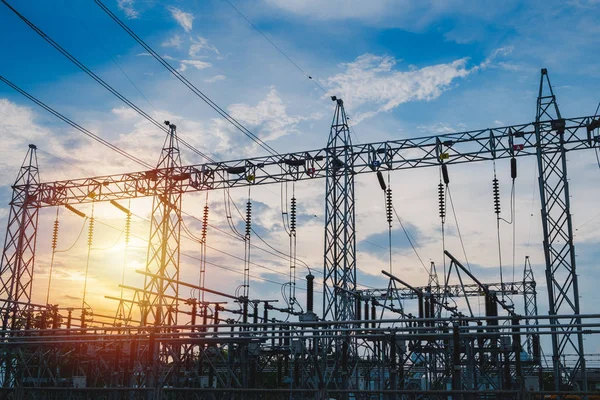
Electric grids are physical networks, not abstract markets. A region may have enough power in theory while lacking the local transmission capacity, substation upgrades, or queue position needed to serve a large AI campus. BloombergNEF described site selection increasingly revolving around available grid capacity, land, and permits rather than legacy preferences alone. That is helping push development beyond the best-known hubs, but it does not remove the bottleneck. It simply relocates the search for scarce electrical headroom.
5. Utilities and hyperscalers are being forced into a new relationship
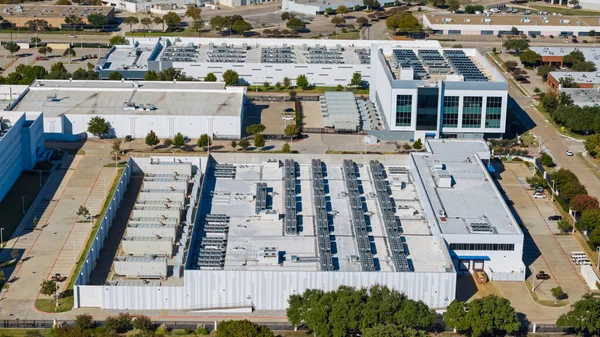
AI has exposed a structural contrast between the technology sector and regulated utilities. Utilities are built around long-lived physical assets and formal approval processes; hyperscalers are used to moving capital quickly when demand appears. As one reference article put it, “The AI revolution isn’t just about chips or advances in machine learning. It’s about wires and power plants.” That makes collaboration less optional than it once seemed. Utilities still control system planning and interconnection, while technology firms bring capital, urgency, and a willingness to secure dedicated energy arrangements when the central grid cannot move fast enough.
6. Behind-the-meter power is becoming part of the buildout strategy
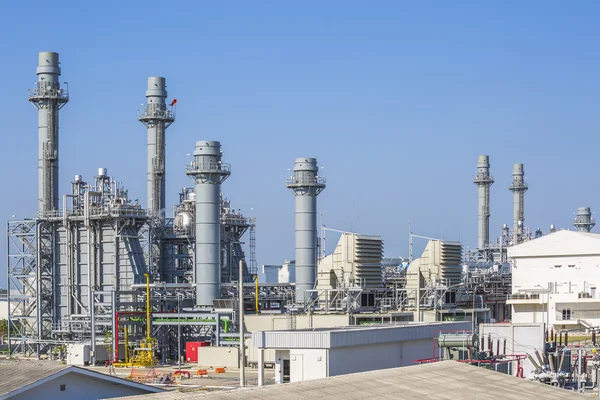
Because waiting for conventional grid upgrades can delay projects for years, some developers are pairing data centers with on-site or directly associated generation. The reference material points to combinations of natural gas, nuclear, renewables, and battery storage in behind-the-meter setups that can reduce strain on the broader network and accelerate project timelines. These arrangements do not eliminate dependence on the wider grid, but they can soften the immediate collision between AI demand and limited transmission capacity. They also shift engineering attention toward reliability, fuel supply, and local environmental impacts.
7. Efficiency gains may help, but they do not erase the infrastructure problem
Better model design, improved chips, and software techniques can reduce electricity per unit of computation. The IEA includes efficiency-sensitive scenarios, and BloombergNEF notes that new architectures can moderate training demand. Yet efficiency has not stopped total consumption from rising, because overall AI deployment keeps expanding across training, inference, and fine-tuning. Inference may be especially important over time. Once models are released into everyday products, power use no longer comes only from headline-grabbing training runs; it becomes embedded in millions of routine interactions.

8. Flexibility may become as valuable as raw megawatts
One of the more consequential ideas in the current debate is load flexibility. A Duke study cited in the reference material found that shifting or briefly pausing data-center operations during peak demand could allow the United States to accommodate 100 gigawatts of data-center growth without additional generation or grid infrastructure. That is a striking figure because it reframes AI facilities not only as massive loads, but also as controllable ones. Some regulators are moving in that direction. Texas has adopted rules requiring certain large users to curtail during grid stress, and proposals in PJM would make some large data-center loads interruptible if they do not bring new supply with them.
9. Local impacts are turning grid planning into a community issue
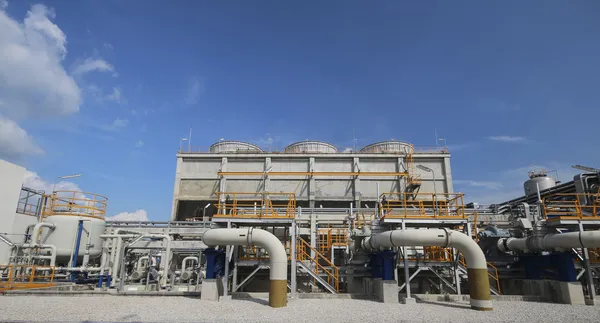
Power demand is only one side of the equation. Cooling water use, local air quality, land use, and utility-rate design all affect whether communities accept large new facilities. MIT notes that data-center cooling can require roughly two liters of water per kilowatt-hour consumed, while the NRDC material describes how backup or on-site fossil generation can intensify local pollution burdens around some projects. This is where engineering choices meet public legitimacy. If AI infrastructure is seen as raising household rates or concentrating environmental burdens, project resistance becomes another source of delay.
10. The grid can keep up only if AI buildouts start paying for system upgrades
The long-term question is not whether more power can be produced. It is whether the institutions around grid expansion can assign costs, speed approvals, and add cleaner supply without pushing the burden onto ordinary customers. Several utilities have already proposed tariffs and interconnection rules that require large loads to cover more of the infrastructure they trigger. That approach aligns the economics more closely with the physics. A multi-gigawatt AI campus behaves less like an ordinary commercial customer and more like a major industrial project, which means grid planning, rate design, and resource adequacy have to treat it that way.
AI data centers are surging because demand for computation is surging. The power grid is not failing so much as revealing its age, its pace, and the assumptions it was built around. Keeping up will depend on a mix of faster interconnection, new generation, transmission expansion, smarter tariffs, and flexible operation. The engineering challenge is large, but it is now clear: the future of AI will be shaped as much by substations, cooling loops, and transmission corridors as by chips and models.


