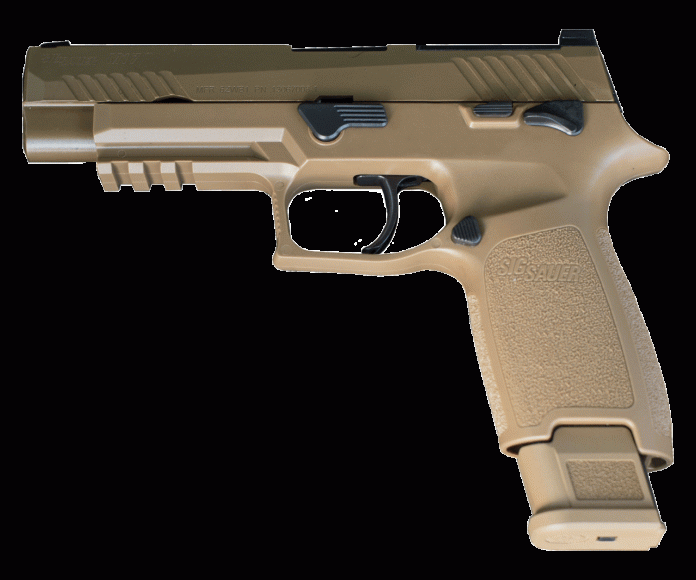
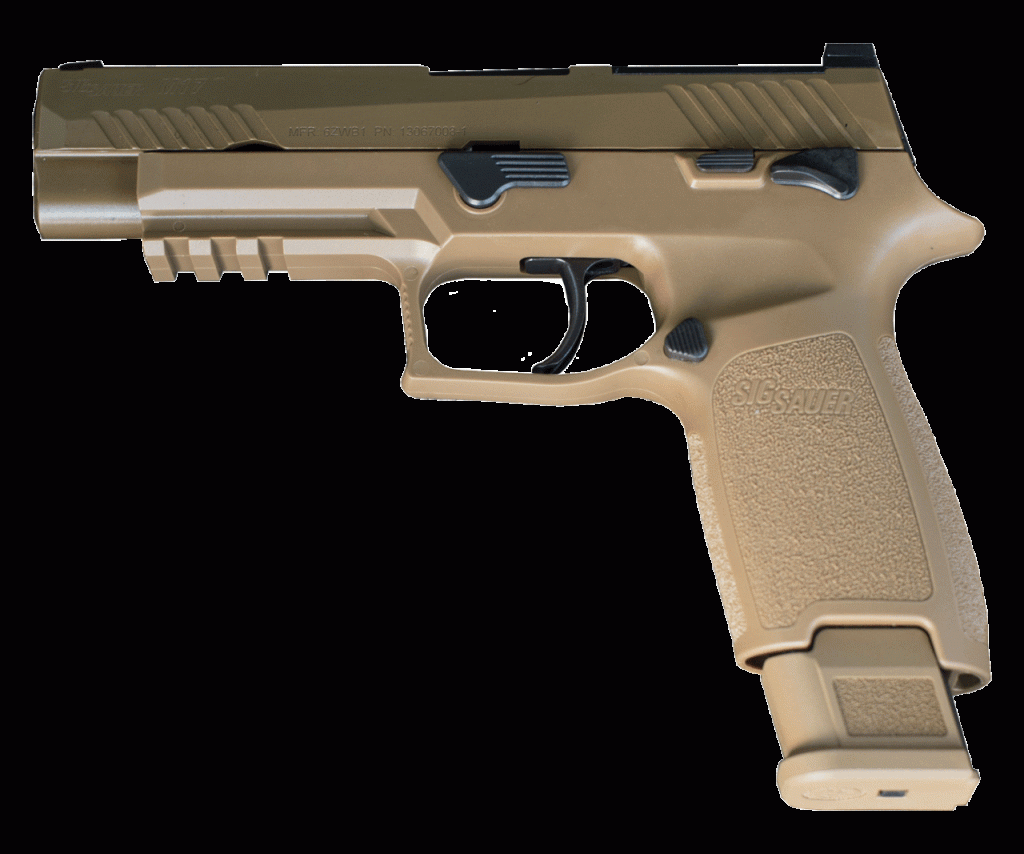
Handgun design moved hard toward lighter frames, simpler triggers, and modular accessories. That shift made polymer service pistols feel like the permanent answer. Yet some older sidearms and a few long-established standouts still hold ground for a simple reason: mission use has never been judged by trends alone. Elite users, specialized teams, and institutional programs have kept certain handguns relevant because weight, durability, and controllability still matter when a pistol must run under stress, through neglect, or across very high round counts. These five handguns show why proven sidearms continue to earn space on modern kit.
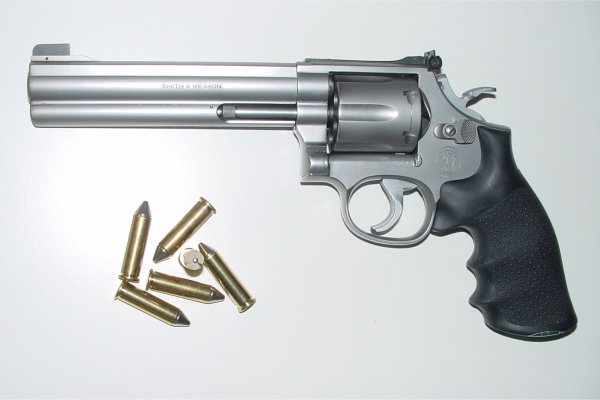
1. Smith & Wesson Model 686
The Model 686 remains one of the clearest examples of a handgun built around endurance rather than convenience. Its stainless L-frame was developed to handle a regular diet of full-power .357 Magnum ammunition without shooting loose, and that heavy construction is exactly why the revolver still commands respect. Mass works in its favor. Recoil feels flatter, the sights settle quickly, and long double-action strings stay more manageable than many lighter revolvers allow.
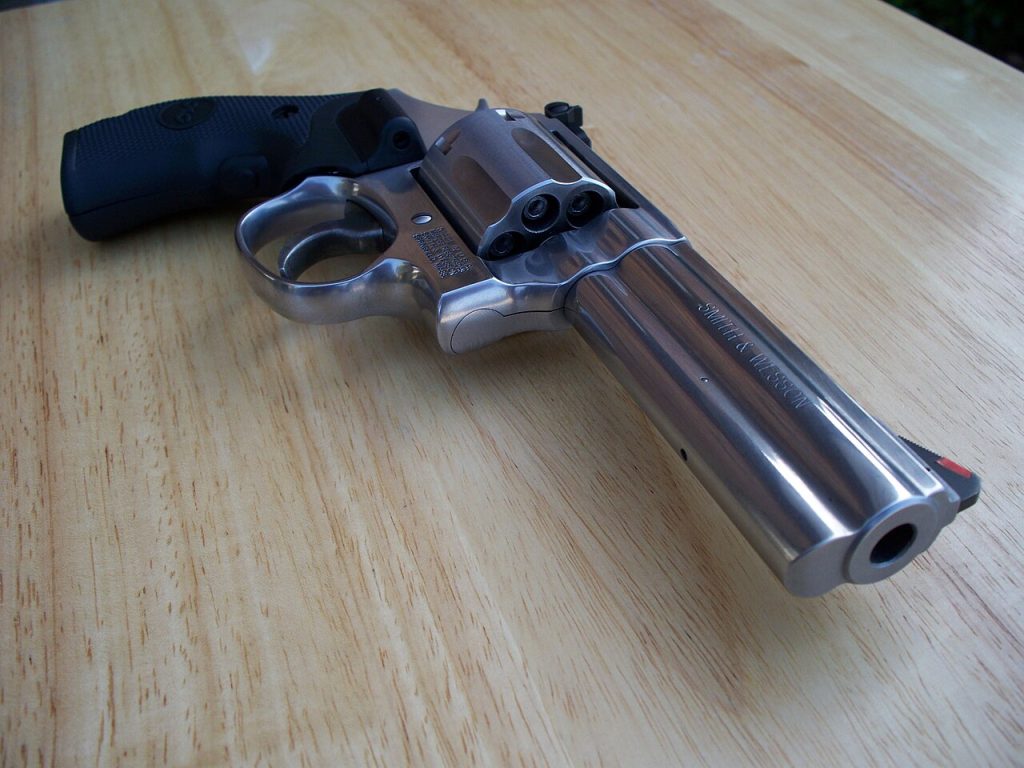
Its appeal is also mechanical. A revolver removes magazine variables, feed geometry, and slide timing from the equation, which gives it a narrow but lasting niche where simplicity is valued over capacity. The 686 also built a broad service record in law enforcement trim, and some versions weighed 48 ounces, a figure closely tied to its reputation for recoil control and longevity.
2. SIG Sauer P226
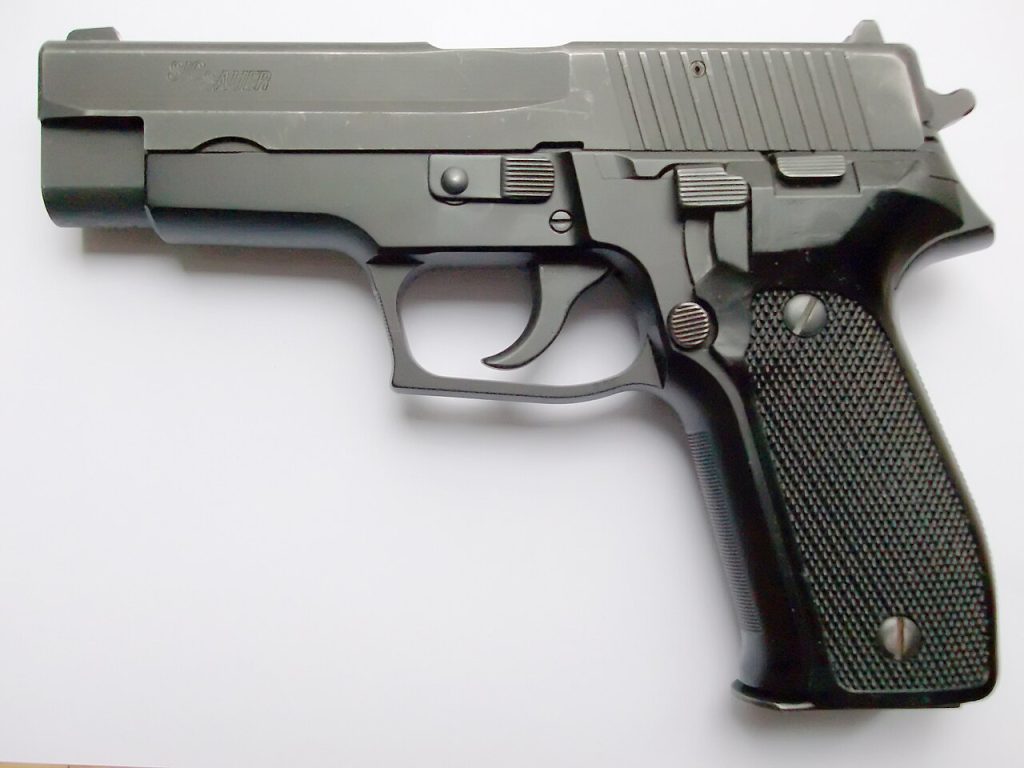
The P226 earned its standing the hard way: through institutional trials, field use, and years of trust from specialized users. Its origin is tied to the U.S. military’s search for a modern 9mm service pistol, where it emerged as one of the two technically acceptable finalists in the XM9 competition. It ultimately lost to Beretta, but the platform never faded into irrelevance.
The reason is easy to understand. Its alloy frame trims some weight without losing the steady feel of a full-size service pistol, and its double-action/single-action system with decocker gives users a deliberate first pull and a familiar administrative safety path. The pistol also gained unusual prestige through long association with naval special operations and other elite users who valued accuracy, ruggedness, and smooth recoil behavior. In a market crowded with striker-fired replacements, the P226 still represents the mature end state of the classic service pistol formula.
3. Glock 19
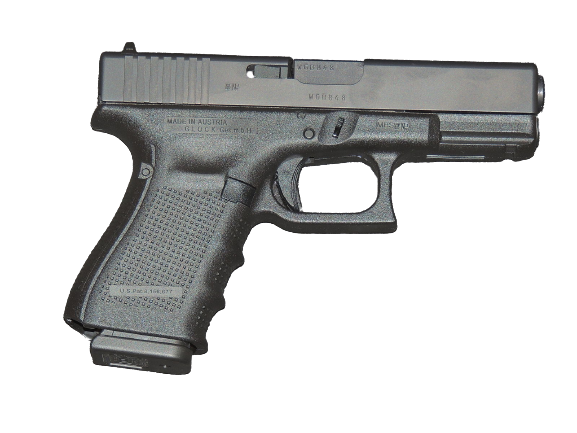
The Glock 19 is the outlier here because it is not heavy metal at all, but leaving it out would ignore how elite handgun use actually evolved. Compact enough to carry discreetly and large enough to serve as a fighting pistol, it became a practical bridge between duty and concealment roles. Its consistent striker-fired trigger, low parts count, and reputation for functioning through neglect made it especially attractive to units that wanted less complexity and more standardization.
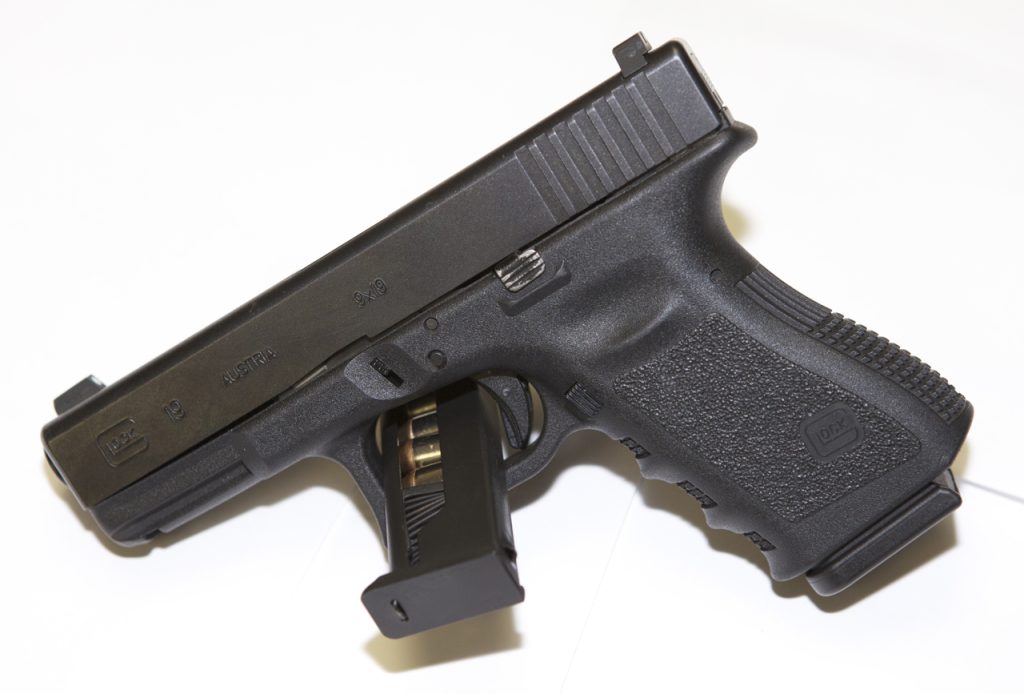
Its special-operations story is more specific than many shorthand summaries suggest. U.S. Army Special Forces pushed for the Glock 19 to meet a compact-pistol requirement, and the pistol’s broader spread followed because it had already passed Special Operations operational and endurance testing. Durability has helped sustain that reputation. One widely documented long-term example reported a Glock 19 crossing 30,000-round mark without cleaning while still functioning, reinforcing the design’s image as a pistol that tolerates hard use with little drama.
4. Beretta 92 / M9
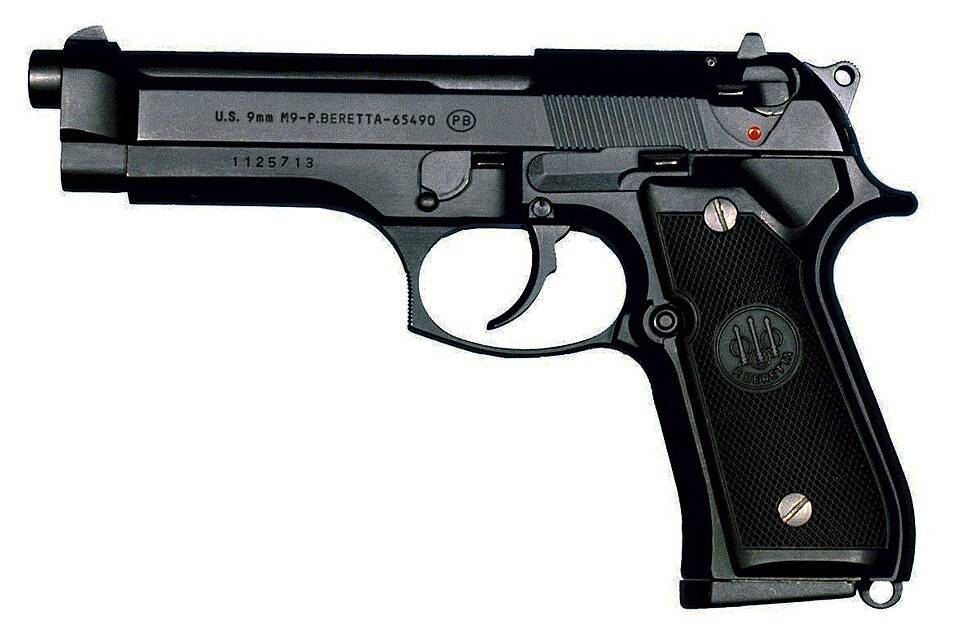
The Beretta 92 became bigger than a handgun model. It became the shape of the American service pistol for a generation. The U.S. military adopted it in 1985, after a long and often contested search for a standardized 9mm sidearm. That decision reflected NATO alignment, higher magazine capacity expectations, and a move away from the aging M1911 inventory.
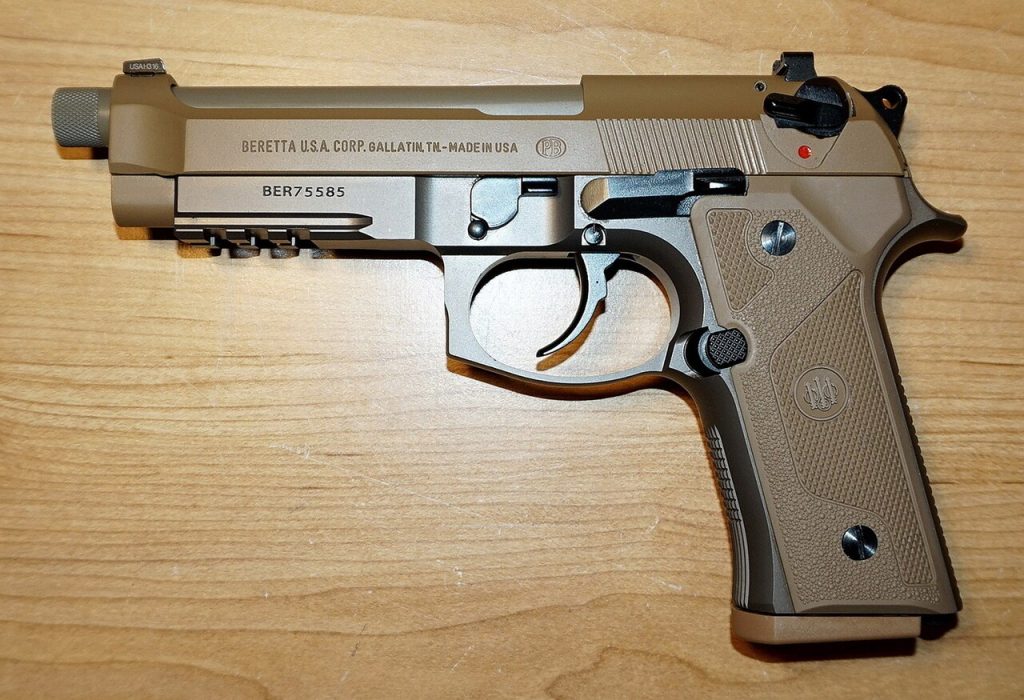
What kept the Beretta relevant was not novelty but shootability. Its open-slide design, full-size format, and alloy frame gave it a notably soft recoil impulse for a service handgun. Large controls and a long sight radius made it forgiving for broad military issue, while later variants added rails and other updates without changing its core identity. Even after the M17/M18 era began, the M9 remained a reference point for what a full-size military 9mm feels like in the hand and on the range.
5. CZ 75
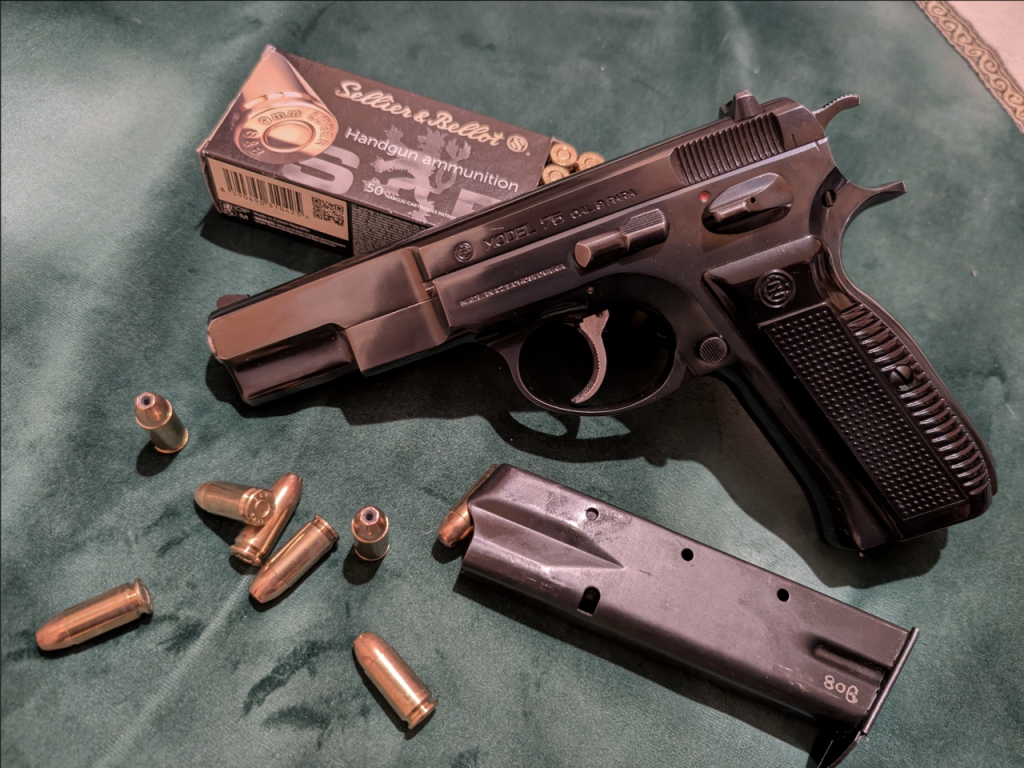
The CZ 75 has never relied on the same pop-cultural visibility as some of its peers, yet its engineering influence runs deep. Introduced in 1975, it arrived at the front edge of the high-capacity 9mm era and helped define what shooters came to expect from a serious service pistol: solid all-steel construction, excellent ergonomics, useful capacity, and practical accuracy. Its internal slide rails gave it a distinctive cycling feel, and its grip shape became one of the design’s most widely praised features. The platform also adapted better than many classic metal pistols. The family expanded into decocker models, railed variants, and polymer offshoots, while military use continued in countries including the Czech Republic and Slovakia in evolved forms of the design.
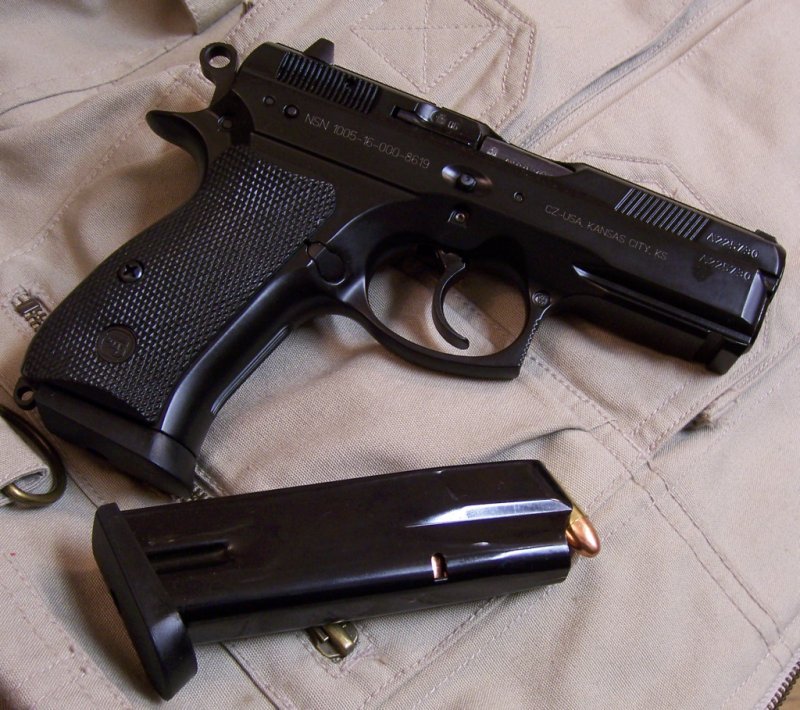
That blend of old-world steel and modern adaptability explains why the CZ 75 remains a benchmark rather than a relic. These pistols do not survive because they are old. They survive because each solved a real problem better than many replacements managed to do in the field. Some offer recoil control through mass. Some offer institutional trust built over decades. Others proved that simple, durable design could outweigh fashion. Across revolvers, alloy-frame service pistols, steel classics, and polymer compacts, the common thread is straightforward: reliability under pressure never goes out of date.


