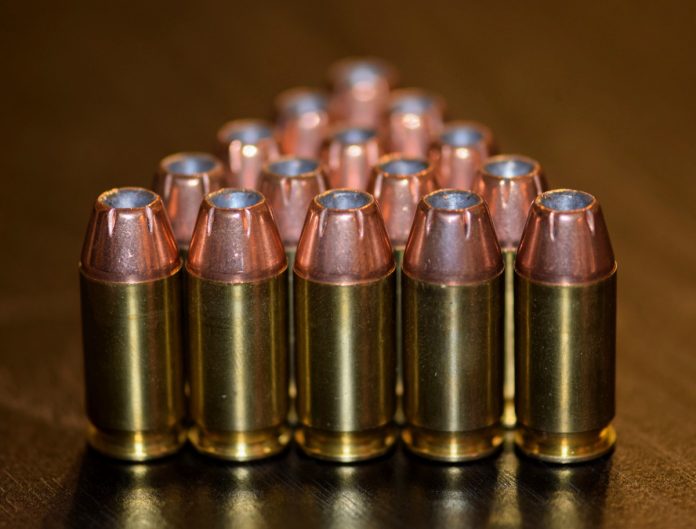
Handgun caliber debates often drift toward mythology, but the harder question is simpler: which rounds leave the least margin for error when penetration, consistency, and controllability matter most? That is where older pocket rounds, niche cartridges, and weak handgun shotshell options start to separate from service-caliber ammunition. The benchmark most often used in defensive testing remains the 12-to-18-inch penetration window, not as a measure of guaranteed lethality, but as a way to judge whether a bullet can reach vital structures after clothing or other common barriers.
Real-world datasets complicate the picture even further. Handguns in general are limited tools, and documented shootings repeatedly show that multiple hits are often needed. That makes low-performing calibers especially unforgiving when they also bring shallow penetration, erratic expansion, or weak support in modern pistols and ammunition.
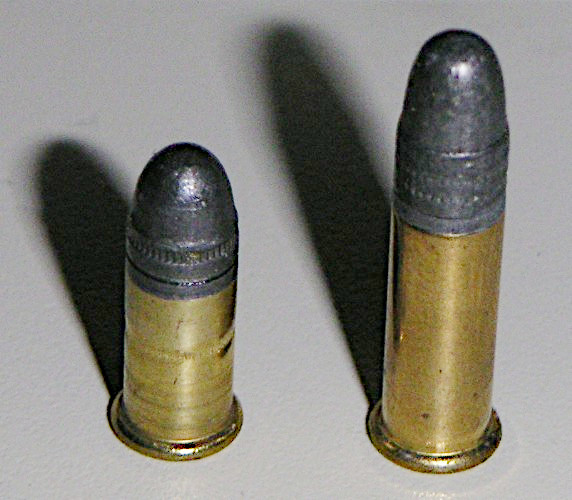
1. .22 Short
The .22 Short remains one of the oldest surviving metallic cartridges in regular circulation, and its appeal is easy to understand. It is light recoiling, low noise, and historically important, with a long legacy in casual target shooting and small pest control. Its problems begin the moment modern performance standards are applied. The cartridge carries too little energy and too little bullet weight to offer dependable penetration in handgun use, especially when bone, layered clothing, or imperfect shot angles enter the equation. Even among small calibers, it leaves almost no reserve capability. That makes it more of a museum piece with utility than a serious choice for defense or medium-game hunting.
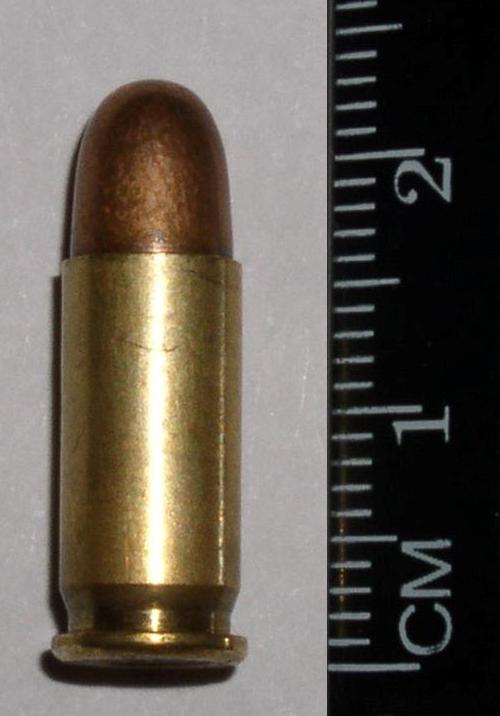
2. .25 ACP
John Browning’s .25 ACP was built to solve one weakness of tiny rimfire pistols by using centerfire priming in a compact semiautomatic cartridge. That design does bring one practical advantage: better ignition reliability than rimfire rounds in well-made pocket guns. Ballistically, though, it still struggles. In incident data summarized from nearly 1,800 real shootings, .25 ACP showed a 35% failure-to-stop rate, one of the weakest figures in the field. Gel testing has long shown why: expanding bullets often underperform, while full metal jacket loads may gain penetration but still do not create much tissue disruption. It works best as a reminder that ignition reliability alone cannot compensate for a cartridge with very little reach.
3. Original .32 S&W
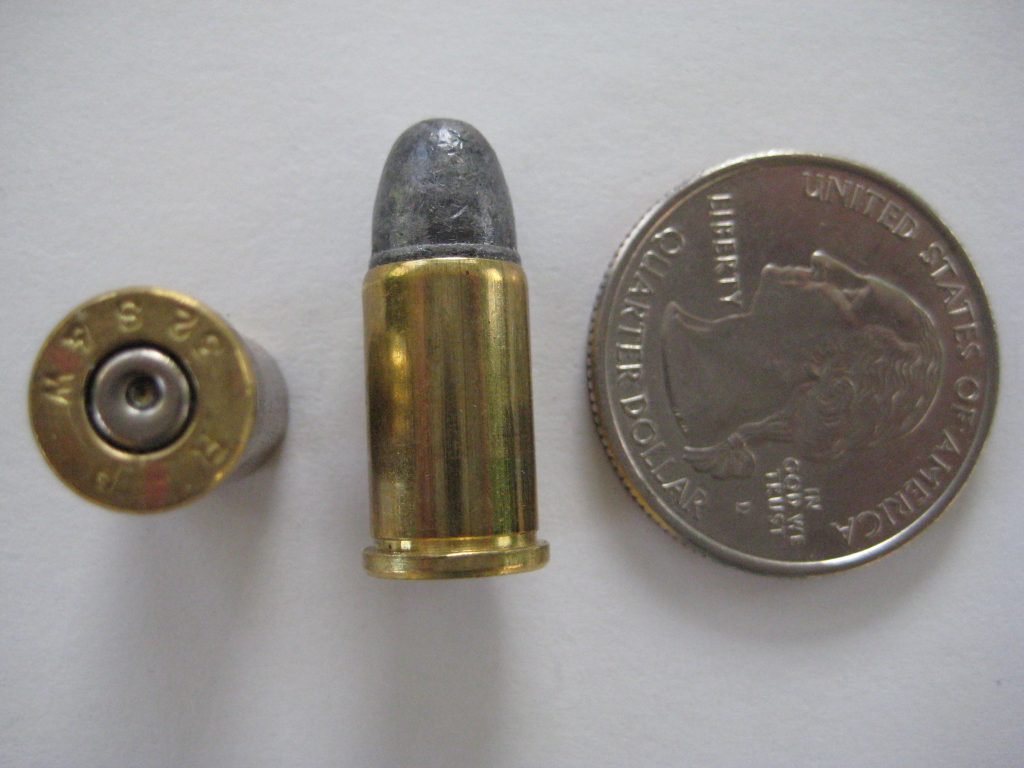
The original .32 Smith & Wesson once filled a practical role in compact revolvers carried by civilians and police. It was mild, easy to shoot, and suited to the limitations of late-19th-century handguns. That role has largely vanished. Compared with later descendants such as the .32 H&R Magnum and .327 Federal Magnum, the original loading is slow and underpowered. It does not handle barriers well, and it lacks the velocity needed to build reliable wound performance in modern terms. Its historical footprint is larger than its present-day usefulness.
4. .410 Bore From a Handgun
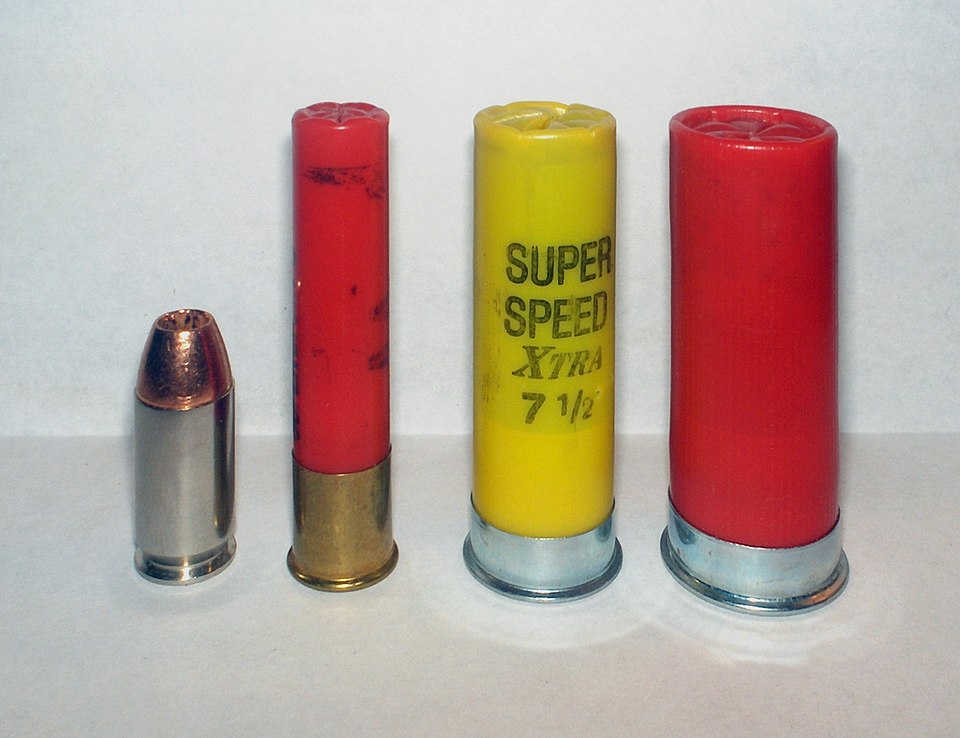
A .410 handgun draws attention because it appears to combine spread with close-range power. In practice, short barrels strip away much of that promise. Some 000 buck loads can produce acceptable depth in bare gelatin, but performance becomes less convincing once heavy clothing is added. Birdshot loads are even less persuasive, typically lacking the penetration needed for serious defensive work. Slugs from handgun-length barrels can also bring stability issues, which further complicates the idea that a shotshell revolver offers a universal answer. The visual intimidation factor is real. The terminal consistency is not.
5. .22 LR in Defensive Handguns
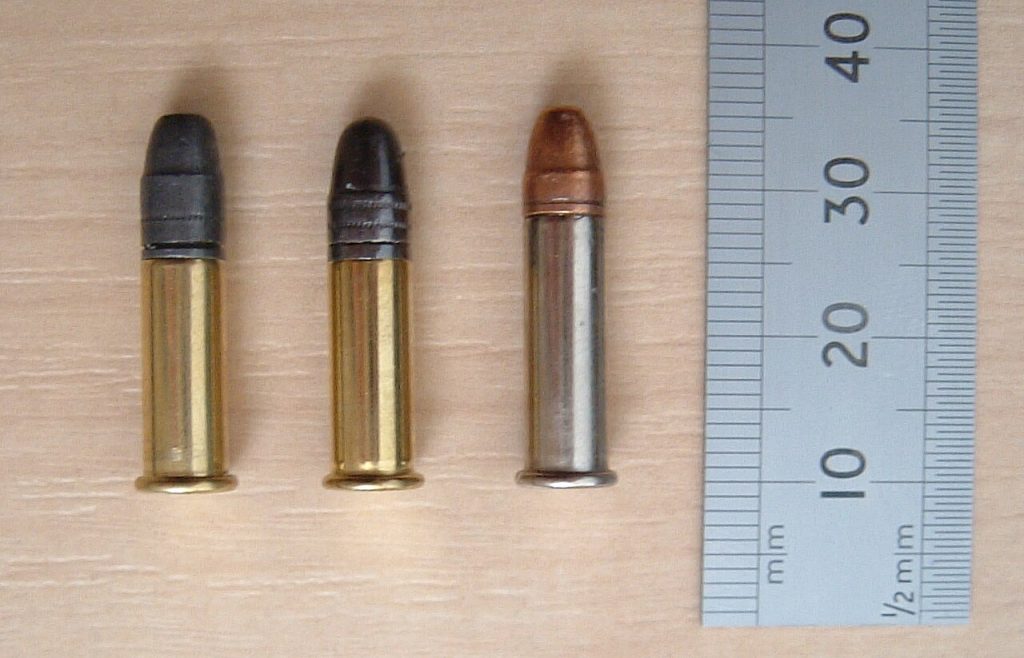
The .22 Long Rifle is cheap, common, easy to carry, and easy to shoot. Those advantages keep it in every caliber discussion. Its drawbacks are just as established. Rimfire ignition is inherently less dependable than centerfire, and short handgun barrels often leave .22 LR with marginal penetration and uneven expansion. Greg Ellifritz’s widely cited data showed the caliber with a 31% failure rate, a figure that helps explain why even supporters usually frame it as a compromise rather than a first choice. It can be dangerous, and it can be effective with precise hits, but it is still a small round that offers limited tolerance for missed angles or disrupted shot paths.
6. .380 ACP With FMJ Loads
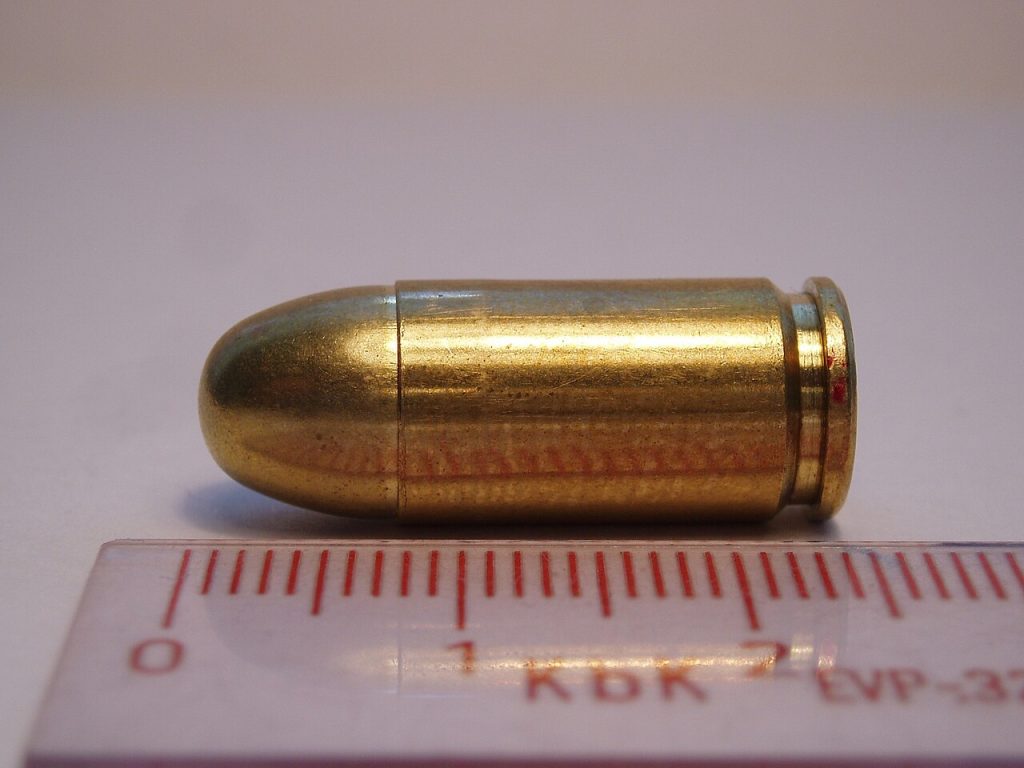
.380 ACP sits on the edge of practical defensive performance, which is why ammunition choice matters more here than with larger service calibers. Full metal jacket loads tend to create a tradeoff that never fully goes away. They may improve feeding and can preserve penetration, but they often do so without the broader wound channel modern expanding bullets are meant to deliver.
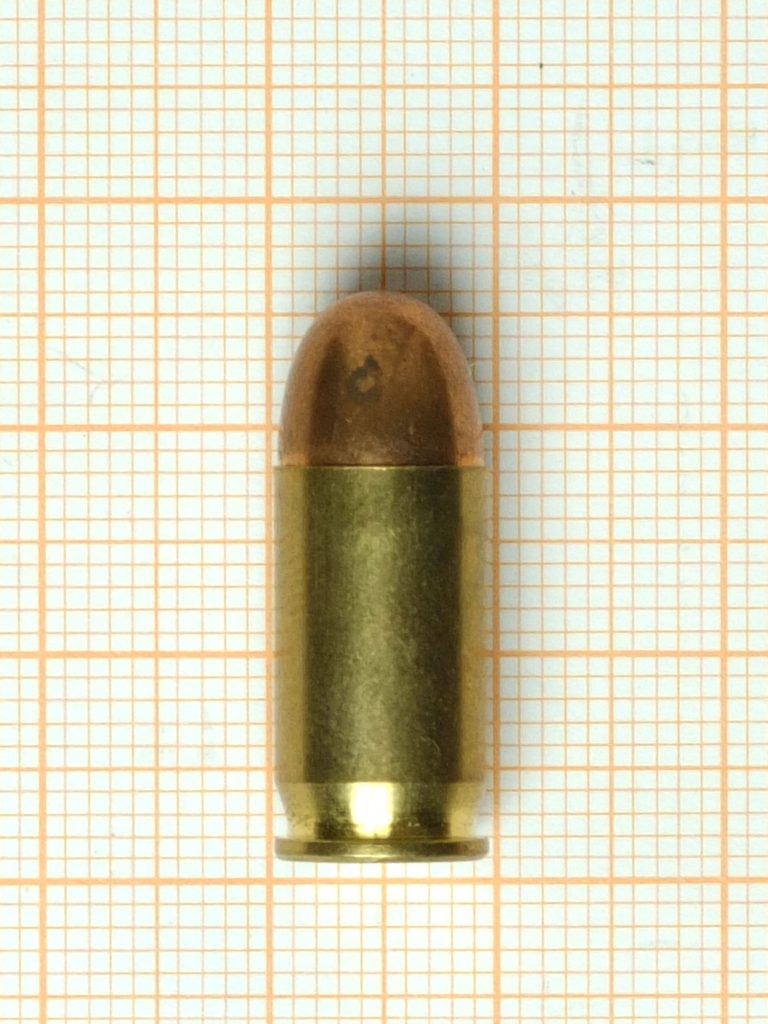
At the same time, some hollow points in .380 still struggle to meet the same standards larger cartridges reach more easily. The result is a caliber that can work, but one that demands careful load selection and offers less ballistic cushion than 9mm or .38 Special class cartridges. As modern wound-ballistics writing continues to emphasize, no handgun round guarantees an instant stop, and marginal calibers make that reality harder to manage.
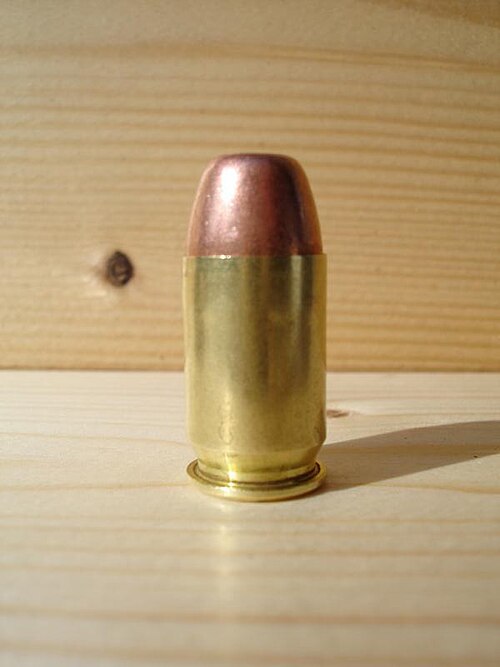
7. .45 GAP
.45 GAP was designed to compress .45 ACP-like performance into a shorter cartridge that would fit smaller-frame pistols. On paper, it answered a legitimate engineering question about grip size and packaging. Commercially and practically, it never built momentum. It offered no sweeping gain in accuracy, recoil, or effect on target, while suffering from limited handgun availability and far less ammunition support than .45 ACP. That made it a technical detour rather than a lasting standard. In a market where modern 9mm projectiles have reached comparable protocol performance to .40 S&W with better controllability, niche cartridges without broad support have only become harder to justify.
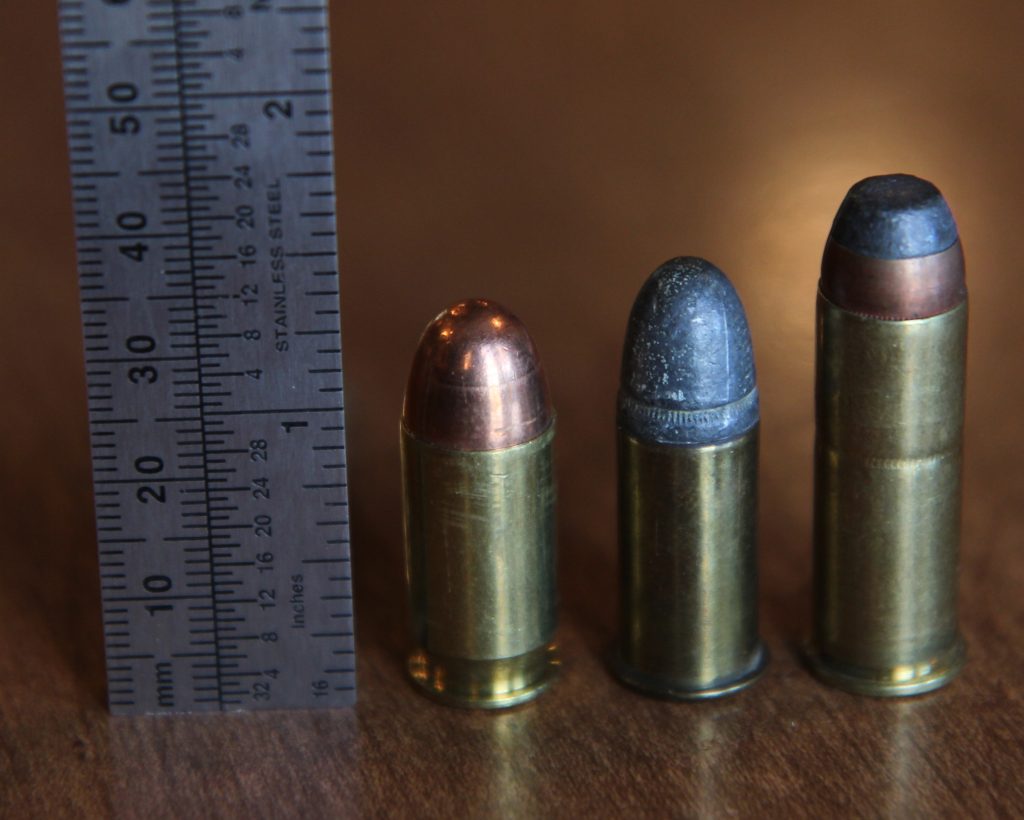
The pattern across these seven calibers is straightforward. Some are historically important, some are mechanically interesting, and some still function well within narrow roles. What they do not offer is much room for error when compared with stronger, better-supported defensive handgun rounds. That is the real dividing line. In handgun performance, bullet design, penetration, and repeatable shot placement matter more than legend, and calibers that consistently come up short in those areas are the ones easiest to leave behind.


