Long-range accuracy is not just a matter of velocity, energy, or a flattering ballistics chart. The cartridges that earn lasting trust are the ones that stay predictable across rifles, weather, and shooting positions, while giving shooters a realistic path to repeatable hits.
That is why certain chamberings keep showing up on match lines, in hunting camps, and on steel ranges. Some are old standards with decades of proof behind them. Others are newer designs built around fast twists, efficient case geometry, and bullets that hold onto speed and resist wind drift.
1. .308 Winchester
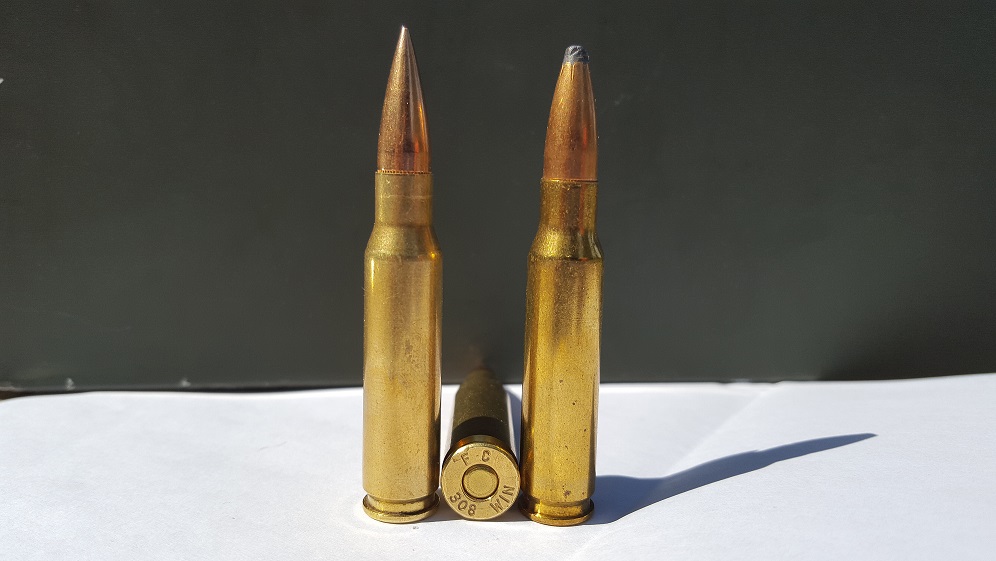
The .308 Winchester remains one of the easiest cartridges to trust when consistency matters more than trend. Its reputation comes from balance: manageable recoil, broad rifle compatibility, and dependable accuracy from short and medium barrel lengths. Shooters do not need a highly specialized setup to get useful precision from it. It also benefits from a deep bench of match loads, especially the familiar 168- and 175-grain BTHP class. While newer cartridges can beat it on wind drift, the .308 still rewards solid fundamentals and remains a practical standard for shooters who want accuracy without a finicky rifle-ammo pairing.
2. 6.5 Creedmoor
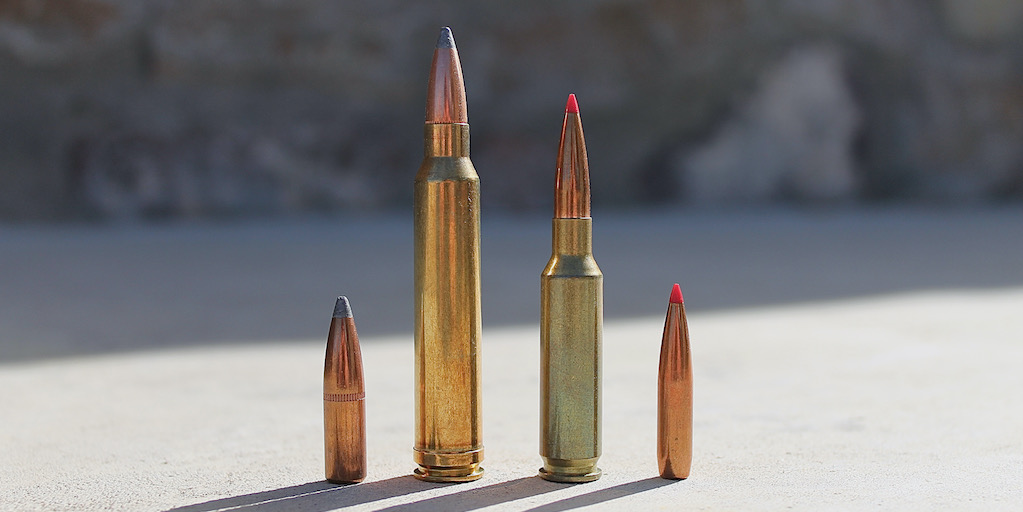
The 6.5 Creedmoor changed the centerfire market because it made long-range shooting more accessible. Its case design and fast-twist approach were tailored for long, aerodynamic bullets, allowing strong downrange performance with recoil that most shooters can manage well over long strings. That formula still works. Compared with .308, the 6.5 Creedmoor generally shows less drop and less wind deflection at distance, and it does so without demanding magnum-level recoil. It is also a clear example of how modern cartridges shifted attention toward wind drift advantages at long range instead of relying only on raw speed.
3. .223 Remington / 5.56 NATO
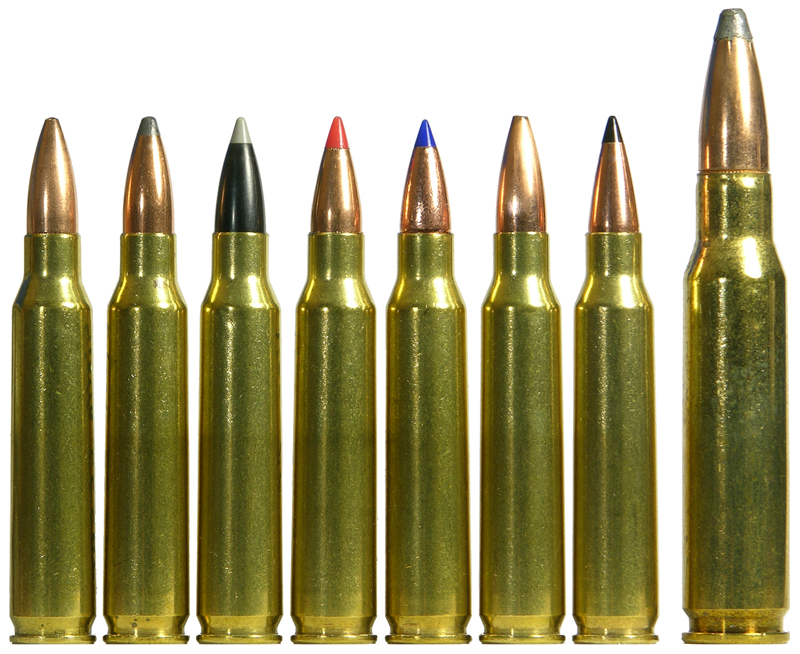
The .223 is often underestimated because so much of it is encountered as basic training or bulk ammunition. In a good barrel, with the right twist and quality bullets, it can be remarkably precise. Its greatest strength is not brute performance but shootability. Low recoil lets shooters spot impacts, correct quickly, and spend more time refining position, trigger control, and wind calls. That makes it especially useful for practice and for steel work where consistency matters more than raw energy. In capable hands, it can stretch surprisingly far.
4. .243 Winchester
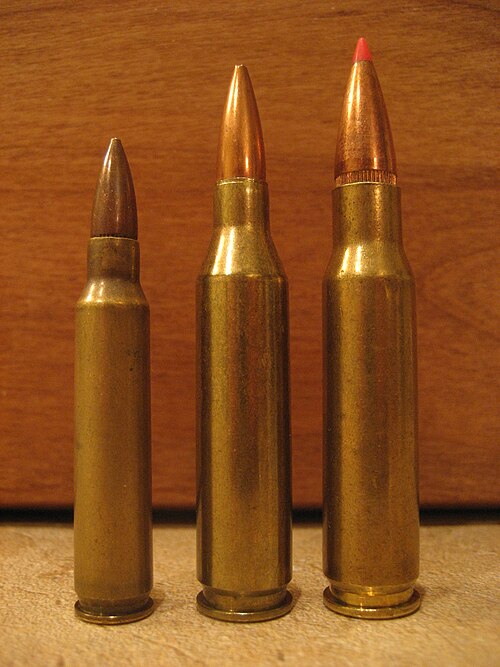
The .243 Winchester has long held a place with shooters who want flat trajectory without heavy recoil. In well-built bolt guns, it routinely produces tight groups, and its mild behavior helps newer shooters stay composed behind the rifle. Its appeal is simple. It is forgiving, versatile, and often accurate without extensive load tuning. Even as newer 6mm cartridges have taken some of the spotlight, the .243 still delivers the kind of clean, repeatable performance that keeps it relevant.
5. 6mm ARC
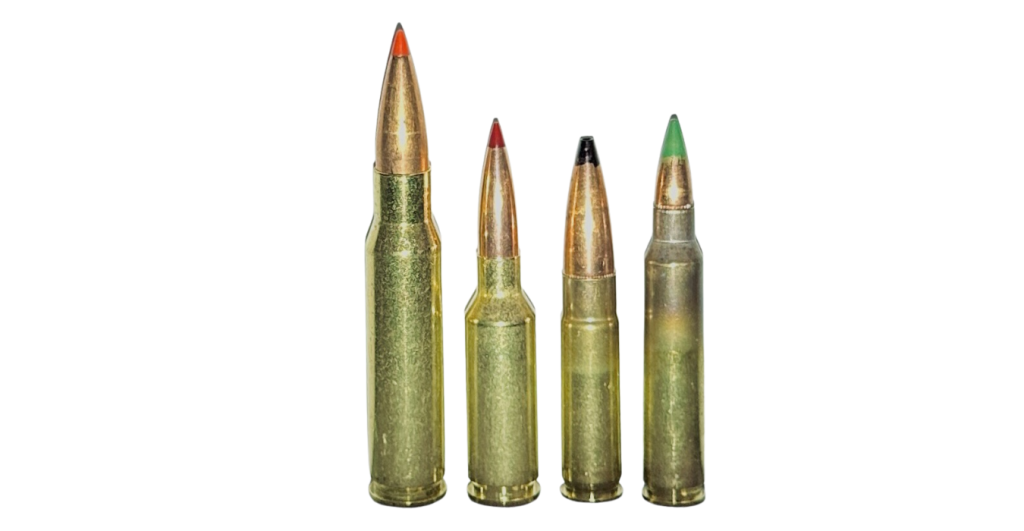
The 6mm ARC brought genuine long-range ambition to the AR-15 platform. Designed around heavy-for-caliber bullets, it was built to push the platform farther without giving up the compact handling that makes the AR-15 so common. Its edge shows up in the wind. With a 103-grain bullet at 2,800 fps, it drifts about 10 inches at 400 yards in a 10 mph crosswind, a notable result for a cartridge of its size. That makes the ARC useful not only for predator work but for shooters who want an AR-15 round with true distance capability.
6. .270 Winchester
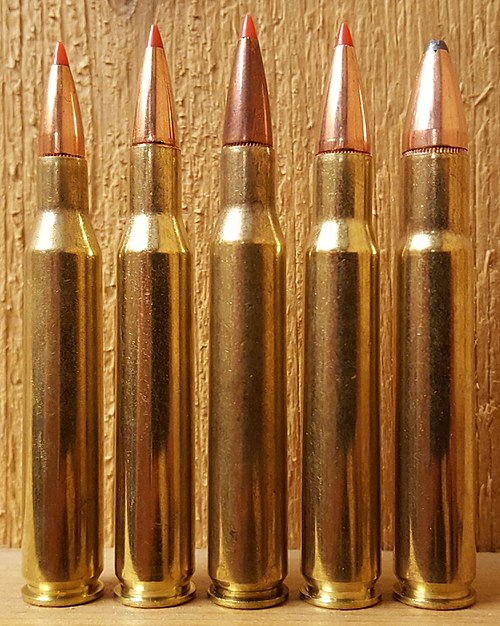
The .270 Winchester is nearly a century old, yet it still earns respect for one reason: it shoots flat and tends to do so without much drama. In ordinary factory rifles, it often performs better than expected, which is part of why it has stayed in the field for so long. It does not depend on novelty. The cartridge simply combines useful reach, moderate recoil, and practical hunting accuracy in a way that still works. For many shooters, that is enough.
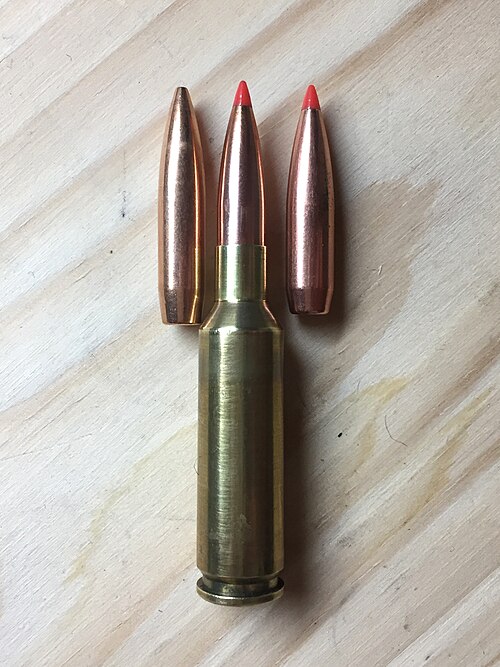
7. 6.5 PRC
The 6.5 PRC takes the Creedmoor idea and adds more speed without turning into a punishing magnum. It pushes 140- to 147-grain bullets fast enough to flatten trajectory and improve energy retention, while still fitting in a short-action rifle. Its design was purpose-built for precision, with case and chamber features that favor accuracy and consistency with long, high-BC bullets. It typically runs 200 to 300 fps faster than 6.5 Creedmoor, giving shooters more room at longer distances while keeping recoil at a manageable level.
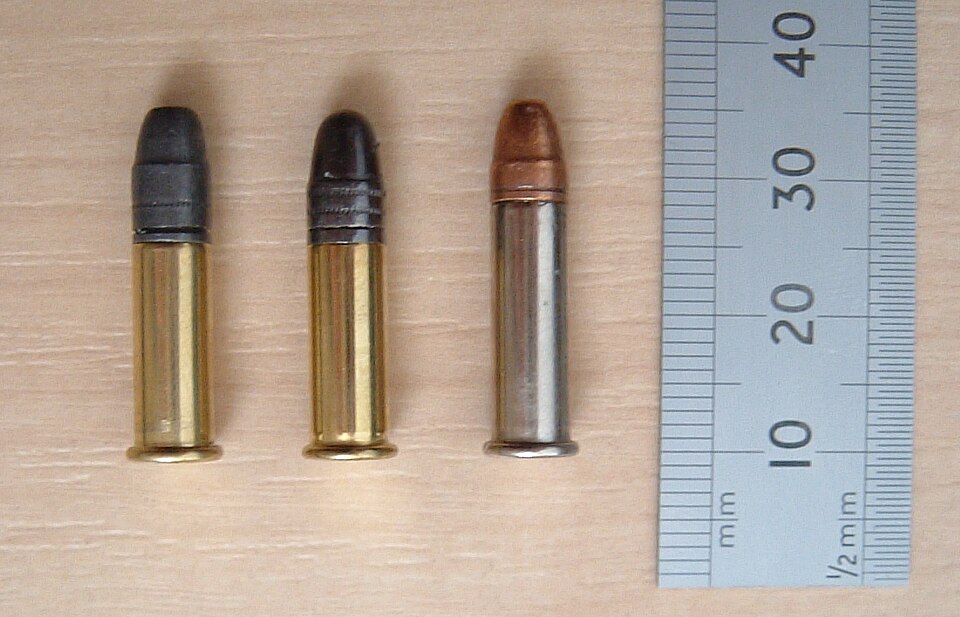
8. Match-Grade .22 LR
It is not a traditional long-range cartridge, but match .22 LR belongs in any serious accuracy discussion because it teaches the same skills at shorter distances. Good rifles with carefully selected ammunition can produce tiny groups, and the best lots are valued for consistency rather than speed. Subsonic loads around 1,066 to 1,100 fps avoid the transonic disturbances that can upset accuracy, which is why serious rimfire shooters lean on them. For training wind calls, trigger work, and positional shooting without centerfire recoil, few options are as efficient.
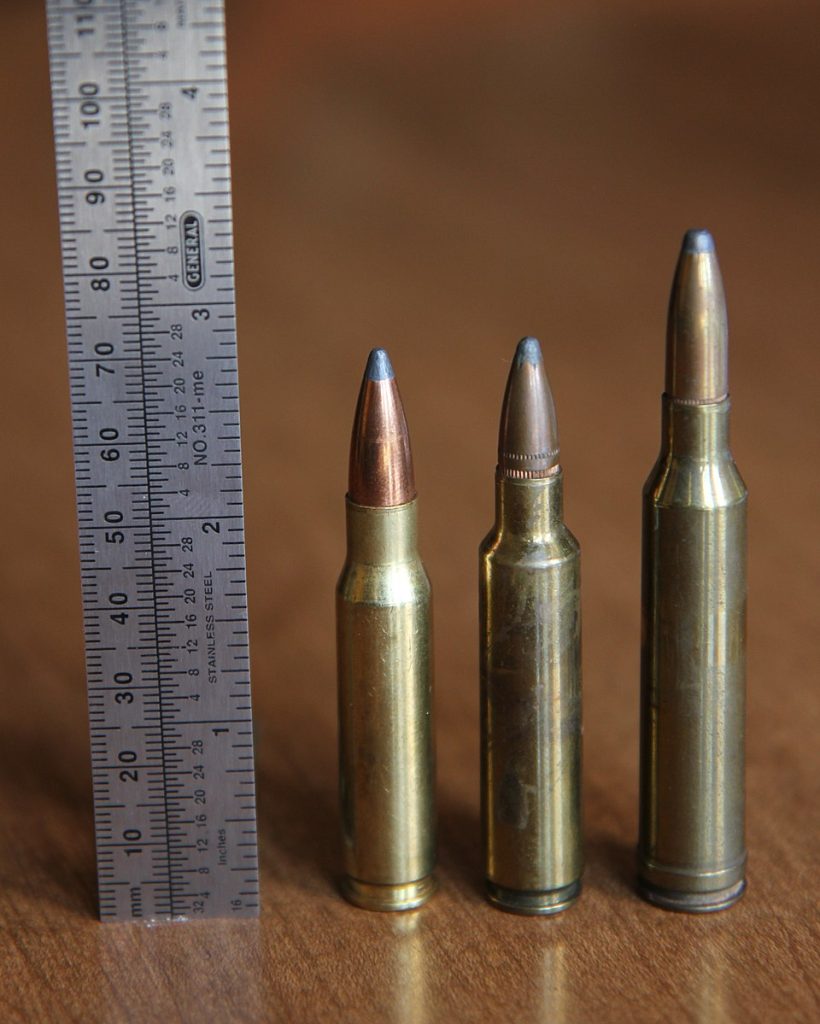
9. 7mm Remington Magnum
The 7mm Remington Magnum remains one of the most practical ways to pair flat trajectory with long, sleek bullets. Modern bullet design has done much to sharpen its reputation, especially with 168- to 180-grain projectiles that hold velocity well and stay stable in wind. That matters because long-range performance is often decided less by drop than by drift. As ballistic design has evolved, cartridges that can launch streamlined 7mm bullets have kept a firm place among shooters who need reach without moving to the heaviest magnum class.
These cartridges do not all solve the same problem in the same way. Some reduce recoil and make precision easier to repeat. Others add speed or use high-BC bullets to hold onto performance farther out. The common thread is consistency. Whether the rifle is headed to a match, a practice session, or open country, these are the chamberings that continue to prove they can keep their accuracy when the distance starts to matter.


