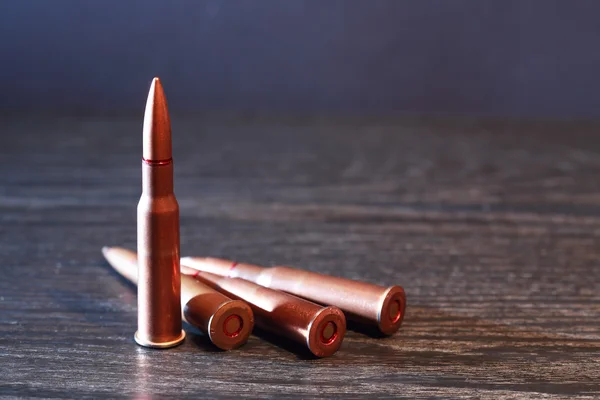
Some rifle rounds earn a reputation that outruns their actual job description. That gap usually shows up in the field, where recoil, bullet weight, retained energy, penetration, and rifle setup matter more than campfire talk.
That does not make these cartridges useless. Several are excellent within the roles they were built for. The problem starts when a varmint round gets talked up as a deer rifle for any angle, or when a military or legacy cartridge gets treated like a flexible hunting answer long after better options have taken over.
1. .223 Remington
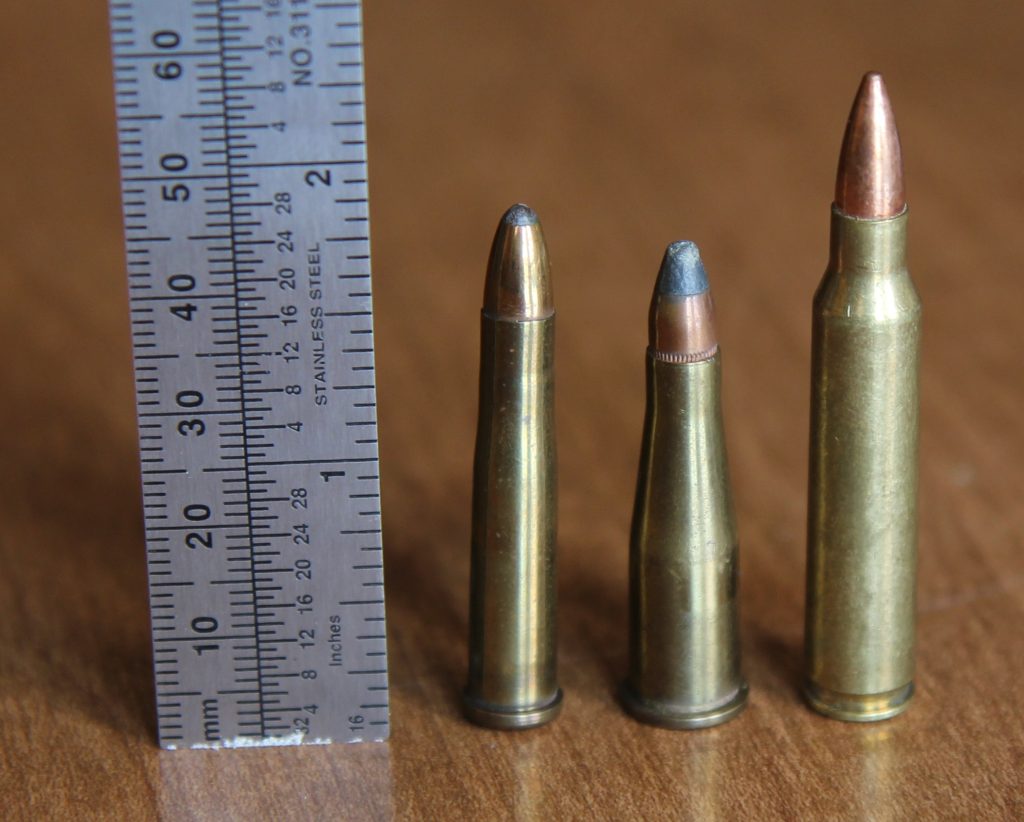
The .223 Remington remains one of the most common centerfire rounds because it is accurate, easy to shoot, and widely used in light rifles. Those strengths are real. What inflates its image is the claim that precision and modern bullet design can fully compensate for limited bullet weight and modest downrange energy on bigger game.
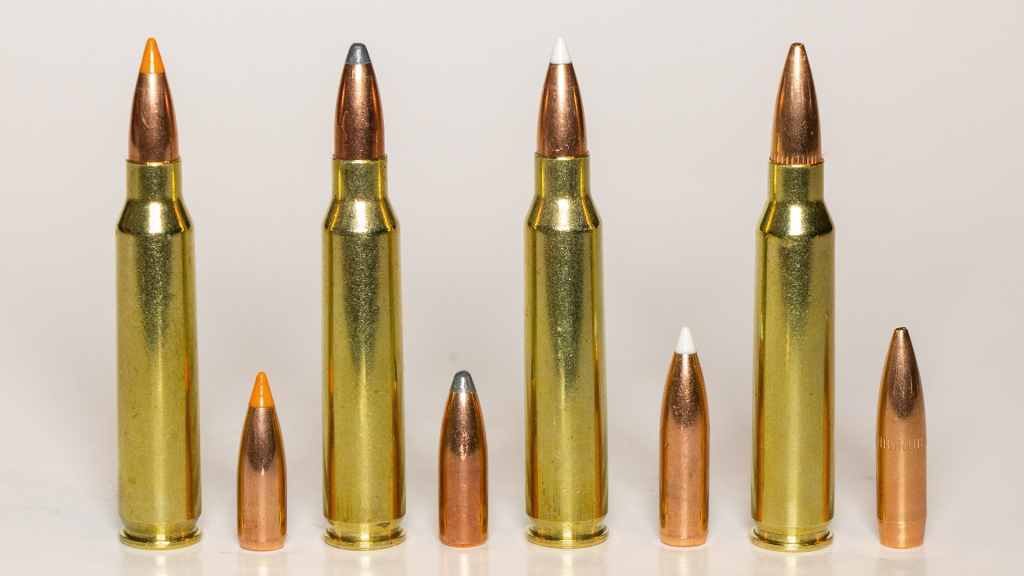
That claim runs into physics. A typical 55-grain load may leave the muzzle fast, but it starts with far less authority than traditional deer and elk cartridges, and the gap widens with distance. Heavier .223 bullets help in the right twist barrels, but they do not turn the cartridge into a forgiving option for large-bodied animals. As the .223’s military adoption showed, popularity can come from platform support as much as from pure field performance. For small game, varmints, and careful use on light-bodied deer where legal, it has a place. For hunters wanting deeper penetration and more margin, it still asks too much of shot placement.
2. 5.56 NATO
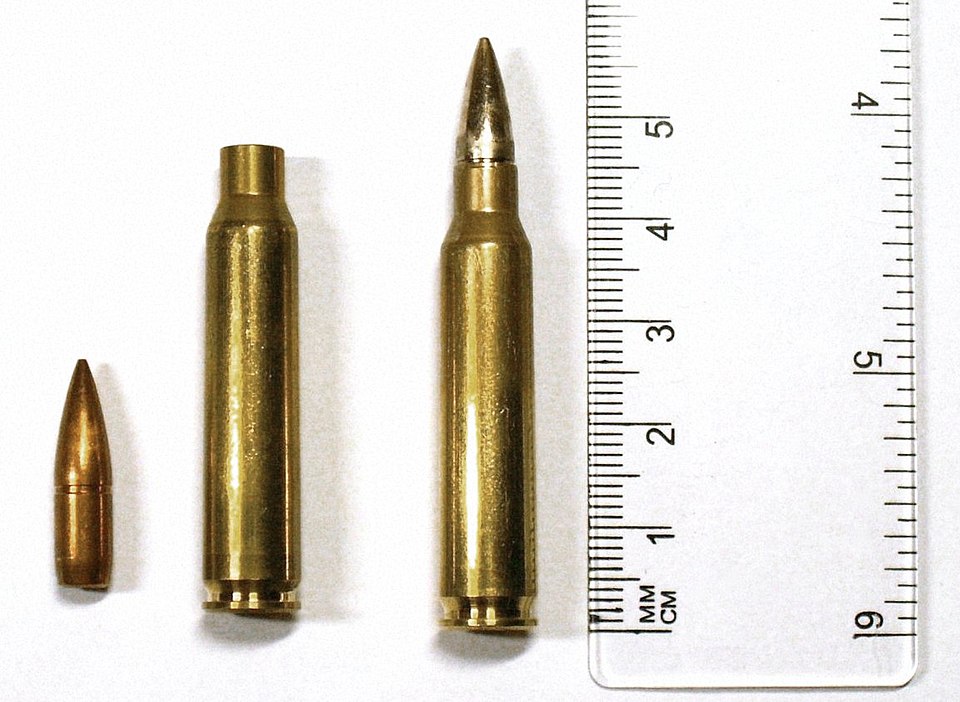
Because it is so closely related to the .223, 5.56 NATO often inherits the same inflated reputation. It does offer a bit more velocity in many loads, but not enough to change its practical class as a hunting round on heavier game. Its military lineage also distorts expectations. A cartridge designed around controllability, light recoil, and rifle capacity answers a different set of problems than a cartridge selected for consistent penetration on elk-sized animals. In hunting terms, it remains a small-bore, light-bullet option with a narrow comfort zone.

3. .22-250 Remington
The .22-250 is one of the easiest cartridges to admire. It shoots flat, it is fast, and on predators it can be spectacular. That flat trajectory has led generations of shooters to treat it like a bigger-game solution than it really is. Velocity helps, but velocity alone is not the whole story. As ballistic writers have pointed out, high velocity does not automatically overcome aerodynamic and mass limits, especially once distance increases. The .22-250’s light bullets can arrive quickly, yet still fail to match the penetration and tissue damage expected from larger hunting rounds. It is a superb specialist, not a universal answer.
4. .243 Winchester
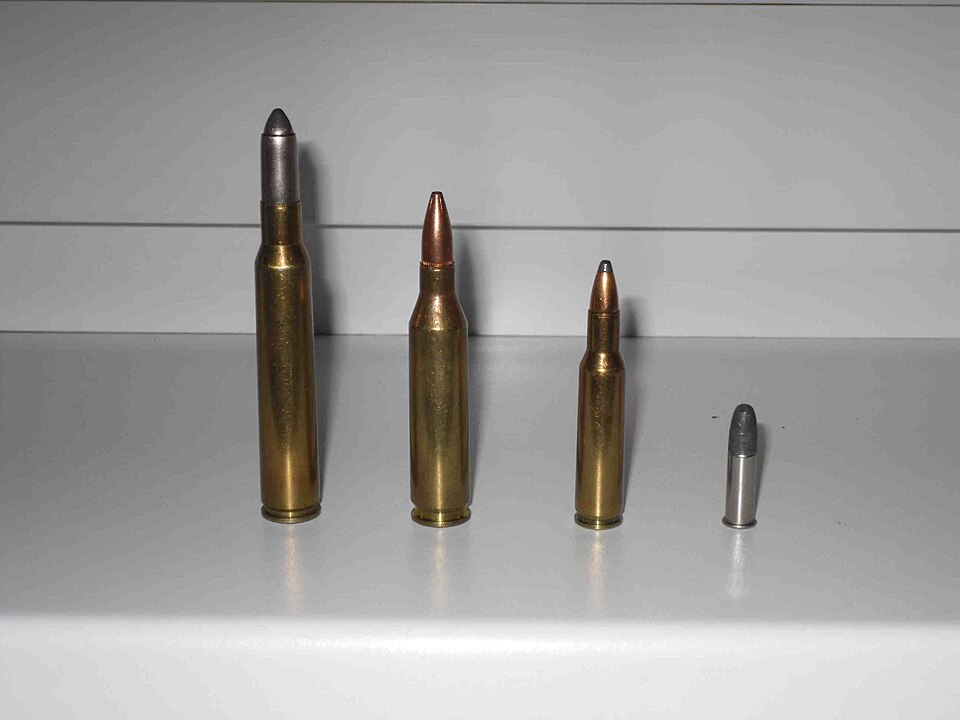
The .243 Winchester may be the classic example of a cartridge that is both very good and often asked to do too much. With 90- to 100-grain bullets, it is a proven deer and pronghorn round, and its mild recoil has made it a long-running favorite for newer hunters. Where the reputation stretches too far is on heavy game. The .243 can kill cleanly, but it gives up bullet diameter, sectional density, and impact authority compared with cartridges that provide a wider safety margin on elk or moose. A lot of cartridge history reflects this same pattern: rounds succeed or fail not only by design, but by how shooters imagine their role. In the case of the .243, deer-class performance became so strong that many hunters kept trying to push it beyond that lane.
5. 7.62x39mm
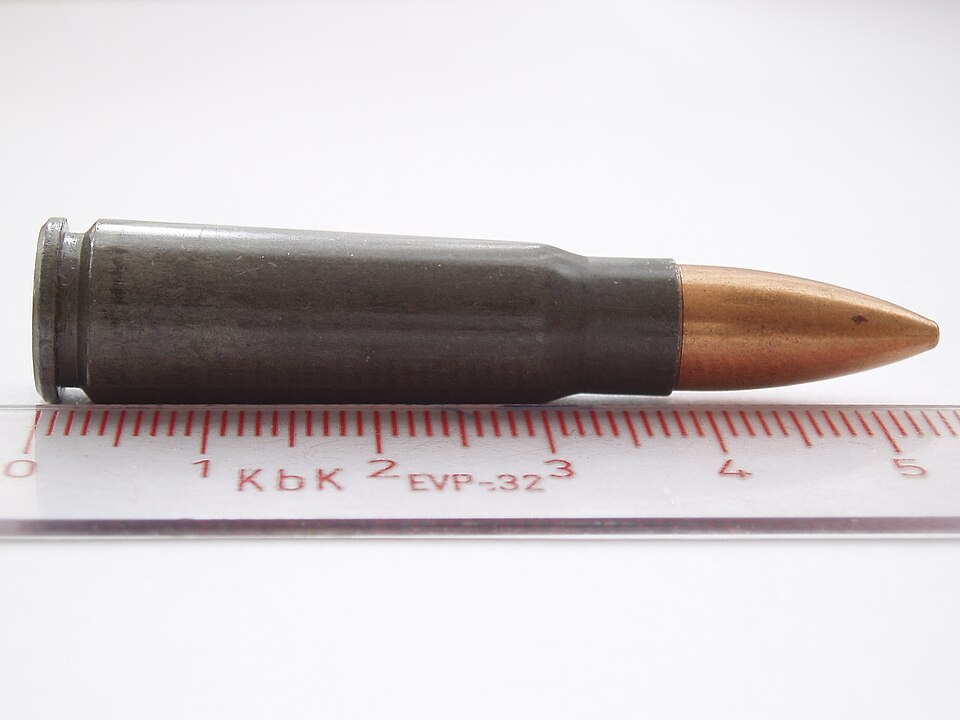
The 7.62×39 has earned respect for reliability, manageable recoil, and useful close-range performance. Inside modest distances, especially on deer-sized game, it can work well with the right load and bullet. Its limits arrive quickly. The trajectory is not especially forgiving, retained velocity drops off fast, and its common bullet designs were never meant to mimic the reach or penetration of full-power sporting cartridges. It is often described as tougher in the field than the .223 because it throws a heavier bullet, but that advantage does not erase its short-range nature. The round is practical, but its reputation sometimes skips over how quickly it runs out of steam.
6. .30 Carbine
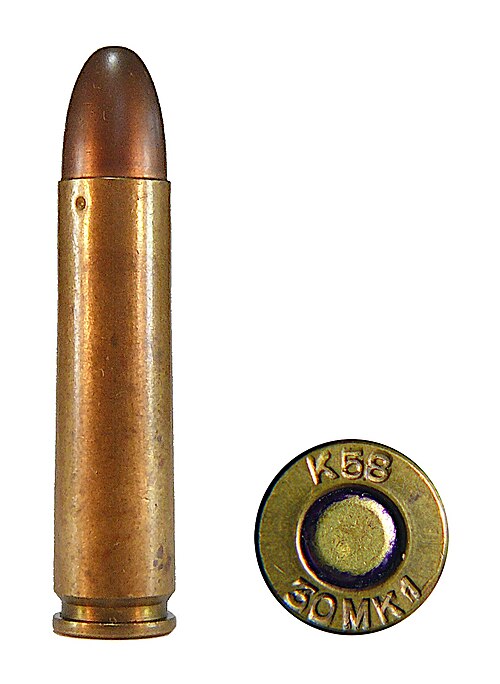
The .30 Carbine survives on familiarity and nostalgia as much as performance. It was designed around a light, handy carbine, and in that role it made sense. In hunting discussions, though, it still gets presented as more capable than its numbers support. Its ballistics sit much closer to powerful handgun territory than to mainstream rifle cartridges. Even older commentary on failed or faded cartridges repeatedly singled out the .30 Carbine as short-ranged and underpowered. That does not erase its historical significance, but it does explain why it struggles to earn serious consideration for larger game today.
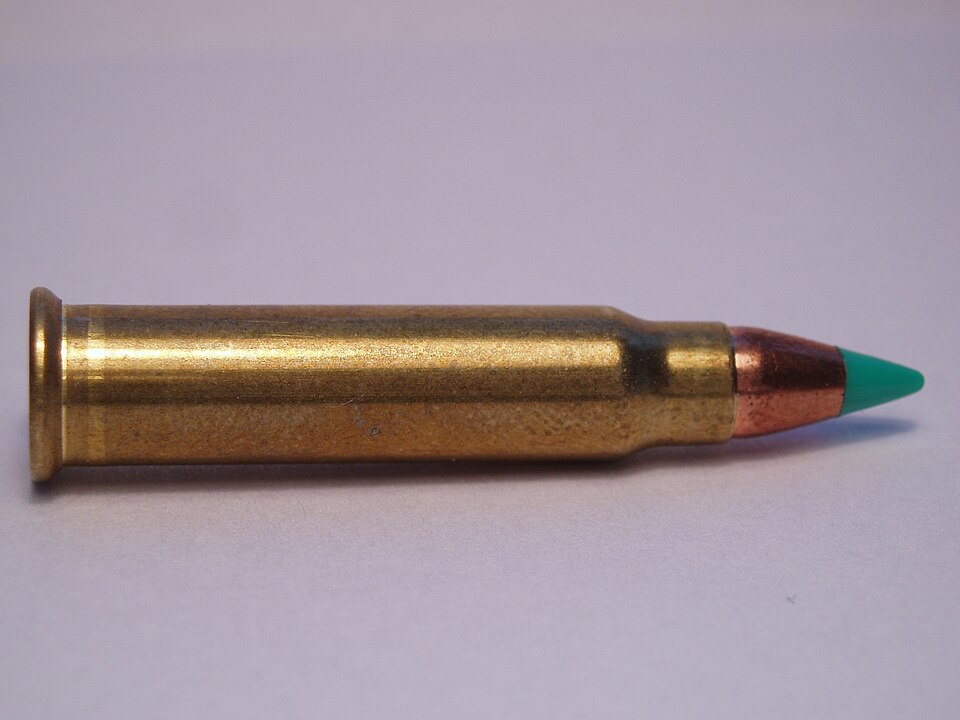
7. .17 HMR
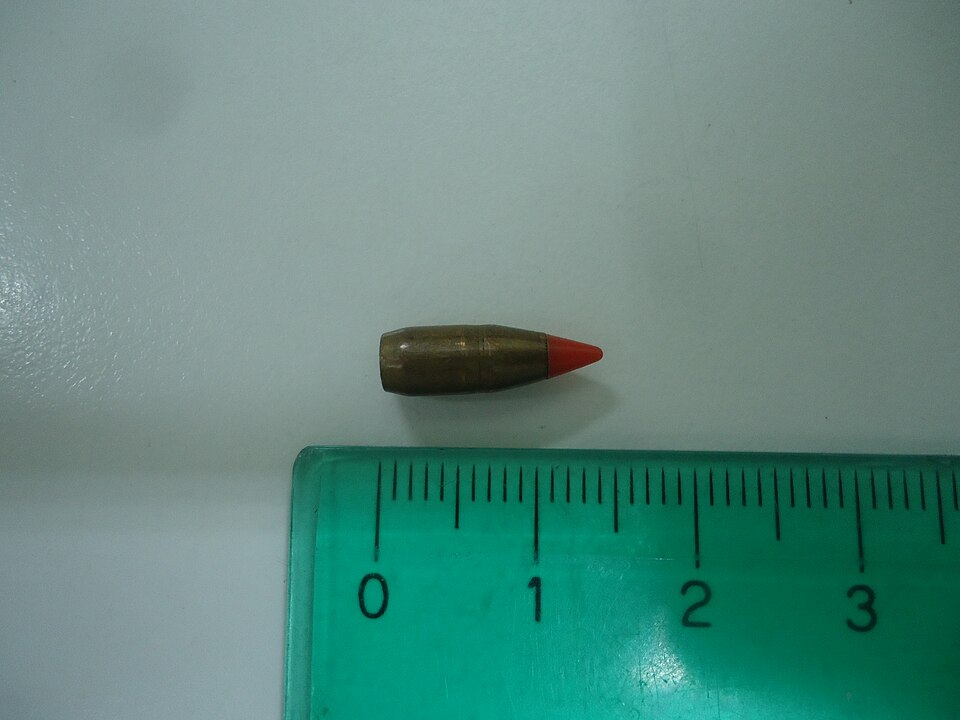
The .17 HMR is one of the most enjoyable rimfires ever made. It is flat-shooting for its class, low recoiling, and often extremely precise on small targets. It is also one of the easiest cartridges to overestimate because that precision creates confidence. Tiny groups on paper and dramatic hits on small varmints can make it seem more versatile than it is. In reality, a 17-grain bullet with only a few hundred foot-pounds of energy belongs firmly in the small-game category. Wind drift becomes a major factor, a weakness long noted with .17-caliber rounds, and terminal performance does not scale up simply because the rifle shoots well. Precision is not permission.
Overrated does not mean bad. In every case here, the cartridge has a legitimate use and often an enthusiastic following. What disappoints hunters is not the round itself, but the mismatch between reputation and realistic field work. The recurring lesson is simple: a cartridge has to be judged by the animal, the distance, the bullet, and the rifle carrying it. When those pieces do not match, no amount of popularity can make up the difference.


