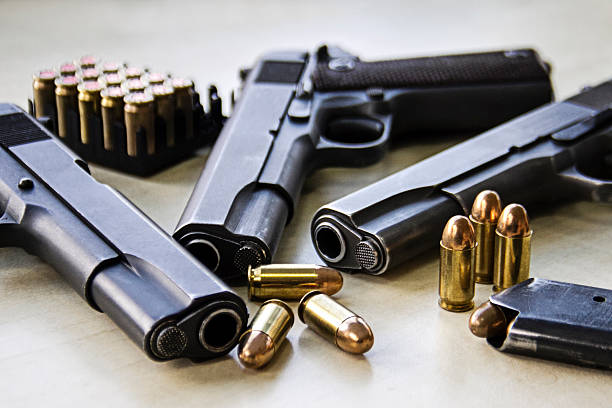
A familiar rollmark still carries weight in the firearms world. For many shooters, it was once enough to see a trusted name on a receiver, slide, or barrel and assume the rest would take care of itself.
That shortcut has weakened. In a market shaped by factory moves, ownership changes, production pressure, and a flood of alternatives, reputation now ages faster than many brand names do. The U.S. market absorbed 5,845,019 firearms imported in 2023, and that kind of choice leaves little room for nostalgia to cover uneven execution.
1. Remington
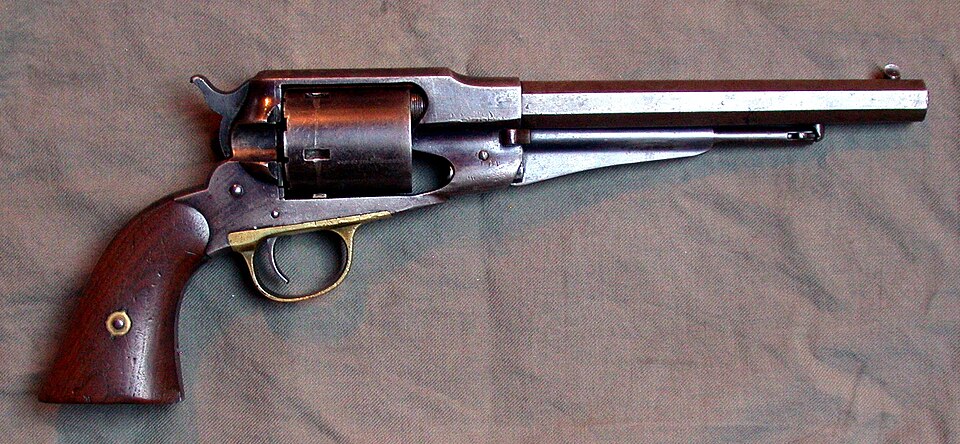
Remington spent generations building the image of the American workhorse gunmaker. The 870 and 700 became reference points for hunters and everyday owners who valued simple durability. That standing weakened when quality-control complaints began attaching themselves to modern production, especially during years of corporate instability and cost pressure.
The brand’s troubles also became inseparable from its business collapse. Remington’s breakup after bankruptcy turned a manufacturing slump into a public symbol of institutional decline, and later litigation only deepened the sense that the old “Big Green” identity had fractured. Even with the name active again under new ownership, buyers often treat a Remington as a date-specific purchase rather than an automatic yes.
2. Marlin
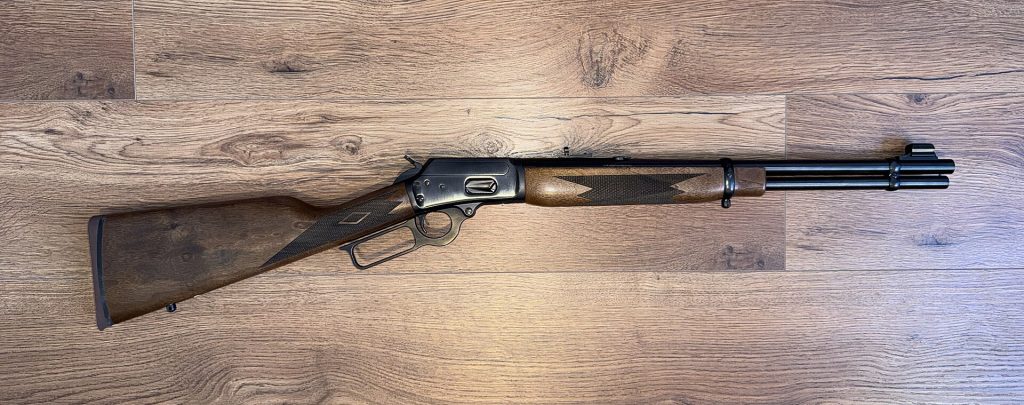
Marlin’s reputation did not erode slowly. It became closely tied to one era: the years after production changed hands and the rifles that followed no longer felt like the lever guns owners remembered. Machining marks, rough actions, and uneven wood-to-metal fit did lasting damage because Marlin had been valued precisely for its straightforward, practical quality.
Recovery has been more convincing than many turnarounds. Under Ruger, newer Marlins have been widely viewed as a serious correction, and company filings tied $40.7 million in first-quarter 2025 firearm sales to new products including Marlin lever-action rifles. The issue now is memory. A reputation rebuilt in the factory still has to catch up at the gun counter.
3. Colt
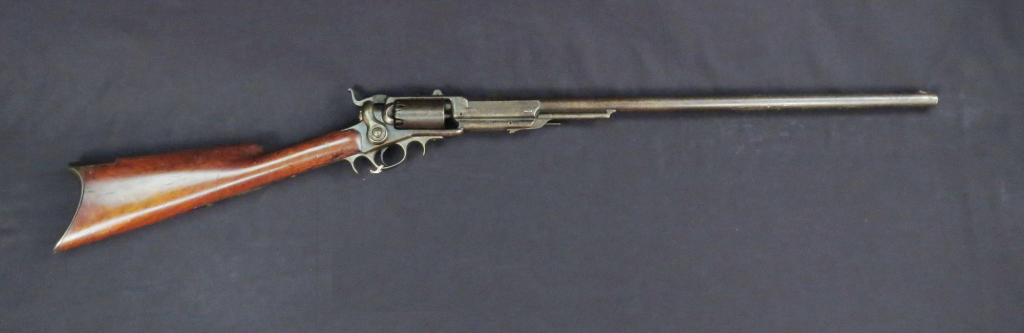
Colt remains one of the most emotionally charged names in American firearms, which raises the standard attached to every pistol and rifle it ships. Buyers do not simply expect function from Colt. They expect polish, clean fit, and a sense that the gun belongs to a long lineage of dependable craftsmanship.
That expectation has made inconsistency more visible. Colt’s slower response to changing handgun tastes in the high-capacity 9mm era became part of the problem, and the ill-fated Colt 2000 remains a cautionary example of how even a famous name can misread the market and still deliver a pistol known for extraction problems, weak accuracy, and a recall. The brand still commands attention, but it no longer escapes model-by-model scrutiny.
4. Winchester
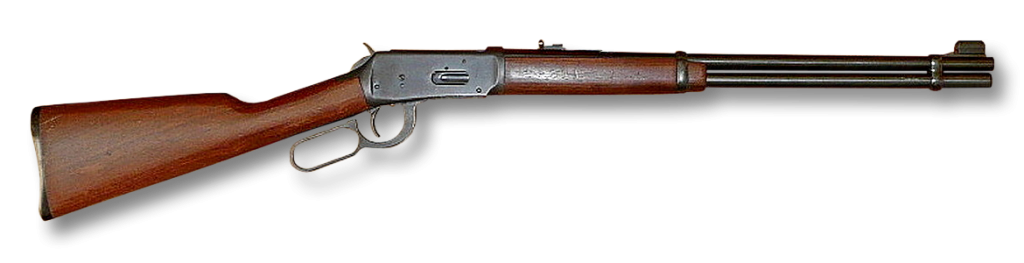
Winchester’s challenge is that its history is almost too large for its present. Older rifles still define what many enthusiasts picture when they think of a classic American sporting arm, but later production has often been judged on different terms: more serviceable, less heirloom.
The result is a split identity. The name still sells a story, but experienced buyers often want to know where and when a specific Winchester was made before attaching older assumptions to it. That is a very different kind of trust than the brand once enjoyed.
5. Mossberg
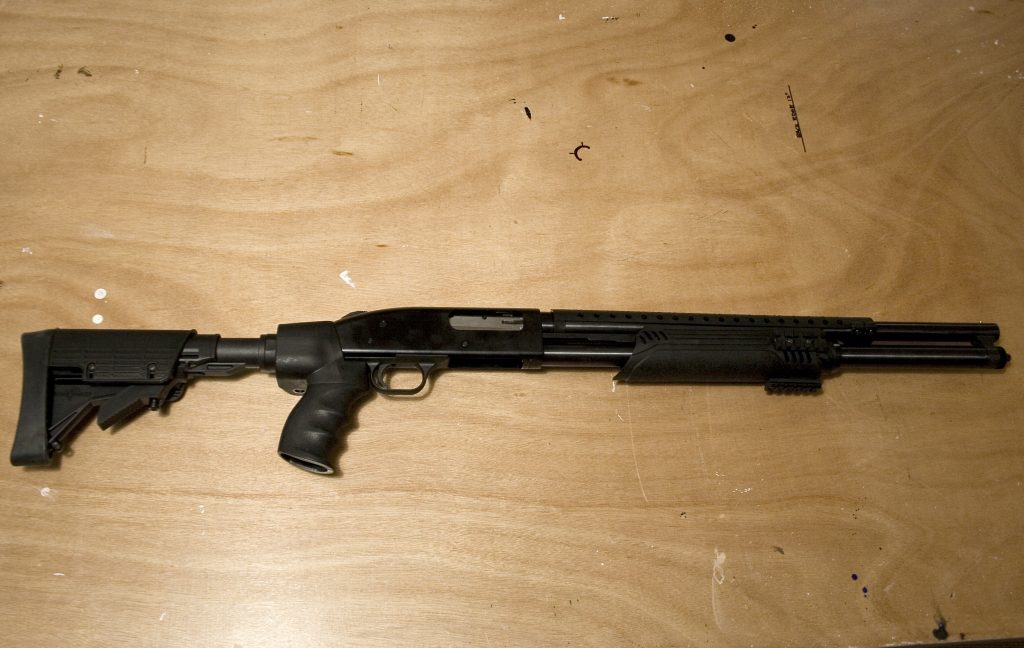
Mossberg is still strongly associated with rugged, practical shotguns, and that legacy remains real. The problem is that the company’s broader catalog has made the brand feel less singular. Once a maker expands beyond a few durable staples, inconsistencies become easier to spot.
Scale is part of the story. Mossberg led domestic shotgun production with 253,633 units in 2023, according to U.S. shotgun output data. That production footprint is a strength, but it also exposes the gap between the old certainty of a 500-series pump and the mixed reception surrounding some lower-cost offshoots.
6. Smith & Wesson
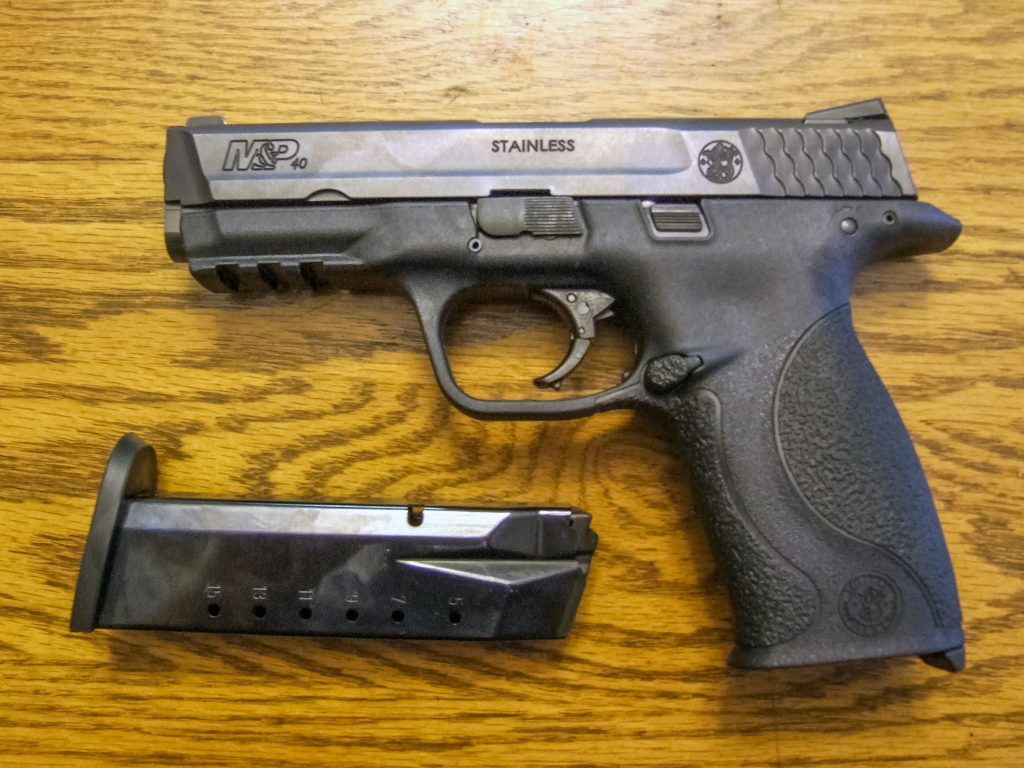
Smith & Wesson still holds enormous brand recognition, but the meaning of that recognition has changed over time. Older revolvers set a standard for finish and feel that modern high-volume output does not always mirror, even when current guns perform as intended.
Its reputation was also shaped by something beyond machining and assembly. The company’s agreement with the Clinton administration in 2000 triggered a consumer backlash that became one of the clearest examples of how political alignment, dealer policy, and brand identity can collide in this industry. Smith & Wesson recovered commercially, posting $474.7 million in fiscal 2025 net sales, but its name now carries several eras of baggage instead of one uninterrupted meaning.
7. Savage Arms
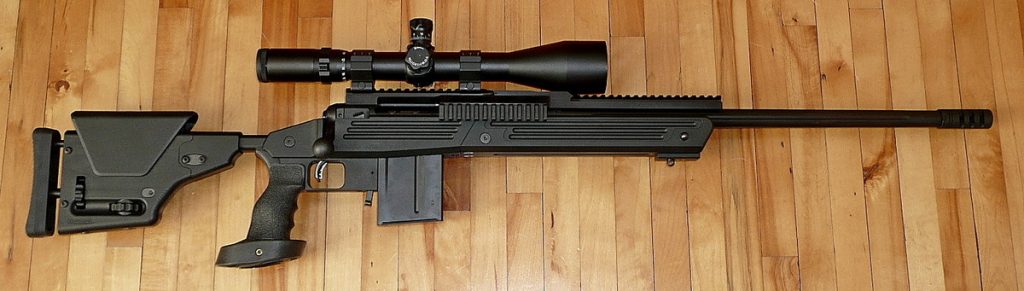
Savage built strong loyalty by offering real accuracy at accessible prices. For years, that made the company a favorite among hunters and first-time rifle buyers who cared more about groups on paper than prestige.
That trust took a hit when safety concerns around the Axis II began circulating through litigation and owner discussion. In the reporting around one closely watched case, the rifle line was described as having more than 800,000 examples in circulation, and filings referenced internal terms including “MID SAFE” and “FIRES ON SAFE”. Regardless of where individual cases land, that kind of paper trail changes how people inspect a rifle before purchase.
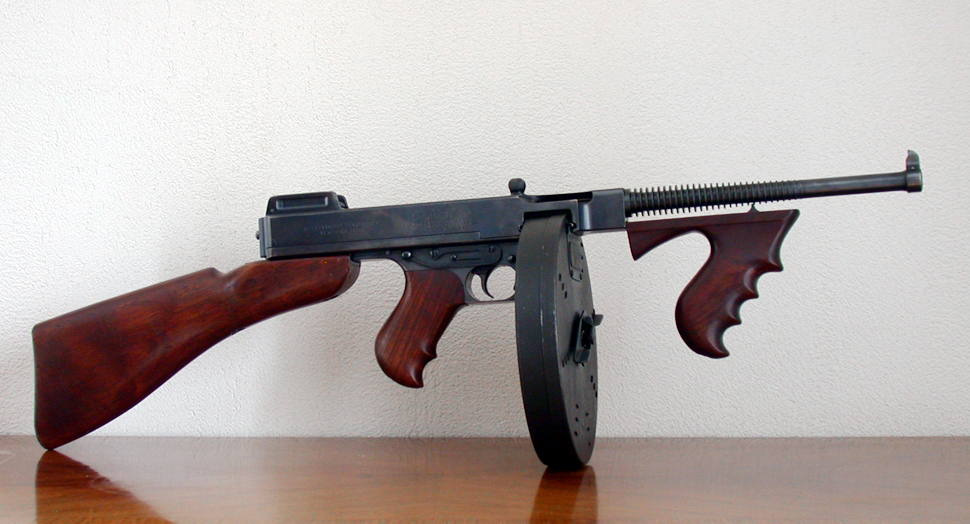
8. Thompson/Center
Thompson/Center lost certainty in a different way. Its problem was not a single infamous model or one prolonged quality scandal, but the erosion that follows disappearing support, interrupted production, and ownership drift.
The Contender and Encore earned loyalty because they offered something unusually modular and durable. Once parts, frames, and factory backing became harder to count on, the brand stopped feeling like a dependable default. A respected design can survive on enthusiast loyalty for a while, but long-term confidence depends on availability as much as engineering.
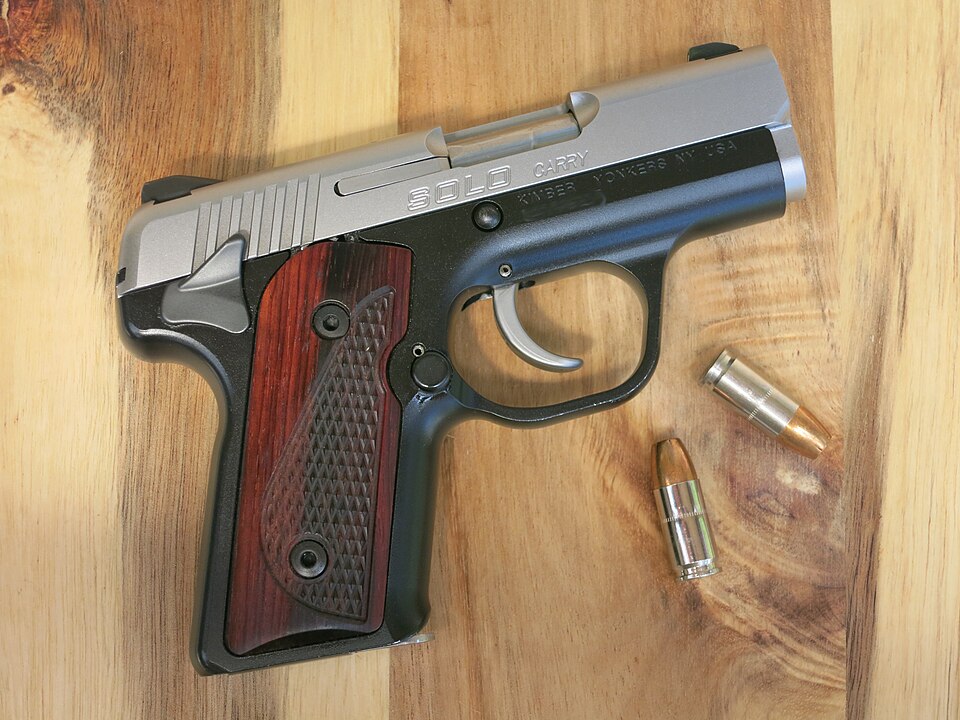
9. Kimber
Kimber may be the clearest example of a brand divided by user experience. Some owners report excellent performance and clean fit. Others describe extractor trouble, finicky behavior, and customer-service frustration that does not match the expectations attached to a premium 1911-style pistol.
That gap is the issue. A defensive handgun market shaped by reliability demands leaves little patience for variability, especially when handgun performance matters most at very short range, where stoppages are hardest to recover from quickly. Kimber’s name still attracts interest, but its reputation now rests heavily on the individual gun rather than the badge alone.
The common thread across these brands is not that each one makes poor firearms. It is that their names no longer function as universal shortcuts.
In a crowded market, trust has become model-specific, era-specific, and sometimes serial-number specific. For legacy gun makers, that may be the clearest sign that reputation is no longer inherited. It has to be demonstrated again and again.


