Glock built its reputation on consistency, but consistency does not always mean keeping every variant in circulation. The company’s recent catalog cuts point to a more focused baseline built around fewer commercial models, broader standardization, and updated internals.
That shift matters because Glock’s lineup had grown into a dense mix of generations, frame sizes, chamberings, and optic configurations. What looks like a simple trim on a product sheet is also an engineering and support decision with consequences for parts commonality, factory output, and the shape of the aftermarket.
1. A crowded catalog had become harder to sustain
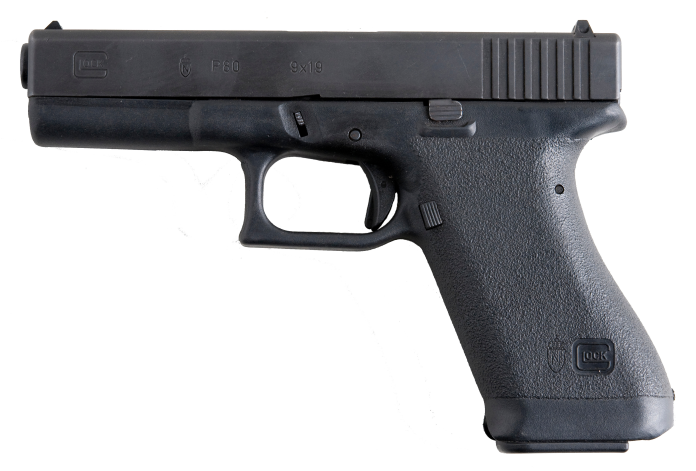
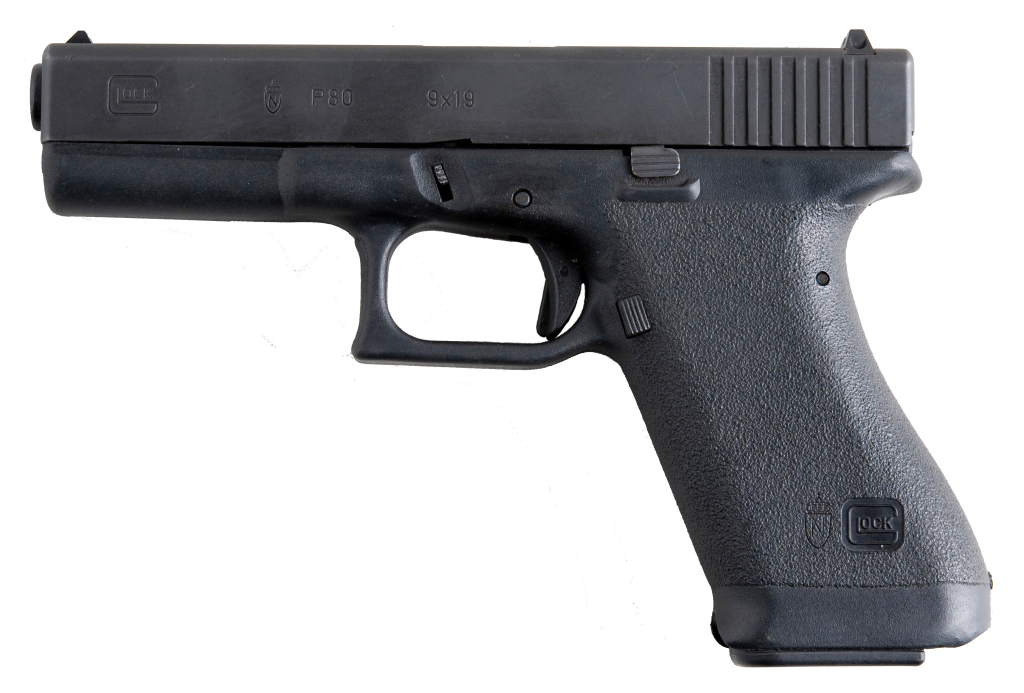
Glock’s commercial matrix had expanded into dozens of near-overlapping variants, and reference reporting described 34 discontinued models before counting generation splits. That kind of spread creates manufacturing drag even when the pistols share a familiar operating system.
Fewer SKUs mean fewer changeovers, simpler forecasting, and a cleaner path for distributors and retailers. It also reduces the number of slow-moving models competing with the high-volume compact and duty-size pistols that define Glock’s core market.
2. The V line appears built to reset the baseline
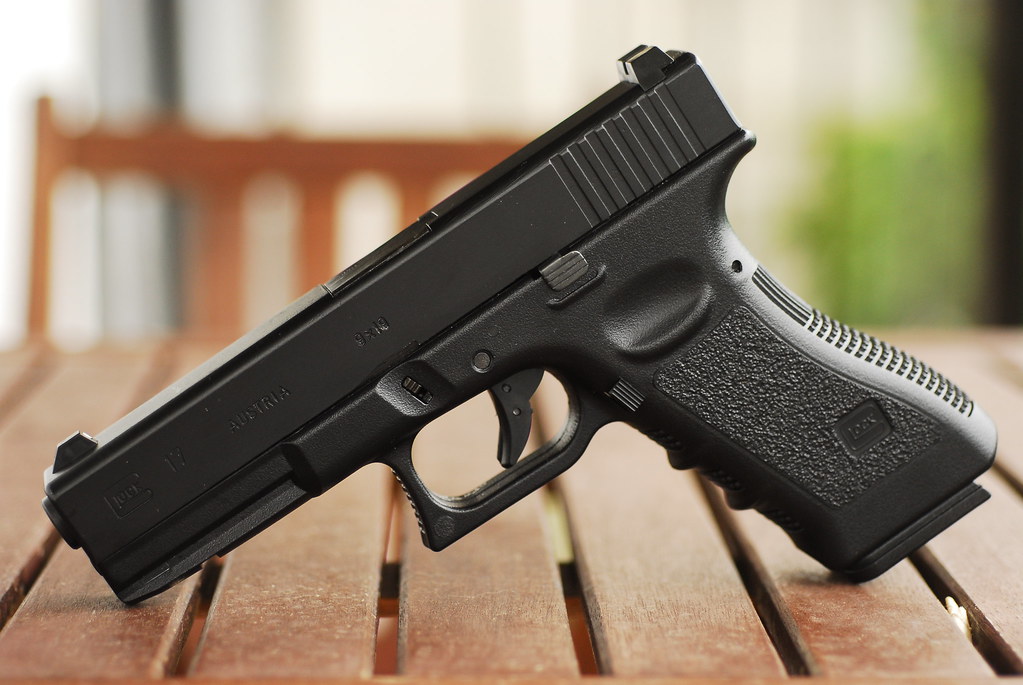
The catalog reduction is not just subtraction. It coincides with a replacement structure centered on a V-marked family that includes mainstream models such as the G17, G19, G19X, G45, and G26 in updated form.
Glock described the incoming family as a way to simplify internal processes while preserving the brand’s familiar outward format. One company statement said, “The Glock V Series is here to establish a baseline of products while simplifying our processes.” That language signals a platform reset more than a routine seasonal refresh.
3. Factory optics are moving closer to standard equipment
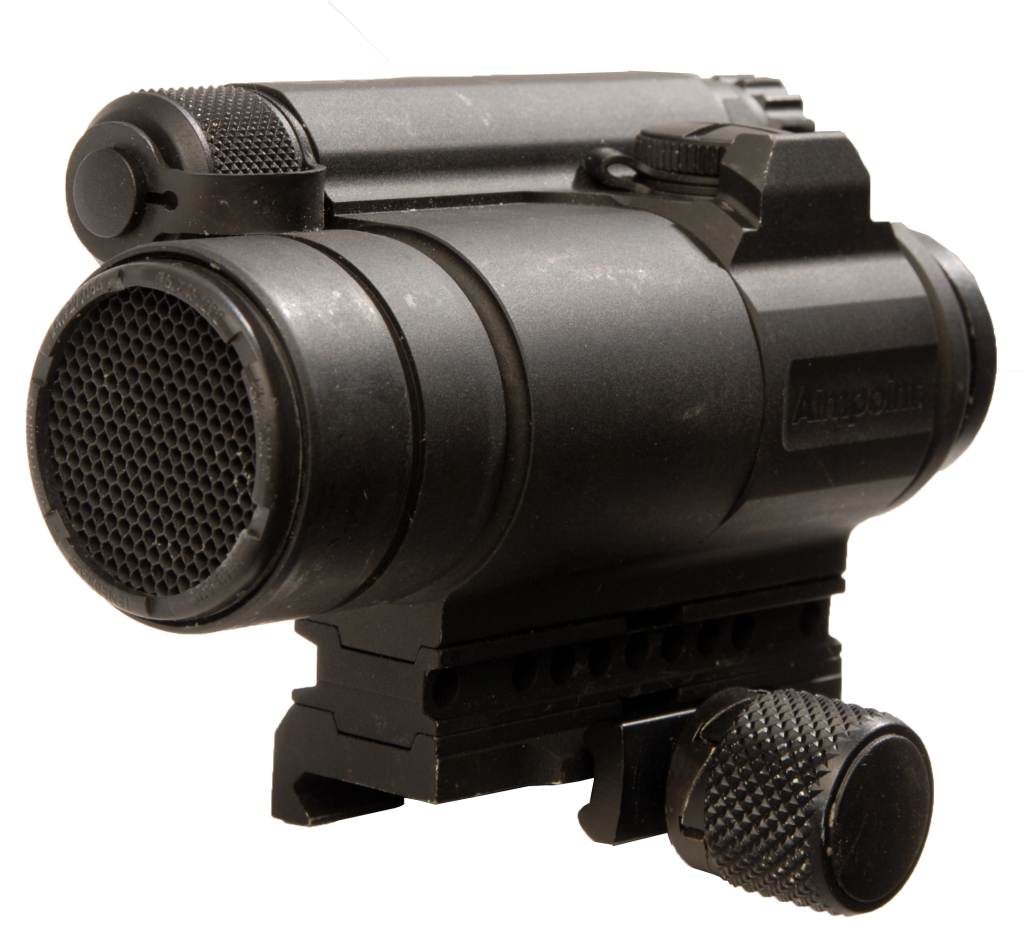
Optics-ready handguns are no longer a niche branch of the market. Glock’s own product direction reflects that change, with MOS models remaining central and some packages treating the optic as part of the pistol rather than a later add-on.
The clearest sign is the use of the Aimpoint A-CUT interface on select factory-equipped models. Once slides, sights, and mounting geometry are designed as one package, low-volume non-optic variants become less important to the catalog’s future shape.
4. Older generations complicate parts and compatibility
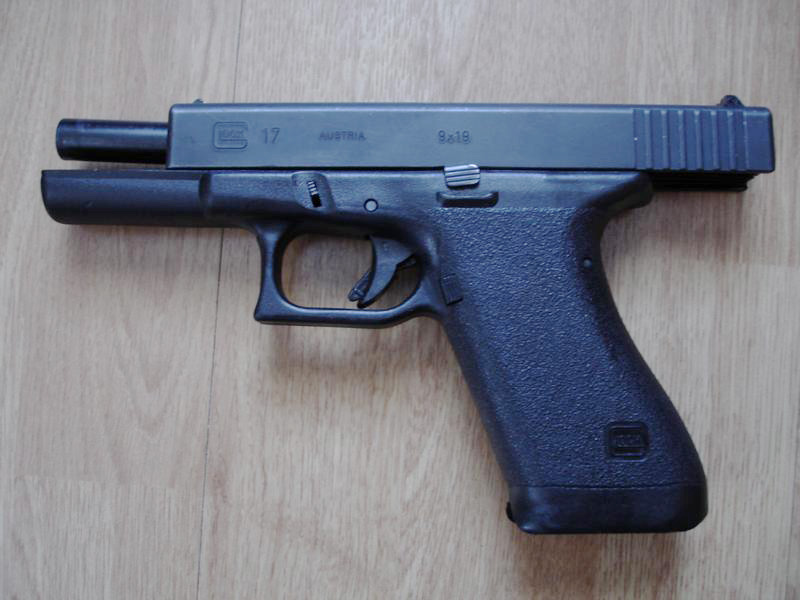
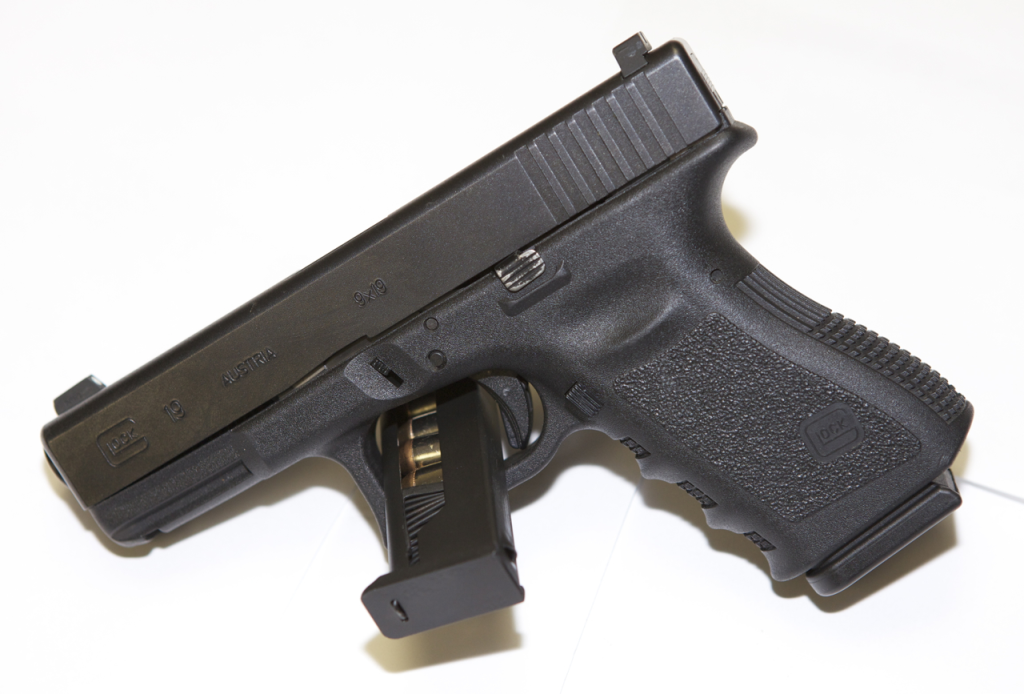
Glock generations have always looked similar at a glance, but Gen 3, Gen 4, and Gen 5 introduced meaningful differences in grip geometry, controls, barrels, finishes, and internals. Gen 5 alone removed finger grooves, added ambidextrous slide-stop controls, and brought the Glock Marksman Barrel and nDLC finish into the mix.
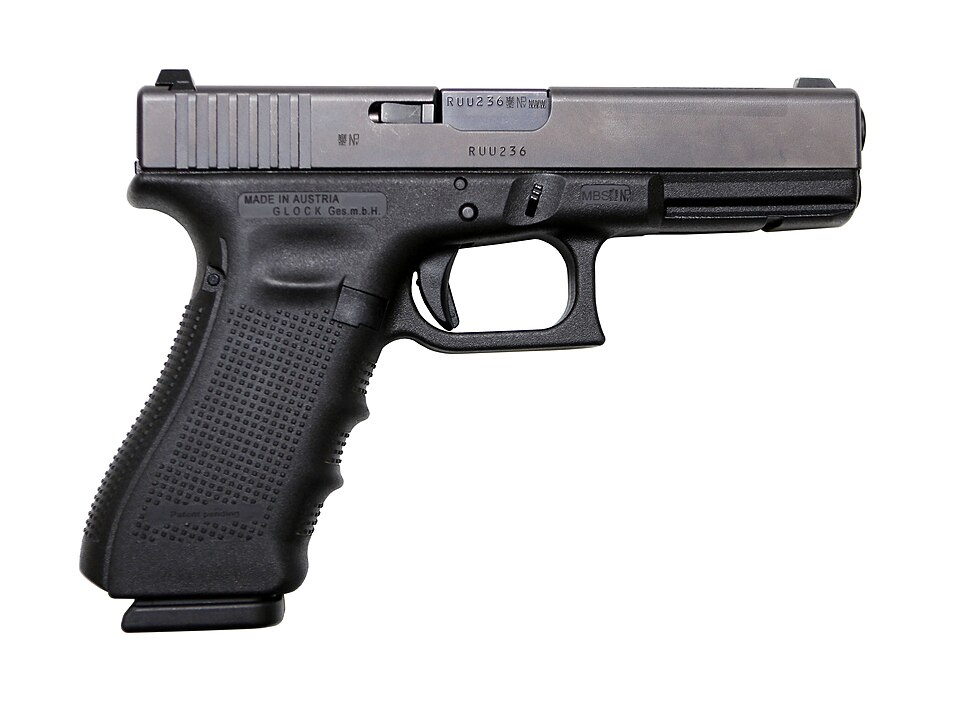
Those refinements improved the pistols while also making a huge multi-generation catalog harder to keep aligned. A tighter lineup lets Glock support a narrower mechanical baseline instead of maintaining broad backward overlap across commercial variants that fill nearly the same role.

5. Compliance pressure is now shaping pistol design
Modern handgun planning is no longer driven only by caliber demand and frame size. Regulatory language aimed at conversion-prone pistols has made internal geometry part of the business equation.
California’s AB 1127 set restrictions tied to dealer transfers of certain pistols beginning on and after July 1, 2026. The law’s wording reaches into mechanical specifics, including designs built around a cruciform trigger bar, which turns technical architecture into a compliance issue rather than a purely engineering preference.

6. Internal revisions are being used to resist illegal conversion devices
Discussion around the V-marked guns has consistently pointed to internal changes intended to block illegal auto-conversion devices. The focus is the rear area of the pistol, where those parts are typically installed.
One widely circulated description highlighted a short steel rail used as a blocking feature in place of an earlier plastic element that could be altered. Whether every future variant follows that exact layout, the key point is clear: resistance to illicit modification is being treated as a design requirement inside Glock’s next baseline.
7. Glock can cut retail variants without abandoning long-term support
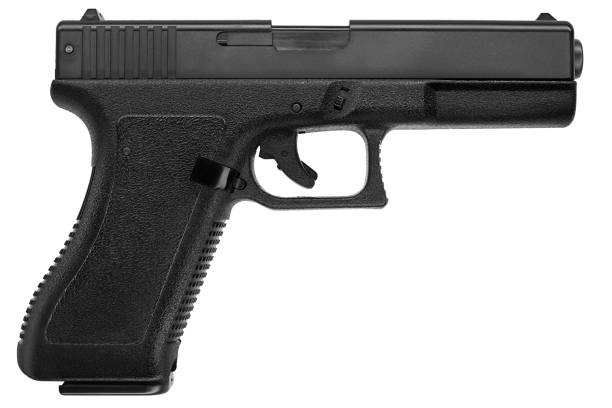
Commercial streamlining does not mean legacy pistols become unsupported. Glock has stated that service will continue across discontinued models and existing generations, which is essential for agencies, armorers, and long-time civilian owners with established parts inventories.
The company summarized the strategy this way: “In order to focus on the products that will drive future innovation and growth, we are making a strategic decision to reduce our current commercial portfolio. This streamlined approach allows us to concentrate on continuing to deliver the highest-quality and most relevant solutions for the market.”
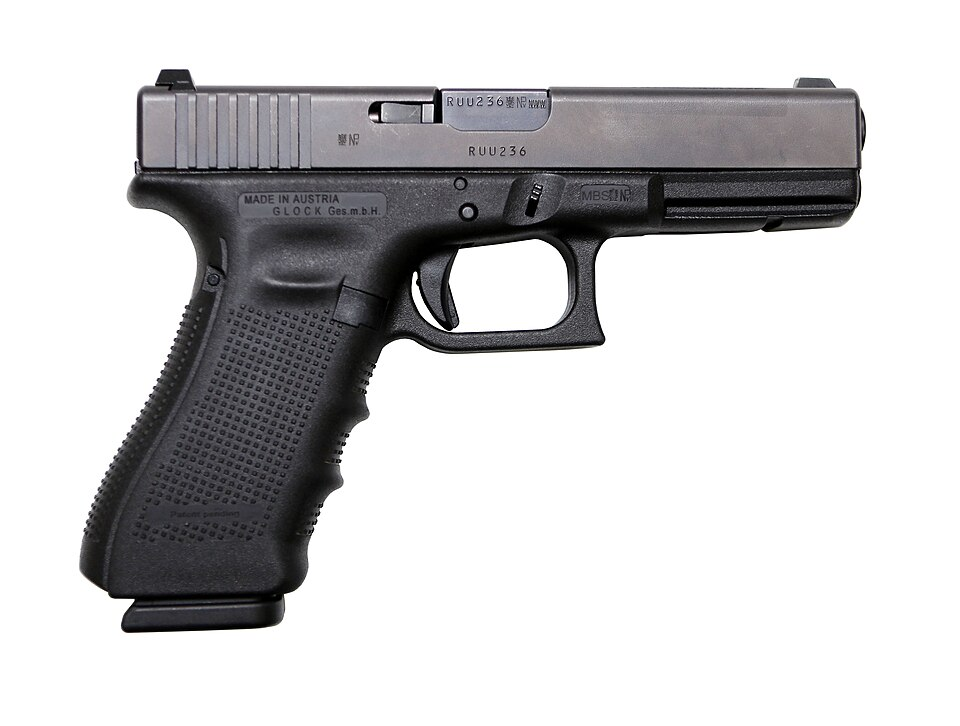
The broader result is a shift in the center of gravity rather than a clean break with the past. Existing pistols remain usable, but the future of factory attention, accessory development, and default configurations is moving toward a smaller set of standardized models.
For a platform that built its identity on incremental change, that may be the most important detail. Glock is not abandoning its formula; it is narrowing the number of ways that formula reaches the shelf.


