The word “modern” gets applied to handguns so often that it can lose all meaning. In the 9mm world, a design earns that label only when it changes what shooters, armorers, and institutions start expecting as normal.
These ten pistols did exactly that. Some introduced higher capacity, some changed materials and lockup systems, and some proved that a duty pistol could be lighter, simpler, or easier to carry without losing practical performance.
1. Luger P08
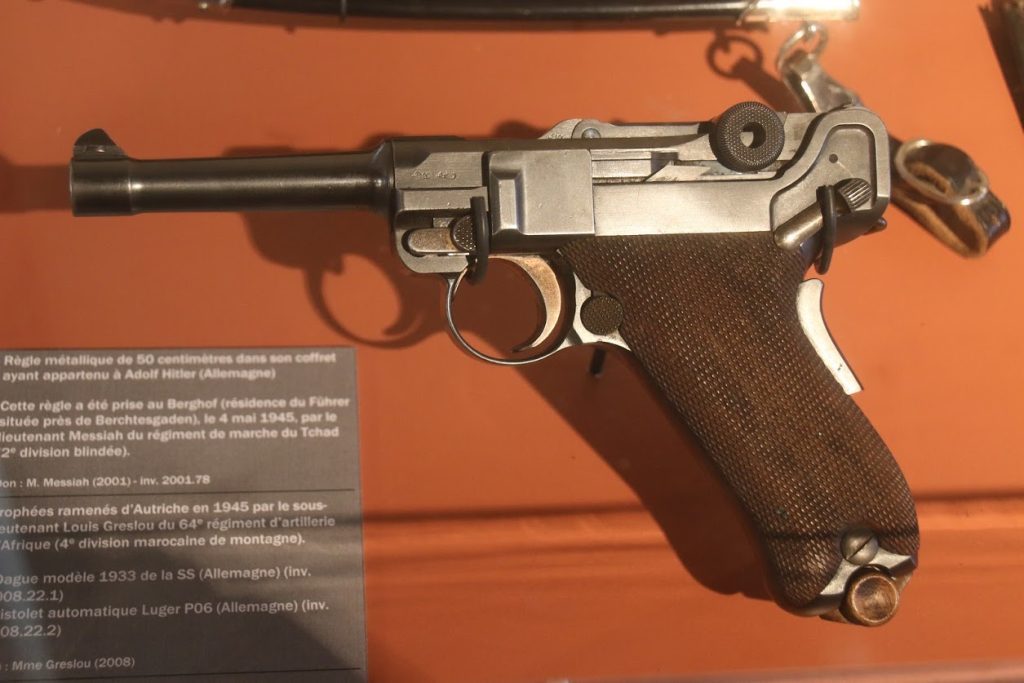
The modern 9mm story starts here. Georg Luger’s pistol was closely tied to the 9x19mm cartridge, which was developed in 1902 and helped establish 9mm as a serious service round. Its toggle-lock mechanism was mechanically ambitious and visually unmistakable, but its real importance lies in timing. The P08 arrived when self-loading pistols were still defining themselves, and it gave military users a compact repeating sidearm built around a cartridge that would outlast nearly every early competitor. Later pistols moved to more practical locked-breech systems, yet the Luger remains one of the clearest examples of a handgun that pushed the category forward before the category had fully settled.

2. Browning Hi-Power
The Hi-Power normalized the idea that a fighting pistol did not have to be limited to a sparse magazine. Its lasting contribution was not only the pistol itself but the magazine architecture behind it, especially the double-stack work associated with Dieudonné Saive. That mattered because capacity stopped being a novelty and started becoming part of the baseline. The Hi-Power also carried the influence of John Browning’s design philosophy into a later generation, blending shootability, practical size, and service use into one package. Even many pistols that share little of its appearance still follow the path it opened.
3. Beretta 92
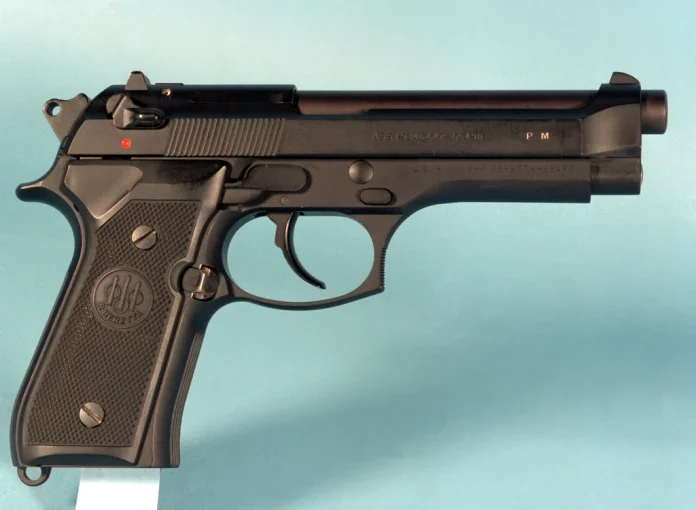
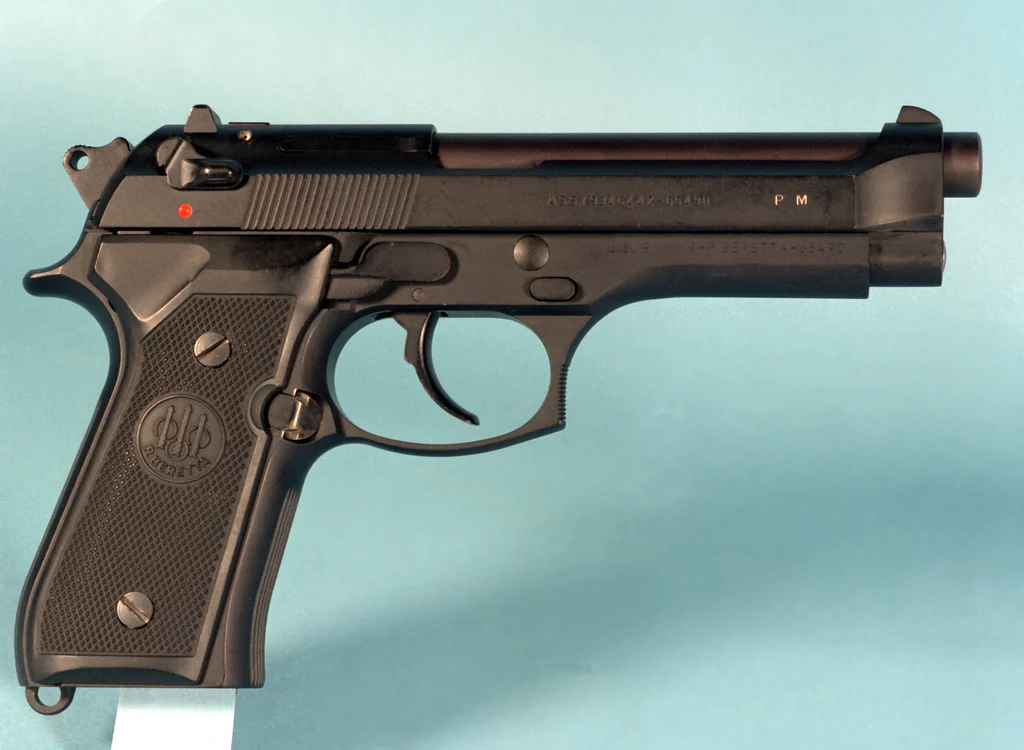
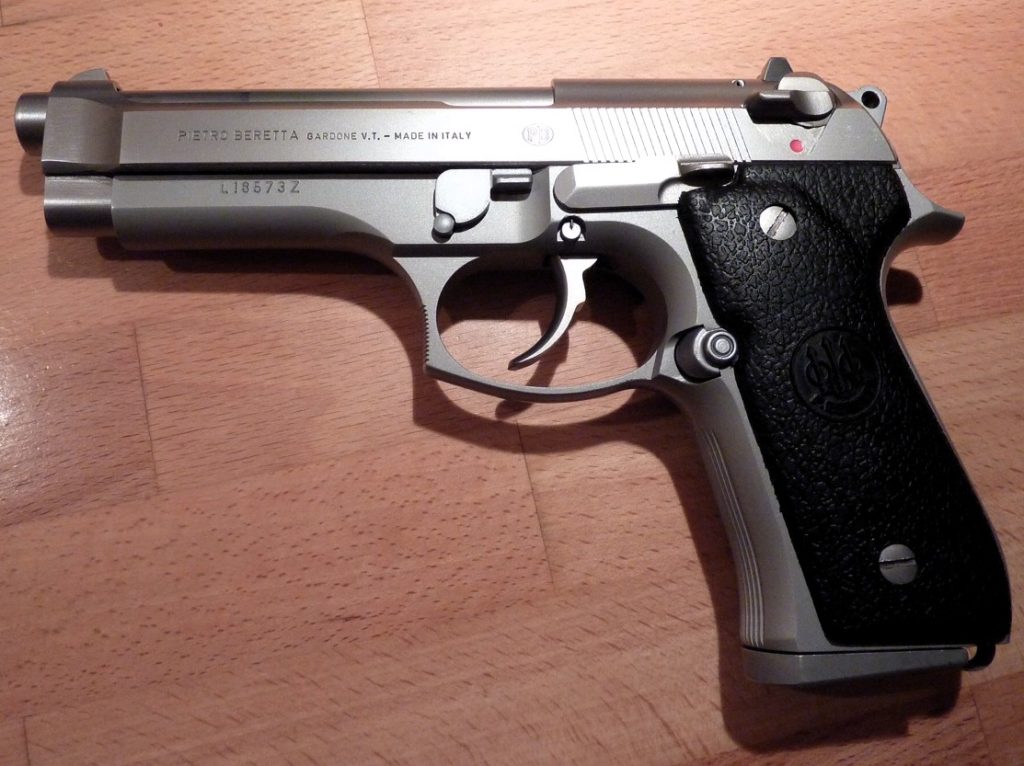
The Beretta 92 defined an era of large service pistols. Its open-slide profile and locking-block system gave it a mechanical identity distinct from the Browning-style tilting-barrel crowd, while its DA/SA operating system became familiar to generations of military and law-enforcement users. Just as important, the pistol built a reputation around durability and long service life. It shaped holster design, training programs, and qualification standards far beyond its initial adoption cycle. For many shooters, the Beretta 92 became the reference point for what a full-size duty sidearm should feel like.
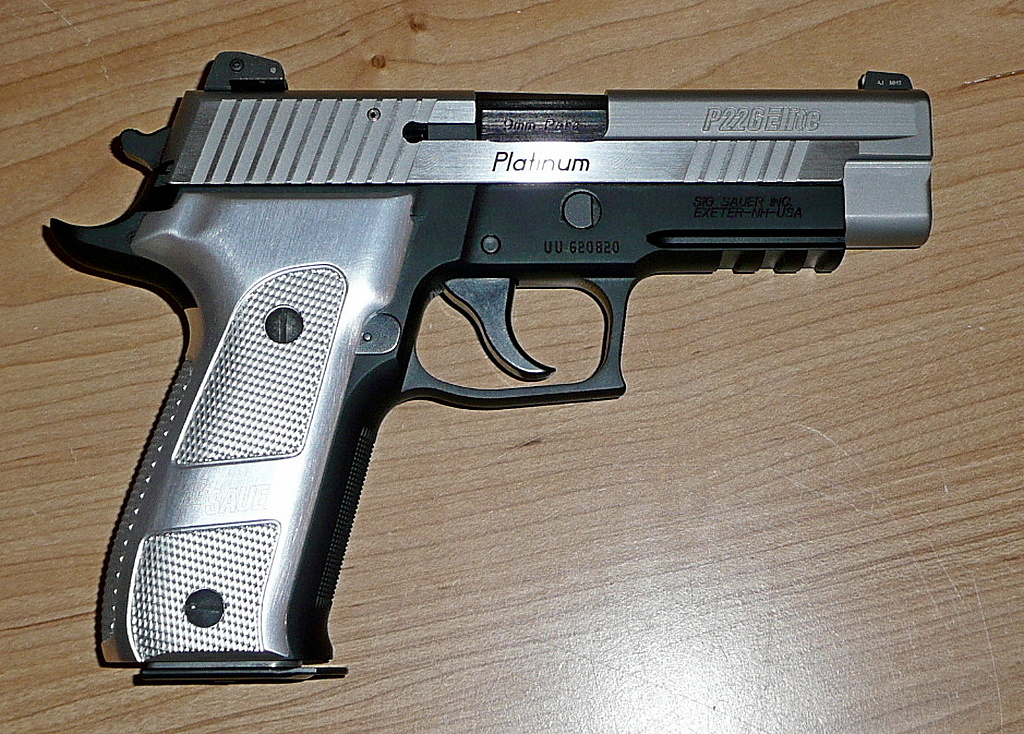
4. SIG Sauer P226
The P226 represents the duty pistol as a long-term institutional tool rather than a disposable product cycle. Developed for U.S. service pistol trials, it stayed relevant even as the market moved hard toward polymer striker-fired guns. Its influence came from refinement and endurance. The pistol offered a robust DA/SA format with strong reliability and later evolved with rail-equipped variants that aligned it with newer accessory expectations. The result was a sidearm that bridged older service-pistol doctrine and newer practical requirements without losing its identity.
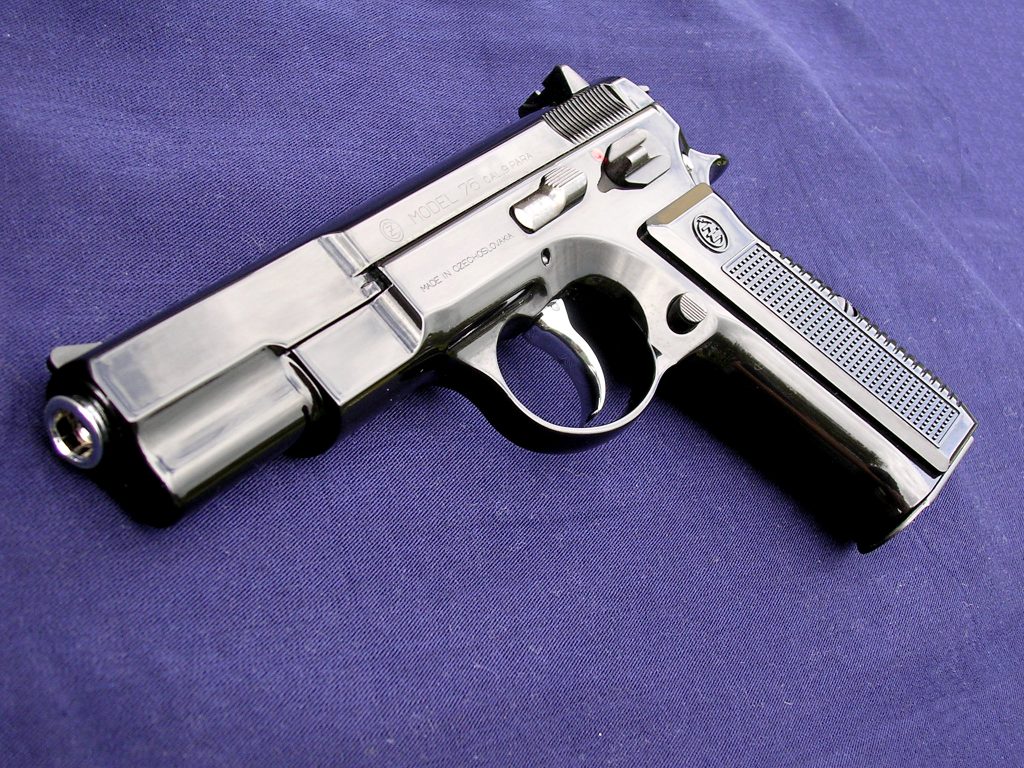
5. CZ 75
The CZ 75 showed that a steel-framed 9mm could feel both serious and unusually natural in the hand. Its grip shape, slide-in-frame arrangement, and smooth shooting character gave it a reputation that far outlived the political conditions that initially limited its spread. That delayed reach became part of its legend. Once broader access followed, the market answered with an enormous number of clones and derivatives. In engineering terms, imitation is often the clearest sign of influence, and the CZ 75 generated decades of it.
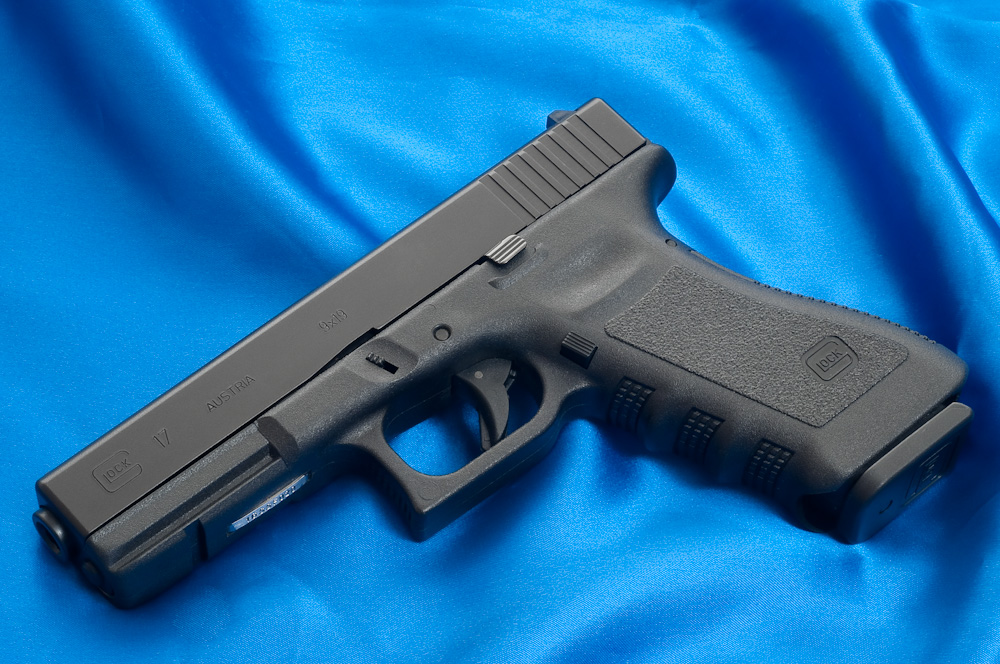
6. Glock 17
The Glock 17 was the real system shock. Introduced after it entered Austrian military and police service in 1982, it became the first commercially successful polymer-framed pistol line and forced the rest of the industry to reconsider what a service handgun could be. Its formula was bluntly effective: polymer frame, striker-fired action, high capacity, corrosion resistance, and a small parts count. Glock’s “Safe Action” system removed the traditional manual safety lever while retaining internal safeties, and the design proved that lightweight construction did not have to mean fragility. This was the pistol that turned polymer from a risk into the default.
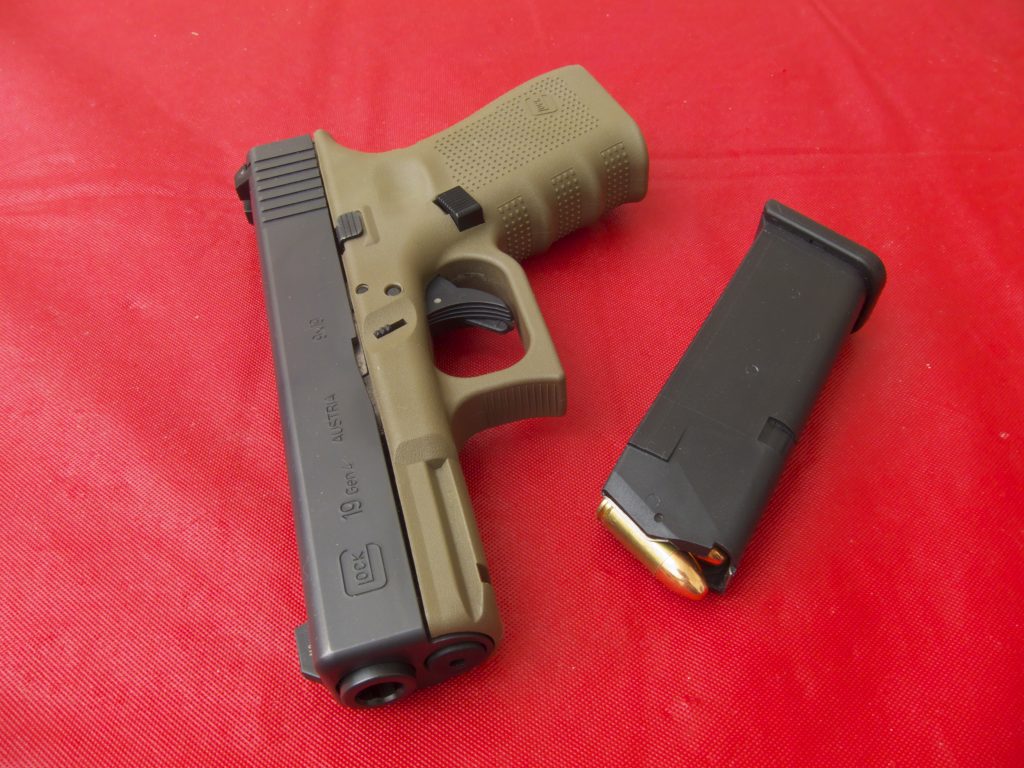
7. Glock 19
If the Glock 17 changed the system, the Glock 19 perfected the size. Introduced in 1988, it turned the compact 9mm into the all-purpose standard: large enough to shoot like a duty pistol, small enough to carry without full-size penalties. Its staying power comes from consistency more than novelty. The trigger press is familiar, maintenance is straightforward, and magazine compatibility with larger models made it unusually flexible. The platform’s continuing institutional use, including Special Operations adoption of Glock 19 variants, reinforced its reputation as the do-everything 9mm.
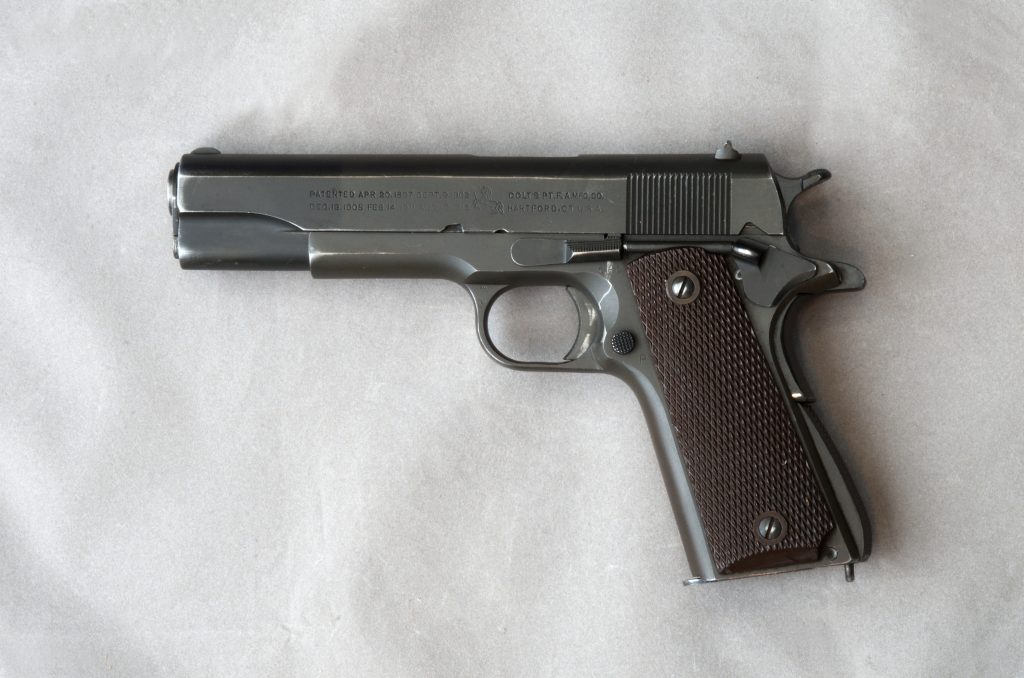
8. Colt 1911 in 9mm
A 9mm 1911 looks backward until it is shot. Then the point becomes clear: the platform’s slim profile, short single-action trigger, and established control layout still deliver a very current kind of performance. The format showed that “modern” does not always mean new geometry or new materials. In 9mm, the 1911 gains softer recoil and often more practical shooting speed while keeping one of the most influential ergonomics packages ever made. It is a reminder that some advances come from reapplying an old control scheme to a cartridge that suits modern training volume and fast strings.
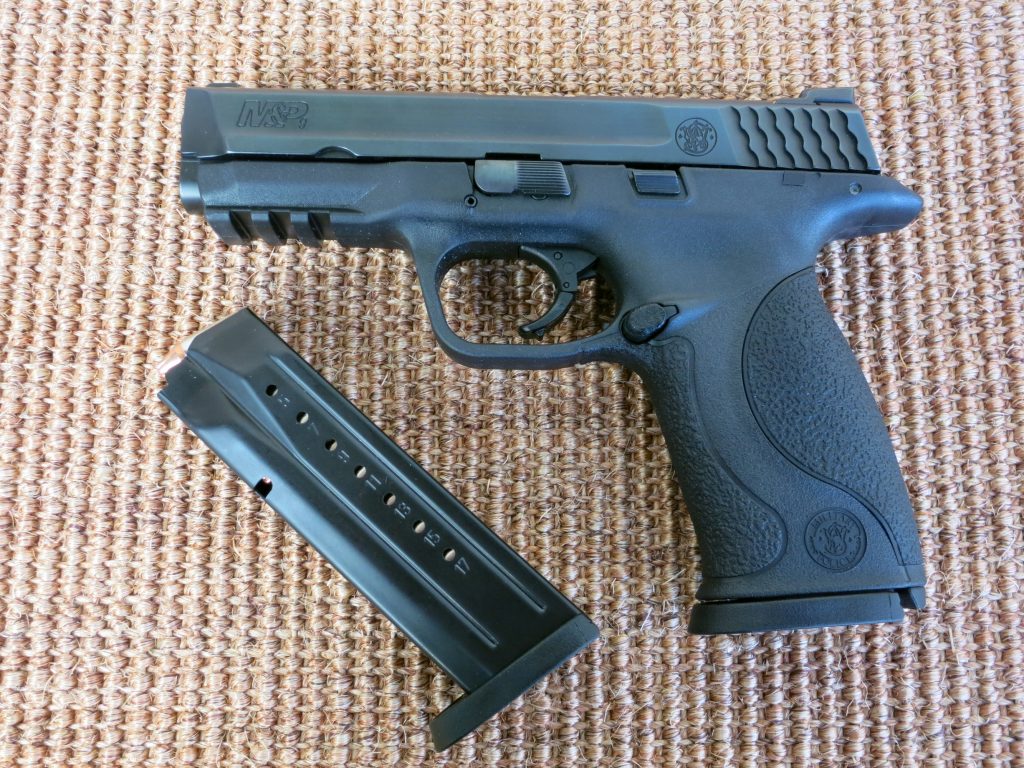
9. Smith & Wesson M&P Shield
The Shield helped settle a question the market had been circling for years: could a slim, easily carried 9mm still be credible on the range? Its answer was yes, and the category expanded quickly afterward. This pistol mattered because it connected concealability with shootability for a broad audience. Small 9mms existed earlier, but the Shield made the format feel mainstream rather than specialized. It helped establish expectations for practical sights, manageable recoil, and striker-fired simplicity in pistols meant to disappear under everyday clothing.
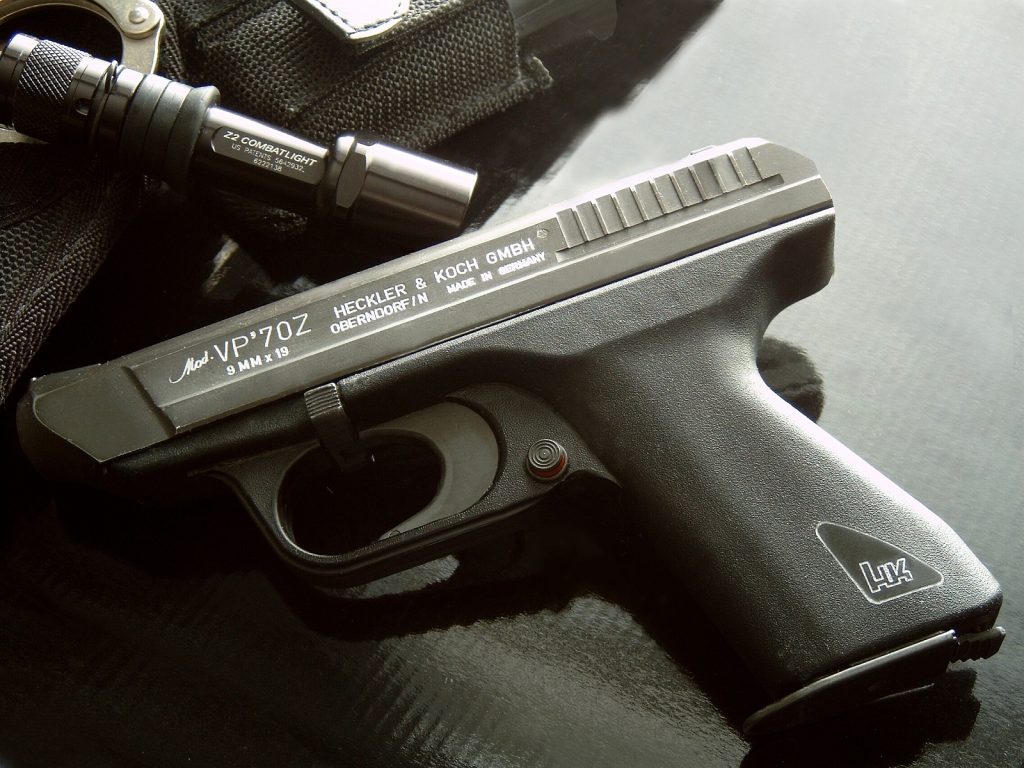
10. Heckler & Koch VP70
The VP70 was ahead of its time in ways that were not fully appreciated when it appeared. It is widely recognized as the first production service pistol with a polymer frame, and it paired that with an 18-round magazine when that kind of capacity still looked unusual. It also showed that being early is not the same as being polished. The trigger system was often criticized, and the pistol never became the standard-bearer its specification sheet suggested. Even so, the VP70 demonstrated that polymer and high capacity were not futuristic ideas waiting for invention.
They were already on the table, waiting for a later design to execute them more effectively. Taken together, these pistols trace the real meaning of “modern” in 9mm development. The through-line is not branding or release date, but the moment a design changed expectations and made the rest of the market respond. Capacity, materials, ergonomics, carry size, and operating systems all shifted because of these handguns. That is what made them modern, and why they still matter.


