Rifle accuracy usually falls apart in small ways before it collapses in obvious ones. A shooter can have a solid rifle, decent ammunition, and a confirmed zero, then still print groups that wander, string, or open up for reasons that barely register in the moment. Most of those misses do not come from one dramatic error. They come from repeatable mechanical flaws, poor fit, and habits that only show up when the reticle settles and the trigger starts moving.
1. Letting the rifle cant shot to shot
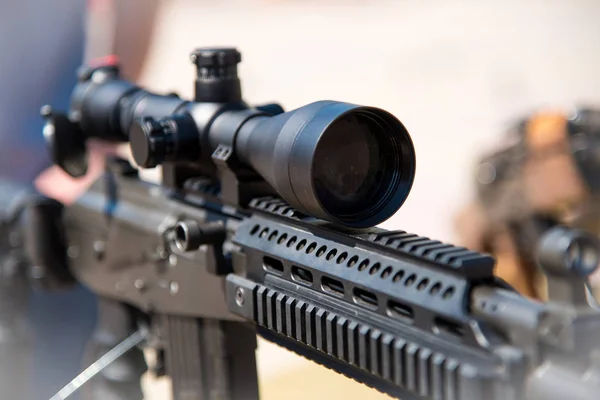
A rifle does not have to be visibly tilted to cause trouble. Even slight cant shifts the relationship between the sighting system and gravity, which is why shooters often see diagonal misses instead of random ones. Experienced shooters often describe a left tilt producing low-left impact and a right tilt producing low-right impact, especially when shooting with magnified optics.
This is one of the quietest errors on the range because the sight picture can still look acceptable. The problem is that the rifle is no longer returning to the same vertical orientation every time. Small left-right stringing is often tied to the rifle slightly canted, which makes level setup and a repeatable head position more important than many shooters realize.
2. Practicing only from the bench
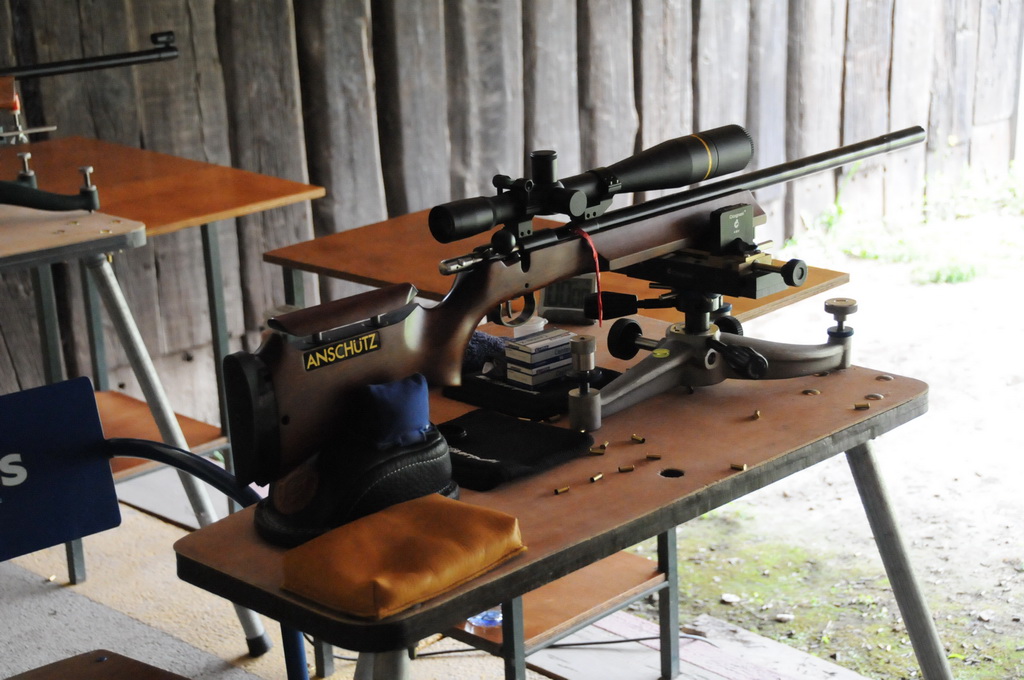
Bench shooting is useful for zeroing and load evaluation, but it can hide flaws in position building. A stable bench masks balance issues, weak rear support, and poor body alignment that become obvious the moment a shooter goes prone, kneeling, or onto a bipod.
One of the most common range habits is spending nearly all practice time on a bench even though real rifle work often depends on improvised support. The result is a shooter who can produce tidy groups in ideal conditions but struggles once body position starts controlling recoil, sight movement, and follow-through. The gap shows up fast when shifting into field positions where natural point of aim and support pressure matter far more.
3. Fighting the trigger instead of pressing it
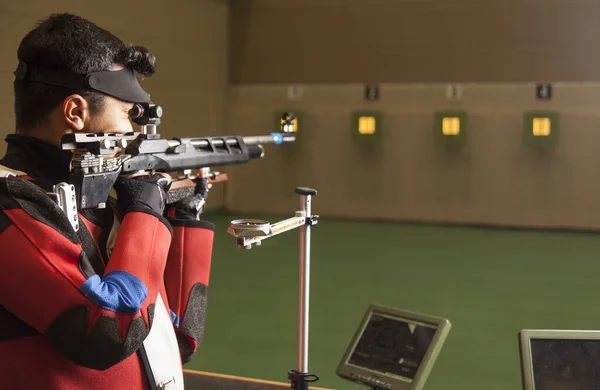
Trigger control problems rarely look dramatic. More often, they show up as an unexplained flyer, a low miss, or a group that opens only when the shot breaks. In many cases, the shooter is not flinching at the report itself but adding extra hand tension to force a heavy or inconsistent trigger through the break.
A trigger that is too heavy can recruit the entire hand instead of just the trigger finger. One reference notes that eight pounds or more can make it harder to move the trigger without disturbing the rifle. Even with a reasonable trigger, inconsistent finger placement changes leverage and side pressure. The fix is not speed. It is the same finger placement, the same rearward press, and enough dry-fire work to make the break feel unsurprising.
4. Holding the breath too long
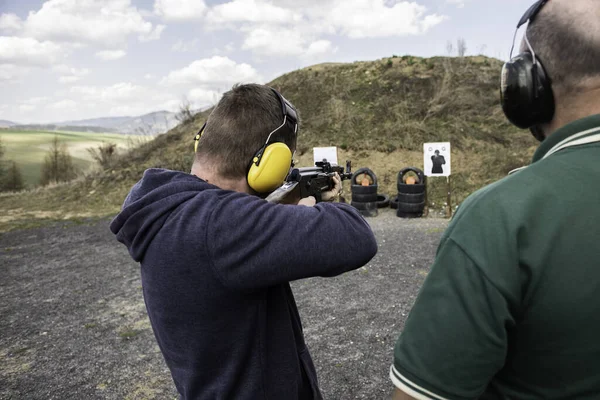
Breathing errors are easy to miss because every shooter expects some wobble. Trouble starts when the shooter tries to force the sights completely still, holds too long, and then snatches the shot as the sight picture begins to degrade.
That pattern often produces vertical spread. Shooters discussing group analysis routinely connect vertical stringing with breathing, rear-bag input, and trigger press. A calm respiratory cycle matters more than a frozen one. The rifle settles best when the shooter exhales naturally, pauses briefly, and breaks the shot before tension starts building again.
5. Lifting the head or abandoning follow-through
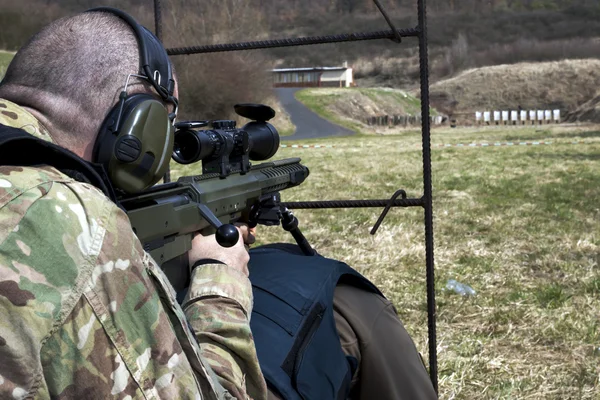
Many misses are already baked in before recoil finishes. Shooters who lift their head, relax their shoulder, or look over the scope to check impact often disturb the rifle at the exact moment the bullet is leaving the barrel.
This is part mechanics and part discipline. Follow-through means staying in the gun, watching the sight picture, and letting the shot complete without interruption. The habit seems minor, but anticipation and early movement disrupt the coordination between sight picture and trigger break. Groups that should be tight end up with one or two mystery shots that were actually pulled out of place by impatience.
6. Ignoring recoil anticipation
Recoil anticipation is not limited to beginners or hard-kicking rifles. It is a built-in human response, and accuracy suffers when the body tries to beat the gun to the shot. The muzzle dips, the shoulder braces, or the trigger gets slapped in an effort to control what has not happened yet.
One useful training method is ball-and-dummy drills, where live rounds and dummy rounds are mixed so the shooter does not know when the rifle will fire. The error becomes obvious when the gun clicks and the muzzle still twitches. Dry fire helps, but recoil management also needs live repetitions. The goal is not eliminating anticipation forever; it is keeping it from hijacking the shot.
7. Failing to verify zero with the actual setup and ammunition
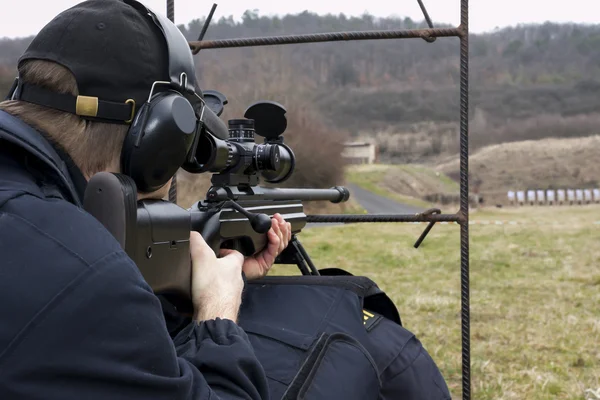
A tight group in the wrong place is not a marksmanship problem. It is a setup problem. Shooters often assume the optic, mount, or ammunition is constant, then waste range time chasing technique when the zero was never truly confirmed under the same conditions.
That includes checking screw tension, using a stable rest, and confirming performance with the exact load in use. Ammunition variation can be dramatic, especially in rimfire, where one shooter found a 6-inch spread in groups between different .22 LR loads at 25 yards. Point of impact can also shift with position. A rifle zeroed from a rigid bench may not land in the same place when fired from a bipod, a prop, or unsupported prone.
8. Changing body pressure and natural point of aim between groups
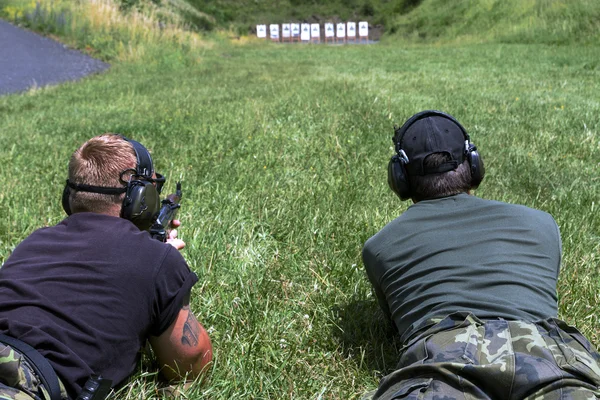
A rifle can shoot tight groups that land in different places when the shooter’s position changes slightly from string to string. Different sling tension, altered shoulder pressure, inconsistent bipod loading, or a shifted rear bag can move impact without opening the group much at all. This is why natural point of aim matters. If the rifle is muscled onto target instead of naturally resting there, small posture changes create measurable point-of-impact shifts. Shooters dealing with drifting groups from prone often trace it to different sling tension or a changed natural point of aim rather than a problem with the optic.
Accuracy depends as much on repeatable body geometry as it does on barrel quality. Most rifle accuracy problems are not mysterious. They are subtle, repeatable, and mechanical enough to survive for months if nobody slows down to isolate them. A level rifle, a consistent position, a verified zero, and a clean trigger press solve more “bad ammo” and “off day” complaints than most shooters expect. At the range, small errors compound quietly. That is what makes them so expensive on paper.


