Military engineering often rewards bold ideas on paper long before field conditions deliver a verdict. Some concepts promise speed, precision, survivability, or strategic dominance, yet run into a familiar set of problems once crews, terrain, maintenance, cost, and doctrine enter the equation.
This list looks at nine weapon concepts that appeared highly persuasive at the design stage but struggled when exposed to real operational limits. In each case, the failure was not always a lack of imagination. More often, it was a mismatch between technical ambition and battlefield reality.

1. Early M16 Rifle
The original M16 embodied a modern infantry ideal: light weight, controllable recoil, and high-velocity ammunition that let troops carry more rounds without adding the burden of a heavier battle rifle. That combination made the design look like a major step forward from older service arms. Its early field reputation was very different.
According to a Congressional investigation into failures, reliability problems became serious enough to draw national scrutiny. The rifle’s promise was undermined by fouling, jamming, and design and support issues that proved punishing in combat conditions. A concept centered on portability and firepower ran into the blunt fact that a service rifle must work under neglect, heat, dirt, and stress before any of its other virtues matter.

2. Patriot Missile Defense in Early Combat Use
The Patriot system was presented as a technological answer to one of the hardest military problems: intercepting incoming ballistic missiles at speed. In theory, that made it a landmark defensive weapon, and early public claims gave the impression that missile defense had finally become dependable.
Later analysis sharply complicated that image. The system’s record during the 1991 Gulf War was reexamined, and post-war analysis revealed a performance far below initial expectations. Some apparent successes were near-misses or intercepts that did not fully destroy the threat. Software limitations also affected tracking during extended operation. The larger lesson was that elegant interception theory can unravel when sensor fidelity, timing, debris, and warhead behavior become part of the engagement.
3. Airborne Laser
Mounting a high-energy laser on a large aircraft had obvious appeal. A boost-phase missile killer flying at altitude sounded like the kind of leap that could alter strategic defense by destroying threats soon after launch. In practice, the Airborne Laser became a textbook case of a dazzling concept colliding with complexity.
The program consumed $5 billion and produced one prototype before cancellation, according to the program summary. Its operational role remained questionable, and the engineering burden of integrating a massive laser system into an aging 747-based platform made the concept harder to sustain than to pitch. It was a reminder that a successful demonstration does not automatically produce a practical weapon.
4. Kinetic Energy Interceptor
The Kinetic Energy Interceptor fit a compelling missile-defense logic: hit a hostile missile hard and early with sheer speed rather than an explosive warhead. That approach promised clean interception and a strong role in boost-phase defense. The trouble was scale.
The interceptor grew too large for easy shipboard use, and expanding mission demands drove cost and complexity upward. By the time the program was cancelled, it had consumed $1.3 billion without becoming a usable answer to the operational problem it was meant to solve. The concept remained appealing, but its physical and logistical footprint worked against it.
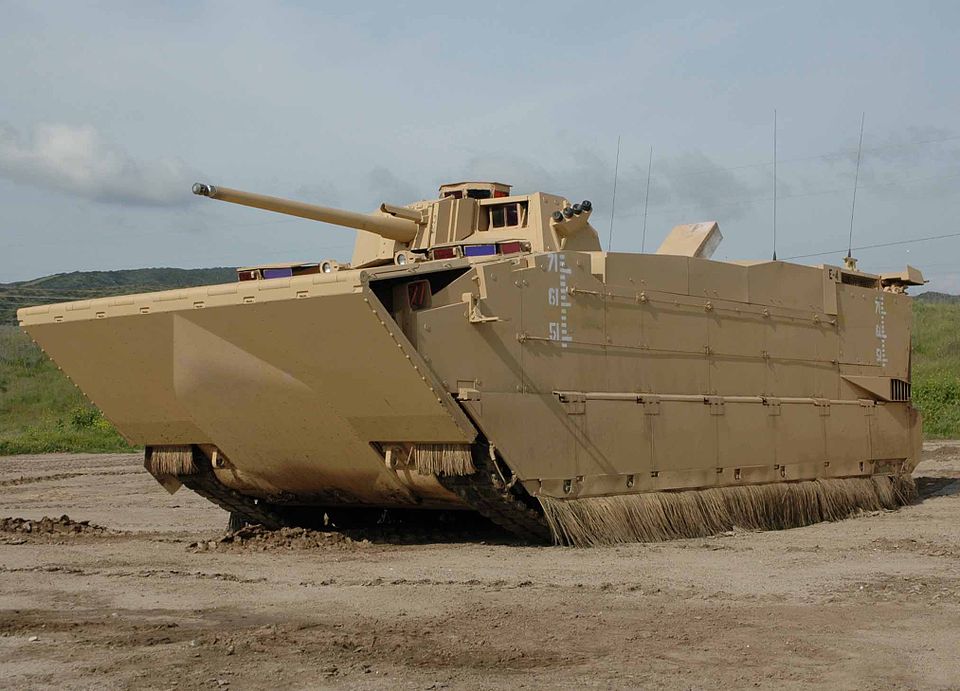
5. Expeditionary Fighting Vehicle
The EFV aimed to give Marine forces a fast armored vehicle that could move from ship to shore at high speed and then fight effectively on land. It was an ambitious attempt to combine amphibious mobility with serious combat capability in one platform. That blend proved difficult to achieve.
The vehicle’s size, weight, and technical demands pushed the program into delays and escalating cost, eventually leading to cancellation after billions had already been spent. Its central idea belonged to a style of amphibious assault planning that looked increasingly exposed in an era shaped by long-range anti-ship threats. A vehicle designed to solve one classic problem ended up trapped by a changing battlefield.
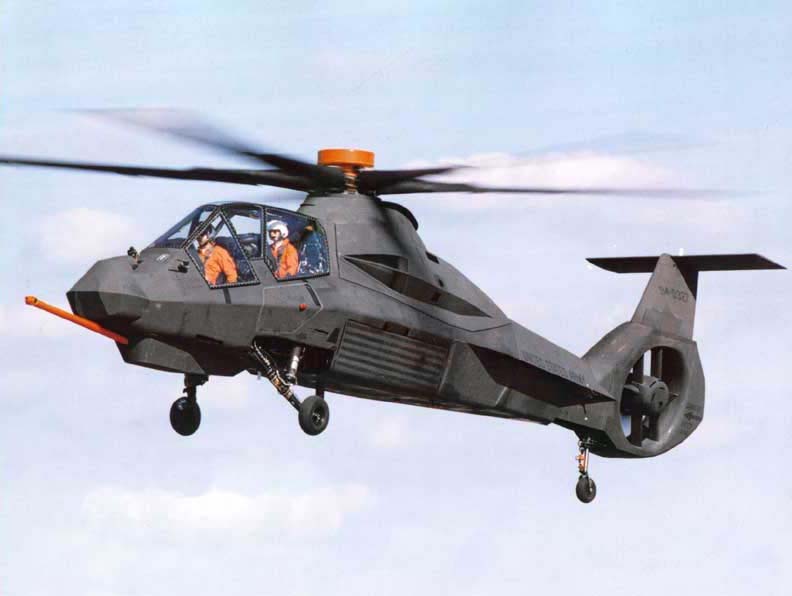
6. RAH-66 Comanche
The Comanche helicopter represented a familiar defense ambition: replace several legacy roles with one advanced, stealthier, more networked aircraft. It promised reconnaissance, attack capability, and survivability in a single next-generation package. What looked efficient in concept became difficult in execution.
The program lasted 22 years, spent $6.9 billion, and delivered no operational fleet. Concerns over performance under full load added to the trouble, while the strategic environment that had inspired the design shifted before the helicopter could mature. By the end, two prototypes remained as evidence of how quickly requirements can outrun a design’s original purpose.
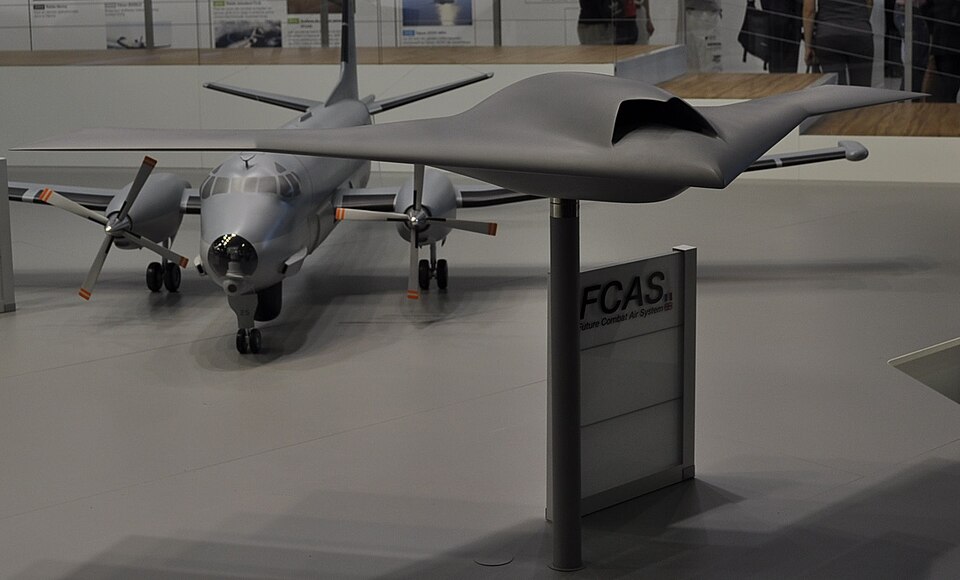
7. Future Combat Systems
Future Combat Systems was less a single weapon than a networked combat vision built around interconnected vehicles, aircraft, sensors, and communications. It looked brilliant because it tried to turn information dominance into a full battlefield architecture. It also became one of the clearest examples of how grand military systems can collapse under their own scale.
Shifting requirements, changing operational priorities, and spiraling development demands turned the effort into a prolonged struggle. After $19 billion in spending, the program was cancelled. The concept promised a transformed ground force, but the ambition to reinvent everything at once made practical delivery elusive.
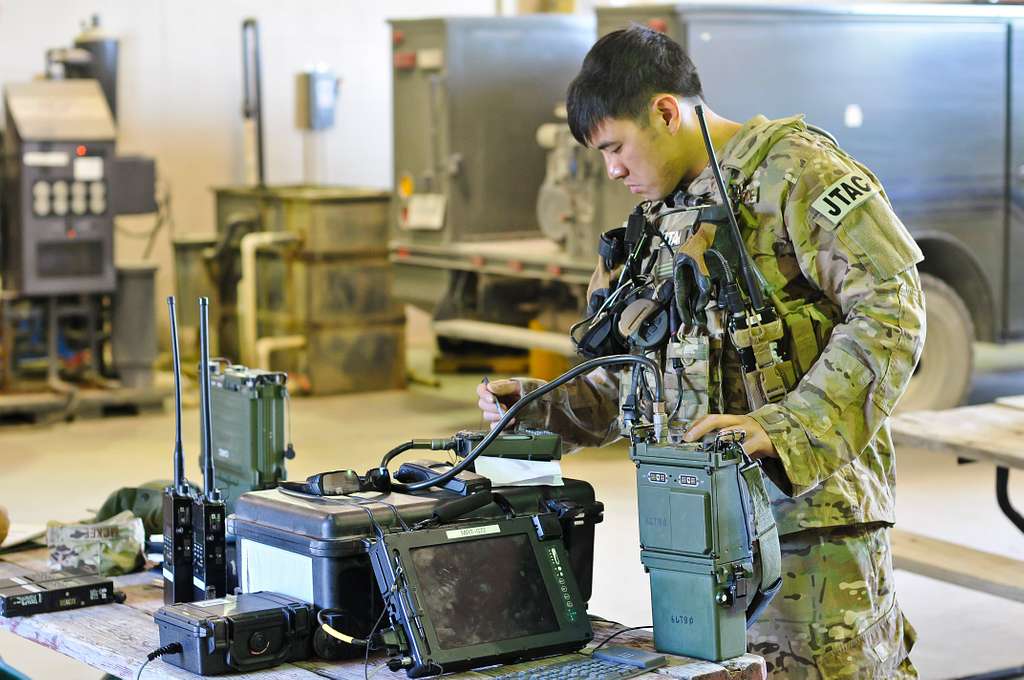
8. Joint Tactical Radio System
Radios rarely receive the attention given to aircraft or missiles, but they are core combat tools. JTRS looked like a smart modernization step because it aimed to unify military communications through flexible digital architecture rather than a patchwork of incompatible sets. That vision stumbled over development reality.
The Army spent billions developing the system, then cancelled and restarted parts of it after testing setbacks. Meanwhile, forces continued using older radios while waiting for a cleaner solution. It was a weapon-support concept that made technical sense, yet still showed how difficult it is to replace entrenched equipment across a massive force without delays and duplication.
9. Counter-Drone Laser Deployment
Laser-based anti-drone systems carry a powerful engineering allure. They promise speed-of-light engagement, deep magazines, and a lower-cost response to small unmanned aircraft than traditional missiles.
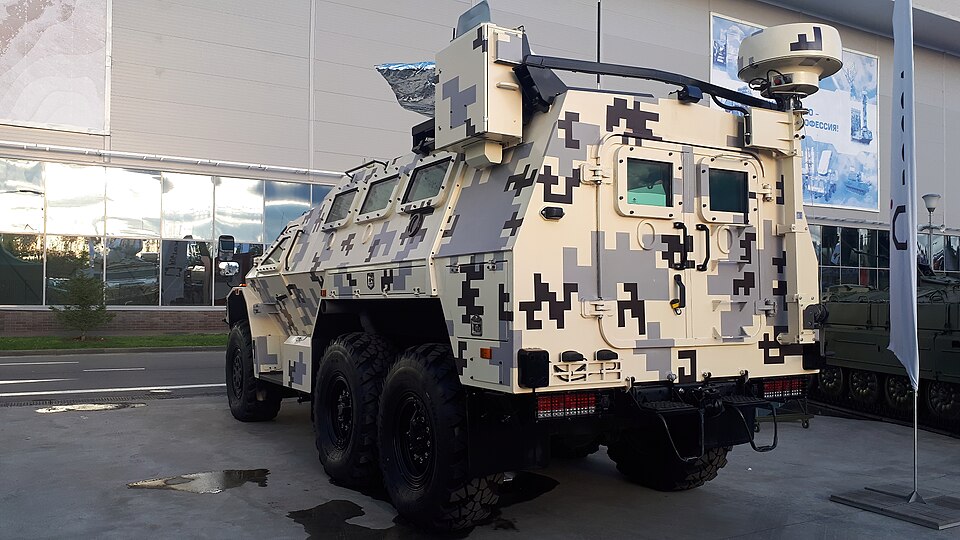
Real-world deployment has shown that technical effectiveness is only part of the equation. Recent U.S. testing and use exposed coordination and safety problems around domestic airspace, including an incident in which a drone turned out to belong to CBP itself. Even a concept that works against the target can struggle if its operational framework is incomplete. Counter-drone lasers illustrate a broader engineering truth: integration with users, regulators, and procedures matters almost as much as the beam itself.
These concepts failed in different ways, but the pattern is consistent. A weapon can look transformative in design reviews and still break down when exposed to maintenance burdens, doctrinal shifts, software limits, crew training, or the simple pressure of real use.
The most enduring military systems are rarely the ones defined only by novelty. They are the ones that keep their promise when conditions are dirty, rushed, expensive, and unforgiving.


