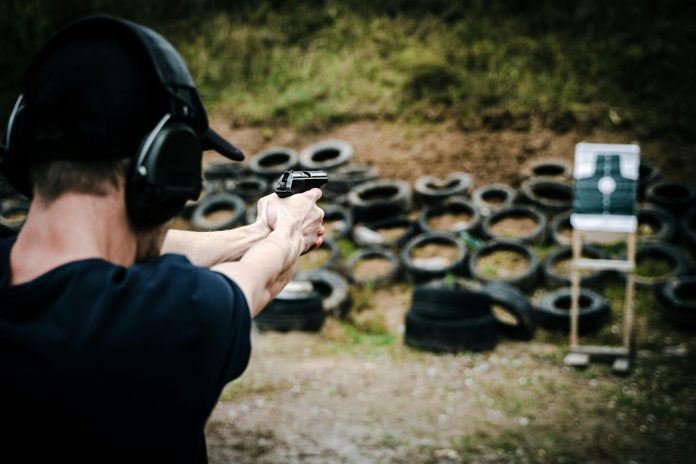
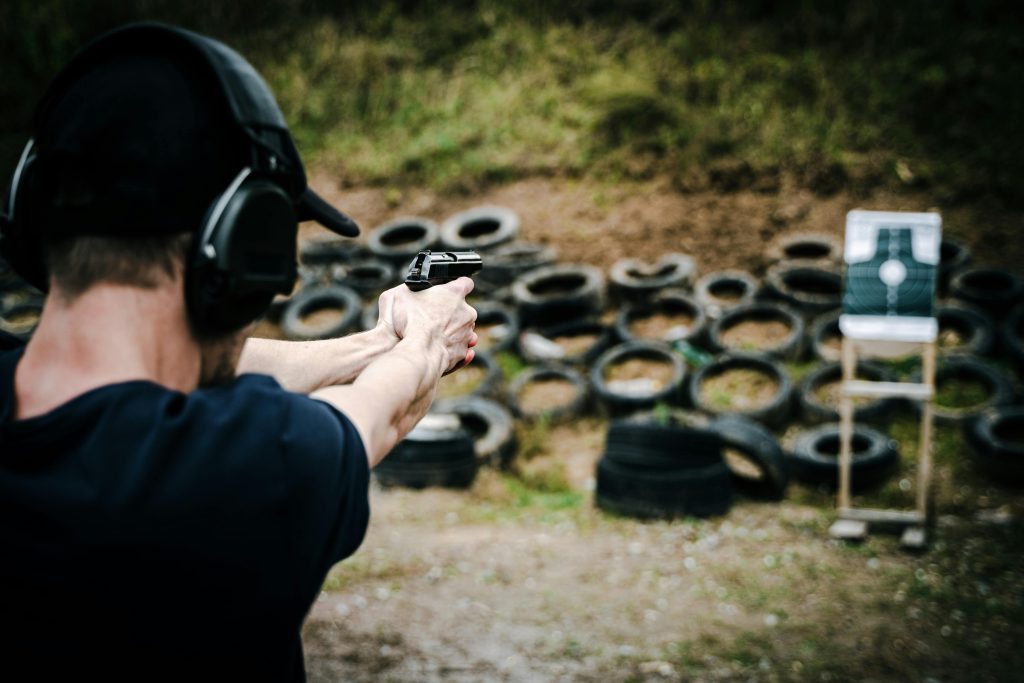
Pistol accuracy under stress is often discussed as if it depends on one thing: composure. The research points somewhere more complicated. Hits are shaped by mechanics, physiology, and technique at the exact moment pressure rises.
That is why shooters with similar qualifications can perform very differently once the task becomes harder. The hidden variables usually appear in the details: trigger weight, grip fit, breathing control, and how much of the shot process remains stable when arousal climbs.
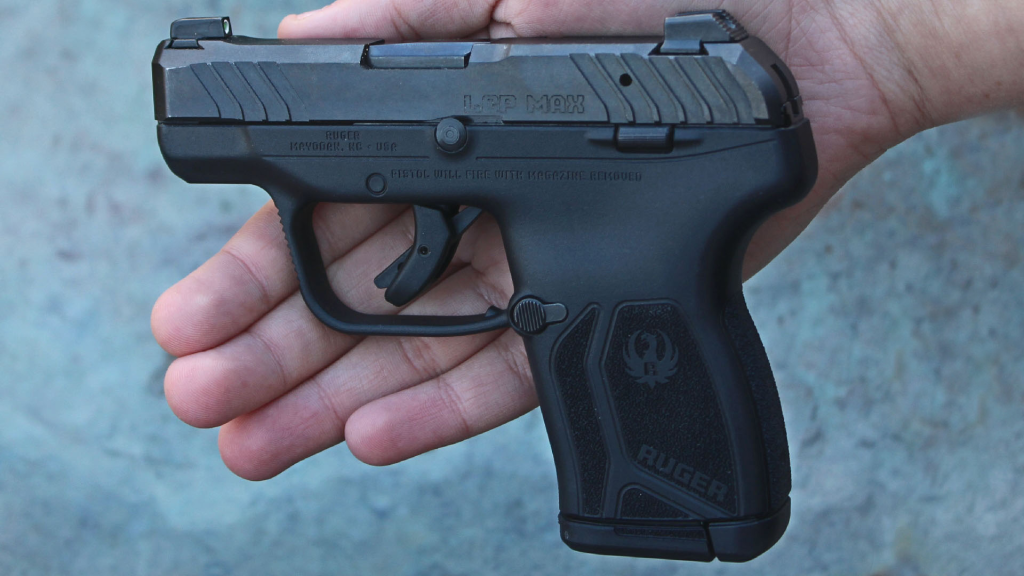
1. The first shot is often the hardest shot
Stress rarely affects every round the same way. In simulator research on student officers, the initial hit proved the most informative measure because the first trigger press was mechanically heavier and psychologically more demanding than the rounds that followed. That single detail matters because performance averages can hide where accuracy really breaks down. In that study, the first shot required a 5 kg trigger pull, while later shots dropped to 2 kg. Total scores showed a ceiling effect, but the opening shot separated performance much more clearly. Under stress, the first press often carries the largest coordination penalty because nothing has settled yet: sight picture, grip pressure, and trigger isolation are all being tested at once.
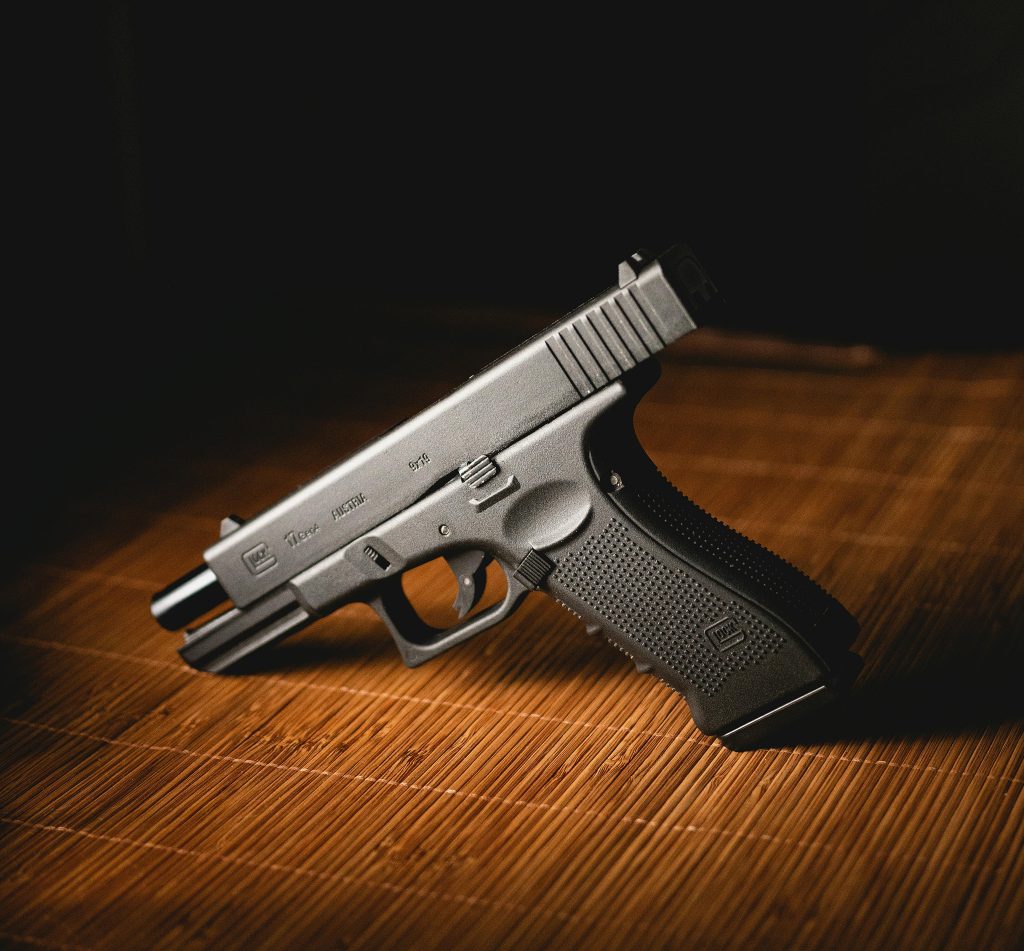
2. Trigger weight can overpower technique
A pistol does not ask only for marksmanship skill. It also asks for enough hand control to move the trigger without disturbing the gun. Heavier triggers increase the chance that extra muscles in the hand and forearm join the press, pulling sights off line. One law-enforcement summary of grip research noted that double-action-only pistols may run between 8 and 12 pounds of trigger pull. That added resistance changes the task. When the force needed to fire approaches or exceeds what the shooter can manage cleanly, trigger press stops being a finger movement and becomes a whole-hand event.
3. Grip strength matters, but not in a simple way
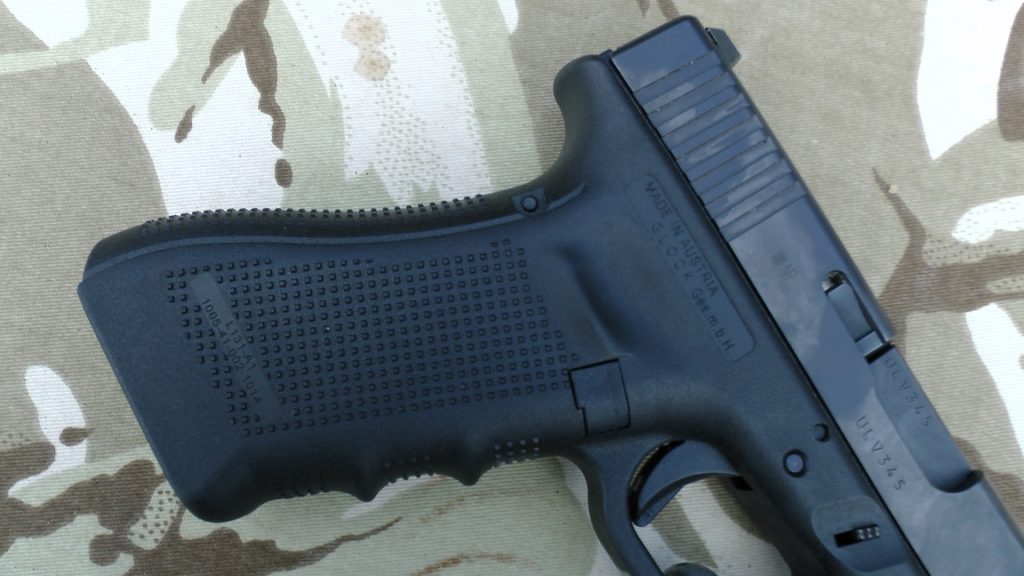
Grip strength is regularly treated as a yes-or-no issue, yet the evidence suggests a threshold effect. Brown’s police-officer research found that grip strength around 80 to 125 pounds was associated with roughly 85% to 90% qualification performance. The same reporting noted that every pound below that range increased failure odds by 2%. That does not mean stronger is always automatically better in every context. A Brazilian study on police cadets found no direct correlation between shooting accuracy and handgrip measures in that sample, even though stress-symptom and no-stress groups differed in grip strength in the shooting position. The bigger lesson is that grip strength helps most when it matches the pistol’s demands, especially trigger resistance and recoil control, rather than existing as an isolated fitness number.
4. Grip fit and hand size can decide whether strength transfers to the gun
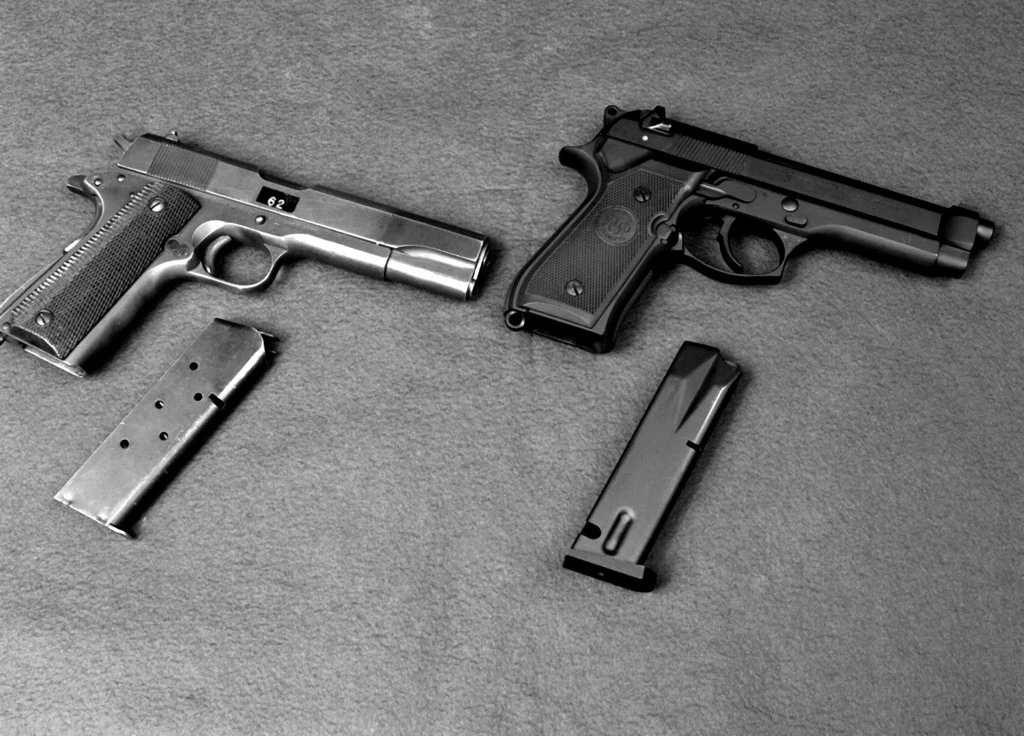
Two shooters can show similar strength on a dynamometer and still handle a pistol very differently. Hand length, breadth, and trigger reach affect whether the trigger finger can move independently while the rest of the hand keeps the pistol stable. The broader grip-strength literature cited in the police and military studies repeatedly points to hand dimensions as part of the equation. A grip that is too large, too small, or poorly matched to trigger reach can force compensation. Under stress, compensation becomes movement, and movement becomes misses.
5. Tactical breathing changes the shot before the sights change
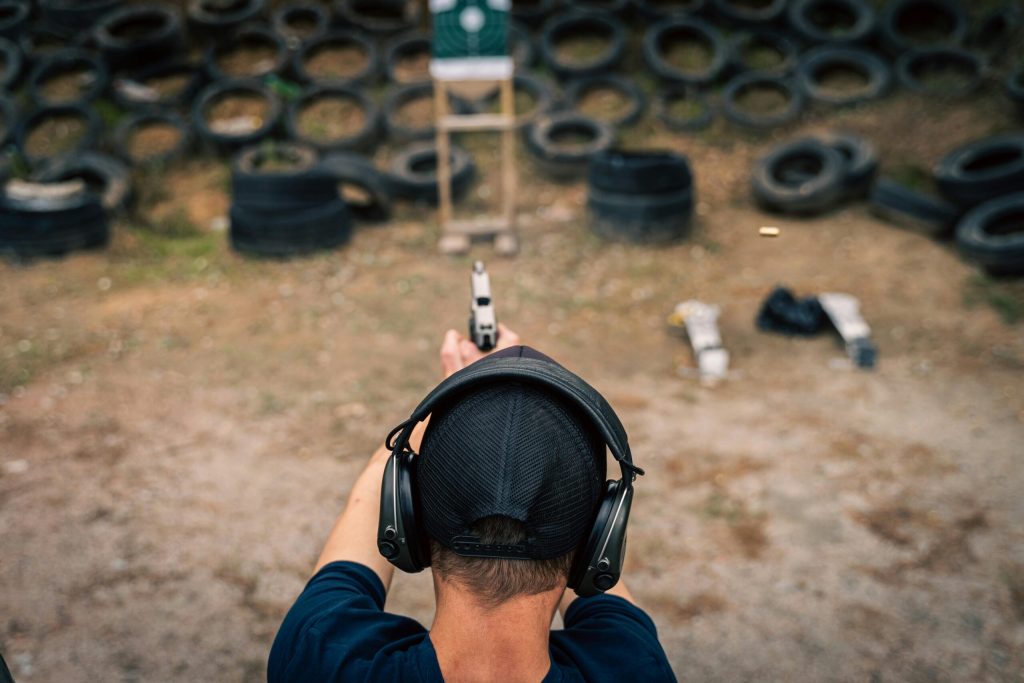
Breathing control is often presented as a calming ritual. In the research, it showed up as a performance tool. In a randomized simulator study, the tactical-breathing group scored an average of 1.9 points higher on the first shot than the control group. The mechanism was not just relaxation. The same study linked better first-shot performance with cleaner trigger behavior, suggesting that breath control may improve attentional focus and the smoothness of the press, not merely lower heart rate. That makes breathing relevant because stress tends to narrow attention onto the target while degrading the fine motor sequence needed to fire without moving the pistol.
6. Trigger behavior is a hidden accuracy variable
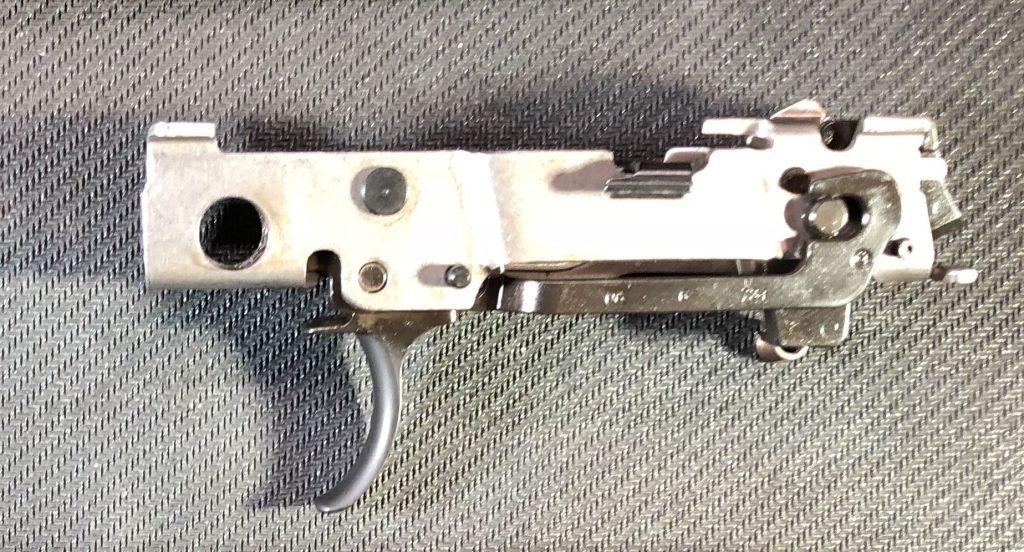
Shooters often diagnose misses by looking at sights or grip, but the trigger path is frequently the true cause. In the simulator research, trigger behavior and first-shot precision were strongly related, with a reported correlation of 0.76. The better performers showed a steadier pressure increase, follow-through after the break, and cleaner recovery of the pressure point. This is a small-motion problem with large consequences. Under stress, a convulsive trigger press can undo a good stance and a good sight picture in an instant.
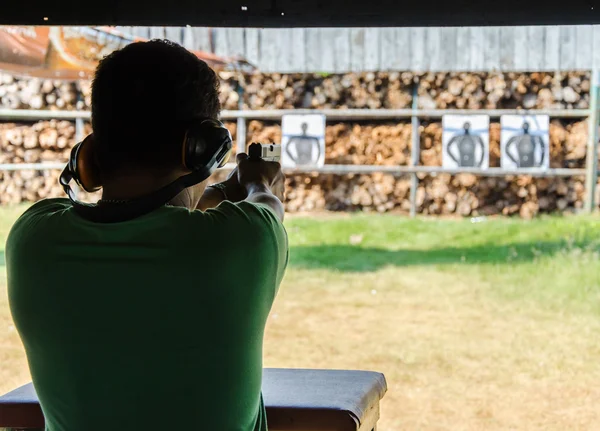
7. Training can mask stress effects or expose them
Stress does not produce identical outcomes in every trained group. In the Brazilian cadet study, nearly 45.8% exhibited stress symptoms, yet researchers found no significant difference in shooting scores, time, or shooting-accuracy coefficient between cadets with and without those symptoms. The authors pointed to recent training and prior shooting experience as likely stabilizers. That finding is important because it shows that stress symptoms alone do not predict degraded pistol accuracy in every setting. Practice design matters. If the drill is familiar, the distance modest, and the task heavily rehearsed, training can reduce the visible effect of stress. Harder tasks reveal more.
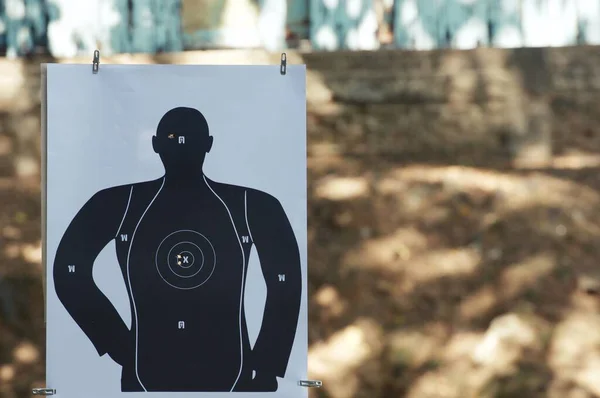
8. Easy qualification stages can hide real weaknesses
High aggregate scores can create the illusion that the fundamentals are solid under pressure. They may only show that the course is not difficult enough to expose breakdowns. The German simulator study reported a clear ceiling effect in total hit score, which is why the first shot became the more useful measure. This lines up with a larger point from shooting-performance research: stress effects become easier to detect when the task includes heavier triggers, more difficult scoring zones, or more demanding timing.
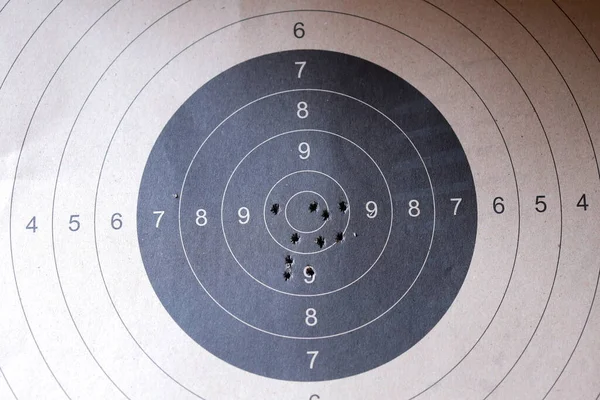
Accuracy problems are often present before they become visible on a routine qualification sheet. Under pressure, pistol accuracy is rarely decided by a single trait. It is the product of how well the shooter’s hands, breathing, trigger control, and equipment interact when the shot becomes least forgiving. The hidden factors are not glamorous, but they are measurable. And when stress rises, the smallest mechanical detail often decides where the bullet goes.


