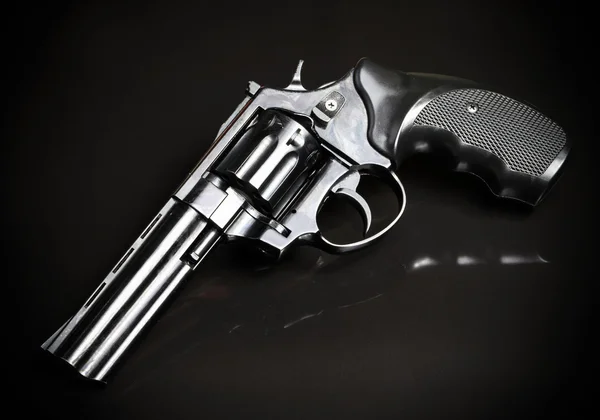
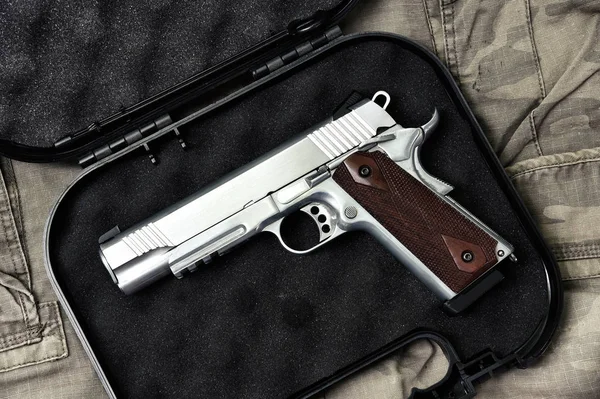
Polymer-framed, striker-fired pistols dominate much of the modern handgun market, yet heavy steel sidearms still cast a long engineering shadow. Their influence shows up in trigger design, recoil control, ergonomics, and even the renewed interest in metal-framed double-stack 9mm pistols.
That persistence is not nostalgia alone. Heavy steel pistols solved a series of mechanical and human-interface problems so effectively that newer designs continue to borrow their lessons, even when the frame material and firing system have changed.

1. Mass still solves recoil better than most design tricks
The most obvious advantage of a steel handgun is simple physics. A heavier frame resists movement under recoil, which helps the pistol stay flatter and return to target more predictably. Competitive shooters continue to value this effect because added weight can reduce the amount of correction needed between shots.
That principle remains central to modern handgun design. Even many polymer pistols now use heavier slides, tungsten guide rods, steel backstraps, or frame inserts to imitate some of the steadiness that full-metal guns provide. The basic engineering logic has not changed: more mass can make a pistol feel calmer in motion. As one practical comparison noted, heavier metal-framed guns are more forgiving because their extra heft helps absorb recoil.
2. Single-action trigger standards still shape expectations
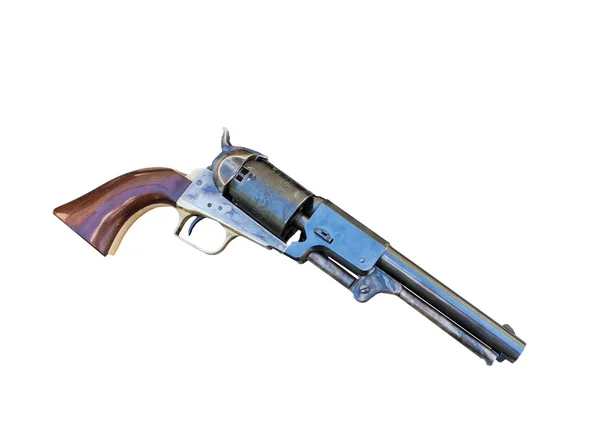
Heavy steel pistols are closely tied to hammer-fired, single-action or double-action/single-action systems, and those trigger systems established the benchmark for what many shooters regard as a refined break. In a single-action setup, the trigger largely releases an already cocked hammer, so the movement can be shorter and lighter than a typical striker-fired pull.
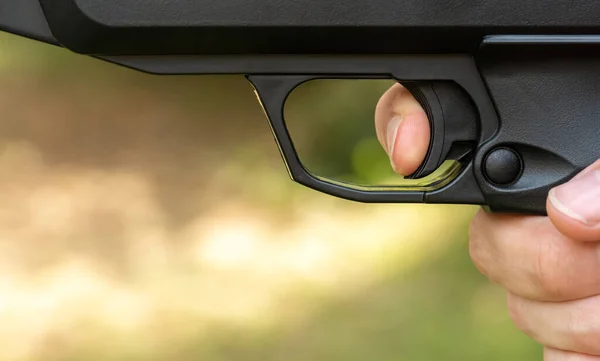
That matters because trigger feel is not just preference; it affects how much the gun is disturbed at the moment of firing. One reference explains that on a striker-fired pistol, pressing the trigger often means complete compression of the striker spring before release. By contrast, a hammer-fired system can separate ignition energy from trigger weight more effectively. Modern striker guns have improved dramatically, but many still chase a trigger character long associated with steel-framed hammer guns.
3. The double-stack steel 9mm created the template
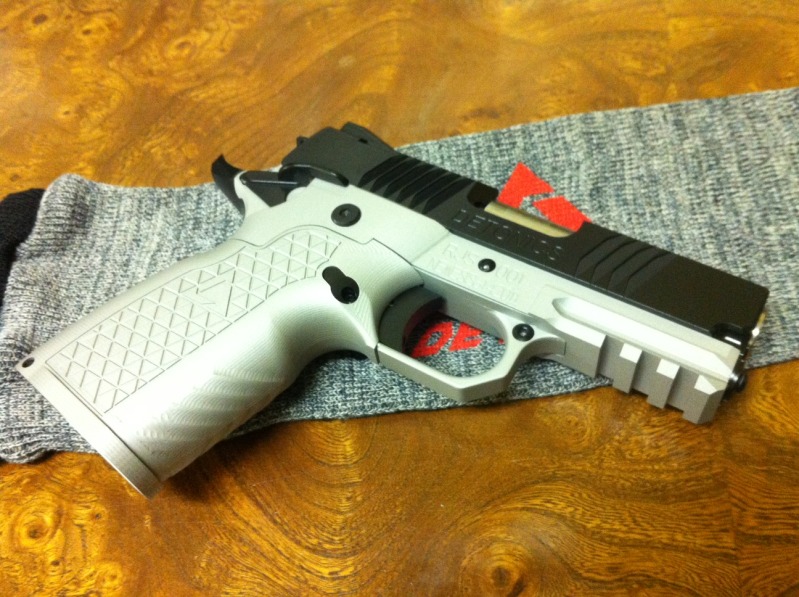
Long before polymer service pistols became common, the metal-framed high-capacity 9mm had already defined an influential layout. The classic example is the Browning Hi Power of 1935, a design that combined a metal frame, a double-stack magazine, and a single-action manual of arms in one widely copied package.
That formula remains visible in today’s market. Modern double-stack 1911 and 2011-style pistols, steel competition handguns, and metal-framed carry pistols all revisit the same architecture: substantial frame weight, high capacity, and a crisp trigger. The materials and machining have evolved, but the layout still proves durable because it balanced shootability and capacity unusually well for its time.
4. Controls on steel pistols taught designers how shooters interact with a handgun
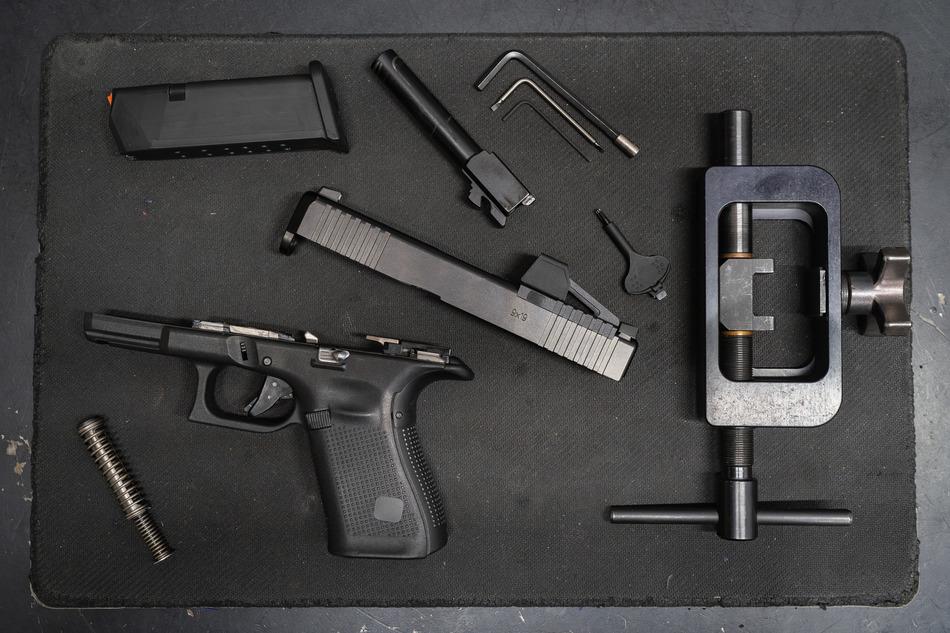
Steel pistols helped establish many of the control layouts still used or debated today: thumb safeties, slide stops, exposed hammers, and decockers. These are not cosmetic details. They define how a shooter confirms status, manipulates the pistol under stress, and transitions between safe handling and ready-to-fire use.
Hammer-fired pistols also make certain states more visible. An exposed hammer can show whether the pistol is cocked, and a decocker gives a dedicated way to lower the hammer safely on many designs. Even when modern pistols remove or simplify those controls, the design decision is usually a response to the manual systems that steel guns popularized. The industry still measures simplicity against the richer control set that older steel handguns normalized.
5. Competition keeps steel-relevant ideas alive
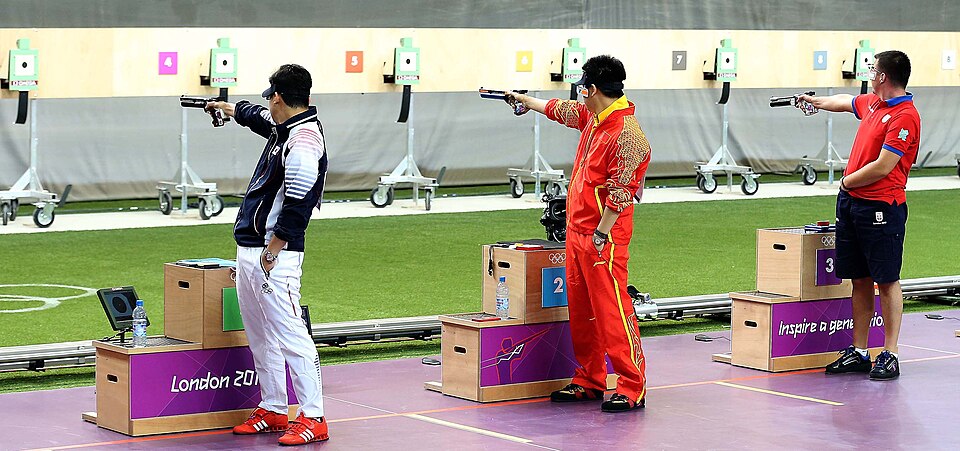
Practical shooting has served as a proving ground for heavy pistols because match performance reveals what helps shooters recover faster, track sights better, and press cleaner triggers. Steel-framed guns have remained highly visible in that environment for exactly those reasons.
That influence travels outward. Features first emphasized in competition often migrate into defensive or duty-oriented pistols, including improved beavertails, enhanced grip geometry, extended controls, and optics-ready slide cuts on heavier platforms. Even when the final commercial product is polymer, the tuning priorities often come from lessons learned on steel.
6. Modern materials often try to recreate steel’s feel
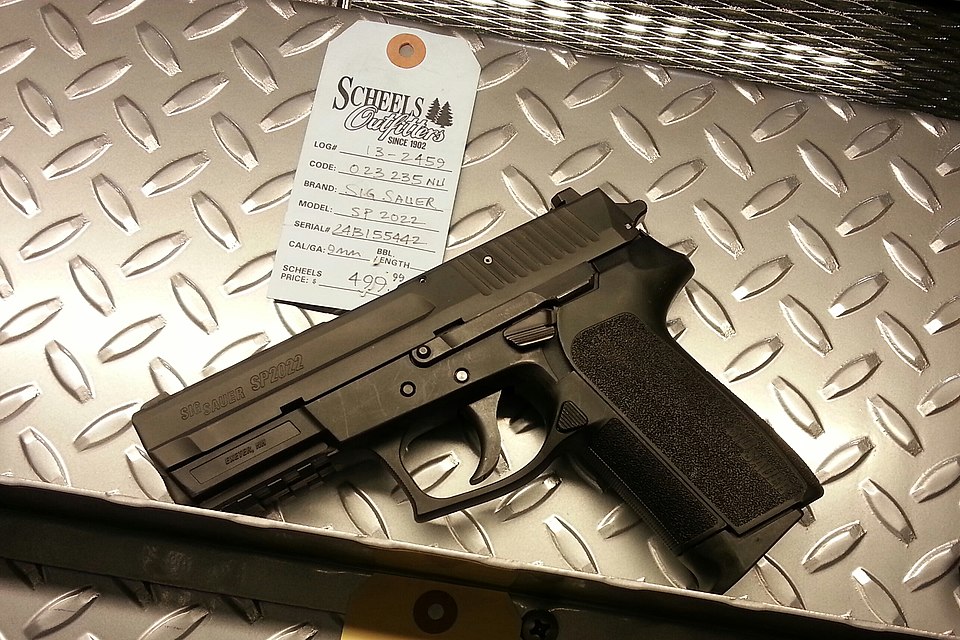
Many current handguns are lighter by design, but they rarely ignore what shooters like about heavier guns. Instead, manufacturers look for selective ways to reintroduce stability without accepting the full carrying weight of an all-steel frame.
That is why the conversation today is not simply steel versus polymer. It is increasingly about hybrids: aluminum frames, steel-frame variants of polymer-platform pistols, weighted grip modules, and modular chassis systems. These approaches acknowledge a core truth that heavy steel pistols demonstrated decades ago. Weight, balance, and trigger quality are not side issues; they are foundational to how a handgun performs in the hand.
7. Steel pistols remain a benchmark for trade-off decisions
Heavy pistols are harder to carry, and lighter pistols are easier to move. That trade-off remains as relevant now as it was when metal-framed service pistols were standard issue. The advantage of older steel designs is that they make those compromises easy to see: more stability and shootability in exchange for more burden on the belt.
That clarity still shapes design briefs across the handgun industry. When engineers reduce weight, simplify controls, or adopt striker systems, they are usually trading away something steel pistols once provided in abundance. When they add back mass, improve trigger geometry, or revive metal frames, they are often recovering qualities that never stopped mattering.
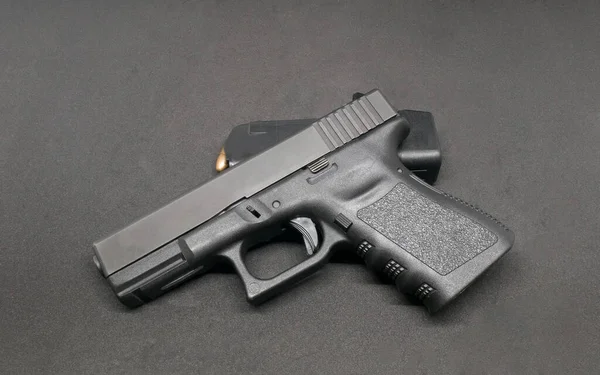
Heavy steel pistols remain important because they solved enduring problems with straightforward mechanical answers. Recoil control, trigger precision, control layout, and balance were not passing trends in the steel era, and they are not optional now. Modern handguns may look different, but many of their best ideas still trace back to the weight and discipline of steel.


