Long-range shooting gets discussed in terms of drop, muzzle speed, and energy, but wind is the variable that keeps separating easy ballistic math from difficult hits. Rangefinders make elevation corrections routine. A changing crosswind does not.
That is why wind resistant cartridges matter. The rounds below are known for combining velocity with sleek, high-ballistic-coefficient bullets, which reduces deflection and keeps bullets stable farther downrange. This is not a ranking of the “best” cartridge overall, but a look at eight chamberings that have built strong reputations for holding their line when the wind starts moving.
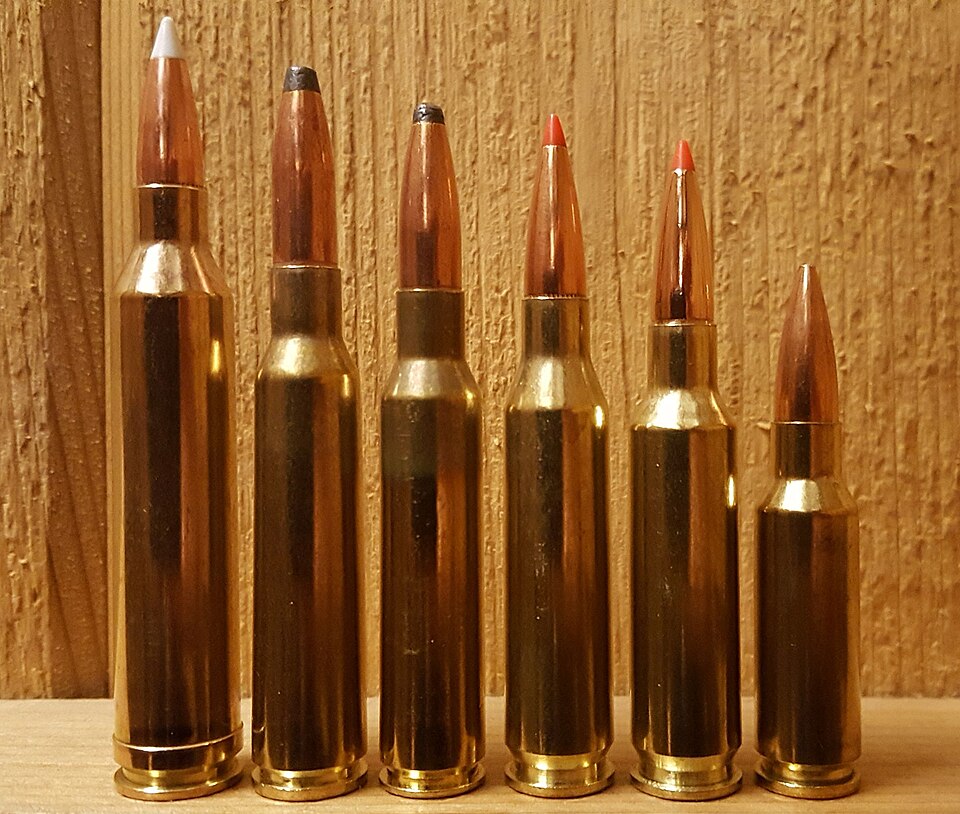
1. 6.5 PRC
The 6.5 PRC sits near the center of today’s long-range conversation because it blends short-action compatibility with magnum-like speed. That extra speed matters in the wind. average 10 mph crosswind data puts the 6.5 PRC at 62.3 inches of drift at 1,000 yards, which places it well ahead of many mainstream cartridges.
Its advantage comes from a simple formula: more case capacity than the Creedmoor, similar high-BC bullets, and higher launch velocity. Reference comparisons note the PRC is often 200 to 300 fps faster than the 6.5 Creedmoor with similar bullet weights, giving it a flatter trajectory and better retained energy at extended distance. For shooters who want a modern cartridge that is widely recognized for resisting wind without moving into the largest magnums, the 6.5 PRC remains one of the clearest examples.
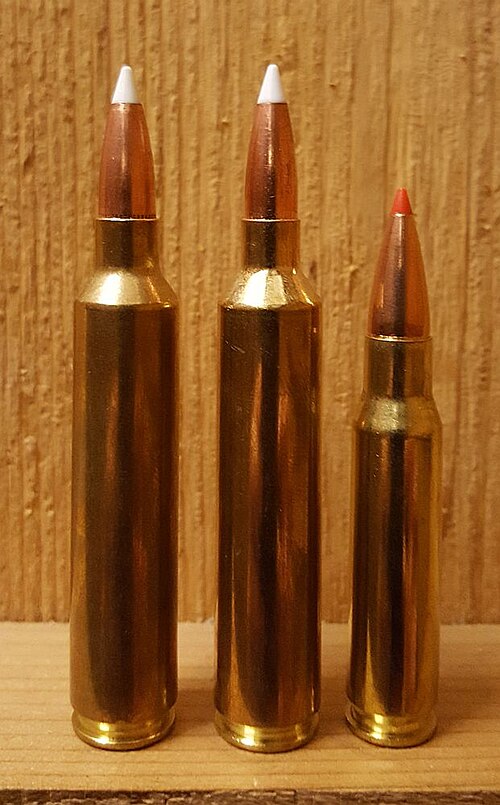
2. .28 Nosler
The .28 Nosler is one of the standout wind performers in modern long-range rifle shooting. In a 10 mph full value wind, it shows 56.6 inches of drift at 1,000 yards, according to the same comparison table, placing it among the strongest mainstream performers discussed in the source material.
That performance comes from the familiar 7mm recipe: long, aerodynamically efficient bullets pushed fast enough to shorten time of flight. When shooters talk about cartridges that “buck the wind,” this chambering is often part of the discussion because it combines the ballistic efficiency of 7mm projectiles with magnum velocity. It is a specialized answer compared with lighter-recoiling options, but its reputation for long-range wind resistance is well established.
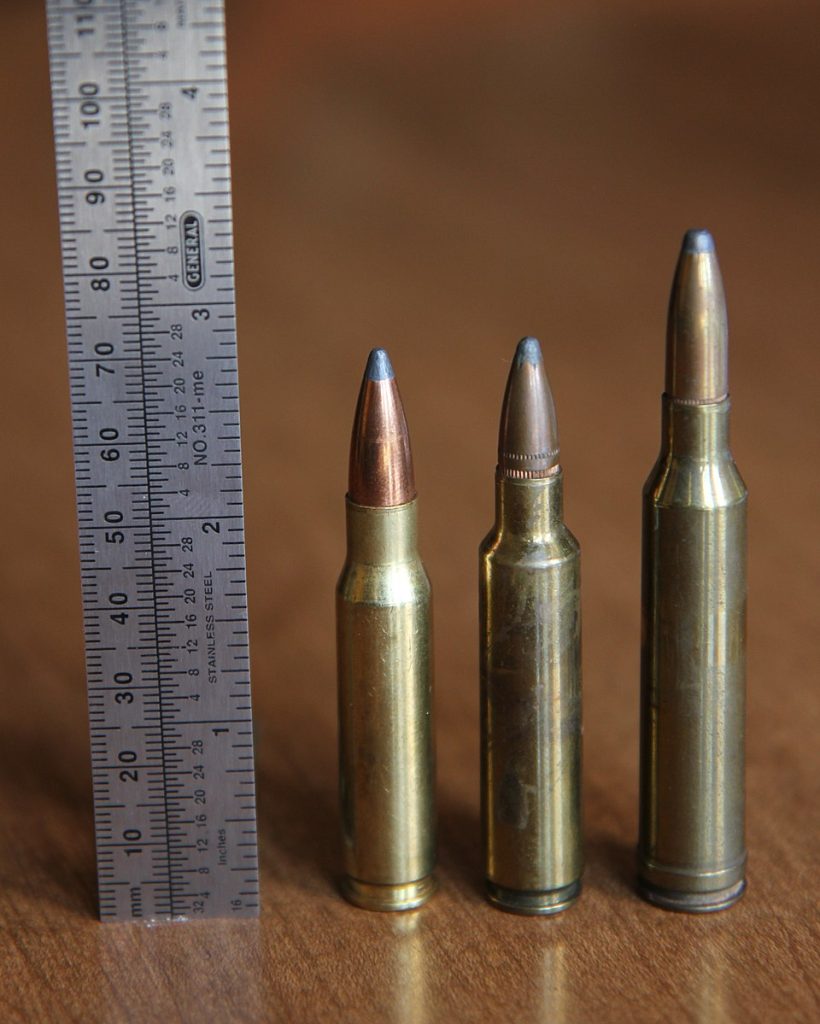
3. 7mm Remington Magnum
The 7mm Remington Magnum is older than many of the cartridges now marketed for extreme-range work, but its downrange behavior still holds up. Average figures from the reference material show 69 inches of drift at 1,000 yards in a 10 mph wind.
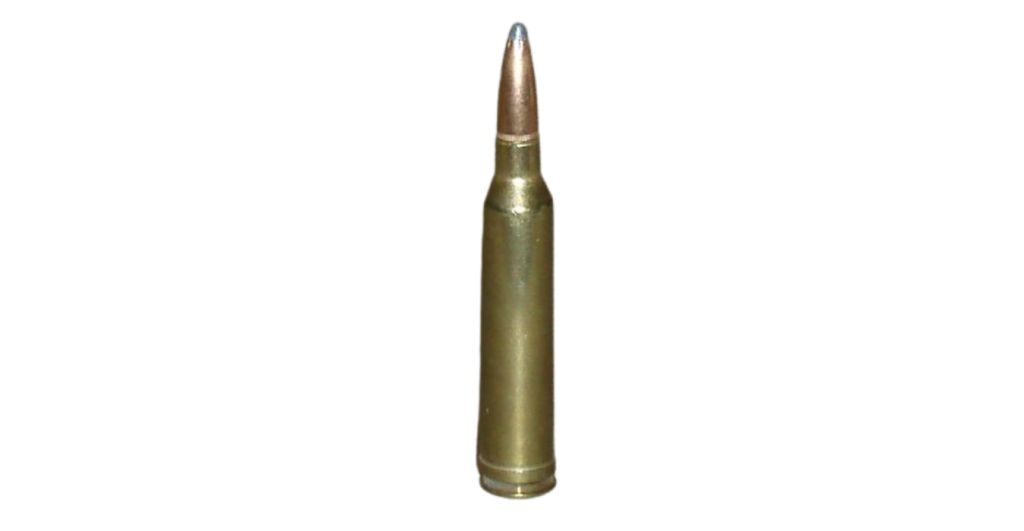
That keeps it in serious company. Its long history comes from practical performance rather than novelty, and that includes how well it handles wind compared with common .30 caliber and short-action standards. It does not rely on recent branding to justify its place. It earned its reputation by pushing streamlined 7mm bullets fast enough to remain competitive even as newer cartridges arrived.
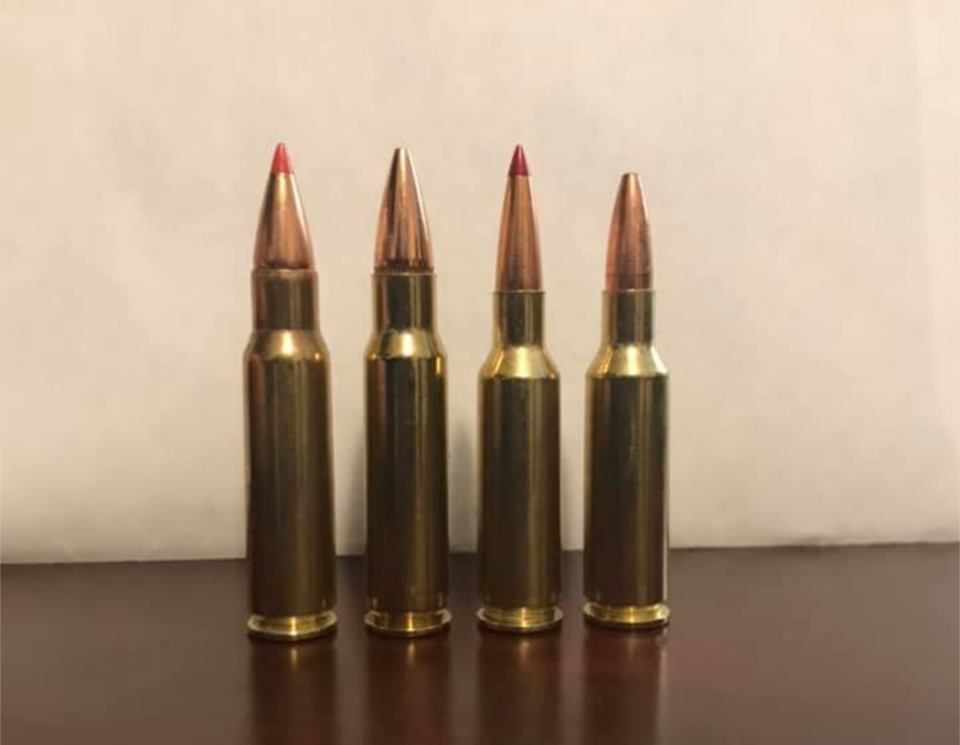
4. 6.8 Western
The 6.8 Western was designed around heavy for caliber, high BC bullets, and that design intent shows up in the wind. The cited table lists 69.8 inches of drift at 1,000 yards in a 10 mph crosswind, almost identical to the 7mm Remington Magnum in average performance.
Its appeal is straightforward: it was built to give short-action shooters access to long, efficient bullets without giving away too much downrange authority. Wind performance is where that design becomes visible. Even when it is not the first cartridge mentioned in mainstream long range discussions, its numbers place it firmly in the category of rounds known for resisting deflection better than many legacy hunting cartridges.
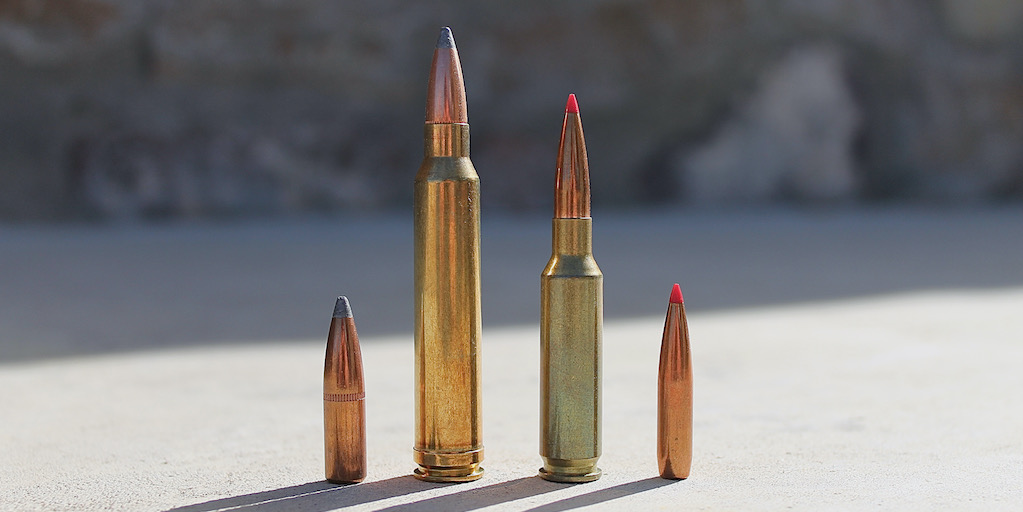
5. 6.5 Creedmoor
The 6.5 Creedmoor remains one of the most influential long range cartridges of the last two decades because it made efficient external ballistics widely accessible. Hornady introduced the 6.5 Creedmoor in 2007, and its combination of mild recoil, short action fit, and high BC bullets helped it become a precision standard.
It is not the strongest wind performer on this list, but it is still a very capable one. Average data shows 76 inches of drift at 1,000 yards in a 10 mph wind, which is a meaningful improvement over older general purpose rounds like the .308 Winchester. Its importance is broader than the raw number, though. The Creedmoor proved that manageable recoil and strong ballistic efficiency could coexist in a cartridge that ordinary shooters could use well, and that helped reshape expectations for long-range shooting past 1,000 yards.
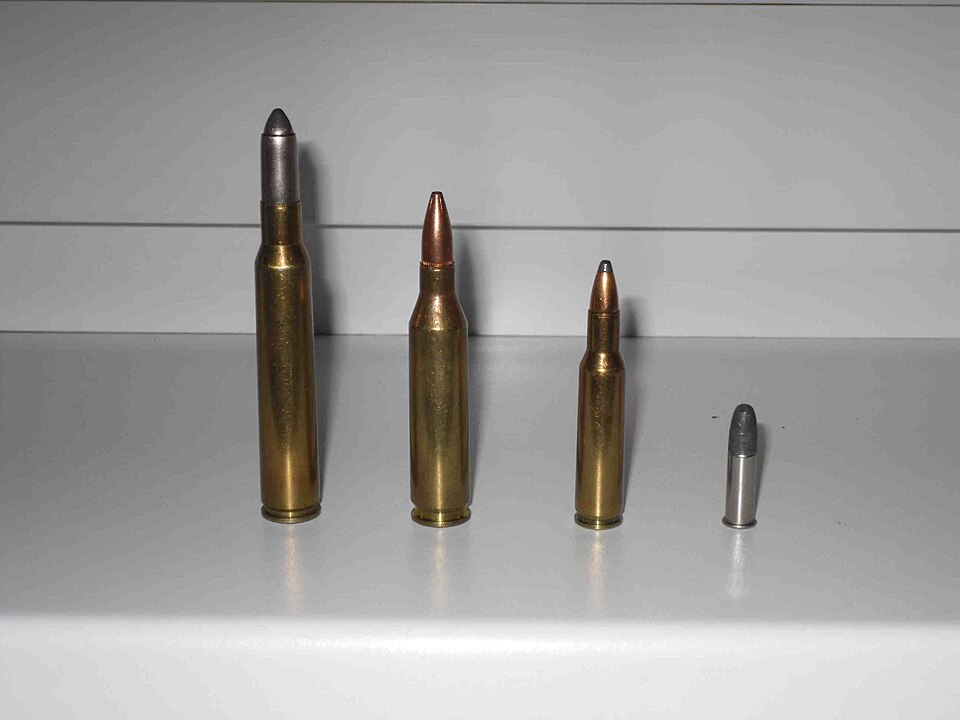
6. .243 Winchester
The .243 Winchester does not always get grouped with today’s purpose-built long-range cartridges, yet its wind figures remain notable. The source data shows 95 inches of drift at 1,000 yards in a 10 mph wind, which is substantially better than several traditional big game cartridges and far better than many shooters expect from a light caliber round.
Its performance underlines an important ballistic point: caliber alone does not determine wind behavior. Bullet shape, ballistic coefficient, and time of flight matter more. With the right bullets, the .243 shows why small-bore cartridges can still be credible at distance, especially when paired with modern projectiles that are far more aerodynamic than older soft-point hunting designs.
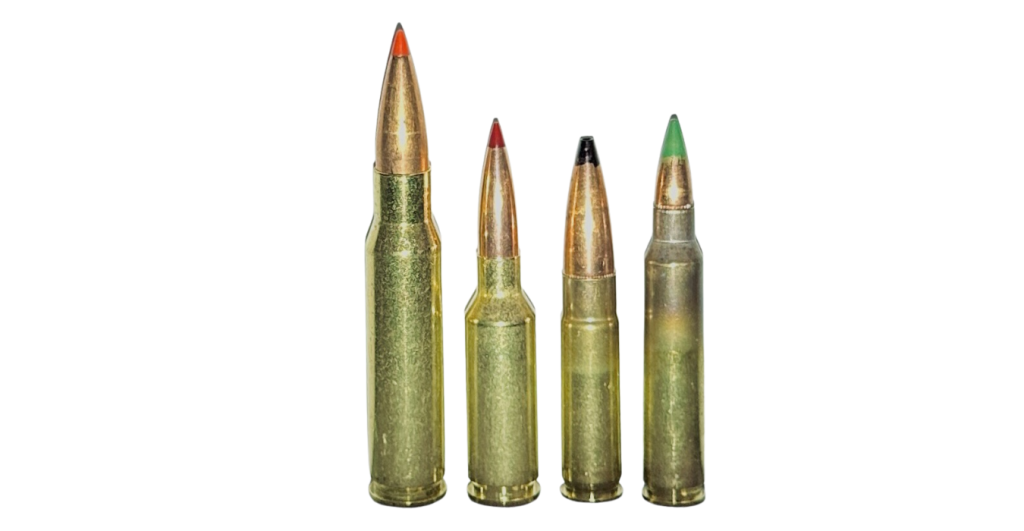
7. 6mm ARC
The 6mm ARC brought serious long-range potential to the AR-15 platform by pairing efficient 6mm bullets with useful velocity. In the reference comparison, Hornady’s 108-grain ELD Match load is shown drifting 89 inches at 1,000 yards in a 10 mph crosswind while staying supersonic to nearly 1,150 yards.
Those numbers matter because they show how far modern cartridge design has pushed the AR-15 beyond its original long-range limits. The 6mm ARC does not outperform the biggest bolt-action magnums, but that is not its role. Its reputation comes from delivering credible wind resistance, low recoil, and excellent reach in a smaller frame rifle, which is a meaningful engineering achievement in its own right.

8. .224 Valkyrie
The .224 Valkyrie was built specifically to stretch AR-15 range, and its best loads show exactly why it gained attention. Federal’s original concept around heavy, sleek .22 caliber bullets gave the cartridge a real wind advantage over standard 5.56 loads. In the supplied comparison, a 90-grain Sierra MatchKing load drifts 87 inches at 1,000 yards in a 10 mph wind.
That figure put it clearly ahead of magazine length 5.56 performance, which the same source lists at 129 inches of drift at 1,000 yards with a premium 77 grain load. The Valkyrie’s significance is not just the number itself, but what it demonstrated: with enough bullet efficiency and proper case geometry, a small caliber AR cartridge could become a legitimate 1,000 yard option rather than a platform compromise.
Across all of these cartridges, the common thread is not simply speed or bullet weight. Wind resistance comes from the balance between velocity, time of flight, and bullet aerodynamics. The reference material repeatedly points back to that relationship, and it explains why some lighter, smaller-diameter cartridges outperform larger traditional rounds when the wind starts pushing.
For long-range shooters, that makes cartridge selection less about raw caliber size and more about how efficiently a bullet travels. The rounds listed here have all earned attention for that reason: they keep deflection lower, stay effective farther out, and make wind calls a little less punishing when distance starts to stretch.


