A disappointing firearm usually does not fail in one dramatic moment. More often, it loses trust a little at a time through rough triggers, erratic cycling, awkward handling, or design choices that looked clever in a catalog and felt wrong on the range.
This list focuses on guns that developed that kind of reputation. Some were budget-minded compromises. Some chased novelty. Others came from established names that still managed to miss the mark. In each case, the lasting lesson is the same: execution matters more than promise.
1. Remington 770
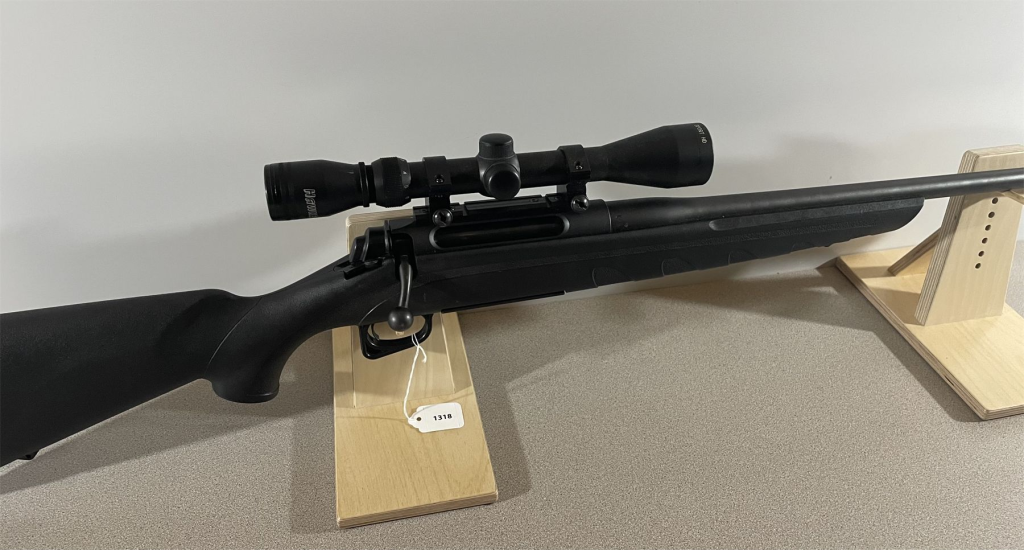
The Remington 770 was pitched as an affordable bolt-action hunting rifle, but the weak points showed up quickly in actual use. Shooters criticized the detachable magazine system for being flimsy, and the rifle’s action earned a reputation for feeling gritty and resistant instead of smooth and predictable.
The larger problem was that the low-cost shortcuts were hard to ignore. A flexing synthetic stock, a barrel arrangement that did little to help consistency, and concerns about chamber dimensions left many owners feeling like they had bought a project rather than a practical field rifle. In a category where competing budget rifles became far better sorted out, the 770 came to symbolize how cutting cost too far can undo the whole point of a hunting rifle.
2. KelTec P11
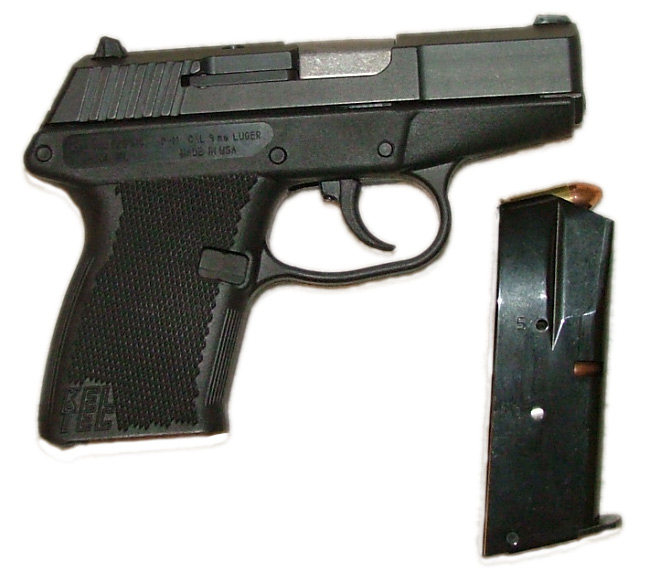
The P11 made a strong first impression because it was small, light, and easy to conceal. That formula helped it stand out early in the concealed-carry market, but the experience behind the trigger often erased the initial appeal.
Its long, heavy pull made accurate shooting work harder than it needed to be, and the small grip did little to tame recoil. For many owners, the pistol was easy to carry and unpleasant to practice with, which is a bad combination for a handgun meant to be used with confidence. Compact carry guns always involve compromise, but the P11 showed how quickly those compromises become liabilities when control and shootability fall too far behind.
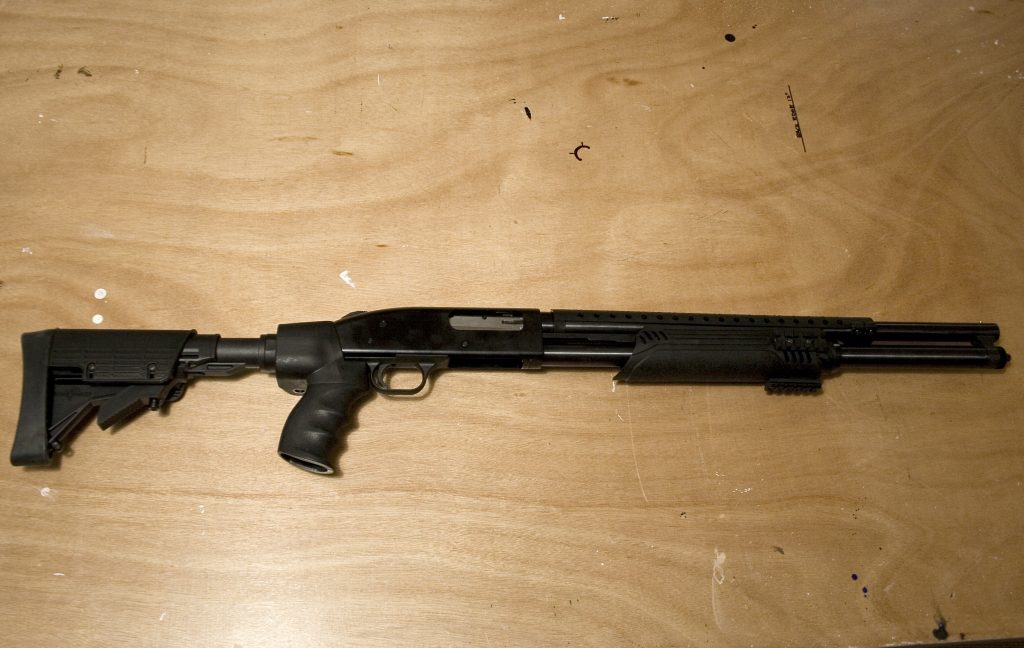
3. Mossberg Blaze
At 3.5 pounds, the Blaze looked like an ideal lightweight rimfire. The problem was that its minimal weight and low-cost construction often translated into a rifle that felt less durable than its role demanded.
Owners regularly pointed to the heavy use of polymer in the outer structure and sights, and complaints about feeding issues and a vague trigger kept surfacing. Rimfire rifles do not need to be expensive to be enjoyable, but they do need to be dependable enough for long practice sessions and casual plinking. The Blaze struggled to earn that reputation, especially in a market long defined by more proven .22 platforms.
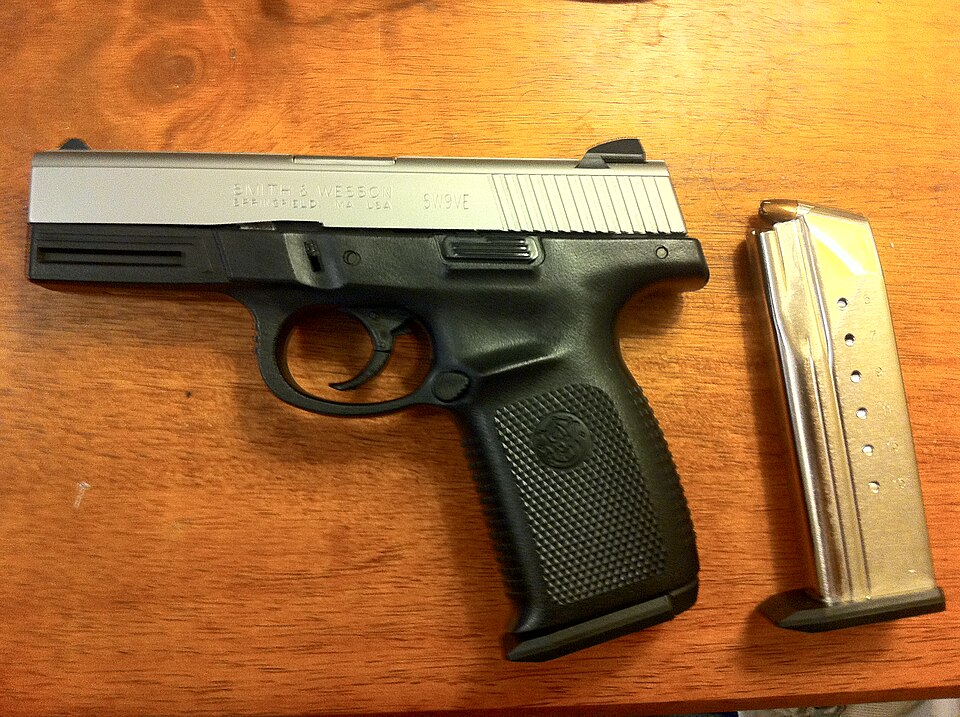
4. Smith & Wesson Sigma 9VE
The Sigma 9VE had the outline of a modern striker-fired service pistol, but the trigger became its defining problem. Shooters often described it as heavy, mushy, and difficult to run quickly, which made follow-up shots slower and tighter groups harder to produce.
That mattered because striker-fired pistols live or die on consistency. The Sigma series also carried broader baggage, including legal issues tied to its design similarities, and its reputation never fully escaped that shadow. Its place in firearm history is more useful as a stepping stone toward Smith & Wesson’s later M&P line than as a pistol owners still look back on fondly.
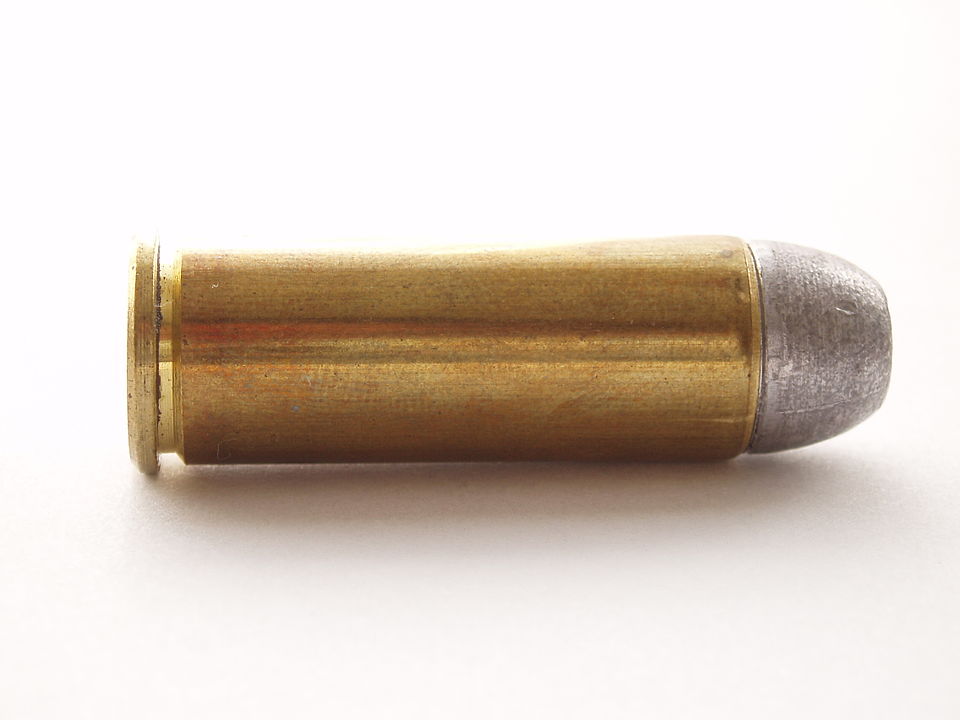
5. Rossi Circuit Judge
The Circuit Judge promised versatility by combining rifle handling with a revolving action chambered for .45 Colt and .410 shotshells. On paper, that kind of flexibility sounds useful. On the shoulder, it often felt compromised in every direction.
The cylinder gap blast raised immediate concerns for hand placement, while shotshell performance rarely matched the idea that sold the gun in the first place. Accuracy with conventional bullets was adequate rather than impressive, and the trigger did little to help the platform overcome its awkward balance. It became one of those firearms that drew attention at the bench but rarely inspired long-term loyalty.
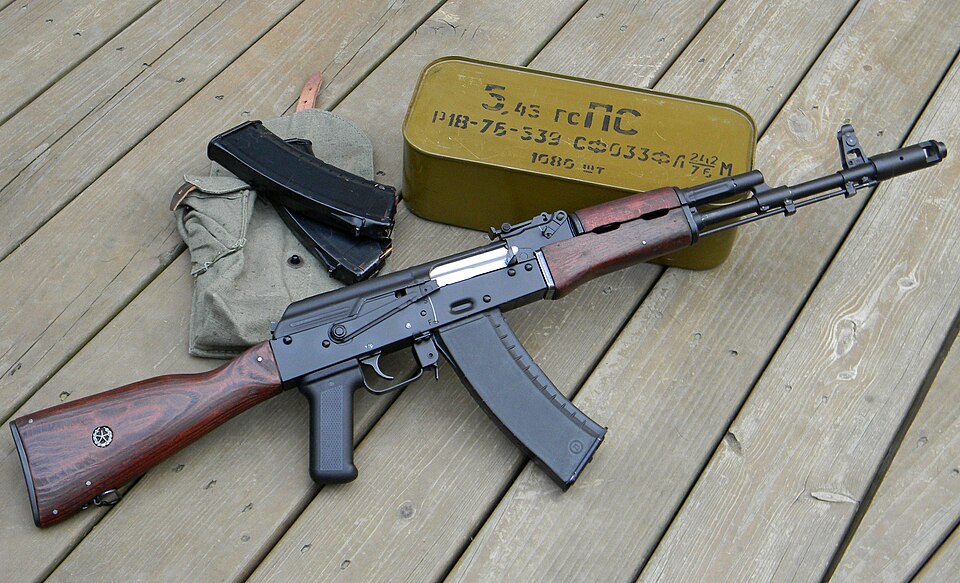
6. Century Arms C39v2
The C39v2 tried to offer an all-American AK-style rifle with a milled receiver and a feature set that looked attractive on paper. Some shooters even liked the trigger and magazine compatibility. But the praise was uneven from the start.
Complaints centered on front-heavy handling, inconsistent accuracy, and wear concerns on internal parts in earlier runs. That pattern fit a broader theme seen in other troubled launches, where poor tolerances and rushed testing can follow a design long after release. AK buyers tend to value durability above nearly everything else, so a rifle with mixed long-term confidence was always going to struggle.
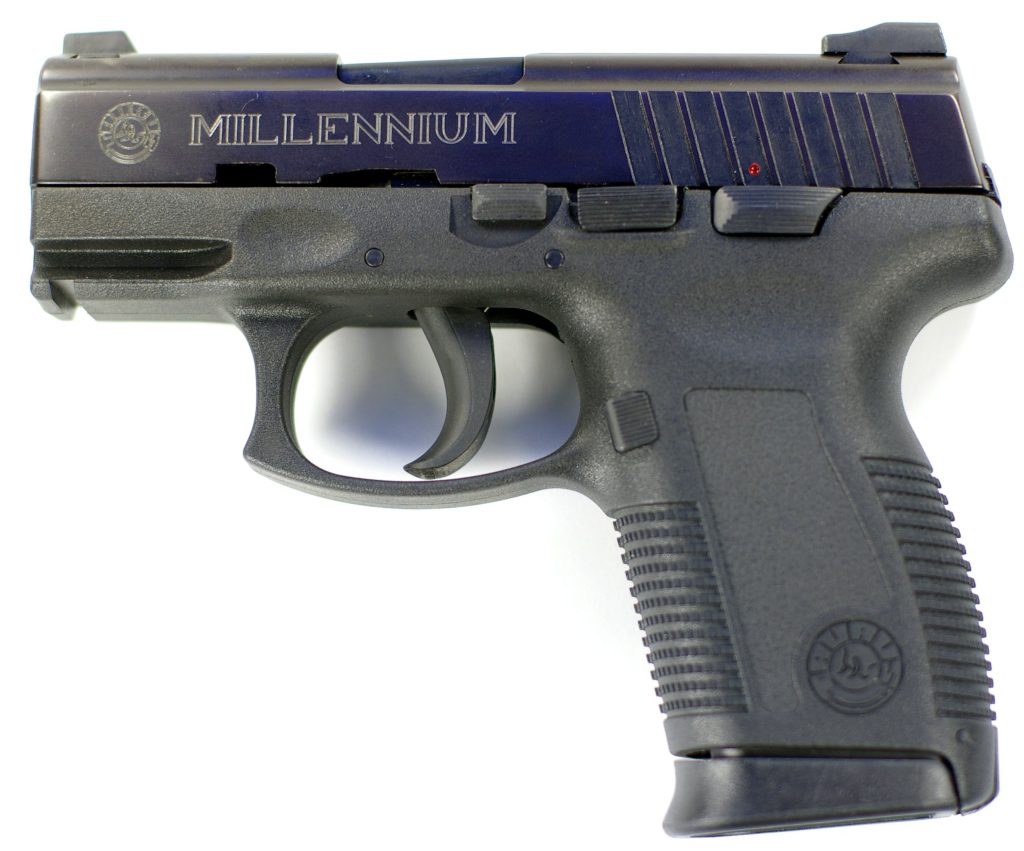
7. Taurus PT145 Millennium Pro
The PT145 Millennium Pro offered a lot of caliber in a very small package. That headline feature helped sell the concept, but the tradeoffs showed up quickly once shooters started running it hard.
The short grip and snappy recoil made it difficult to control, and reports of failures to feed or the slide not locking back kept it from building lasting trust. There is always interest in compact pistols chambered for larger cartridges, yet the PT145 became a reminder that small dimensions do not magically cancel out recoil, timing, and reliability concerns.
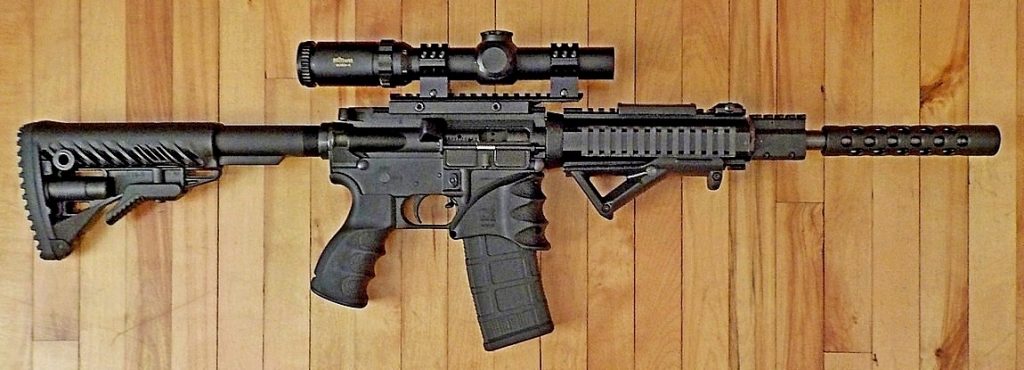
8. ATI Omni Hybrid AR
The Omni Hybrid AR leaned into a lightweight formula by using polymer in places where shooters were more accustomed to forged aluminum. Weight savings can be valuable, but only when the structure still feels solid under use.
Many owners came away unconvinced. Reports of flex around the buffer tube area, inconsistent accuracy, and a mushy trigger created doubts about the platform’s rigidity and long-term durability. Firearm history is full of products that chased innovation without fully solving the practical side, and the Omni fit that pattern. It was a technical experiment that left plenty of shooters returning to more conventional receiver materials.
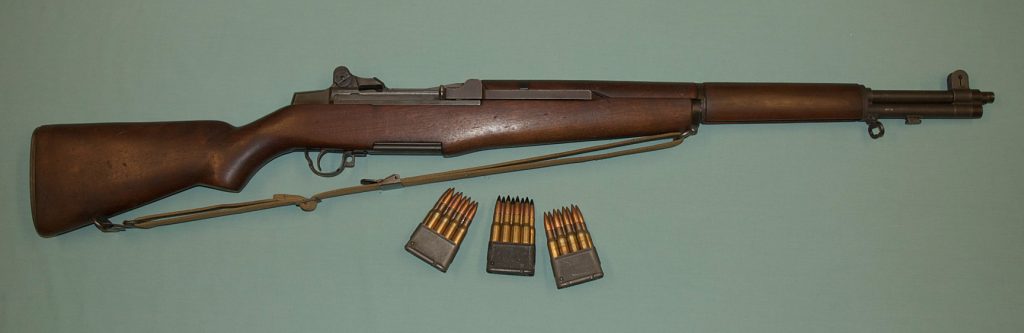
9. Chiappa M1-22
The M1-22 had one major advantage from the start: it looked like fun. With styling borrowed from the M1 Carbine, it offered a rimfire version of a familiar classic, which gave it instant shelf appeal.
That appeal faded when reliability failed to keep pace. Owners frequently reported feeding problems, sluggish cycling, and magazines that undermined confidence through a single range session. Rimfire firearms already have less margin for error because ammunition can be variable, as seen with cycling issues in other .22 designs. The M1-22 never earned enough consistency to make its nostalgic styling more than a temporary attraction.
Most regretted gun purchases share the same pattern: the idea made sense, but the real world handling did not. Sometimes it was a bad trigger. Sometimes it was weak materials, poor magazines, or a design that asked too much from the shooter.
That is why disappointment in firearms is usually cumulative. Trust wears away one malfunction, one awkward control, and one frustrating range trip at a time.


