Some cartridges are easy to like on the range and easy to carry in the field. That does not make them good choices for every animal a hunter might pursue. Big-game cartridge selection is less about brand loyalty than matching bullet weight, construction, velocity, and penetration to the size of the animal.
Modern bullet design has widened the margin for many rounds, but it has not erased the limits of small bores, light projectiles, or cartridges that run out of steam too quickly. The better question is not whether a round can work once. It is whether it offers enough consistency for clean performance when angles, bone, distance, and imperfect field positions enter the picture.
1. .223 Remington
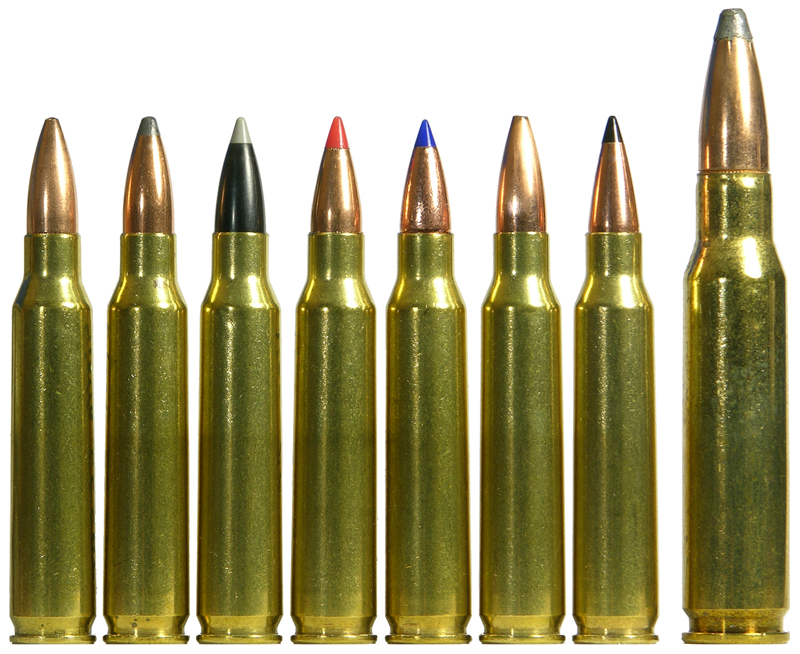
The .223 Remington remains one of the most practical centerfire rounds in North America. It is accurate, light recoiling, and common enough that many hunters already own a rifle for it. With proper bullets, it can be effective on deer, and heavier .223 loads can stay above roughly 2,000 fps to 300 yards in realistic hunting setups.
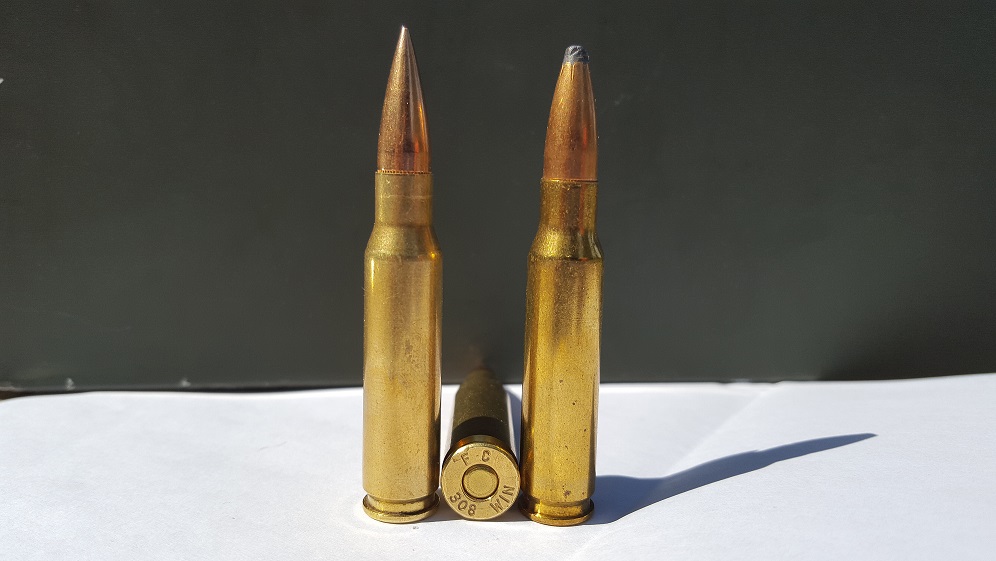
That still does not make it a dependable choice for elk-, moose-, or bear-class game. When animals get larger, the issue is not just energy on paper. It is penetration through thicker muscle, heavier bone, and longer paths to the vitals from less-than-perfect angles. For hunters wanting one cartridge that covers deer through the biggest North American game with broader margin, the stronger pick is the .308 Winchester, especially with 165- to 180-grain controlled-expansion bullets.

2. .22-250 Remington
The .22-250 built its reputation on velocity. It is flat-shooting, quick, and excellent for varmints and predators in open country. That speed, however, usually comes with light bullets that do not carry enough mass for deep penetration on heavy-bodied game. Even though modern .22-caliber bullets have improved, this is still a cartridge whose strengths live on the small-game side of the line.
A hunter wanting similar field manners with a genuine step up for deer-sized animals is better served by the 6mm ARC or a traditional .243 Winchester inside its proper role. For a true all-around big-game tool, the .308 again separates itself because it combines manageable recoil, broad load selection, and more authority on impact.
3. .243 Winchester
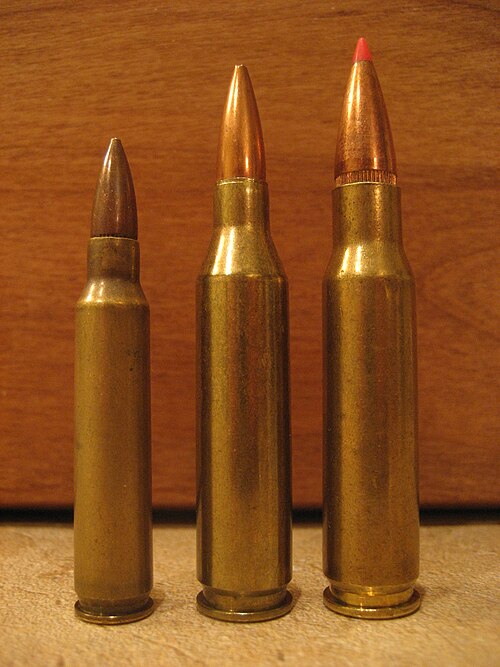
The .243 Winchester has survived every trend cycle for a reason. It shoots flat, recoils mildly, and works well on deer and pronghorn with 90- to 100-grain bullets. On that class of game, it remains a practical and efficient hunting round.
Its limitations show up when the target is substantially larger. Premium bullets help, but heavy game often demands more sectional density, more frontal authority, and more consistent penetration from quartering angles. Hunters who want a lower-recoil alternative with better long-range manners often move to the 6.5 Creedmoor. Those who want a wider safety margin on elk and moose are better served by the .308 Winchester or .30-06 Springfield.
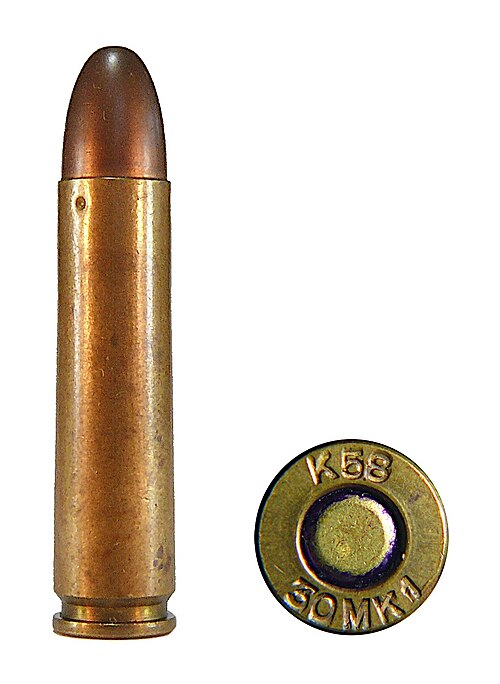
4. .30 Carbine
The .30 Carbine sits in an awkward space between handgun and rifle performance. In practical terms, it behaves more like a light, short-range utility round than a modern big-game cartridge. Its compact rifles are handy, but convenience does not replace terminal performance.
That matters most when range stretches or bones get bigger. Hunters who want short-action efficiency with serious big-game credibility have far better options today. The .308 Winchester gives short-action rifles a much larger performance envelope, while cartridges like the 350 Legend make more sense in places where straight-wall rules shape cartridge choice.
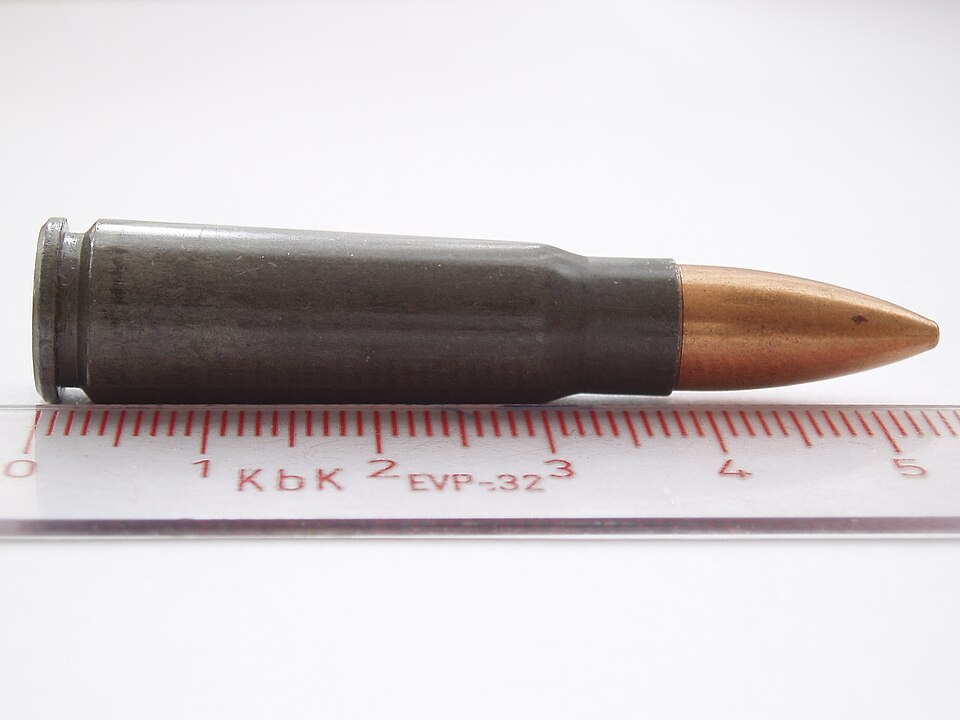
5. 7.62x39mm
The 7.62x39mm is durable, proven, and useful inside modest distances. For deer in thick cover, it can work well enough with proper soft-point or controlled-expansion ammunition. Its problem is not basic lethality. Its problem is range and retained performance.
Velocity falls off quickly, and so does the cushion a hunter has for expansion and penetration. In a hunting world where shot opportunities can appear across a clearing one day and in timber the next, the cartridge runs out of versatility fast. A smarter substitute for hunters wanting similar recoil but more reach is the 6.5 Creedmoor; for those wanting a broader do-everything answer, the .308 remains the safer pick.
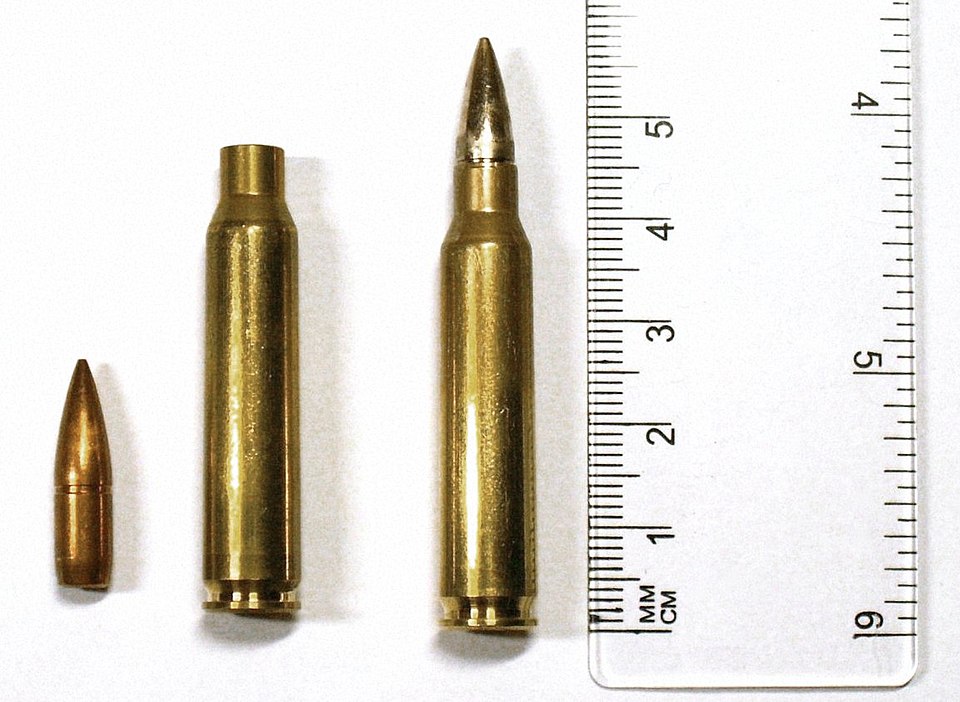
6. 5.56 NATO
In hunting terms, 5.56 NATO and .223 Remington live so close together that their practical limitations are nearly the same. The higher-pressure military-spec loading may add a little velocity, but it does not transform the cartridge into a heavy-game round. This is where bullet construction becomes important. As ballistic testing has shown, heavy game rewards bullets that hold together and penetrate deeply across a broad impact window.
Designs such as the Barnes TTSX with about 99 percent weight retention or the Nosler Partition illustrate what tougher bullets are built to do. In a cartridge this small, there is only so much bullet mass available to work with in the first place. Hunters stepping up to elk and moose are better off moving to a larger chambering rather than trying to force 5.56 to do a bigger job.
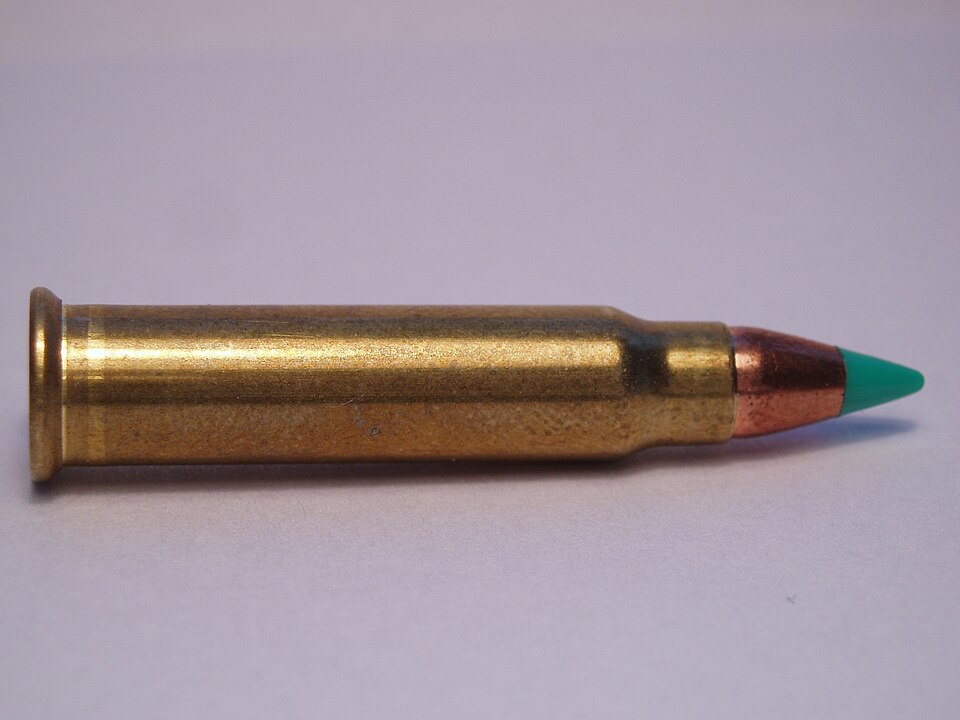
7. .17 HMR
The .17 HMR is a precision small-game cartridge, not a crossover hunting round. Its speed and minimal recoil make it excellent for pests and small varmints, but that is where its useful envelope ends. With only a tiny bullet and very low energy, it lacks the penetration and tissue disruption needed for deer-sized game. There is no modern bullet trick that changes the basic math. Hunters looking for a compact, low-recoil deer cartridge should start at rounds like the .223 where legal and suitable, and move upward based on game size. The .17 HMR belongs on the rimfire side of the cabinet, not in a big-game scabbard.
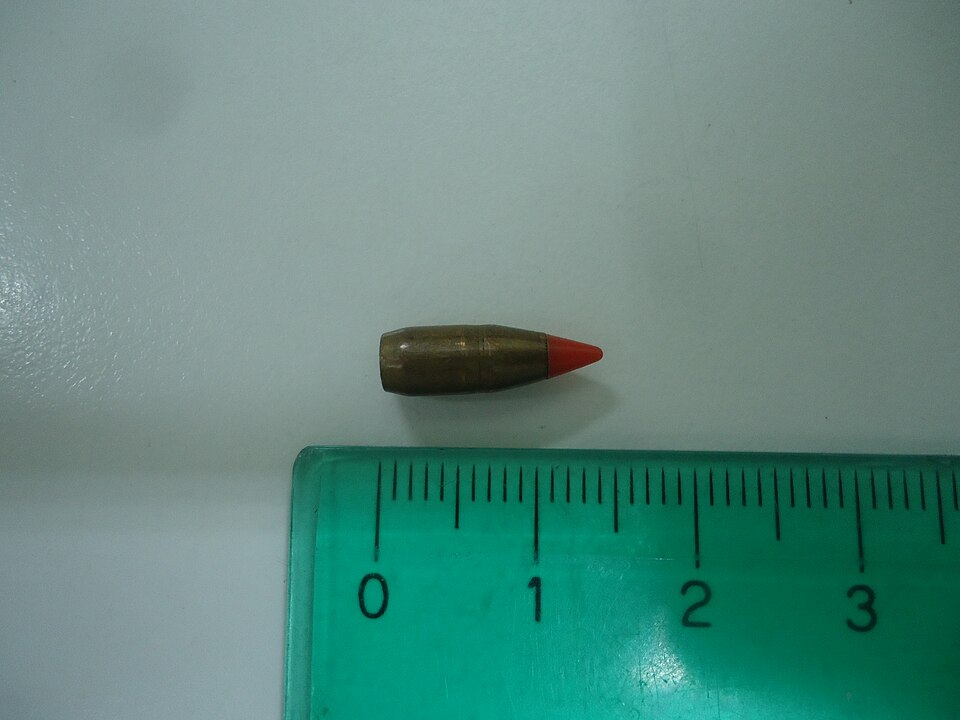
The pattern behind all seven cartridges is simple: none of them are useless, and several are excellent within their intended roles. Problems start when a hunter asks a light, fast, or short-range cartridge to do the work of a heavier, more versatile one. That is why the .308 Winchester keeps showing up as the better answer. It combines a wide bullet-weight range, broad availability, moderate recoil, and enough authority for nearly every common big-game task. For hunters who want one practical cartridge instead of a long debate, that balance is still hard to beat.


