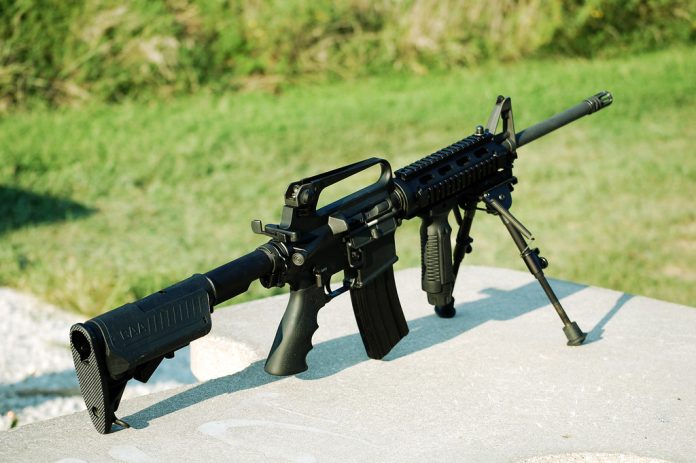
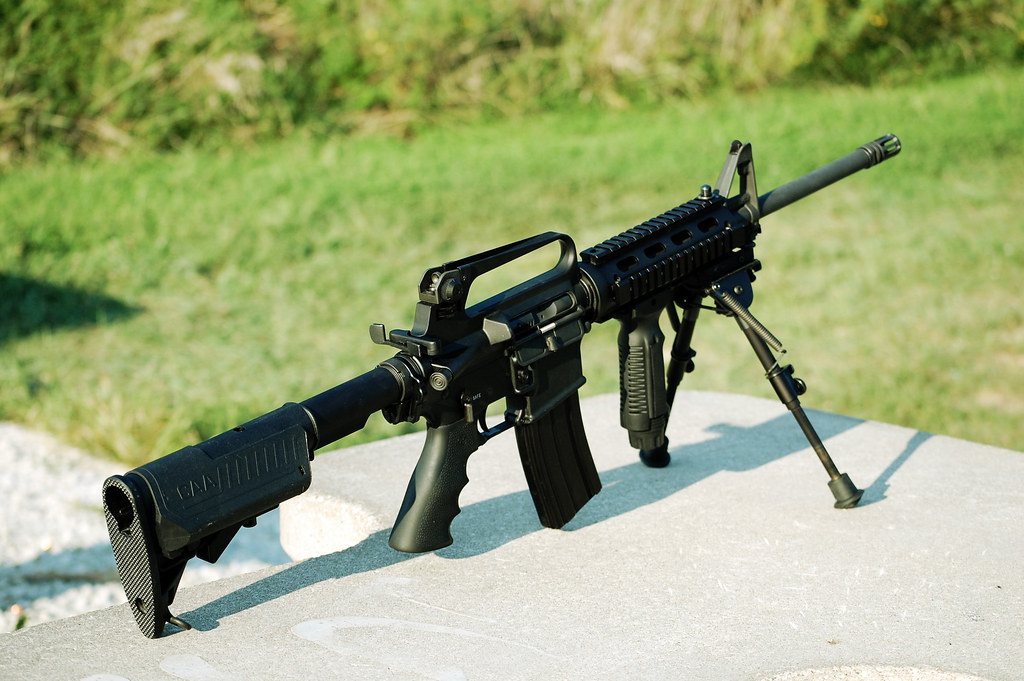
The AR-15 is one of the most modular firearms in common circulation, and that modularity is exactly why bad assumptions travel so far. A platform designed around interchangeable parts, straightforward controls, and broad aftermarket support can look simple from across the room while hiding details that matter under actual use.
Those details are where owners get into trouble. Some mistakes are mechanical, some are legal, and some start as harmless shorthand until they collide with chamber markings, receiver geometry, or changing rules around compact builds and parts transfers.
1. “AR” describes how the rifle fires
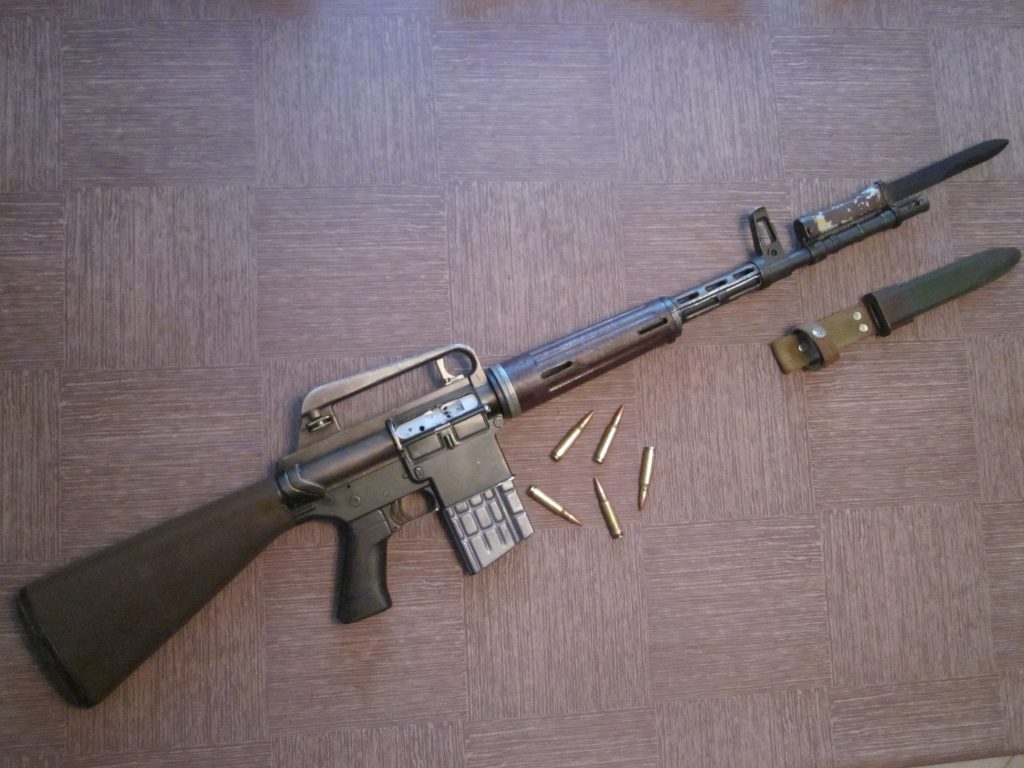
The letters do not mean assault rifle or automatic rifle. They trace back to ArmaLite, the company behind the design lineage that led from the AR-10 to the AR-15 pattern. That sounds basic, but the misunderstanding persists because legal and political labels often get mixed with engineering terms. The practical point is simple: a standard civilian AR-15 is a semi-automatic rifle, firing one round per trigger press. Confusing the name with the firing system leads to bigger misunderstandings about parts, legality, and what the platform actually is.
2. A civilian AR-15 is basically an M16 with a few swapped parts
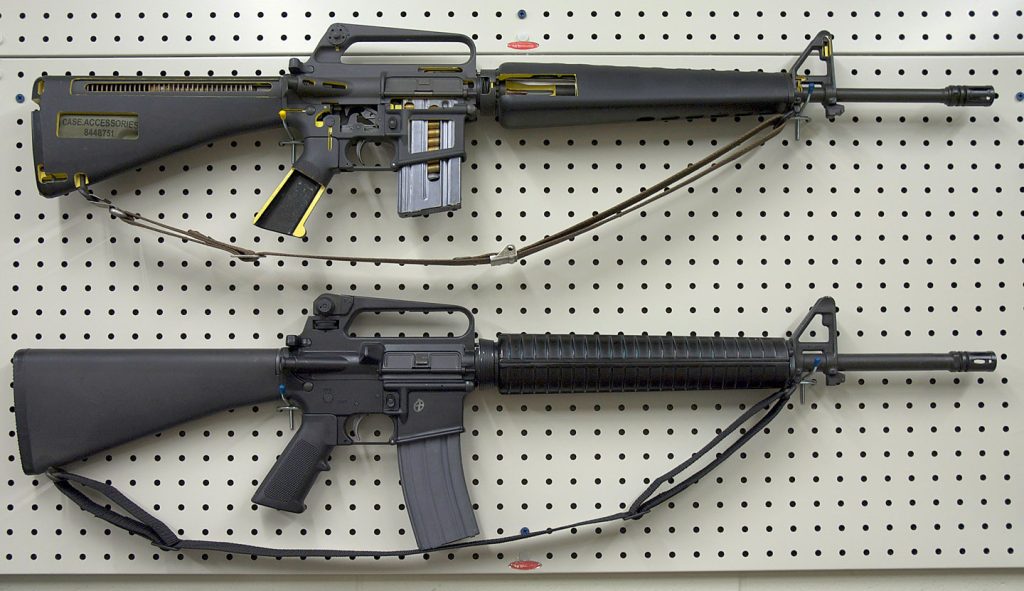
The outside profile encourages this assumption. Internally, the difference is more serious than cosmetic changes or a casual parts-bin conversion. A civilian AR-15 and a military-pattern select-fire rifle are separated by fire-control components, receiver dimensions, and regulated design features that are not solved by hobby-level improvisation. This is where folklore becomes risky. Treating the gap as a simple kitchen-table project ignores the fact that the relationship between the trigger group, bolt carrier movement, and receiver geometry is what defines how the rifle cycles. That same mistake also blurs a critical line between lawful maintenance and unlawful modification. The AR platform is modular, but modular is not the same thing as unrestricted.
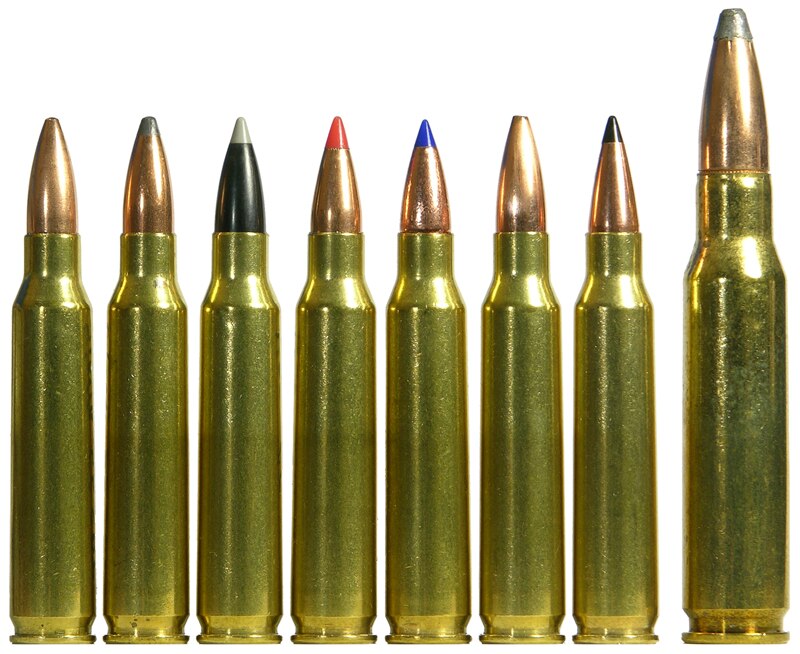
3. .223 Remington and 5.56 NATO are always interchangeable
Many owners learn that the cartridges share similar external dimensions and stop there. The chamber is the real issue. Firing 5.56 NATO in a .223 Remington chamber can create pressure concerns because the chamber specifications are not identical. That matters far more than internet arguments about which label is more common. The AR-15 is often described as excessively powerful, yet the more useful comparison is that a 55-grain .223 load is often cited around 1,280 ft-lbs, while a 150-grain .308 commonly exceeds 2,600 ft-lbs. The recurring owner error is not “too much power” in the abstract. It is failing to match ammunition to the barrel marking.
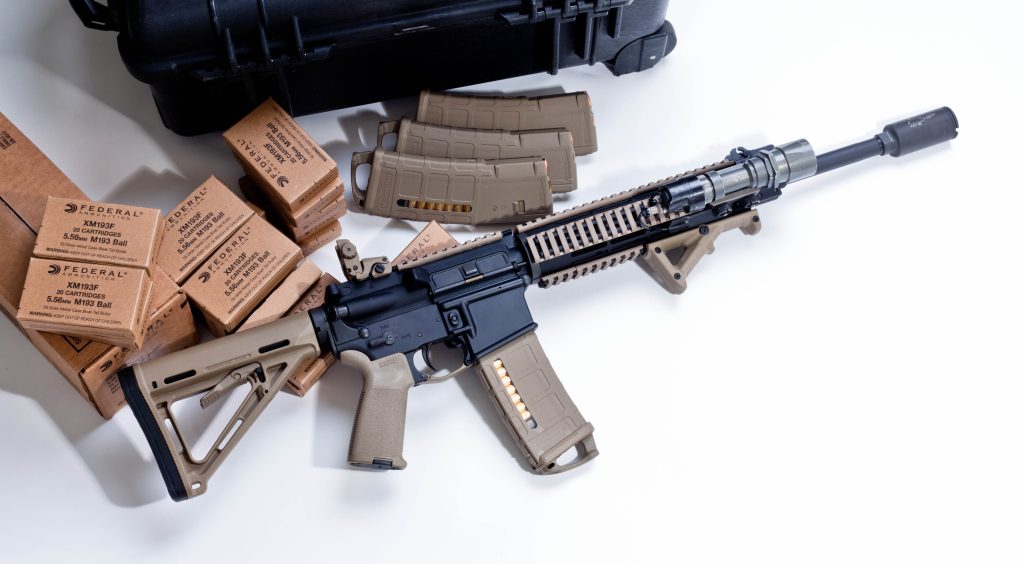
4. A home-defense setup is only about barrel length and maneuverability
Compact dimensions matter, but they do not settle the question. Recoil impulse, sighting speed, and projectile behavior after impact all shape how the rifle performs indoors. Overpenetration claims also tend to collapse when tested against common household materials. In one structured setup, a clean miss passed through multiple walls across a range of loads and calibers. That shifts the discussion away from slogans and toward bullet construction, shot accountability, and realistic room-to-room conditions. The same rifle can behave very differently depending on ammunition choice.
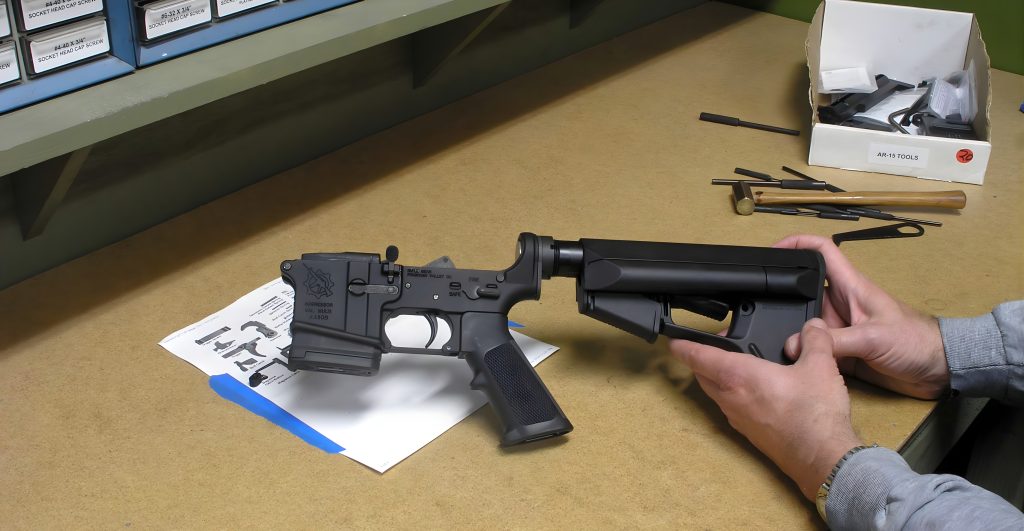
5. “Modular” means anyone can assemble one correctly
The AR’s reputation as “adult Legos” leaves out the part where tolerances, torque, staking, and alignment determine whether the rifle runs with consistency. Swapping an upper or changing furniture can be straightforward. Building a dependable rifle from parts is more exacting. Gas-system tuning is one example. An overgassed rifle may show excessive recoil, forward ejection, heavy fouling, or premature wear, while an undergassed rifle can short-stroke and fail to feed. Small setup errors ripple through the cycle of operation. Even routine assembly details matter, including the 50–58 inch-pounds often cited for specific carrier-key screws in armorer guidance. The rifle is modular, not self-correcting.

6. Configuration rules are mostly federal and mostly stable
Owners who rely on old forum wisdom can drift out of compliance without touching the rifle itself. Rules can follow barrel length, overall length, receiver history, attached accessories, and the state where the firearm or parts are transferred.
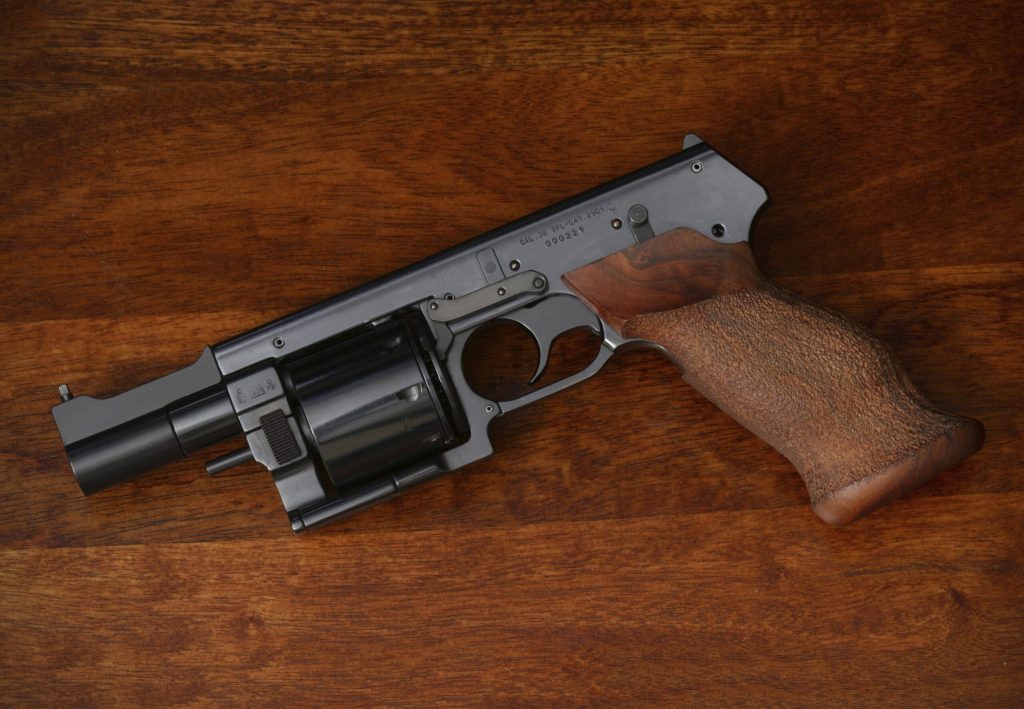
Compact AR-pattern pistols and braced configurations have been especially confusing because measurements and attachments affect classification. Separately, California rules effective January 1, 2026 add transfer requirements for certain accessories and barrels, including changes under AB-1263. The lesson is broader than any one statute: legality follows configuration and jurisdiction, not online consensus.
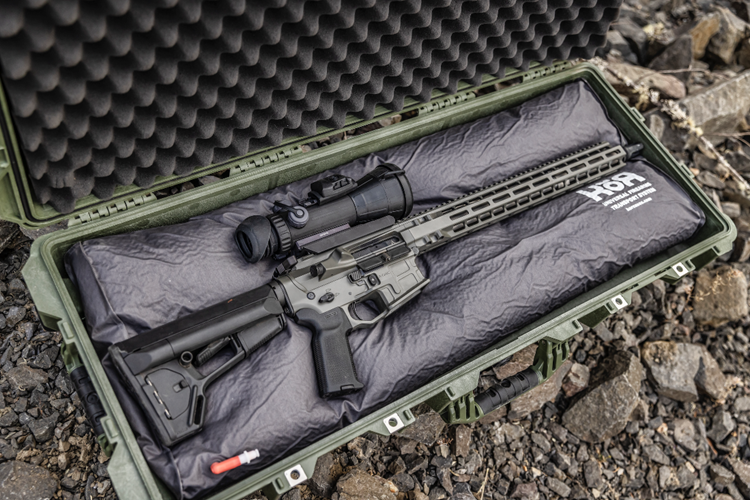
7. Responsible ownership ends once the range session does
Mechanical familiarity is not the same as household safety. The most preventable risk often has nothing to do with optics, gas systems, or caliber charts. Safe storage remains the control that owners can apply every day: unloaded when not in use, secured against unauthorized access, and separated from ammunition when appropriate. Quick-access storage solutions exist for those balancing readiness with security, but the central issue is consistency. The AR-15 draws attention because of what it looks like; many avoidable incidents come down to where it was left and who could reach it.
Most AR-15 trouble starts long before a broken part or a legal citation. It starts with shorthand replacing specifications. Owners who read the platform like a machine rather than a myth tend to avoid the biggest mistakes: match the chamber, respect the build details, verify local rules, and treat storage as part of the system.


