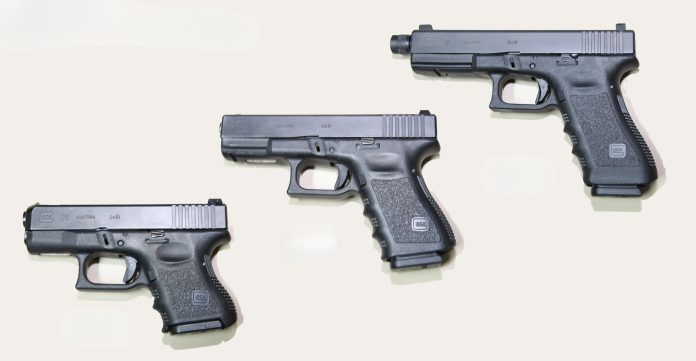
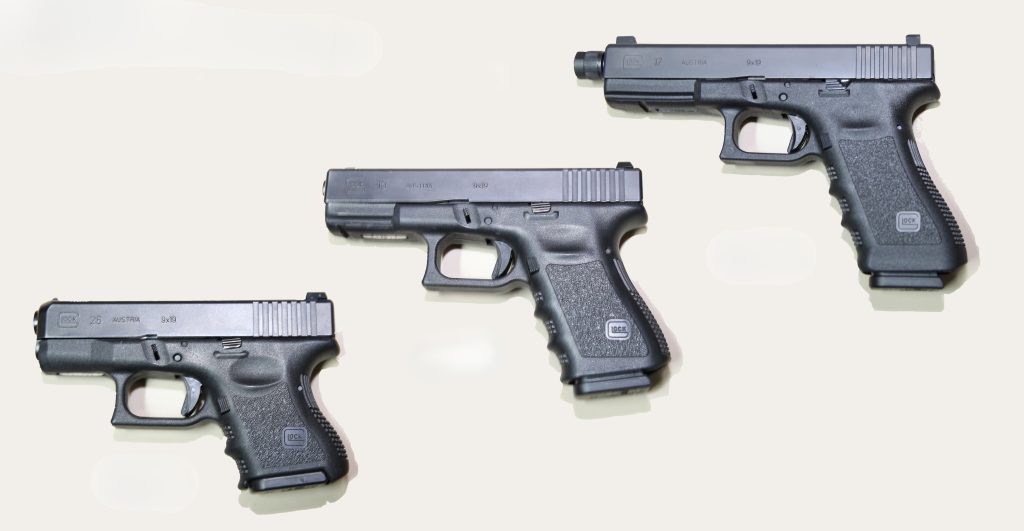
Glock built its reputation on continuity. That is why a large-scale pullback of commercial pistol variants has drawn so much attention across the firearms world. The move is larger than a routine catalog edit. It reaches across older generations, touches some Gen 5 variants, and signals a sharper focus on fewer configurations that better match current manufacturing, compliance, and user preferences.
1. Glock Is Cutting Redundant Variants
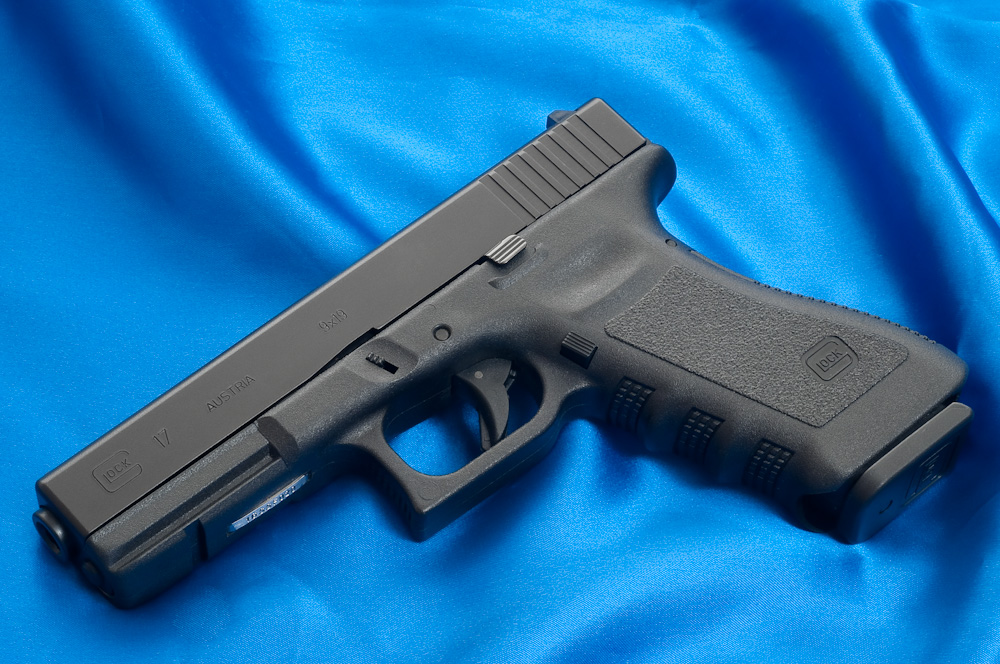
One of the clearest drivers is simple overlap. Glock spent years offering the same core pistols across multiple generations, slide cuts, and caliber combinations. When newer versions became the default choice, many older Gen 3 and Gen 4 commercial variants lost their practical role in the lineup. Removing that overlap gives each remaining model a more defined place and reduces the burden of keeping nearly identical pistols in production. The scope of the reset is unusually broad. Lists circulated in trade coverage showed discontinued commercial variants spanning models such as the G17, G19, G22, and G30, along with numerous older-generation and specialty configurations.
2. Optics-Ready Pistols Are Becoming the Default
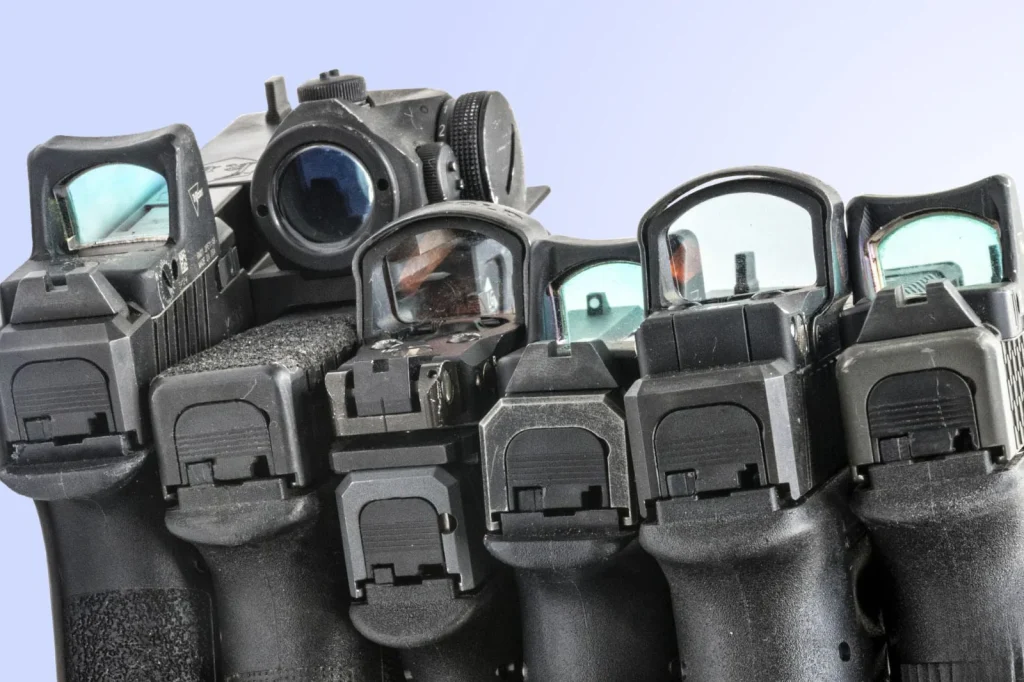
Modern handgun demand has shifted hard toward slide-mounted optics. Glock’s own public language pointed to “innovation and future growth,” and the practical meaning of that phrase is hard to miss: pistols built around current sighting standards are taking priority over legacy configurations. That matters because optics-ready slides are no longer a niche feature reserved for competition shooters. They have become a mainstream expectation in duty, defensive, and enthusiast markets. As older frames and slides without MOS-style compatibility leave the catalog, Glock can place more of its effort behind standardized, optics-friendly offerings instead of maintaining separate lines for yesterday’s setup.
3. Niche Calibers No Longer Justify the Same Shelf Space
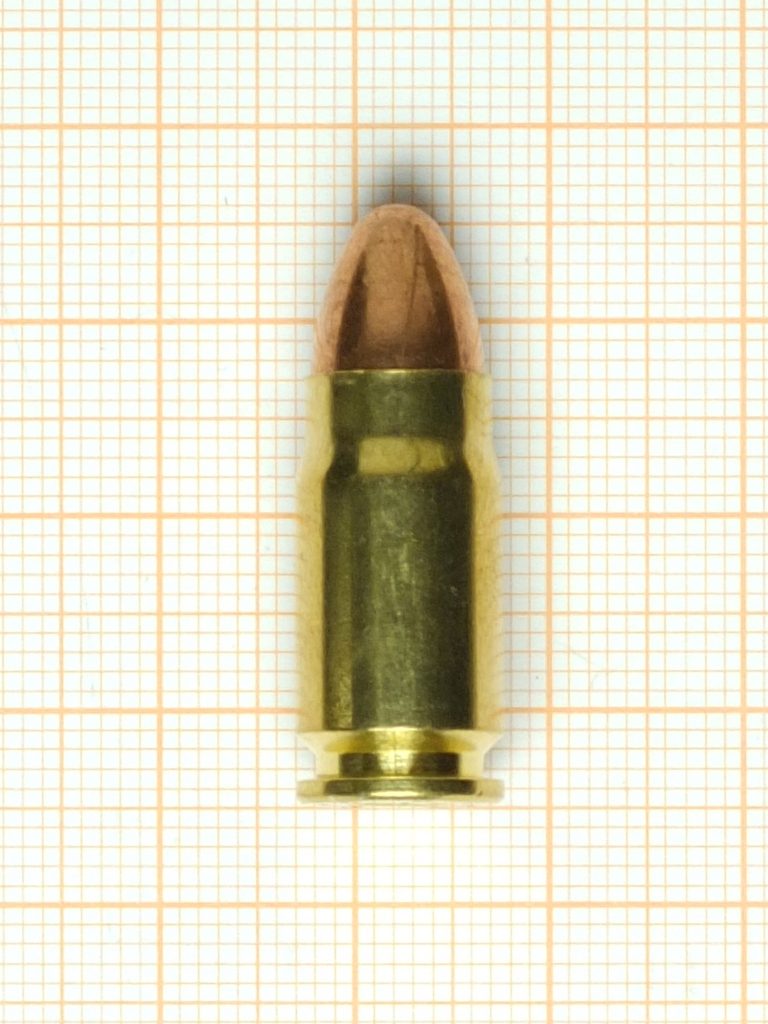
Caliber contraction is another major factor. Several of Glock’s lower-volume offerings were tied to cartridges that no longer command the same institutional or civilian demand they once did. Models in .357 SIG and .45 GAP fit that pattern especially well. When a caliber loses momentum, the issue is not only slower sales of pistols. It also affects barrels, magazines, parts stocking, and production scheduling. A narrower caliber mix simplifies manufacturing and keeps the lineup centered on the cartridges with the broadest long-term relevance, especially 9mm.
4. Manufacturing Gets Easier When the Catalog Gets Smaller
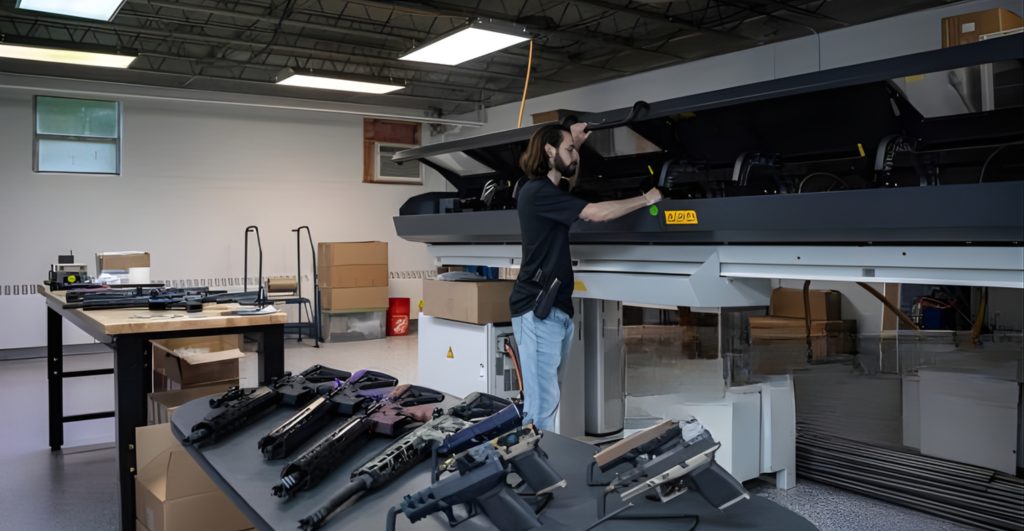
Every additional SKU adds friction. Tooling, inventory, quality control, forecasting, and replacement parts all become more complicated when a company supports a sprawling catalog of closely related handguns. For a manufacturer defined by standardization, this matters more than it might for a brand built around constant experimentation. A smaller commercial portfolio lets Glock concentrate production capacity on high-volume models, maintain tighter consistency, and reduce the inefficiencies that come with supporting slow-moving variants. In a business built on repeatability, simplification is not cosmetic. It is structural.

5. Compliance Pressure Has Become Harder to Ignore
Regulatory and legal pressure now sits closer to the center of handgun design than many companies once admitted. Glock’s lineup changes have been widely discussed alongside litigation and state-level action tied to illegal conversion devices commonly called switches. That backdrop became harder to separate from product planning after California enacted Assembly Bill 1127, a law aimed at machinegun-convertible pistols sold to civilians. Coverage of the broader issue also pointed to 11,088 machine gun conversion devices recovered between 2019 and 2023, according to ATF figures cited in reporting. Even without treating the discontinuations as a direct legal admission, the market now has to account for compliance risk in a way it did not a decade ago.
6. Rumored “V” Models Suggest Internal Redesign, Not Cosmetic Change
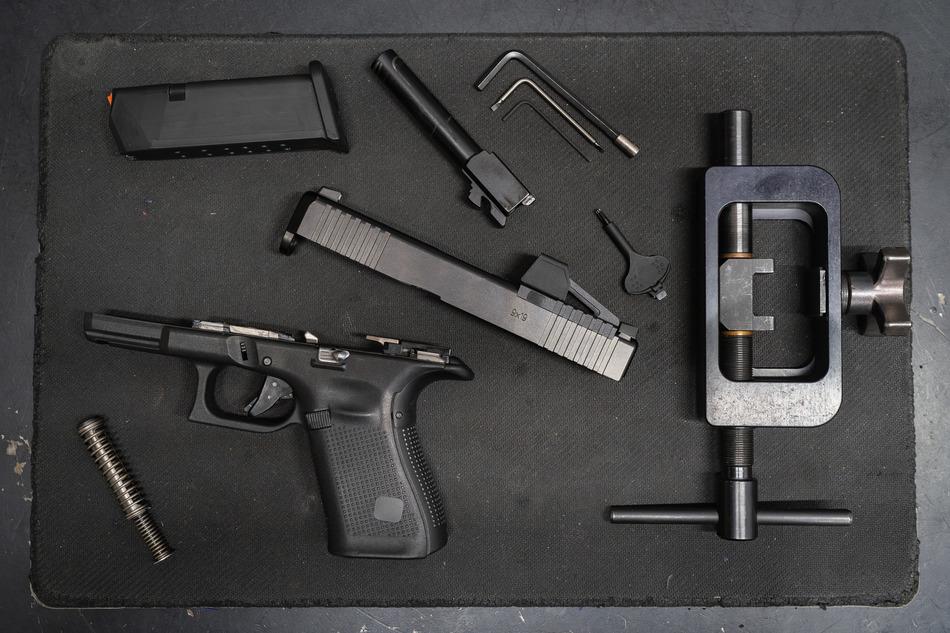
One of the most closely watched developments has been talk of replacement pistols sometimes described as “V” models. Trade and retailer reporting described possible internal slide and trigger changes intended to make conversion more difficult, while preserving the outward profile Glock users already know.
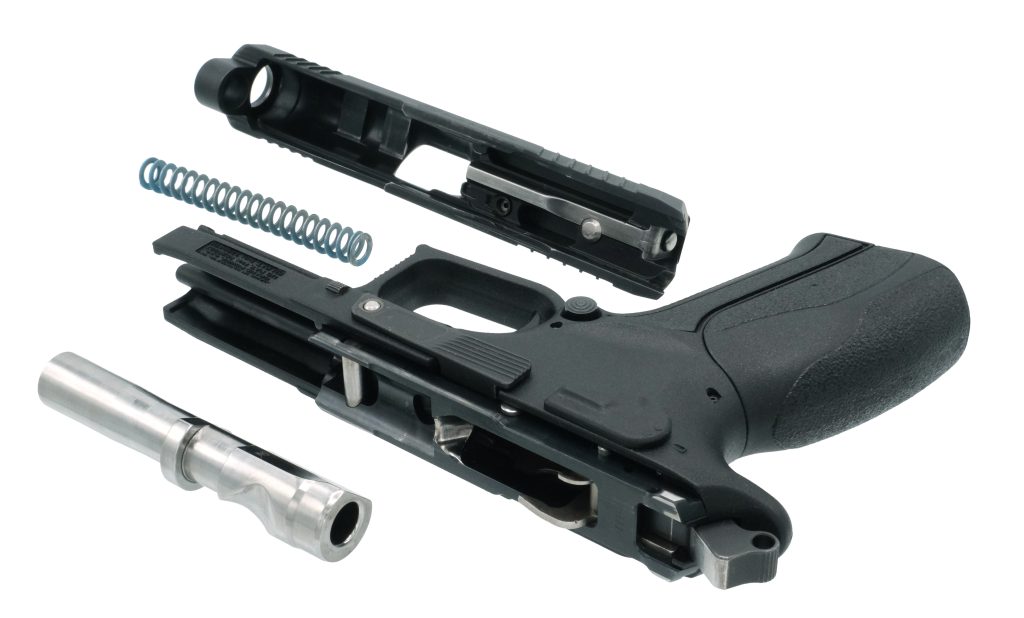
That reporting remains uneven and not every claimed detail has been formally established by Glock in the same way as its portfolio-reduction statement. Still, the concept is significant because it points to a new kind of engineering priority. If internal geometry becomes part of compliance strategy, future Glock updates may be judged less by grip texture or finish and more by what they prevent.
7. Support for Existing Pistols Is Continuing
Discontinuation does not mean abandonment. Glock stated that existing pistols will continue to receive service parts and maintenance support, and reporting indicated that law-enforcement channels remain largely unchanged even as the commercial catalog is reduced. That distinction matters for agencies, armorers, and long-time owners. The immediate story is not that legacy Glock pistols are becoming unusable. It is that the company appears to be drawing a clearer line between the models it will keep building for the future and the ones it will simply keep supporting in the field.
The broader significance of this shake-up is not tied to one discontinued model. It lies in what the move says about handgun manufacturing in 2026: fewer redundant variants, more optics-ready emphasis, tighter production discipline, and greater attention to conversion-related compliance. For Glock, the catalog is no longer just a list of pistols. It is a map of where engineering, regulation, and market demand now intersect.


