Long-range shooting gets difficult when the bullet’s path stops matching the neat version printed on a box flap or entered into a calculator. The real problem is rarely drop alone. It is the combination of wind, time of flight, bullet shape, recoil, and whether a cartridge stays consistent enough that the shooter can keep making useful corrections instead of chasing surprises.
That is why some cartridges keep showing up on target lines, in hunting camps, and in practical field matches. They are not all fast, and they are not all modern, but they tend to behave in ways shooters can learn and repeat.
1. .308 Winchester
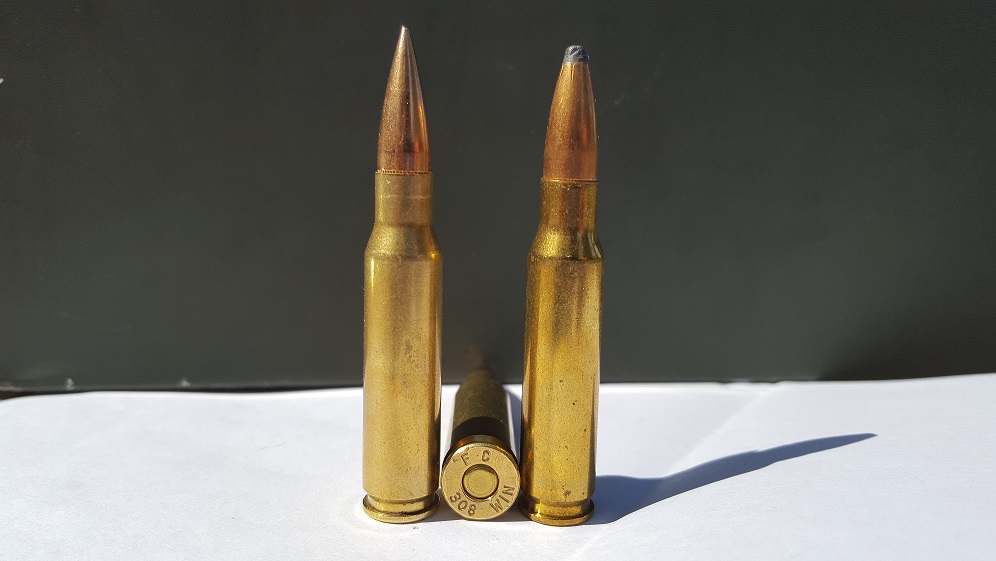
The .308 Winchester remains the reference point for predictable rifle performance because it works across a huge range of rifles without asking for much drama. It has enough bullet weight flexibility to cover training, match use, and field work, and shooters have decades of proven data behind it. That matters when conditions are ugly and a rifleman needs confidence more than novelty.
Its weakness is not mystery. In a 10 mph wind, average drift figures run about 21.3 inches at 500 yards and 100.5 inches at 1,000 yards, according to average wind drift at 1,000 yards. Even so, the cartridge’s forgiving nature, common 168- to 175-grain match loads, and manageable recoil keep it relevant. Inside more realistic field distances, it still gives up very little in practical hit potential.
2. 6.5 Creedmoor
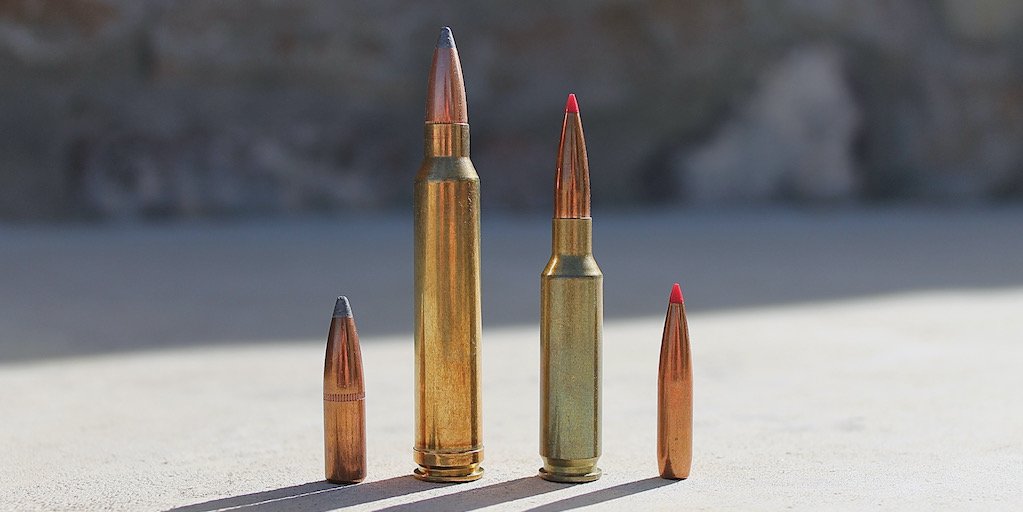
The 6.5 Creedmoor earned its reputation by making long-range performance easier to access in ordinary rifles. High-BC bullets, efficient case design, and mild recoil help shooters spot impacts and avoid building bad habits. Compared with .308 Winchester, it is widely recognized for lower recoil and better downrange efficiency when wind starts to matter.
Factory ammunition quality also plays a major role. One evaluation built around 760 rounds showed that hit probability from 400 to 1,200 yards varied from an average of 65.0% across match loads to 74.4% for a top performer. In a 10 mph wind, average drift is also notably lighter than .308, at 16.1 inches at 500 yards. That mix of shootability and wind behavior explains why it became the default answer for many shooters stretching beyond midrange.
3. .223 Remington / 5.56 NATO
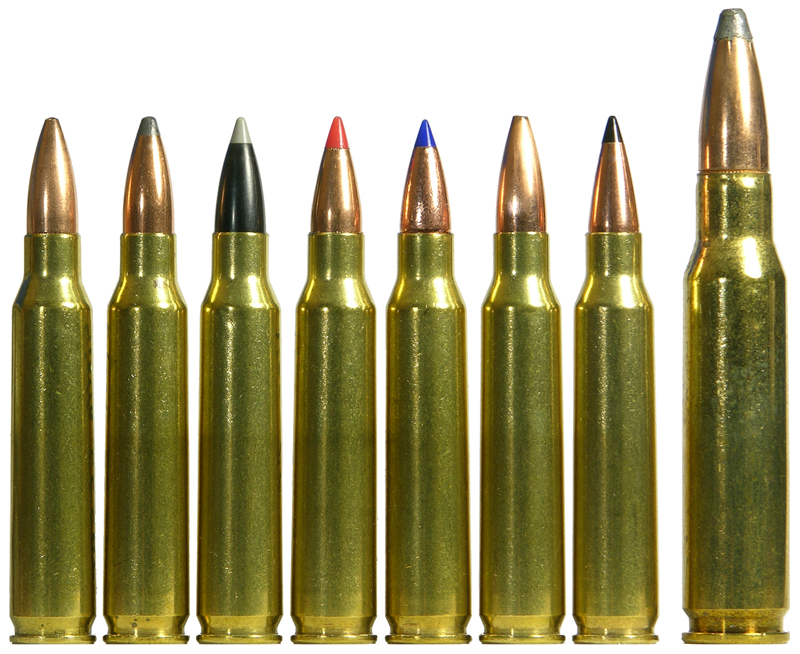
Few cartridges teach faster than .223 or 5.56. Recoil is light enough that many shooters can stay in the scope, watch trace, and correct in real time. For pure skill-building, that feedback loop is hard to beat.
It does not cheat the wind. Average drift in a 10 mph crosswind is about 21.9 inches at 500 yards, which means bullet choice and wind reading matter immediately. But the cartridge’s low recoil and huge installed base make it one of the cleanest ways to build precision fundamentals before stepping up to harder-hitting options.
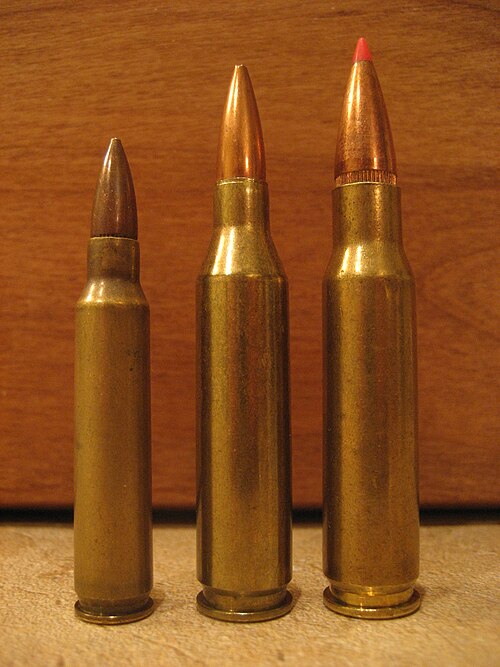
4. .243 Winchester
The .243 Winchester has long been one of those cartridges that quietly shoots better than expected. Light recoil helps shooters stay disciplined, and its blend of velocity and bullet efficiency gives it a flatter feel than many traditional hunting rounds.
Wind numbers help explain that reputation. Published averages put it at about 19.5 inches of drift at 500 yards and 95 inches at 1,000 yards in a 10 mph crosswind. That is not elite modern-ballistic territory, but it is good enough to make the .243 a practical bridge between low-recoil training rounds and larger hunting cartridges.
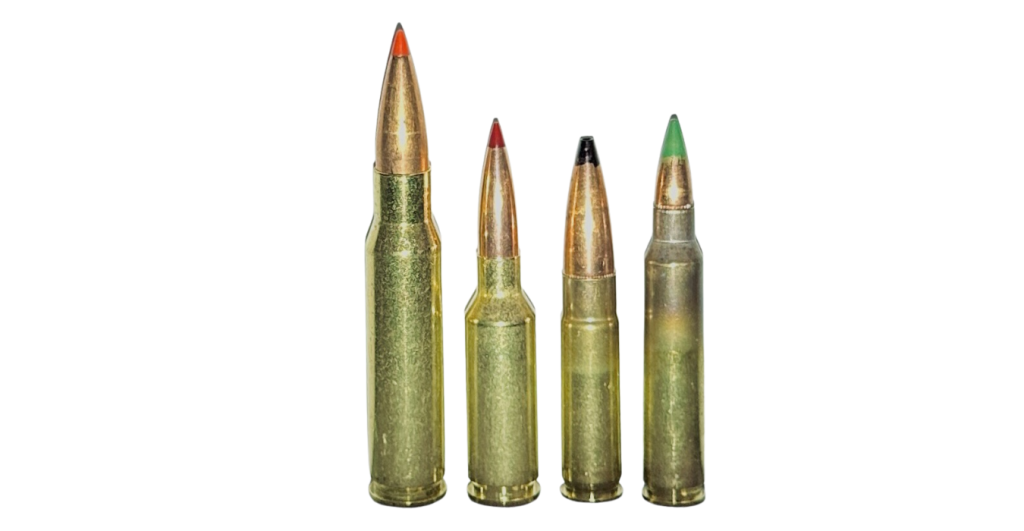
5. 6mm ARC
The 6mm ARC was built to make the AR-15 a more serious distance platform, and it succeeded by leaning on sleek 6mm bullets and useful retained velocity. It gives shooters a way to stretch a lighter gas gun without taking on full-size rifle recoil or bulk. With 103- to 108-grain bullets around 2,800 to 2,900 fps from practical barrels, it offers a strong balance of reach and control.
Published examples tie it to supersonic flight out to 1,300+ yards depending on conditions, and broader AR-platform comparisons have shown it staying supersonic to roughly 1,150 yards with match ammunition. That kind of aerodynamic stability is the point. The 6mm ARC gives semi-auto shooters a cartridge that reads like a purpose-built answer to distance rather than a compromise.
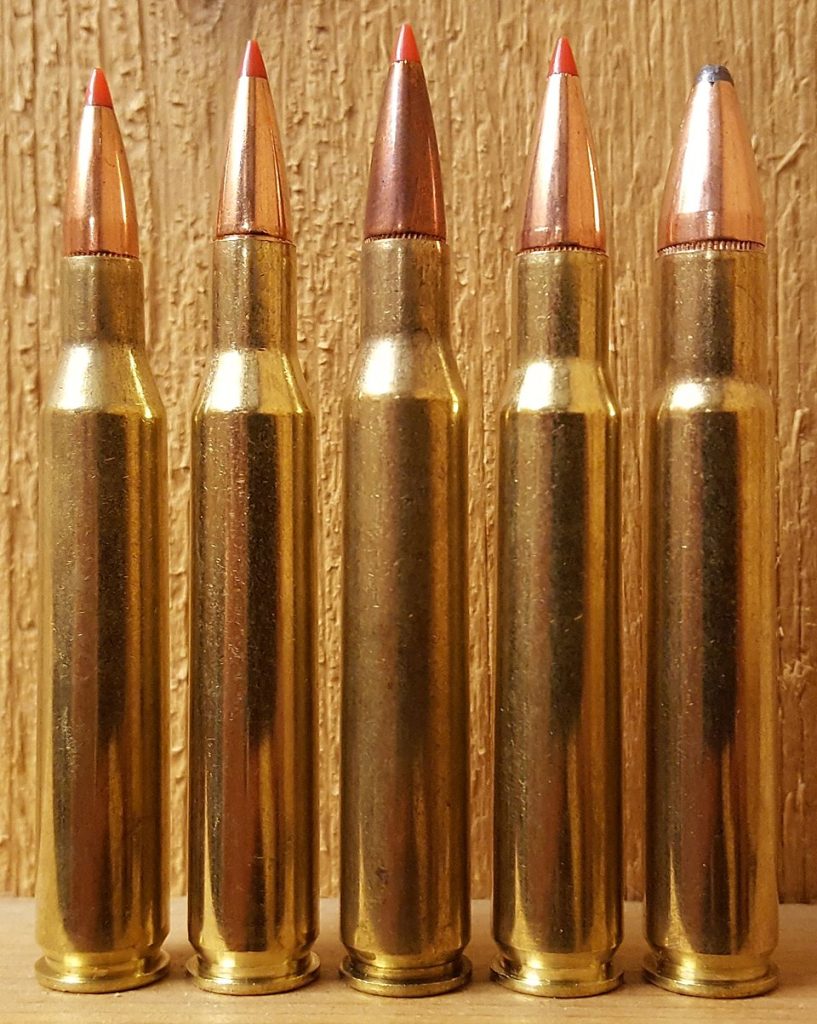
6. .270 Winchester
The .270 Winchester is often treated like a classic deer cartridge, but that undersells why it keeps lasting. Modern bullet design gave it a fresh lane, especially with sleeker hunting bullets that let its natural speed show more clearly at longer distances.
Average drift figures in a 10 mph wind sit around 18.7 inches at 500 yards. Some comparisons have shown the .270 edging 6.5 Creedmoor in wind and trajectory at common hunting distances when loaded with modern bullets. In ordinary field rifles, its appeal remains simple: it tends to shoot flat, react predictably, and avoid fuss.
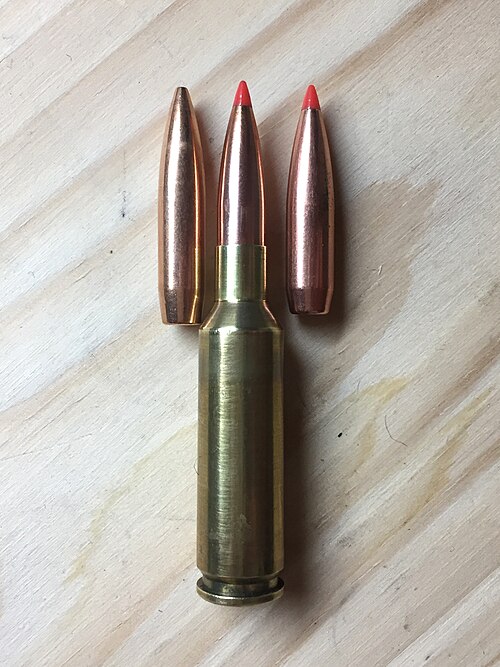
7. 6.5 PRC
The 6.5 PRC takes the Creedmoor formula and pushes it into a faster class without turning into a punishing magnum. That matters because velocity and efficient bullets together can reduce the cost of small wind-reading mistakes. Its wind performance stands out. In a 10 mph crosswind, average drift is about 13.2 inches at 500 yards and 62.3 inches at 1,000 yards, putting it among the better mainstream options for resisting deflection.
Published comparisons also show an advantage over .300 Win. Mag. in representative setups for both drift and retained speed at distance. For shooters who want reach without losing the ability to stay on the rifle, the 6.5 PRC holds a very useful middle ground.
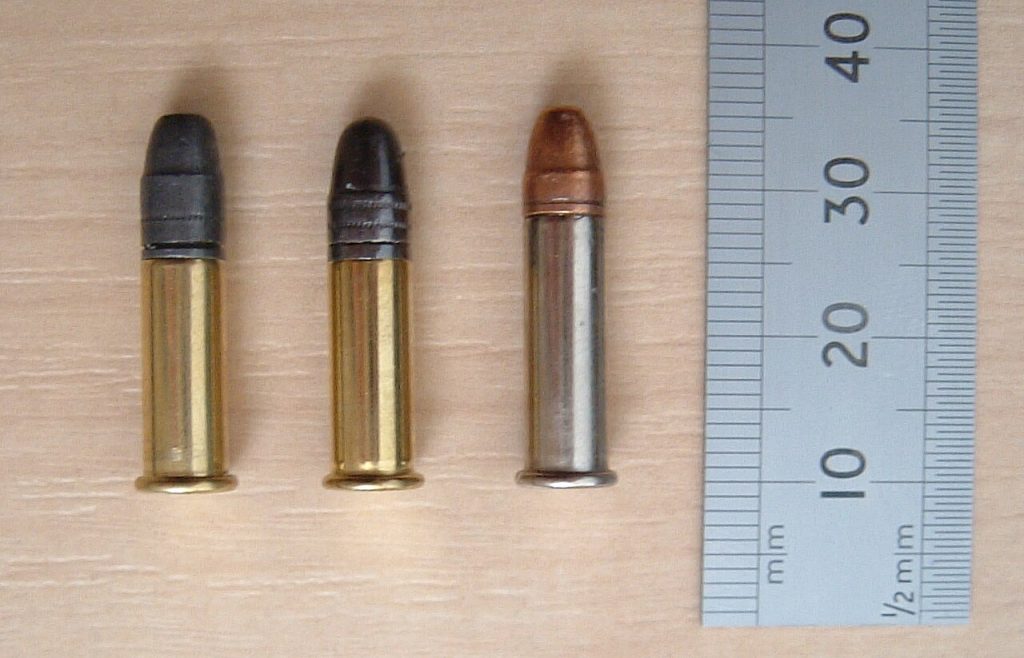
8. .22 LR Match
Match-grade .22 LR belongs in this conversation for one reason: it exposes mistakes. At rimfire distances, tiny wind changes matter, position matters, and sloppy trigger work shows up immediately. That makes it one of the most efficient training tools in precision shooting.
It is also a reminder that “predictable” does not mean “windproof.” Average .22 LR drift in a 10 mph wind runs about 5.4 inches at 100 yards and 39.2 inches at 300 yards. Premium loads matter because tight velocity spreads and reliable ignition are the whole game. When the lot is good, match rimfire lets shooters rehearse centerfire discipline without centerfire recoil or barrel wear.

9. 7mm Remington Magnum
The 7mm Remington Magnum has had the raw shape for distance work for a long time, but modern high-BC bullets made better use of that capacity. With heavier, sleek bullets, it combines flat trajectory and useful wind resistance in a cartridge most rifle shooters already understand.
Average 10 mph wind drift figures land around 14.5 inches at 500 yards and 69 inches at 1,000 yards. Those numbers keep it competitive even against newer designs. It is not a mild cartridge, but it remains a familiar option for shooters who want strong downrange performance without moving into more specialized territory.
The pattern across these cartridges is straightforward. Wind drift is driven by wind speed, time of flight, and ballistic coefficient, and the cartridges that stay useful are the ones that balance those factors without making the rifle difficult to shoot well. No cartridge fixes bad wind calls. The better ones simply leave less room for the wind to punish them.


