

Handgun ammunition problems are often blamed on the cartridge alone. In practice, misses, stoppages, and disappointing terminal performance usually come from a chain of small failures that only show up when pressure rises, sight picture degrades, and the shooter has to solve problems quickly.
That is where reliability stops being a simple matter of “did it fire.” A defensive round also has to ignite consistently, cycle the pistol, expand as intended, and avoid turning a miss into a wall-penetrating liability.
1. Treating rimfire as equal to centerfire for serious use
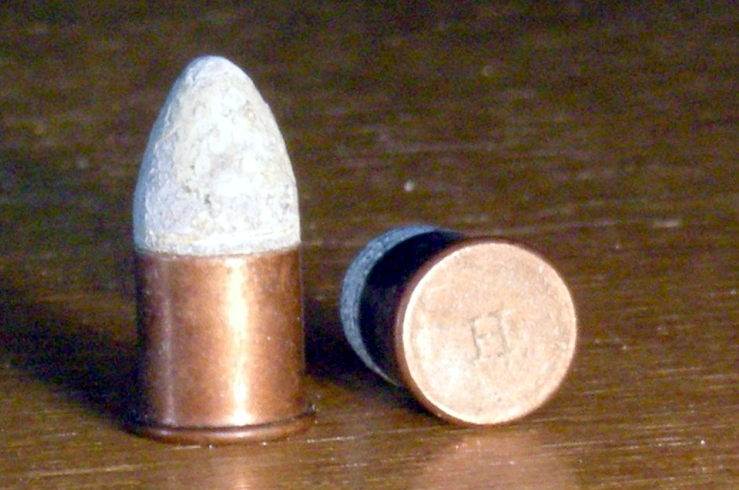
The first mistake is starting with the wrong ignition system. Rimfire ammunition spreads priming compound around the case rim, while centerfire cartridges use a dedicated primer in the middle of the case head. That design difference matters because centerfire ammo is more reliable in normal service use.
Discussion from high-volume rimfire shooters also points to another issue: a round that fails on the first strike may fire after being rotated and tried again. That kind of inconsistency is tolerable for training or small-game work, but it is a poor fit for a handgun expected to work immediately under pressure. Stress shortens decision time, so a cartridge that sometimes needs a second chance is already behind.
2. Assuming a primer strike is the whole reliability story
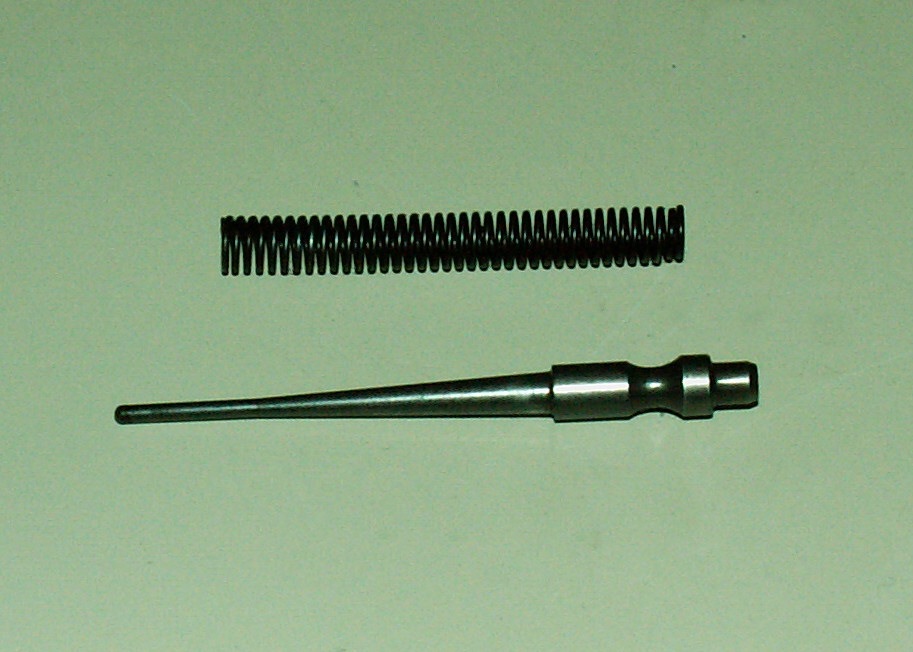
A cartridge can ignite and still be part of a failure chain. Shooter reports on rimfire systems repeatedly mention firing pin energy, strike speed, bolt position, and case variation as contributors to misfires. The centerfire world is more forgiving, but the same lesson applies: reliability belongs to the cartridge-and-pistol system, not the round by itself.
Under stress, that system is asked to function with a hurried grip, imperfect presentation, and less-than-ideal follow-through. A load that runs flawlessly in calm range sessions can expose weak margins when recoil control deteriorates. Reliability testing with actual carry magazines and realistic shooting cadence matters more than bench-top confidence.
3. Using full metal jacket loads and expecting defensive behavior
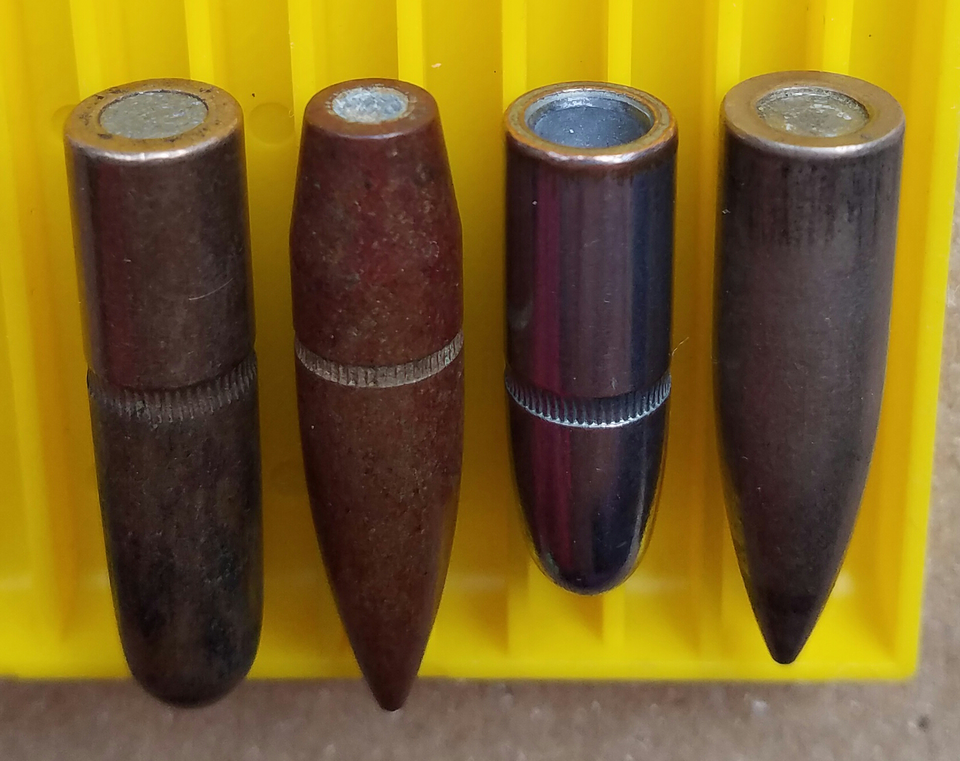
One of the most common mistakes is assuming any cartridge that feeds well is suitable for defensive use. In barrier testing with common interior-wall materials, FMJ handgun loads consistently kept traveling. In the referenced home-structure test, a 115-grain 9mm FMJ passed through gel and both walls, and .45 ACP FMJ behaved similarly.
That is a reliability issue in the broader sense. The round may function mechanically, yet fail the real requirement of controlled performance after impact. A dependable defensive load is not just one that goes bang. It is one that behaves predictably after it reaches the target.

4. Believing ballistic gel is a human replica instead of a measuring tool
Gel testing is often misunderstood. The useful point is standardization, not perfect mimicry. The FBI benchmark exists because 12 to 18 inches in calibrated gel is used to judge whether a bullet can reach vital structures after passing through soft tissue and possible intervening obstacles.
That does not mean every 12-inch gel result will look the same in a body, nor does it mean low-penetration rounds are automatically safer. A round that expands too quickly or stops too early may produce an impressive recovered bullet while sacrificing the depth needed for consistent effect. Stress magnifies that mistake because imperfect shot angles are common when people are moving, crouching, or partially obscured.
5. Ignoring what stress does to hit probability
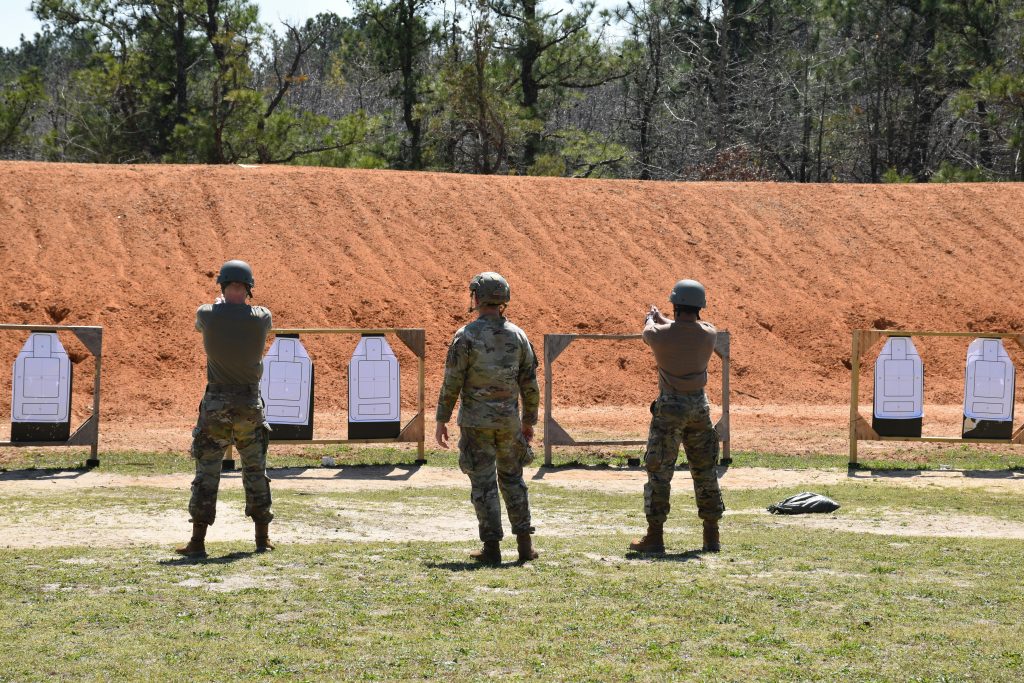
This is the mistake that turns ammunition choice into a secondary problem. A systematic review of tactical marksmanship research found that shooting accuracy dropped by 14.8% on average in high-pressure conditions, with decision-making and reaction time also degrading. Experience helped, but pressure still pulled performance down.
That finding matters because every round that misses becomes a structure-penetration problem. The same home-material testing showed that a clean miss with handgun ammunition passed through both walls regardless of premium bullet design. Ammunition cannot fix a miss, and stress makes misses more likely than most flat-range sessions suggest.
6. Choosing expansion that is inconsistent from short handgun barrels
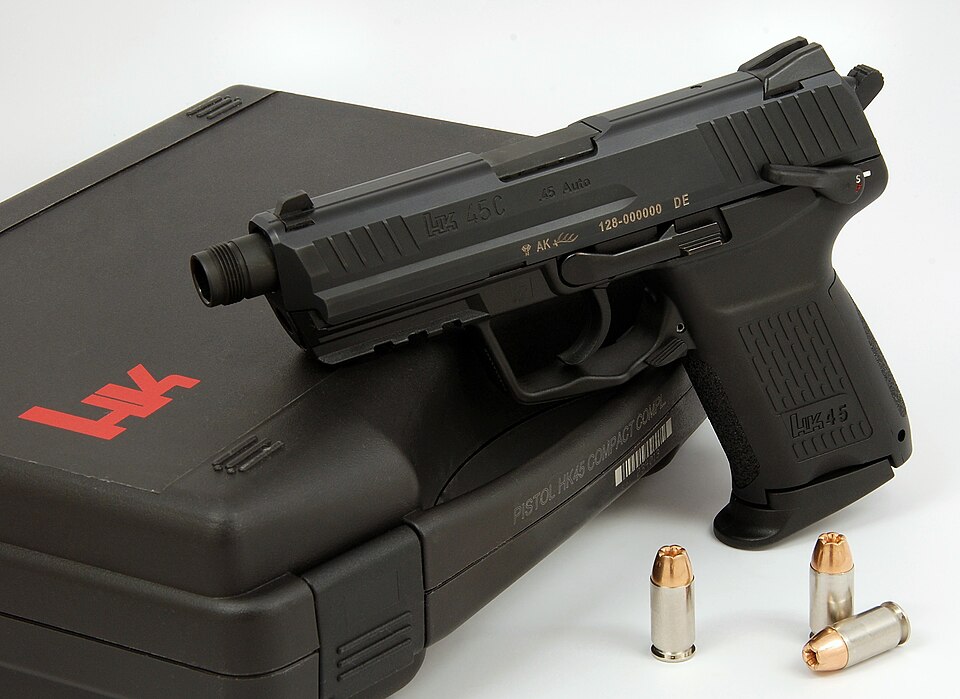
Handgun bullets operate in a narrow velocity window compared with rifles. That makes them more sensitive to barrel length, cavity design, and impact conditions. If expansion is inconsistent, the projectile can behave more like a non-expanding slug and penetrate much farther than expected.
That concern appeared in the reference material from two directions. Forum discussion around realistic dummy testing noted that bullets can “do weird things,” while gel-and-wall testing showed a strong difference between FMJ, aggressive expanding designs, and loads tuned for controlled penetration. The lesson is straightforward: reliability includes repeatable expansion, not just feed reliability.
7. Forgetting that handguns are harder to run well under pressure than stocked guns
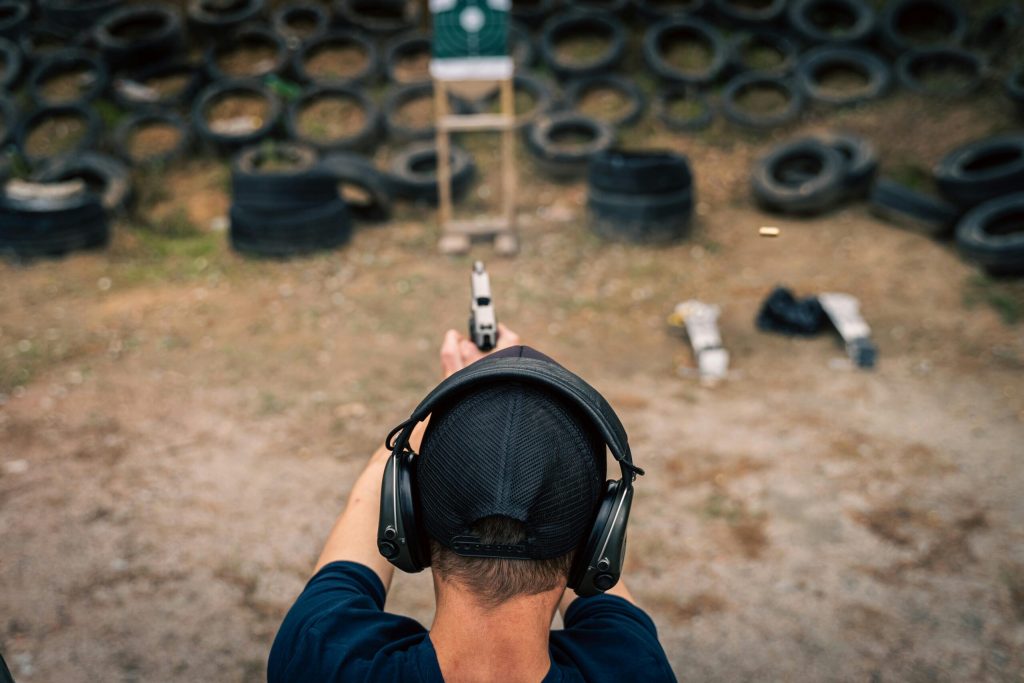
The handgun’s weakness is not mystery; it is geometry. Without a stock anchored to the shoulder, sight recovery and recoil management demand more from the shooter. The overpenetration test notes also emphasized that keeping rounds on target with a handgun becomes more difficult as heart rate rises and light worsens.
That means ammunition selection has to compensate where it can. Loads that expand reliably and stop sooner after passing through tissue offer more margin than ball ammunition or designs that need ideal conditions to open. But even then, the platform places a premium on skill because the projectile starts with less velocity and less room for error than a centerfire rifle round.
8. Testing for accuracy but not for function under realistic conditions
Many shooters test a magazine or two for grouping and call it proven. That is not enough. The reference material repeatedly points to a gap between calm training performance and real-world execution, especially once pressure enters the picture.
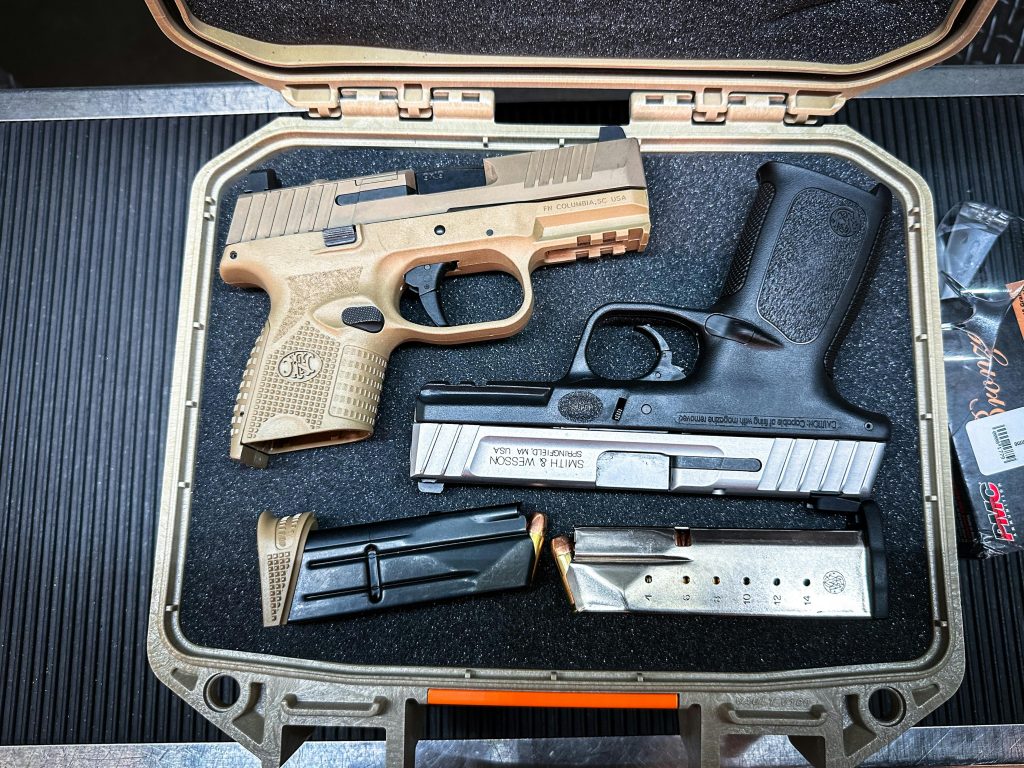
A practical reliability standard is more demanding. The chosen load should feed from every intended magazine, lock the slide open consistently, maintain point of impact, and remain controllable during faster strings. It should also be evaluated for post-impact behavior, because a round that groups tightly but penetrates excessively or fails to expand consistently has not really passed the test.
Handgun rounds usually do not fail for one dramatic reason. They fail because shooters confuse ignition with total reliability, confuse gel with certainty, and confuse calm-range performance with stress performance.
The rounds that hold up best are paired with the right pistol, verified in realistic practice, and selected for controlled penetration rather than simple power. Under stress, the small mistakes are the ones that show up first.


