A hunting bullet does not succeed because of one headline spec. Clean kills are usually decided by a small set of design details that control how the projectile flies, opens, holds together, and keeps moving after impact.
Across modern hunting bullet designs, the pattern is consistent: construction matters more than catalog shorthand. Claims built around weight alone or sectional density alone tend to fade once a bullet actually hits tissue and begins to change shape.
1. How the bullet controls expansion
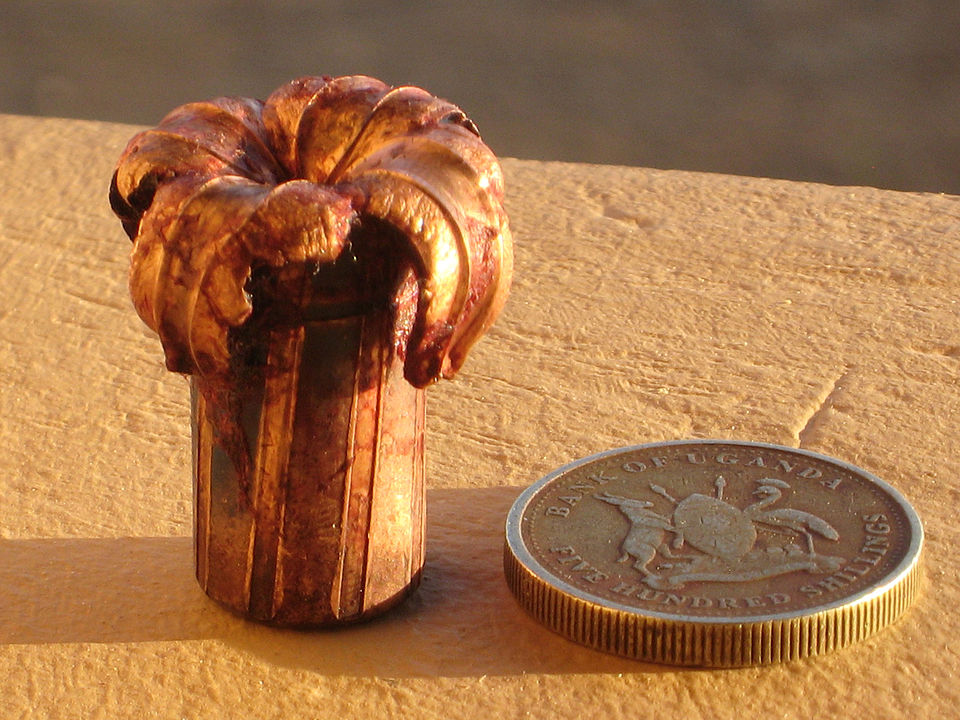
The first design detail is not whether a bullet expands, but how much and how predictably. Controlled-expansion bullets are built to open without turning into fragments too early, which is why they are commonly chosen for larger-bodied game and higher impact speeds. As controlled expansion bullets are designed to stay in one piece and open to roughly 1.5X to 2X caliber, they keep frontal area manageable while still cutting a wider path through tissue.
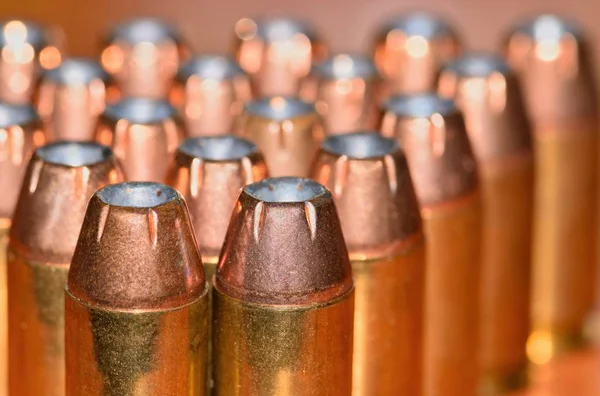
That balance is the point. Too little expansion can reduce tissue disruption, while too much expansion increases drag and can limit penetration before the bullet reaches the vitals. Bullet makers solve this with partitions, bonded cores, internal skives, hollow-point cavities, and tip geometry that meter how fast the nose peels back. In the field, that engineering decides whether a broadside lung shot exits cleanly or stalls under the far hide after burning too much energy up front.
2. Whether the bullet keeps its weight after impact
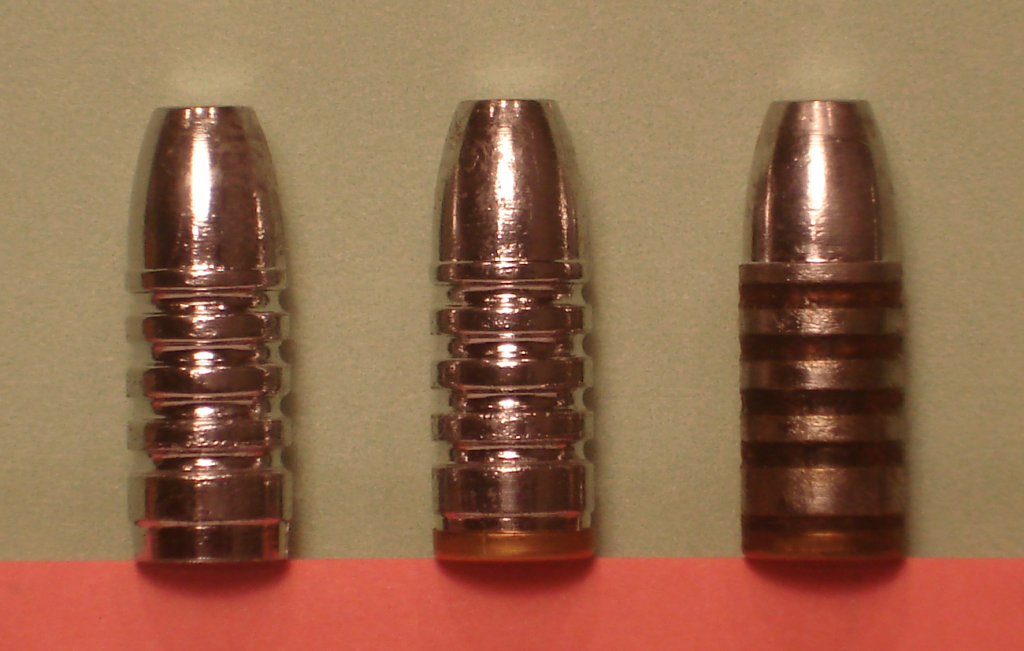
Retained weight is one of the clearest separators between bullet types that look similar on the box. A projectile that keeps most of its mass after impact carries more momentum through heavy muscle, ribs, and shoulders than one that sheds large portions of itself in the first few inches.
Bonded bullets and monolithic copper bullets address this in different ways. Bonding chemically or mechanically locks the lead core to the jacket so the two do not separate during mushrooming. Monolithic bullets skip the core-jacket relationship entirely and rely on a solid copper or alloy body with petals that fold back, and sometimes shear off, while a solid shank keeps driving. Ron Spomer’s overview notes that monolithics usually retain 90% to 100% of their original mass, which helps explain why lighter-for-caliber copper bullets often penetrate like heavier conventional designs. That is also why experienced hunters in the reference discussions kept returning to mono and bonded choices when deep penetration was a requirement.
3. The nose design that starts the whole process
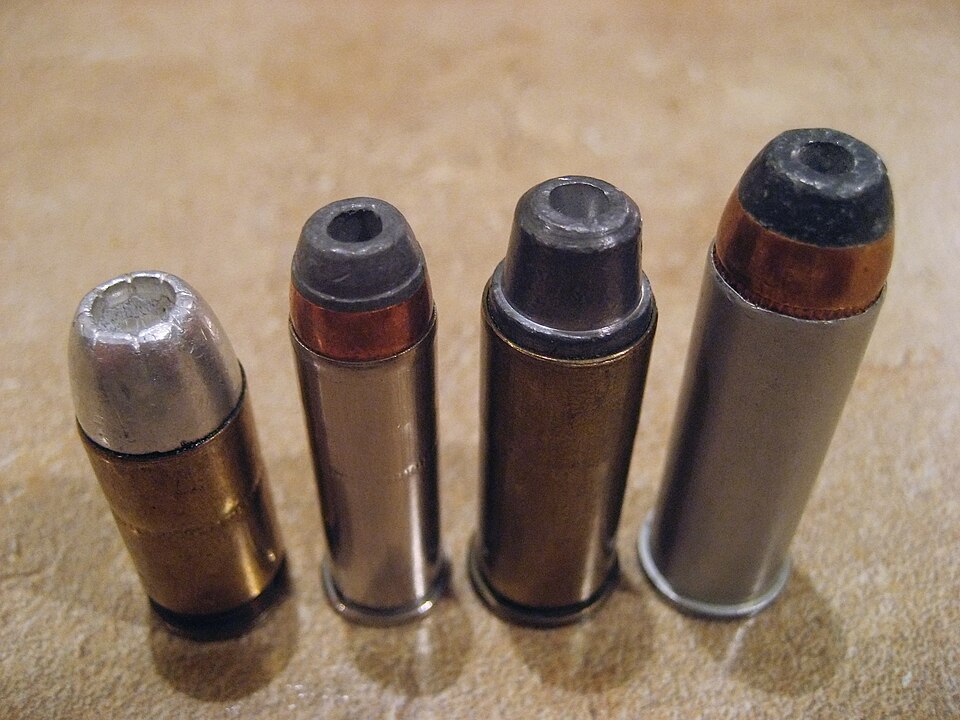
Impact performance begins at the front of the bullet. Hollow points, soft points, polymer tips, folded tips, and rounder noses all influence how quickly expansion starts and how aggressive it becomes.
According to the polymer tip is seated in the cavity of many modern hunting bullets, giving designers a way to improve aerodynamics without giving up expansion initiation. That combination matters because a bullet still has to arrive with enough speed and stability to work properly. A pointier tip can reduce drag on the way in, while the internal cavity beneath it helps trigger upset on arrival. By contrast, a softer exposed lead nose or round-nose form may trade some long-range efficiency for quicker, more reliable opening at shorter distances. It is a small feature with large consequences.
4. The velocity window where the bullet is built to work
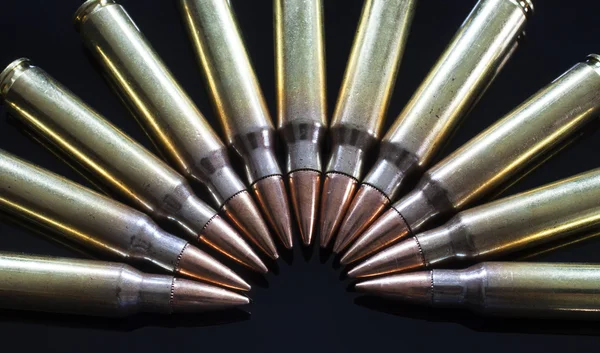
Every expanding bullet is tuned around an impact-speed range, even when that range is not clearly advertised. At very high speed, a soft bullet can open too violently. At low speed, a very tough bullet can fail to open enough. Clean terminal performance lives between those extremes.
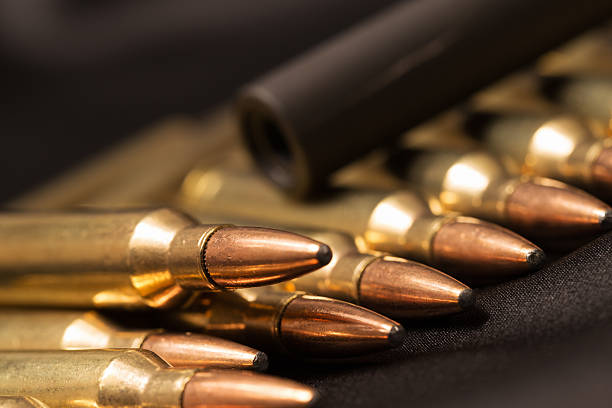
The reference material repeatedly circles this issue. In practical hunting terms, that means a bullet suited to close shots from a magnum may not be the same bullet that performs best far downrange, even within the same caliber. One discussion of velocity windows describes certain bullets as having “sweet spots on killing efficiency,” while Spomer’s controlled-expansion explanation makes the same point from another angle: the higher the impact velocity, the tougher the bullet generally needs to be. That is why long, sleek bonded bullets, standard cup-and-core bullets, and all-copper monos often produce very different field results despite similar paper ballistics. The right bullet is not just matched to the cartridge. It is matched to the speed it will have when it arrives.
5. The post-impact shape matters more than the pre-impact formula
Many shooters still lean on sectional density as a predictor of penetration, but the more useful question is what the bullet looks like after it mushrooms. Once a bullet expands, its frontal diameter increases, its weight may decrease, and its ability to keep moving is now governed by its deformed shape rather than its original dimensions.
That is the central argument behind terminal sectional density. In one comparison, three .30-caliber 150-grain bullets started with the same initial sectional density but produced different recovered shapes and different penetration depths. The article cites penetration of 17.5, 21.0, and 22.5 inches for bullets that looked equivalent only before impact. The long-range hunting discussion reaches the same conclusion from a different direction: construction, not abstract pre-impact ratios, is what usually decides penetration. A bullet made of copper, lead, or any hybrid material can share the same initial sectional density and still behave nothing alike in tissue.
That is why clean kills are engineered from the front of the bullet backward. Expansion control, retained weight, nose geometry, impact-speed tuning, and post-impact shape all work together. The field result is not determined by one statistic, but by whether the design stays balanced long enough to reach and damage the vitals efficiently. When hunters talk about a bullet that “just works,” these are usually the details doing the work.


