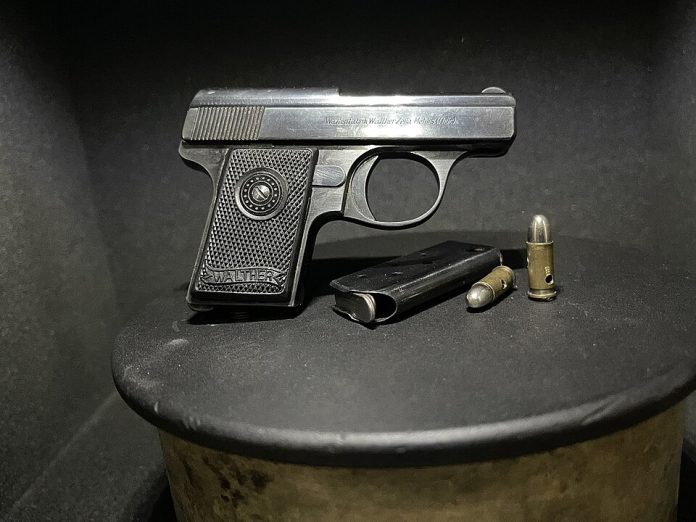
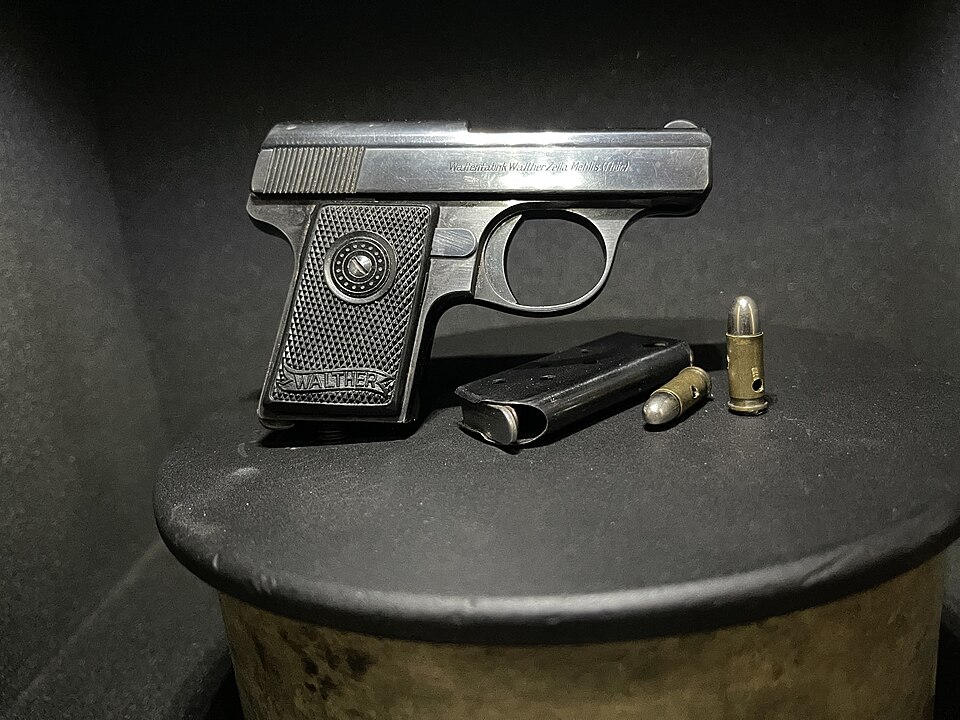
Pocket pistols create a stubborn engineering problem. The guns are built around short barrels, light slides, and low recoil expectations, but many defensive loads are designed around performance standards that were shaped by larger handguns and full-power service cartridges.
That mismatch shows up quickly in gelatin. Under heavy-clothing protocols, a surprising number of popular pocket-pistol rounds either fail to expand, lose too much penetration when they do expand, or produce results that swing wildly from one barrel length to the next.
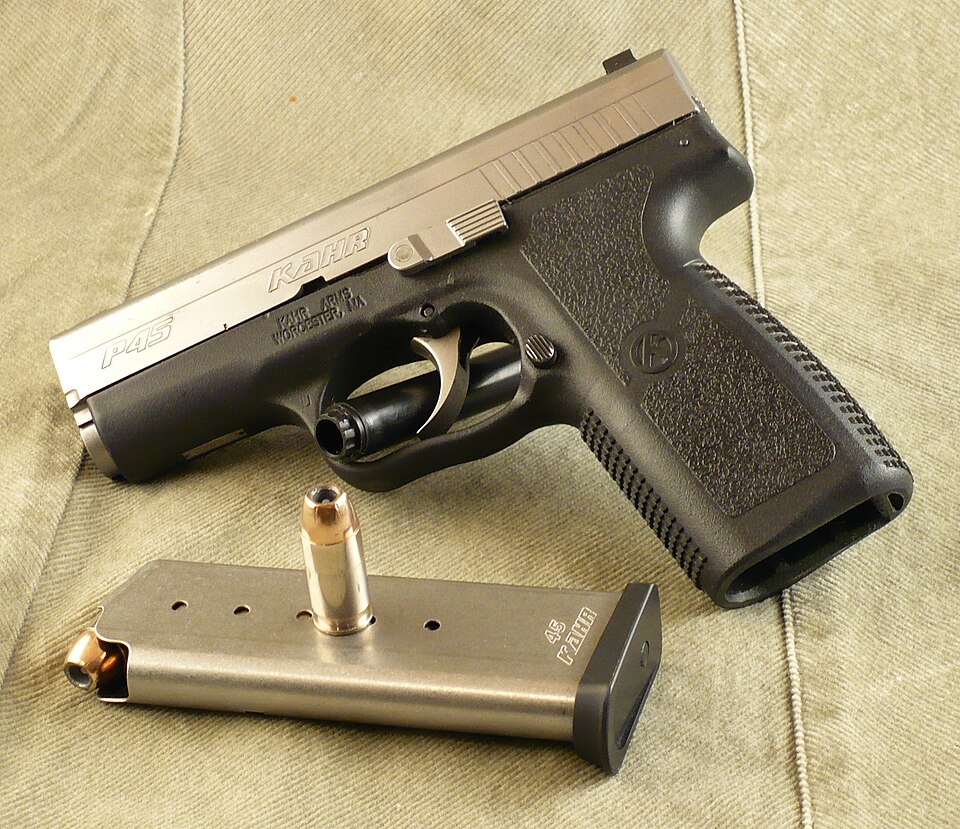
1. Short barrels strip away the velocity many bullets need
The most common failure starts before a bullet ever reaches gel. Pocket pistols simply give ammunition less barrel to work with, and the velocity loss can be large enough to change terminal behavior completely. In one .22 LR comparison, a 4.4-inch barrel yielded a velocity increase of 126 fps over a 1.9-inch snub, which translated into noticeably different gel performance.
That pattern is not unique to rimfire. Testing with .30 Super Carry also found that loads developed around 4-inch barrels improved when fired from guns that actually matched that length, while shorter carry pistols underperformed. For compact defensive ammunition, barrel length is not a minor variable. It is often the variable.

2. Heavy clothing turns hollow points into round noses
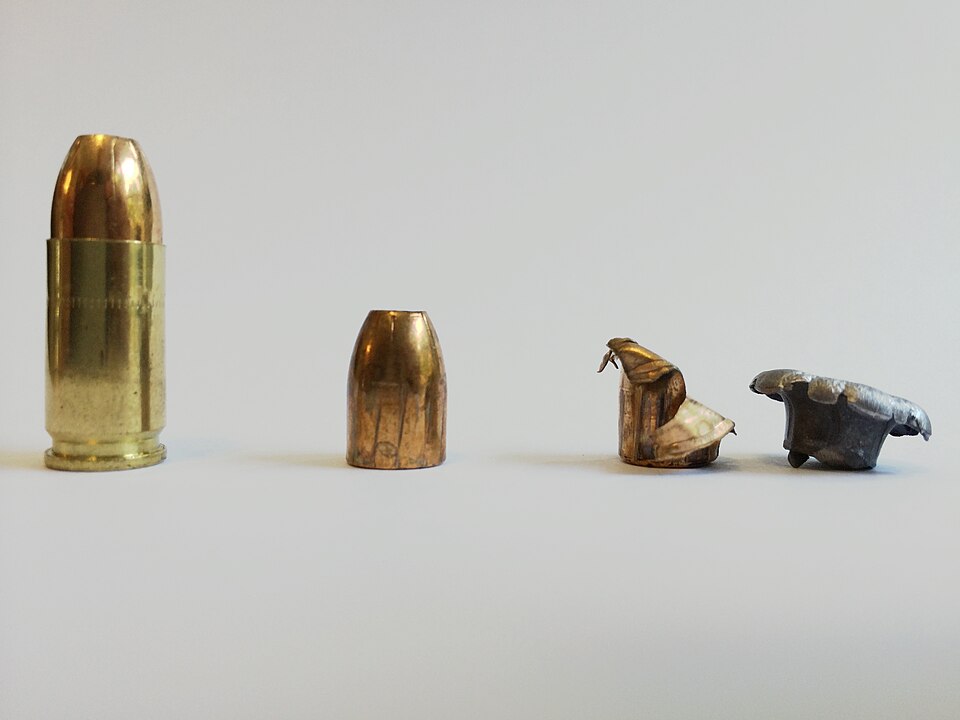
FBI-style testing uses layered fabric because clothing can plug a bullet cavity before expansion starts. Pocket calibers are especially vulnerable because they operate with less energy in reserve. When the hollow point fills with fabric, the projectile may act like ball ammunition or tumble unpredictably rather than open as designed.
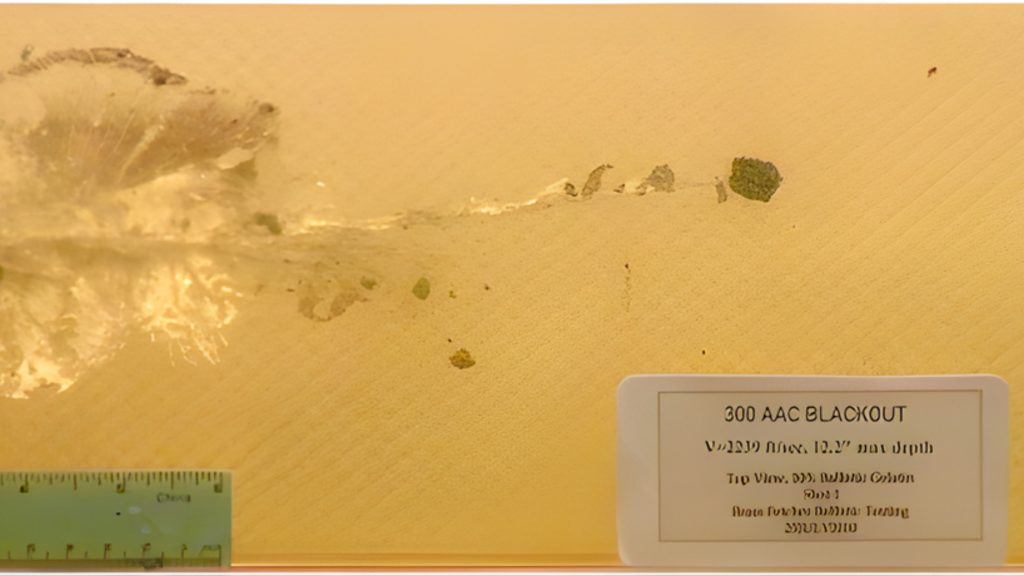
Federal’s .380 Micro HST showed exactly that behavior in denim-backed gel. In bare gel, one recovered bullet expanded to .588 inches and stopped at 11 inches, but through heavy cloth the cavities clogged and the rounds penetrated much deeper without normal expansion. The test did not show a simple success-or-failure result; it showed how quickly the barrier can rewrite the bullet’s job description.
3. Expansion and adequate penetration rarely arrive together in tiny calibers
The pocket-pistol world is full of tradeoffs, and gel testing exposes them. Loads that expand nicely often stop too soon, while loads that penetrate well often do so because they stayed narrow. That is why so many small-caliber test charts look underwhelming to readers expecting service-pistol behavior.
.22 Magnum is a strong example. Purpose-built short-barrel defensive loads from Speer and Hornady produced decent expansion in testing, but penetration suffered. Conventional hunting-oriented loads did the opposite: they did not expand, yet they penetrated more than adequately. Many popular loads are not “failing” because they are defective; they are failing because small cartridges do not provide enough margin to do both jobs well after a clothing barrier.
4. FMJ often outperforms JHP in calibers people expect to expand
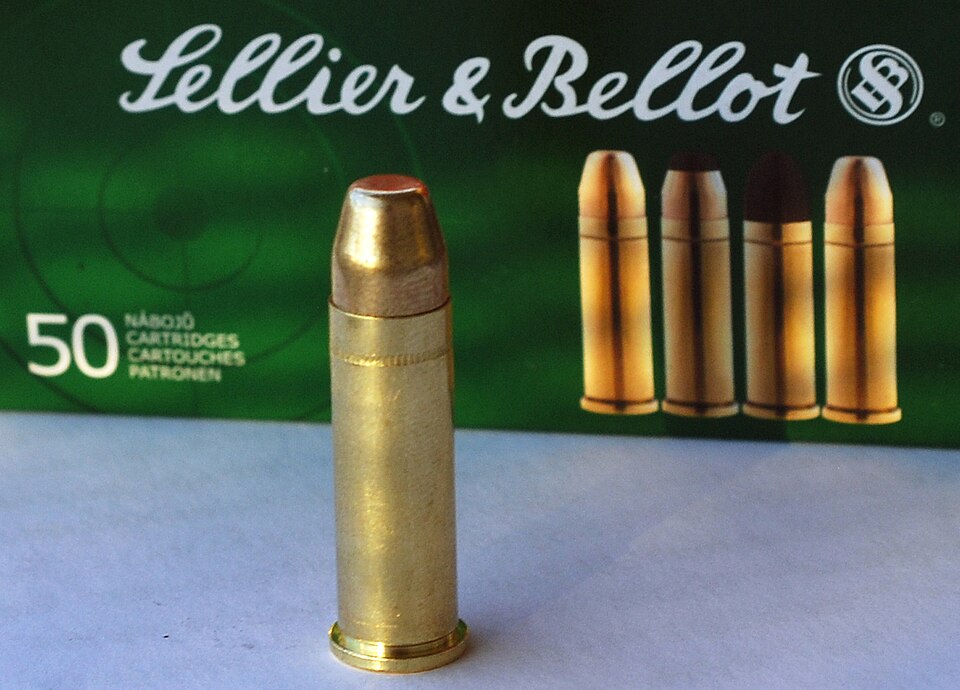
Small centerfire cartridges routinely embarrass jacketed hollow points in gelatin. That is not because hollow points are poorly made. It is because low momentum and low impact velocity leave little room for expansion without sacrificing depth.
.32 ACP made this especially clear. The Fiocchi FMJ demonstrated ideal penetration from the shortest test gun, while the JHP loads had trouble penetrating consistently, even when some of them failed to expand. In calibers this small, FMJ is often the load that actually meets the depth requirement while more sophisticated bullet designs fall short.
5. Rimfire and miniature semi-autos add reliability concerns before terminal performance even starts
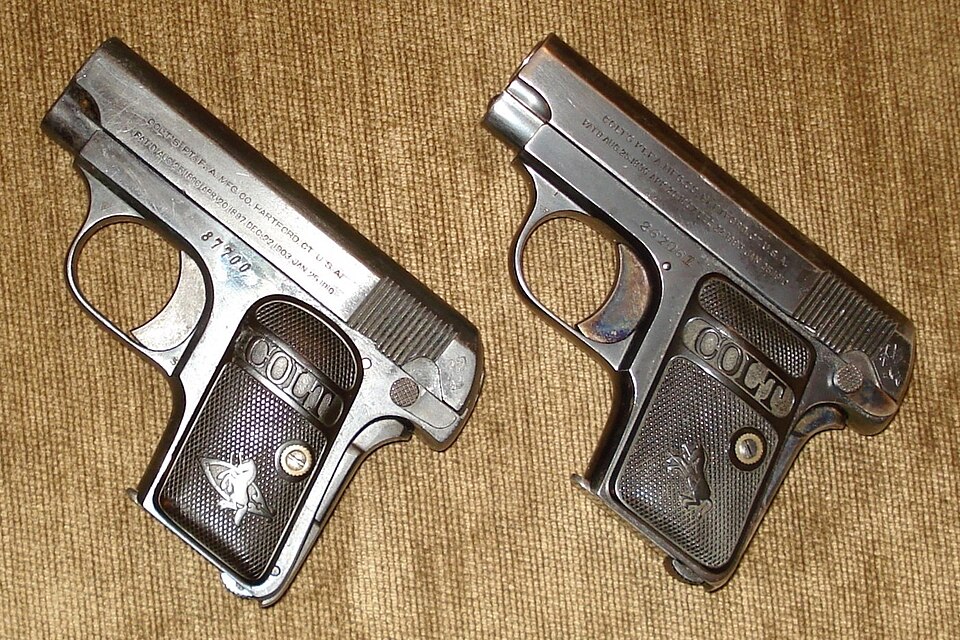
Gel blocks only record what happens after ignition, feeding, and chambering all work correctly. Pocket pistols, especially in .22 LR, carry extra mechanical baggage into the conversation. Rimfire priming is more prone to ignition failures than centerfire, and the cartridge’s rimmed shape is less friendly to magazine-fed semi-autos.
That matters because a load can look acceptable in gelatin yet still be a poor system choice in a very small pistol. Failures to fire and failures to feed are part of the real-world performance envelope, even if they do not show up in penetration charts. Gel testing answers only one part of the pocket-pistol question.

6. Synthetic gel and protocol limits can make results look more absolute than they are
Ballistic gel is useful because it provides repeatable comparisons, not because it perfectly recreates human tissue. Some testers explicitly note that a single protocol only tells part of the story. That caution matters more with pocket calibers, where tiny changes in velocity, bullet upset, or barrier effect can produce large swings in outcome.
Even testers who favor standardized methods acknowledge those constraints. One .32 H&R Magnum load produced decent penetration and modest expansion in clothed gel, but earlier informal work without the barrier showed expansion with only about 10 inches of penetration. The load did not change. The test conditions did.
7. Many “popular” loads were never optimized for the guns people actually carry
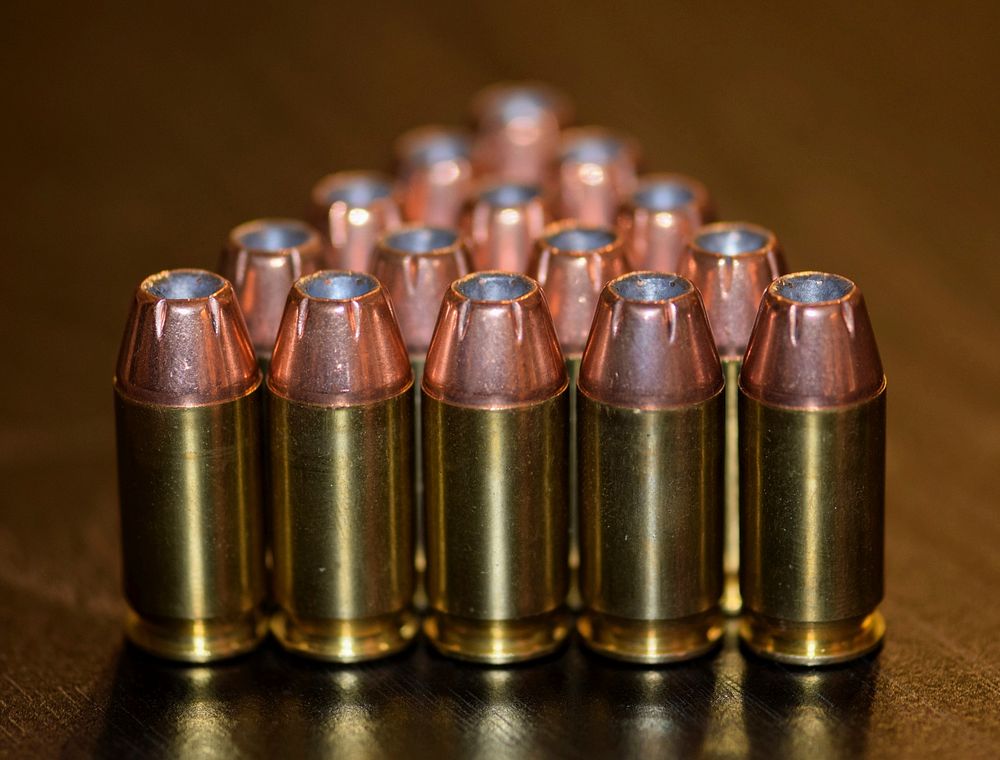
The pocket-pistol market has long relied on ammunition originally intended for larger handguns or even rifles. .22 Magnum hunting loads from rifle use, traditional .25 ACP and .32 ACP offerings, and older hollow-point designs all get stuffed into tiny carry guns and then judged by FBI standards they were never built to satisfy.
That design mismatch explains why some loads look respectable in advertisements yet mediocre in compact-gun gel data. It also explains why newer short-barrel-specific loads still struggle: the engineering problem is real, and there is only so much performance available from a tiny case, a short tube, and modest recoil limits.
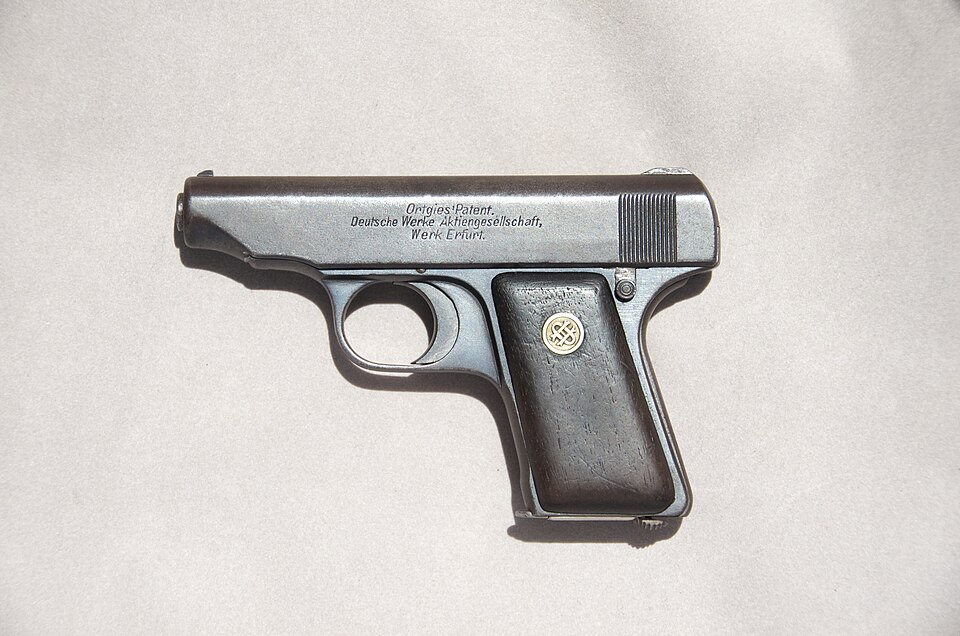
The recurring lesson from pocket-pistol gel testing is simple. Small guns compress ballistic compromises. Popular loads fail FBI-style tests because barrel length, clothing barriers, and limited cartridge energy all pile onto the same shot. The result is a pattern that repeats across .22 LR, .22 WMR, .25 ACP, .32 ACP, and .380 ACP: the smaller the platform, the harder it becomes to get reliable expansion and adequate penetration at the same time.


