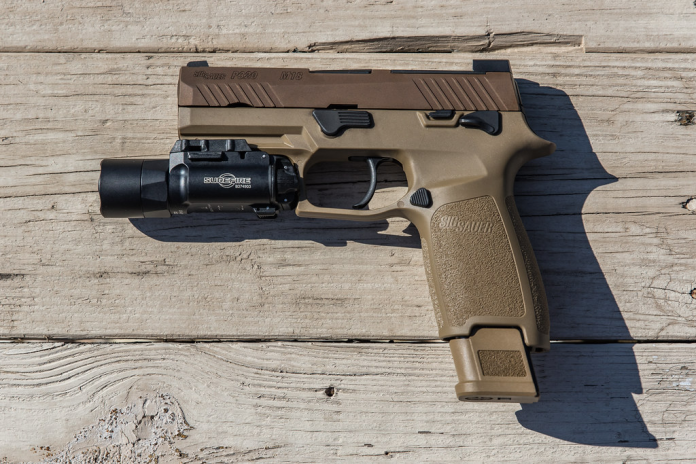
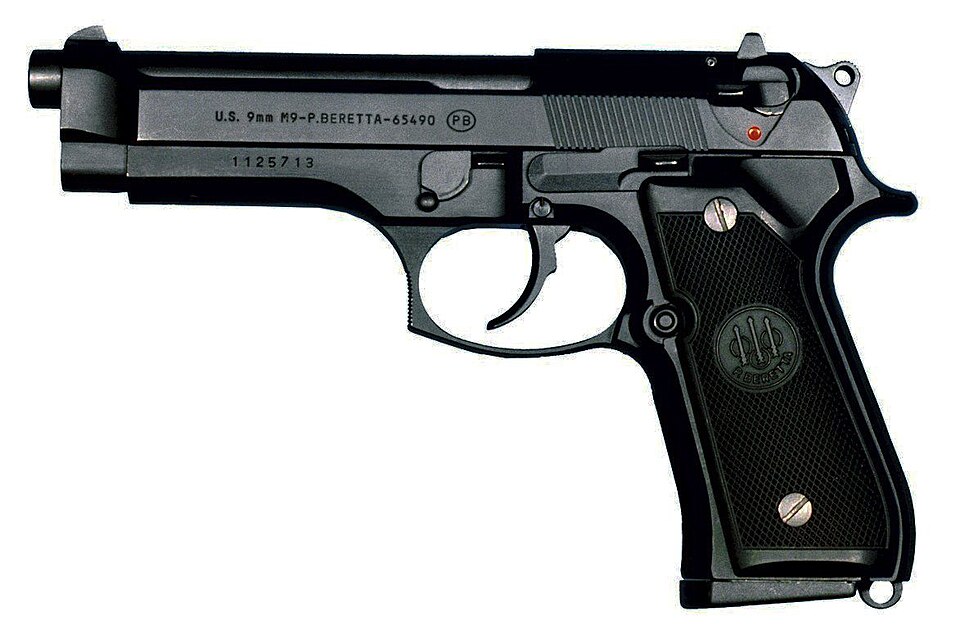
The Army’s move from the Beretta M9 to the M17 and M18 was not just a sidearm replacement. It marked a shift in how a service pistol was expected to fit the shooter, accept accessories, and stay supportable across a long service life.
That shift was built into the requirement itself. The 2015–2017 Modular Handgun System competition asked for more than accuracy and reliability; it emphasized modularity, ambidextrous controls, suppressor compatibility, accessory rails, and ergonomics for a wider range of users. Those demands shaped training routines, maintenance practices, and the Army’s approach to future upgrades.
1. The pistol stopped being a fixed object and became a configurable system
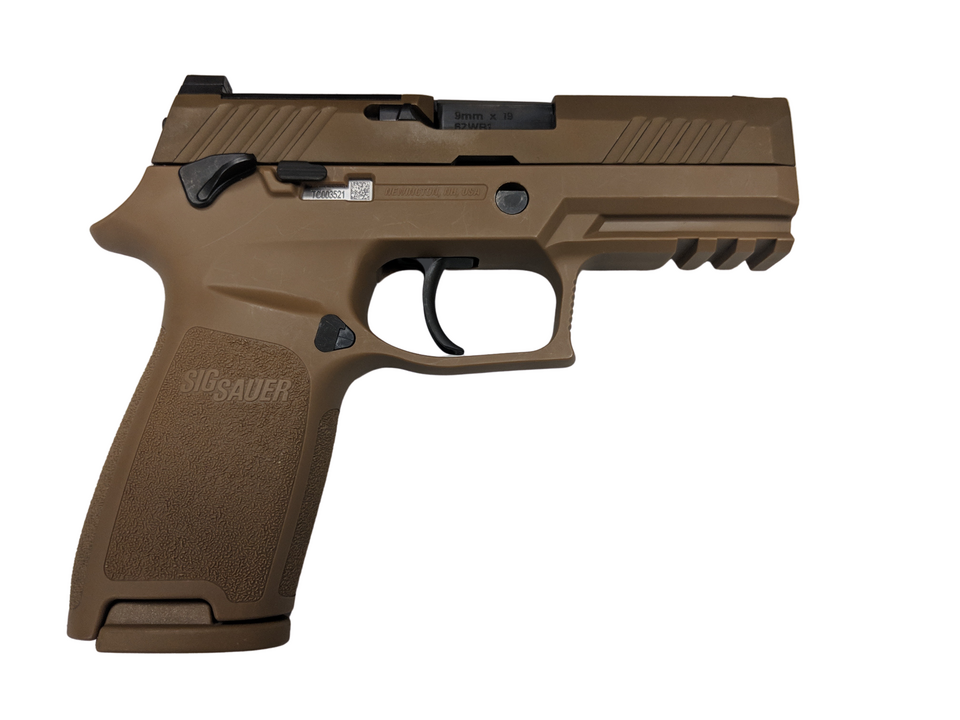
The earlier M9 fleet had reached the limits of age and wear, and the Army used the replacement effort to redefine what a standard sidearm should be. Instead of treating the handgun as a single, largely fixed piece of equipment, the new program treated it as a system that included the pistol, ammunition, holster, and ancillary components.
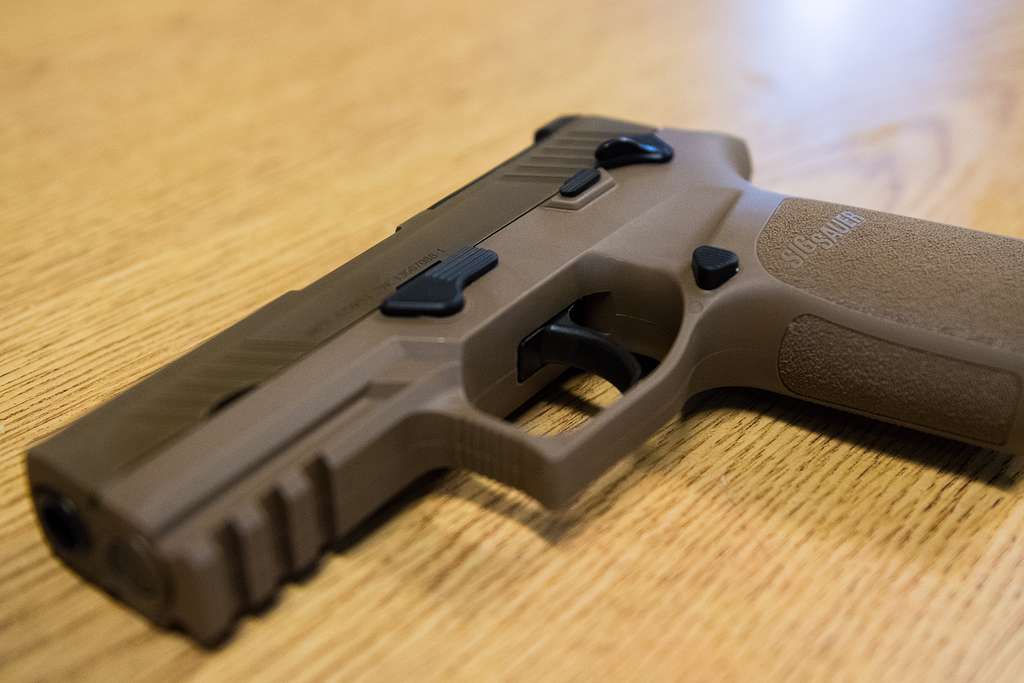
That systems view mattered. The selected platform became the full-size M17 and compact M18, both derived from the SIG P320 family. The result was a sidearm architecture intended to support different hand sizes, mission accessories, and service needs without redesigning the entire program each time a feature changed.
2. Training had to account for a broader range of shooters
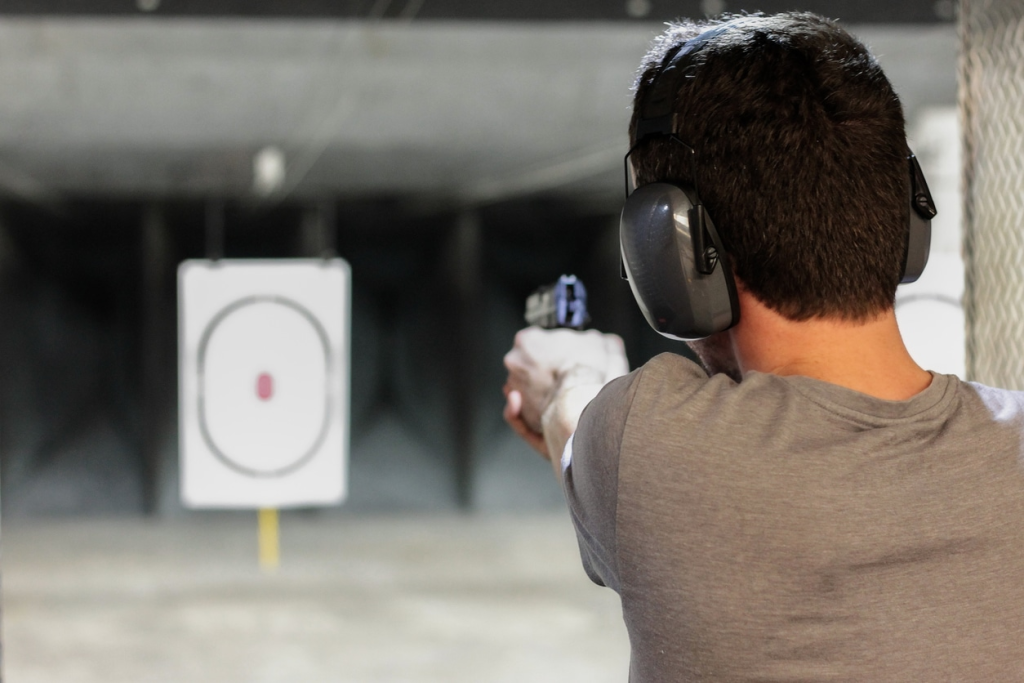
One of the most consequential requirements was ergonomic adaptability. Army documents for the program called for a handgun that could fit different hand sizes and support effective operation by a more diverse shooting population, including interest in designs that could be controlled more effectively by female shooters.
That changes training at the most basic level. Instructors no longer work around a one-size-fits-all grip as a fixed limitation; they can align the weapon more closely to the shooter. Better fit affects trigger reach, recoil control, and consistency during repeated qualification and sustainment practice. A sidearm that can be adjusted to the individual reduces the amount of training time spent compensating for the gun itself.
3. Accessory use became part of the baseline, not an afterthought
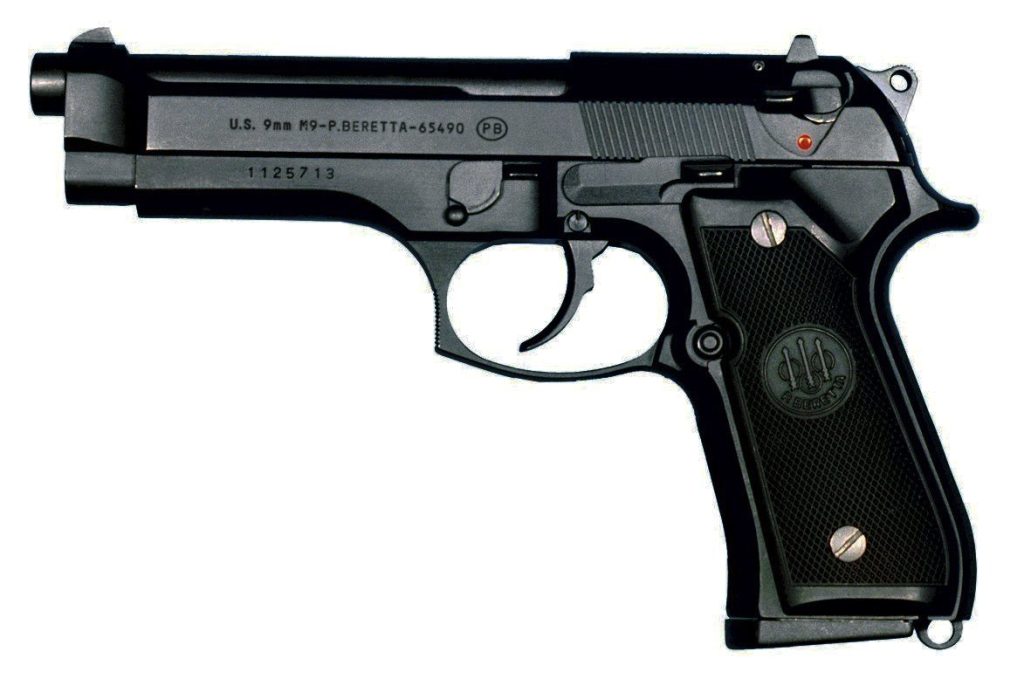
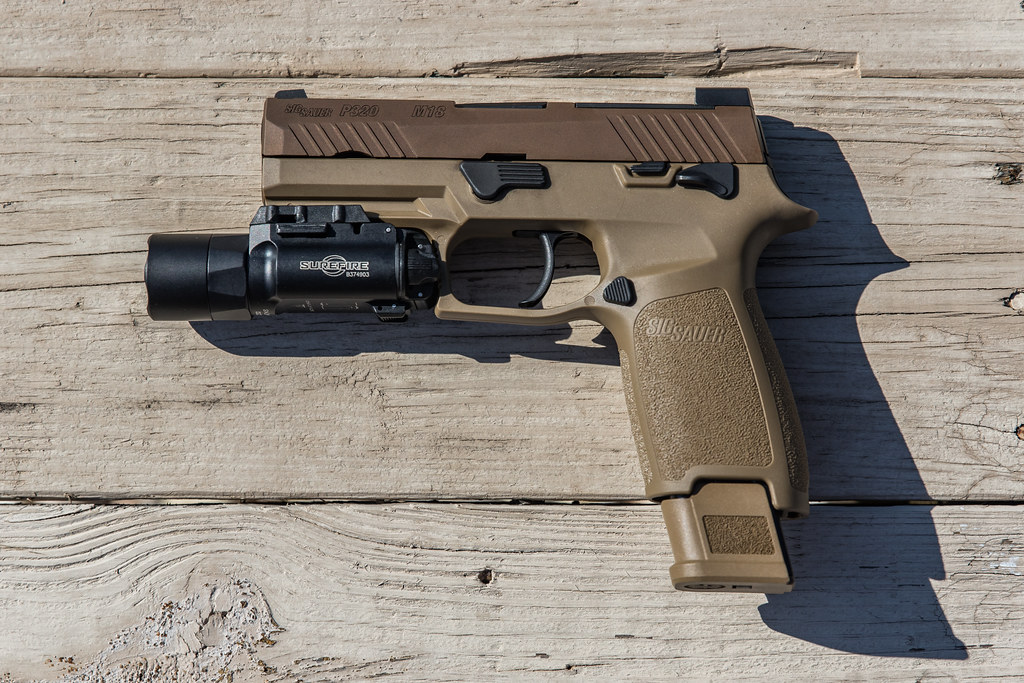
The MHS requirement explicitly called for mounting targeting enablers using rails and for operation with a suppressor in place. That represented a practical break from complaints associated with the older M9, which lacked an accessory rail in its standard form and was often criticized for limited adaptability.
Once lights, lasers, and suppressor-ready configurations are treated as expected features, training has to expand with them. The pistol is no longer taught only as an iron-sight sidearm carried in a standard holster configuration. It becomes a platform that must be handled, maintained, and employed with attached equipment, which affects draw stroke, carry setup, low-light drills, and armorer support.
4. Maintenance moved closer to component-level replacement
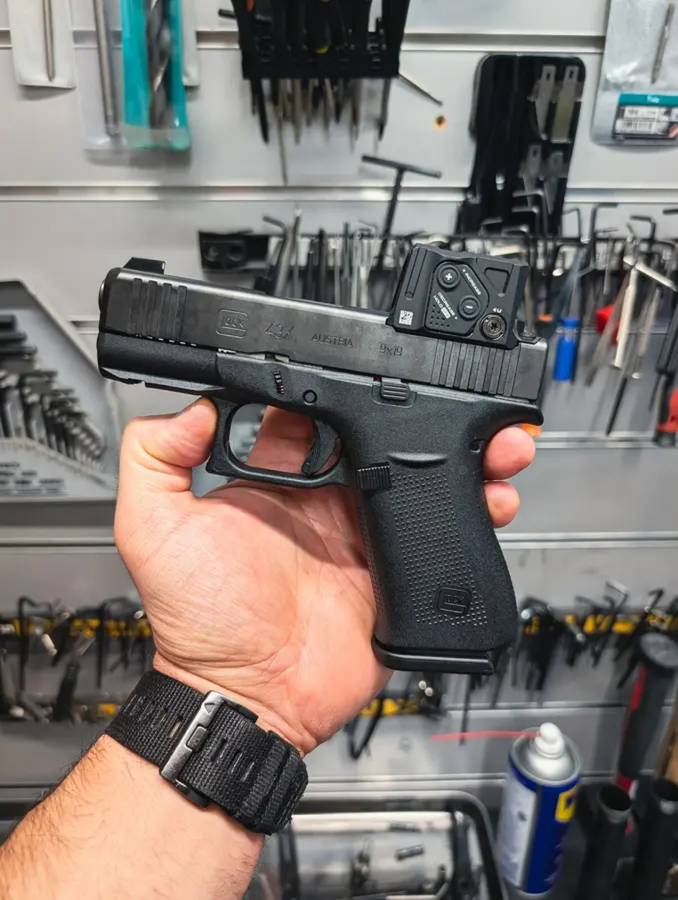
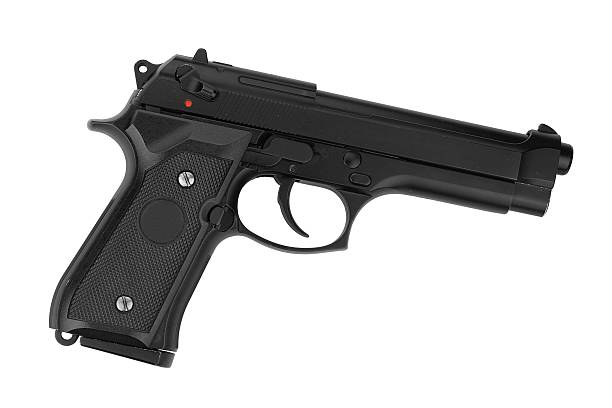
One reason the M9 had to be replaced was simple lifecycle reality: parts can be changed, but frames eventually wear out. The modular handgun concept addressed that problem from a different angle by emphasizing replaceable components and easier reconfiguration.
In the broader modular handgun model, the removable chassis or fire control unit becomes the central element, rather than treating the grip frame as the permanent heart of the pistol. That architecture supports faster repair cycles and cleaner parts replacement. For an organization managing a large fleet, it simplifies the path from diagnosing a fault to restoring serviceability. It also reduces the pressure to keep aging guns in the field solely because replacing the whole weapon is more disruptive than replacing a module.
5. Upgrades became easier to absorb without replacing the fleet
A modular sidearm is valuable because it creates room for incremental change. New grips, different slide lengths, alternate sighting arrangements, or suppressor capable setups can be integrated into the platform without discarding the core system.
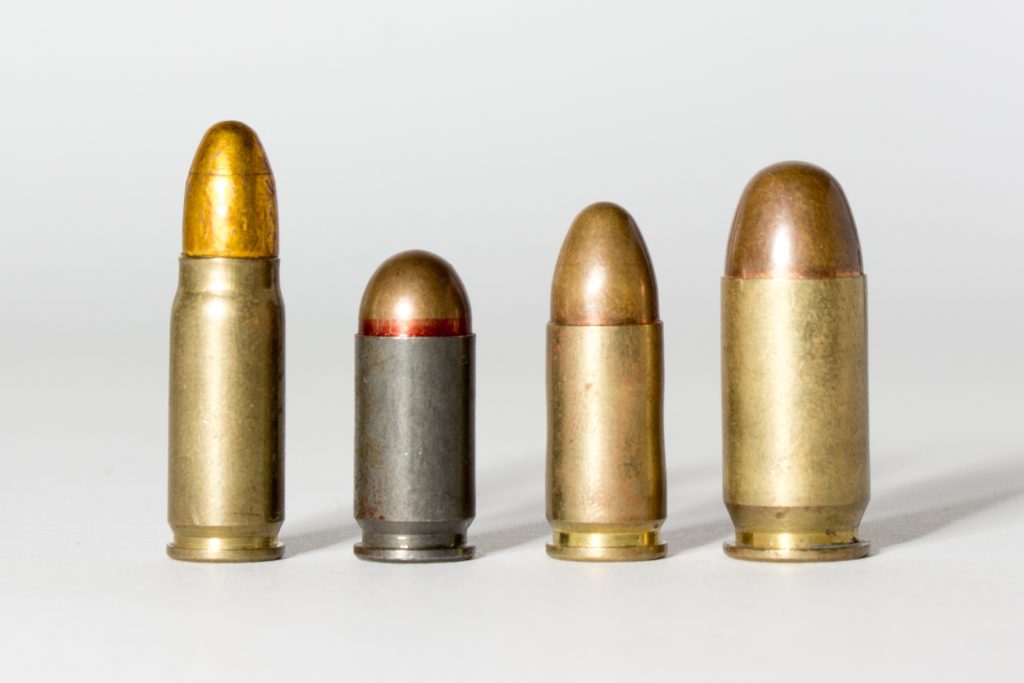
That matters for long-term force management. The Army selected a platform that could remain in service while adapting to new requirements, including alternate calibers supported by the design, even though 9mm was chosen for adoption. A weapon built for upgrades avoids the old pattern in which modernization waits for a full replacement cycle.
6. The sidearm’s support structure expanded beyond marksmanship
That does not define Army training by itself, but it shows the kind of knowledge the platform requires: configuration management, inspection, component replacement, and understanding how a modular pistol behaves across setups. In practice, the handgun becomes a weapon that demands both shooter proficiency and technical stewardship.
7. Reliability lessons became part of the upgrade story
The MHS program did not end when the winner was announced. Operational testing later identified deficiencies, including an early drop-fire issue that was addressed by replacing trigger components with lighter parts. Testing also noted performance problems with ball ammunition, including double ejections and stoppages.
This is where modularity has institutional value. A platform designed around replaceable components can absorb corrective changes more readily than a legacy fleet built around older assumptions. The lesson is not that modularity eliminates problems; it is that problems can be addressed through targeted updates instead of forcing a complete reset.
8. The Army normalized the idea that a service pistol should evolve in service
The MHS competition asked industry for a commercial off-the-shelf handgun that could meet demanding thresholds for reliability, durability, accuracy, and adaptability. It also reflected a larger cultural change inside military small arms procurement: the standard sidearm was no longer expected to remain static for decades with only minor alterations.
That expectation has implications well beyond one contract. Once modularity becomes a formal requirement, training organizations, armorers, and acquisition planners all begin working from the same premise: the pistol in service today is the foundation for tomorrow’s adjustments, not the final form.
The Army’s modular handgun program changed more than the name on the holster. It established a sidearm model built around fit, replaceable components, and upgrade capacity, turning the handgun from a durable object into an adaptable subsystem inside a larger support and training architecture.
That is the deeper legacy of the M17 and M18. The real change was not only what soldiers carried, but how the Army expected a service pistol to be sustained, taught, and improved over time.


