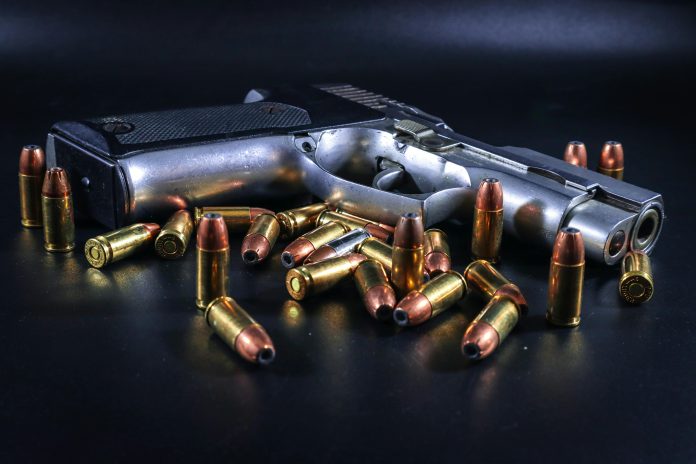
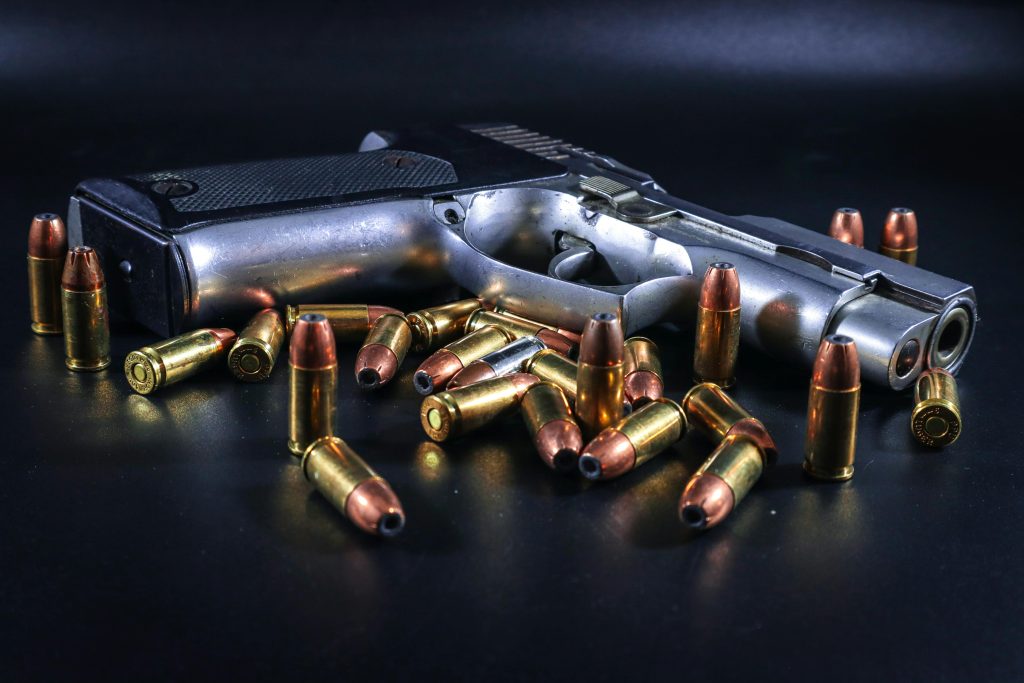
The 9mm did not become America’s default handgun cartridge because it dominated every era from the start. It became dominant because firearm design, ammunition engineering, training doctrine, and institutional testing gradually lined up in its favor.
That path was long. The cartridge began as a European service round, spent decades competing with revolvers and larger American pistol calibers, then returned to the center after modern bullet technology and large-scale testing changed how agencies judged handgun performance.
1. It started with a design that balanced power, size, and controllability
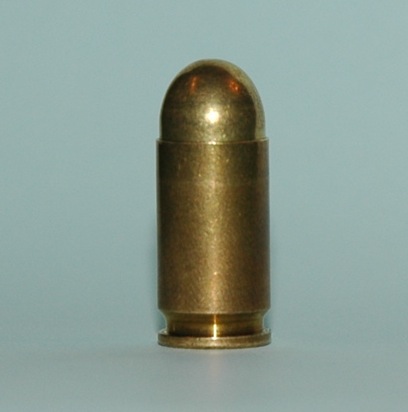
The 9mm Luger emerged in the early 1900s as a cartridge built for autoloading pistols rather than revolvers. Georg Luger enlarged the earlier .30 Luger concept into what became the 9mm Luger cartridge, giving military users a round that sat between the light small-bore cartridges of the day and the slower, larger revolver rounds still in service. That middle ground mattered. From the beginning, the 9mm offered a practical mix of usable recoil, compact dimensions, and serviceable ballistic performance. It was not the biggest handgun cartridge, and that became one of its strengths. A cartridge that fits efficiently in a pistol magazine and cycles well in semi-automatic handguns has long-term advantages that go far beyond raw diameter.
2. Global military use made it impossible to ignore
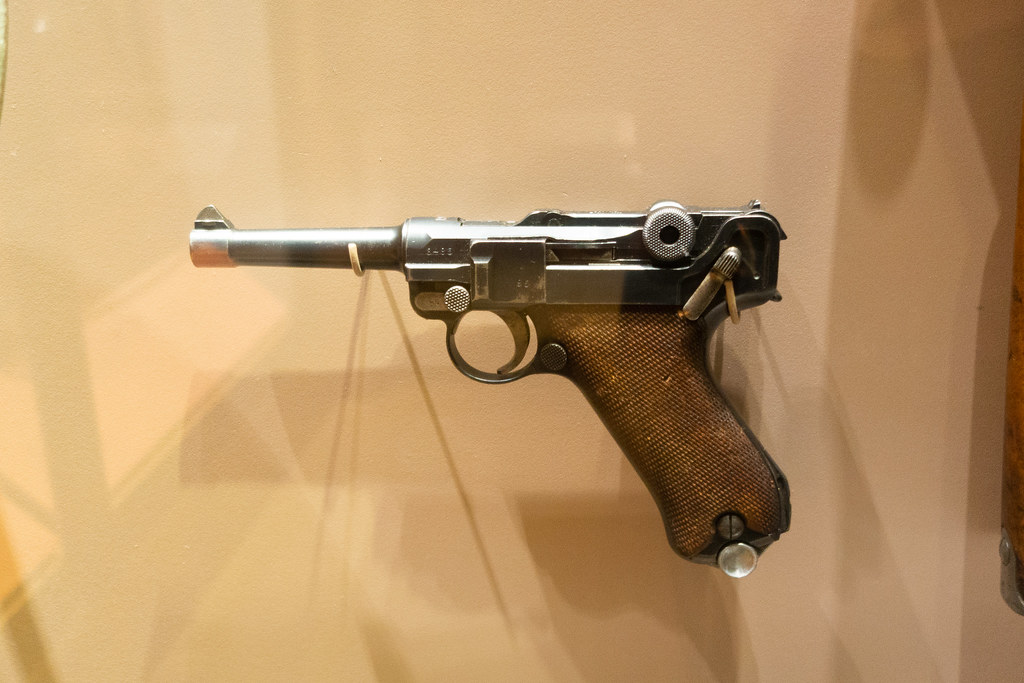
American shooters did not invent the 9mm’s popularity. Europe and much of the rest of the world helped do that first. German service use in the Luger and later in 9mm submachine guns gave the cartridge broad exposure, and the spread accelerated through two world wars and the postwar rebuilding of armies. After the war, NATO standardization locked in much of that momentum. The adoption of 9mm as NATO’s standard pistol cartridge in 1949 turned it into a logistics cartridge as much as a weapons cartridge. Standardization meant scale, and scale meant ammunition production, handgun development, and decades of familiarity across allied forces. Even where America remained committed to .45 ACP for military sidearms, the 9mm was already becoming the international default.
3. High-capacity pistols changed what shooters expected from a sidearm
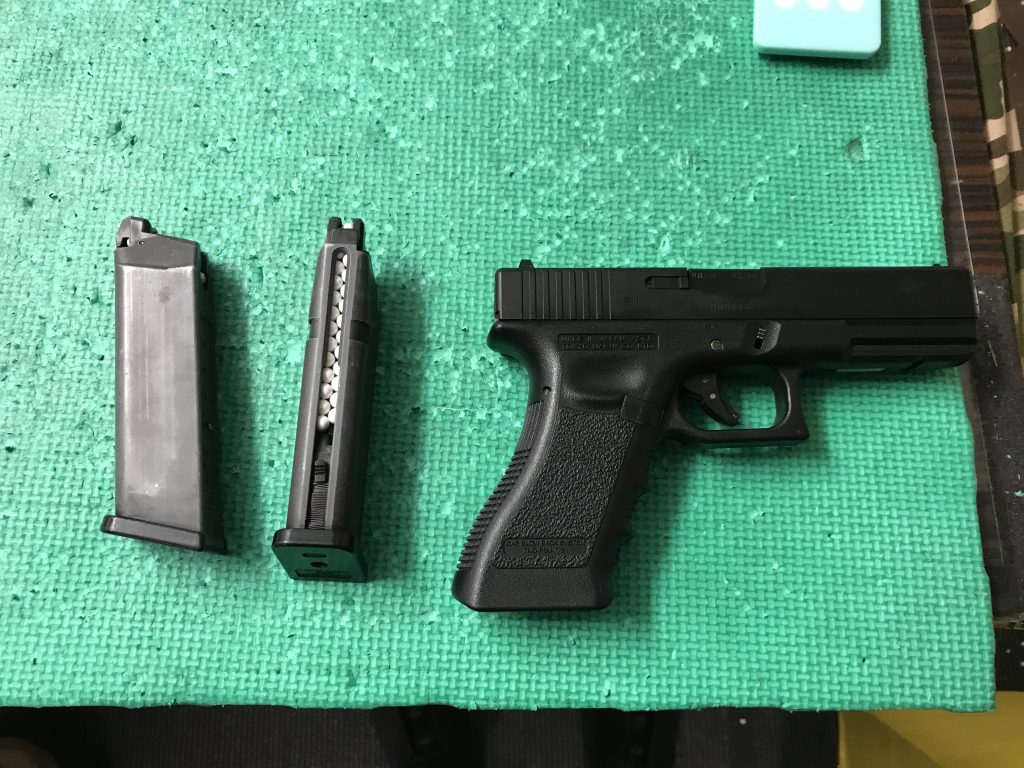
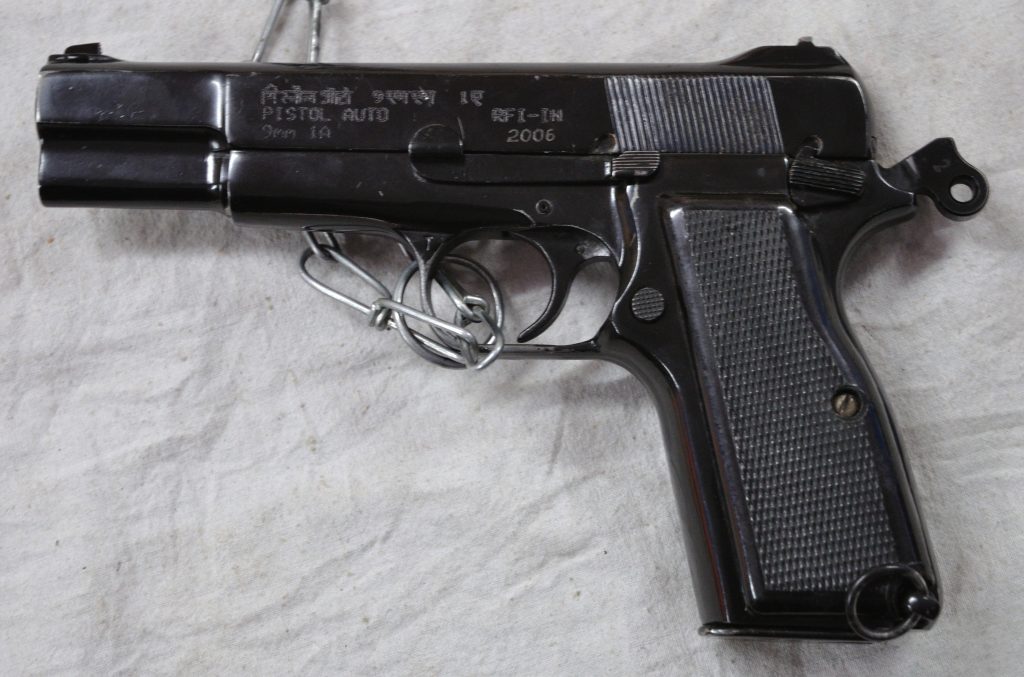
The rise of the so-called Wonder Nine did more than introduce new handguns. It changed the definition of what a modern duty pistol should be. Pistols like the Browning Hi Power, CZ 75, Beretta 92, Glock 17, and SIG P226 gave users double-stack magazine capacity in a cartridge that remained manageable in full-size and compact guns. That was a major engineering advantage. A larger cartridge can reduce magazine capacity and increase recoil, while a smaller one may sacrifice effectiveness. The 9mm fit the sweet spot, which is why it paired so naturally with the service pistol boom from the 1970s through the 1980s.
4. American law enforcement needed semi-autos more than it needed bigger calibers
For much of the 20th century, American law enforcement stayed loyal to revolvers. That began to change as agencies faced opponents armed with rifles and high-capacity pistols, and as officers increasingly recognized the advantages of faster reloads and larger onboard ammunition reserves. The shift was not only about firepower. It was about what officers could realistically manage under stress. According to the FBI ballistic perspective, revolvers were finished as duty weapons because capacity and reload speed mattered in traumatic, fast-moving encounters. Once agencies embraced semi-autos, the 9mm became an obvious candidate because it offered strong capacity without excessive recoil or oversized grip dimensions.
5. The 1986 FBI disaster reshaped how handgun ammunition was judged
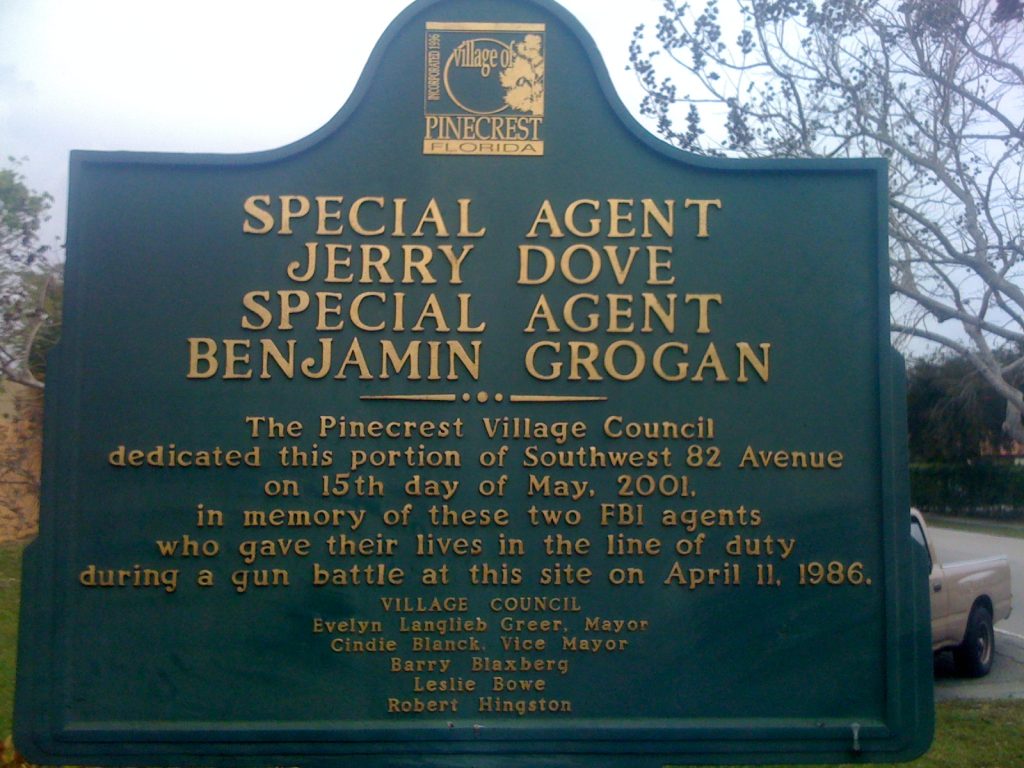
One event changed American handgun thinking more than any advertisement or product launch ever could: the 1986 Miami shootout. The FBI concluded that its ammunition choice had failed to penetrate deeply enough after intermediate barriers, even though the deeper lesson was not that 9mm as a caliber was inherently inadequate. That distinction became crucial later. As the former FBI ballistic official quoted in the reference material put it, “the 9mm didn’t fail. The bullet the FBI chose failed.” In the years that followed, the bureau built formal test protocols around penetration, barrier performance, and consistency. Those standards pushed the entire ammunition industry toward more rigorous handgun bullet design.
6. The 10mm and .40 S&W proved that power on paper is not the whole system
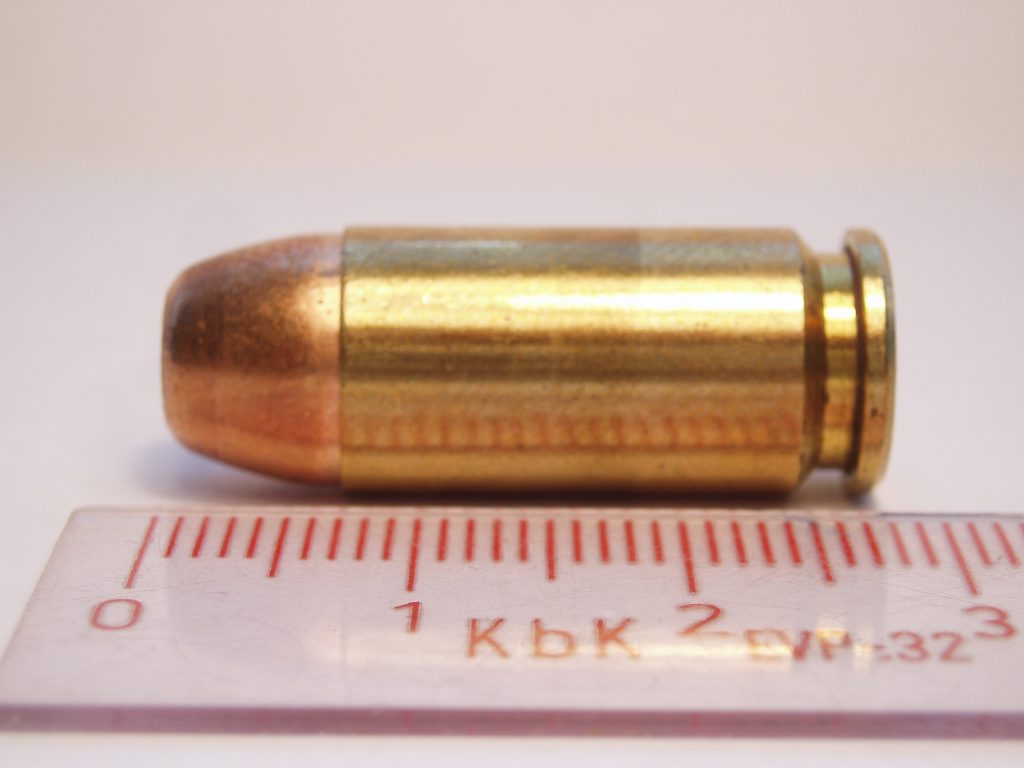
After Miami, the FBI explored 10mm Auto and later adopted .40 S&W for broad service use. Both delivered the kind of ballistic performance agencies wanted at the time, but they also exposed the penalties that come with greater recoil impulse across a large and diverse shooter population. This was where fleet performance mattered more than individual preference. The FBI found functional issues with 10mm pistols and later recoil-related problems in more compact .40-caliber platforms. A service cartridge has to work not just in one expertly tuned handgun or for one highly skilled shooter, but across thousands of pistols and thousands of hands. That is where 9mm began regaining ground.
7. Bullet technology finally caught up with the cartridge
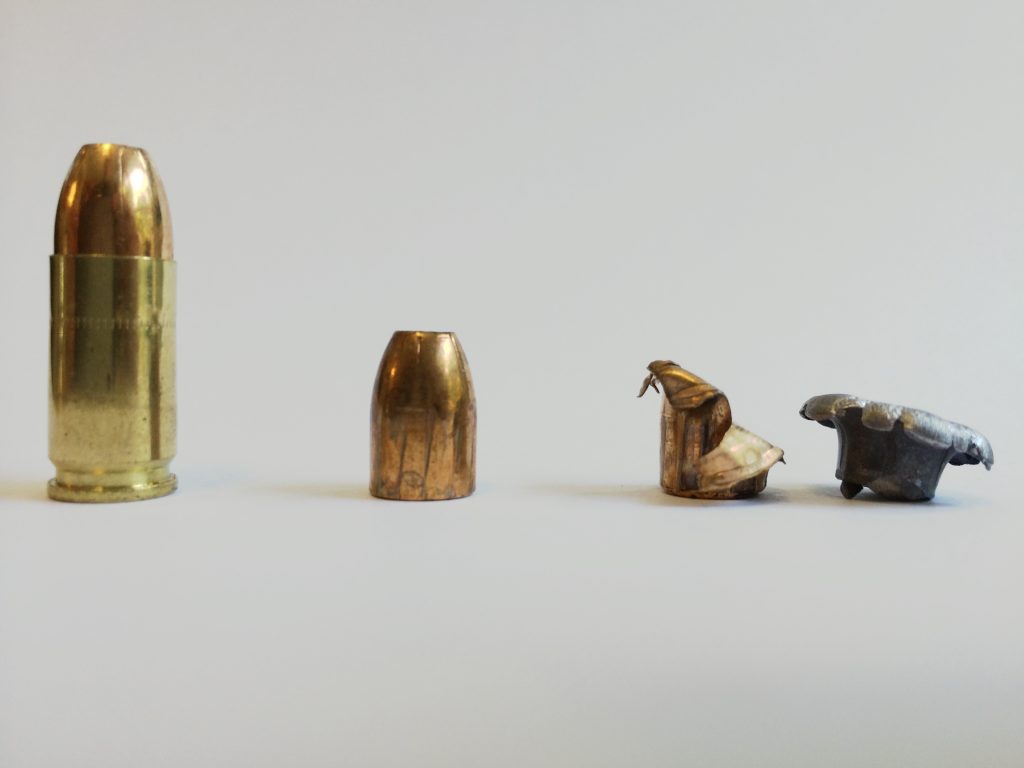
The modern 9mm benefited from advances in jacket design, bonding methods, and velocity management. By the late 2000s, FBI testing was showing that modern 9mm duty loads were performing much closer to .40 S&W than older assumptions allowed. One explanation from the ammunition side was especially direct. Hornady’s Dave Emery told the FBI’s Scott that 9mm improved because “you allow us velocity.” That velocity window gave engineers room to build projectiles that held together better, passed through barriers more consistently, and still penetrated to the required depth. The result was a modern duty 9mm that no longer behaved like the underperforming loads that had hurt the cartridge’s reputation decades earlier.
8. Large-scale testing showed most shooters performed better with it
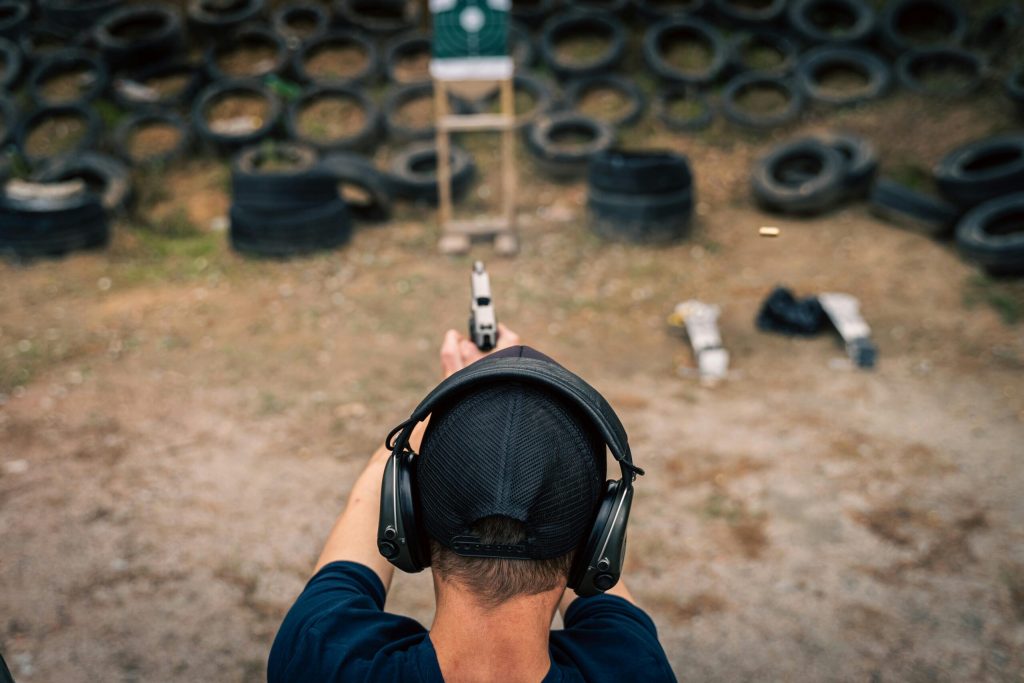
This was the practical turning point. In FBI comparisons, six out of ten shooters were faster and significantly more accurate with 9mm than with .40 S&W. That matters far more in service use than caliber mythology. Handguns are difficult to shoot well under pressure, and gains in controllability are not minor. Less recoil supports faster follow-up shots, better qualification performance, and more consistent results across experienced shooters, occasional shooters, and officers with smaller hands. The cartridge’s lower operating burden on both people and pistols became one of its strongest arguments.
9. The concealed-carry era made 9mm the civilian default too
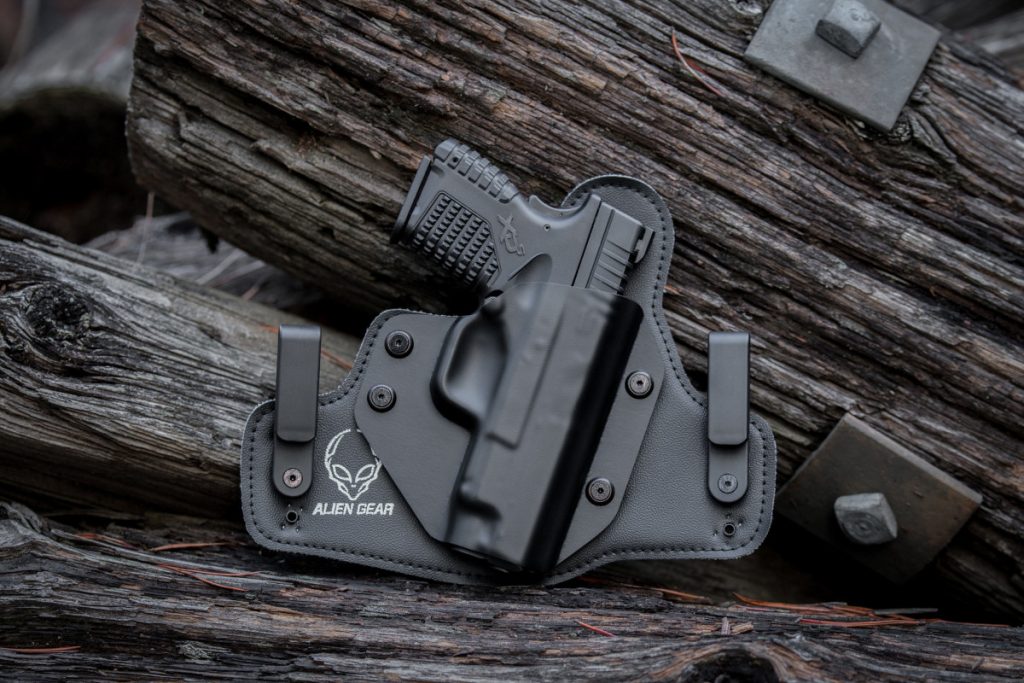
America’s carry market helped finish what institutions started. As shall-issue carry laws expanded and compact semi-automatic pistols became more common, the 9mm fit the needs of everyday carry better than larger service cartridges. It could be chambered in thinner, lighter handguns while still offering practical magazine capacity and controllable recoil. That overlap between police, military, and civilian demand reinforced the cartridge’s position.
Practice ammunition remained widely available because of its global footprint, while defensive loads improved enough to make the 9mm a credible all-purpose answer for duty use, home defense, and concealed carry. The 9mm became America’s default handgun cartridge because it solved more problems than its rivals. It worked in service pistols, compact carry guns, and training programs at national scale. By the time the FBI transitioned back to 9mm in 2015-2016, the broader conclusion was already clear. The cartridge had the capacity, controllability, reliability, and modern projectile performance to become the standard that earlier generations had only partially anticipated.


