The modern 9mm pistol did not arrive through a single breakthrough. Its current form was assembled piece by piece, with each design choice solving a practical problem in weight, capacity, durability, handling, or manufacturing.
Some of those changes were obvious at launch. Others became important only after years of hard use, agency adoption, and consumer familiarity. Together, they reshaped what shooters now treat as the default pistol format.
1. Polymer frames changed what “service size” could feel like
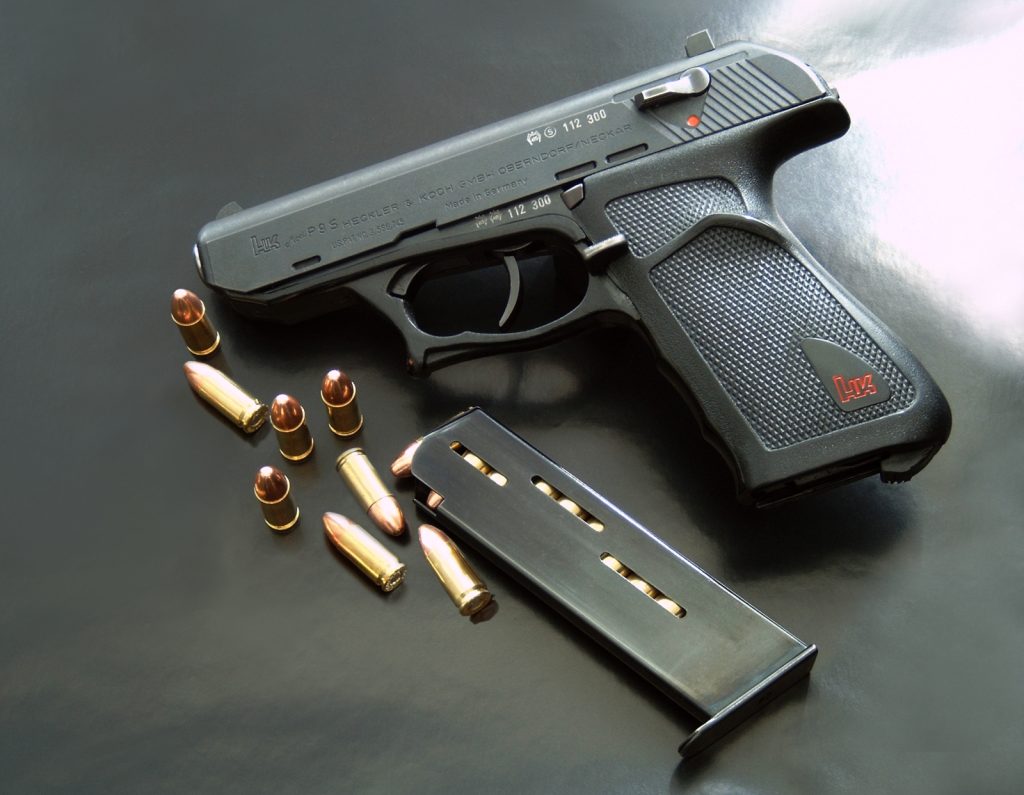
The switch from all-metal construction to polymer frames altered both carry comfort and manufacturing logic. A frame made by injection molding could cut weight while resisting corrosion, and it also reduced the amount of machining needed compared with steel or alloy designs. That combination helped polymer move from novelty to industry standard. The idea was not purely a Glock-era invention. Heckler & Koch’s VP70 in 1970 established that a production handgun could use a polymer frame in a serious 9mm package. Later designs made the concept more refined, but the template had already been set: lighter frame, simpler production, and a pistol that could tolerate rough conditions without the maintenance burden associated with traditional finishes.
2. Double-stack magazines redefined expectations for capacity
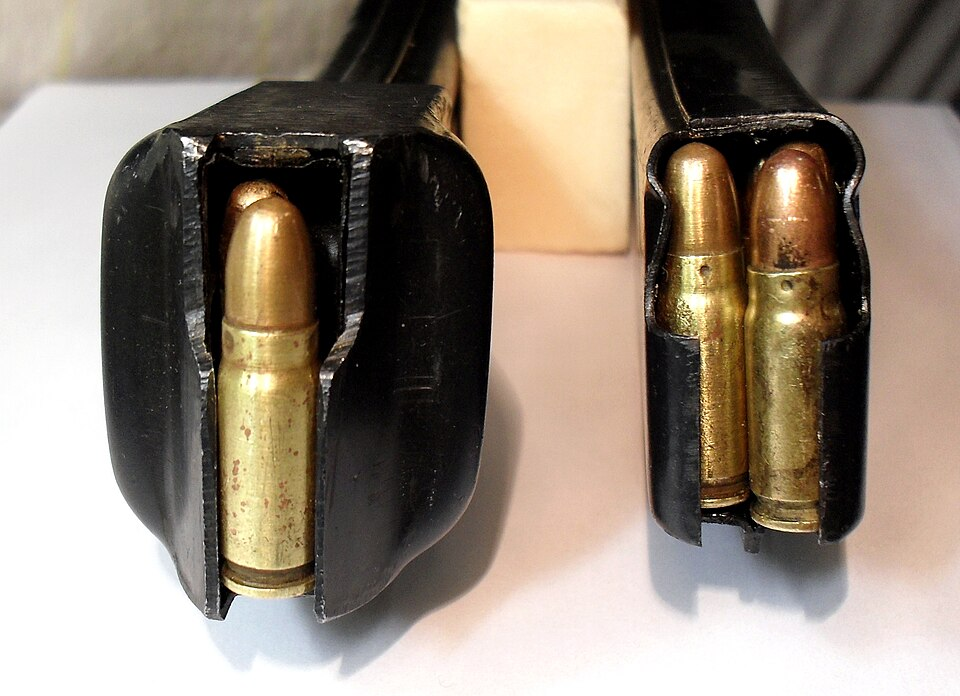
Capacity used to be a tradeoff accepted as normal. Single-stack pistols and revolvers kept profiles trim, but they also limited how many rounds were immediately available. The widespread move to the double-stack magazine changed that baseline and made higher onboard ammunition part of the modern 9mm identity. That shift mattered because it did not just add rounds; it forced a redesign of the grip, frame width, and feeding geometry. According to one historical overview, the move from single-stack to double-stack magazines increased capacity without requiring a proportionate increase in bulk. Once that became workable in duty pistols, the market stopped treating 15 to 18 rounds as unusual.
3. Striker-fired operation simplified the manual of arms
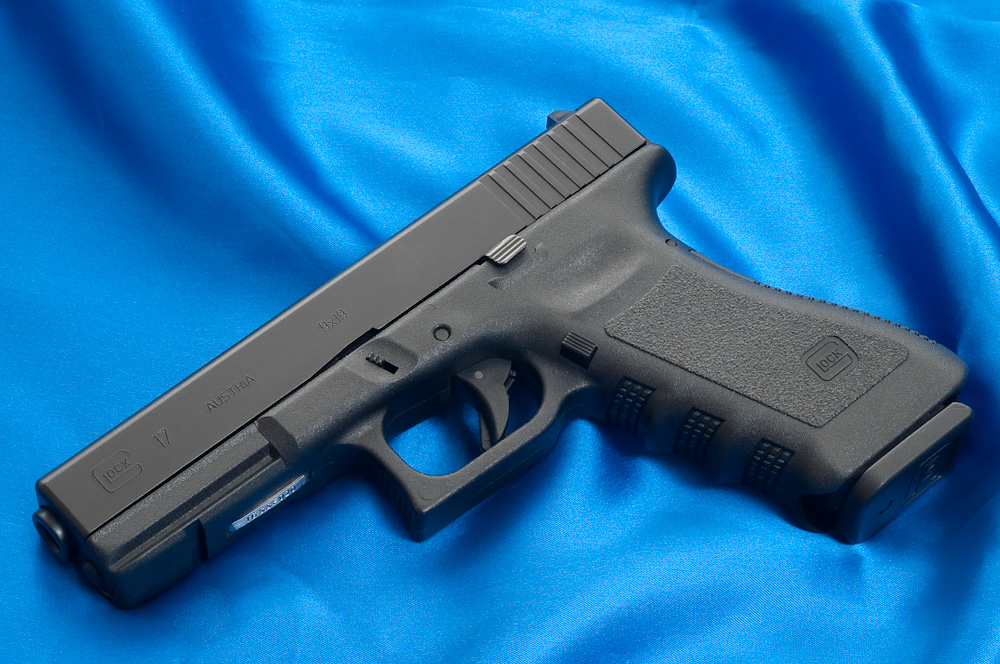
The modern 9mm pistol increasingly favored a consistent trigger press over the mix of double-action and single-action systems that had defined many earlier service pistols. Striker-fired designs reduced external controls, removed the exposed hammer, and simplified training for large groups of users. This was not simply about fewer parts on the outside. It was about repeatability. A pistol with the same trigger pull from the first shot onward offered a more standardized user experience, especially in institutional settings where consistency had direct training value. The Glock 17 helped normalize that formula in the 1980s, but the broader impact was industry-wide: once striker-fired pistols proved durable and easy to deploy at scale, they became the reference point for new 9mm designs.
4. Molded grip geometry turned the frame into a fitting surface
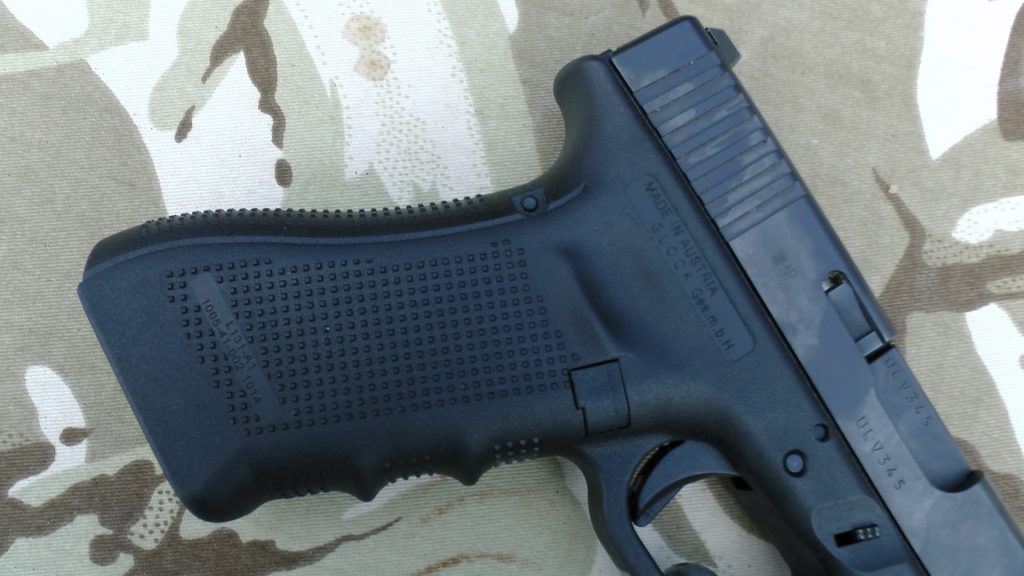
Older pistol frames could certainly be shaped well, but polymer made ergonomic experimentation easier and cheaper. Manufacturers gained freedom to sculpt finger relief, undercuts, beavertails, texturing, and interchangeable backstraps without the same manufacturing penalties that came with metal. That mattered because the grip is where mechanical design meets human variation. A 9mm pistol might have excellent reliability and capacity, but if the reach to the trigger or the grip angle works poorly for a large share of users, adoption suffers. Polymer frames also proved easier to modify, texture, or contour after production, which expanded the idea that a duty pistol could be adapted to the hand rather than forcing the hand to adapt entirely to the pistol.
5. Integrated rails acknowledged the pistol as a platform
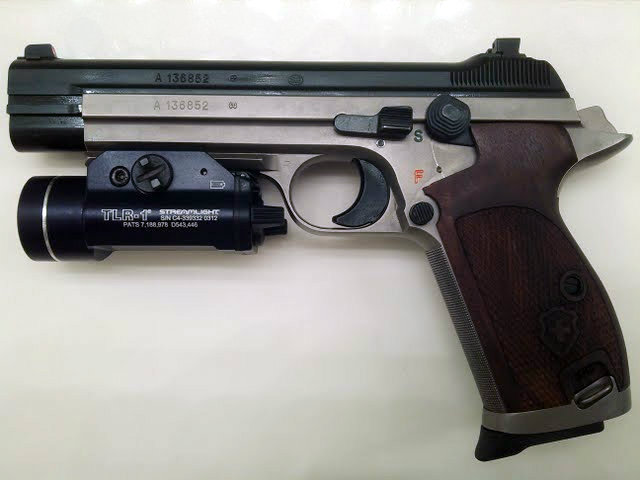
The accessory rail was a quiet but major shift in pistol design. It changed the 9mm handgun from a self-contained sidearm into a host for white lights and other mission-specific accessories. That broadened the pistol’s role in law enforcement, home defense, and professional use where low-light capability became part of the design brief. Once rails became common, frame dust covers grew more than cosmetic importance. They had to support mounted equipment without undermining reliability or adding awkward bulk. This also influenced holster design, training standards, and the overall dimensions of the front end of the pistol. The 9mm sidearm stopped being judged only by sights, trigger, and magazine capacity; it was now assessed as part of a larger working system.
6. Chassis and modular frame systems separated the gun from the grip
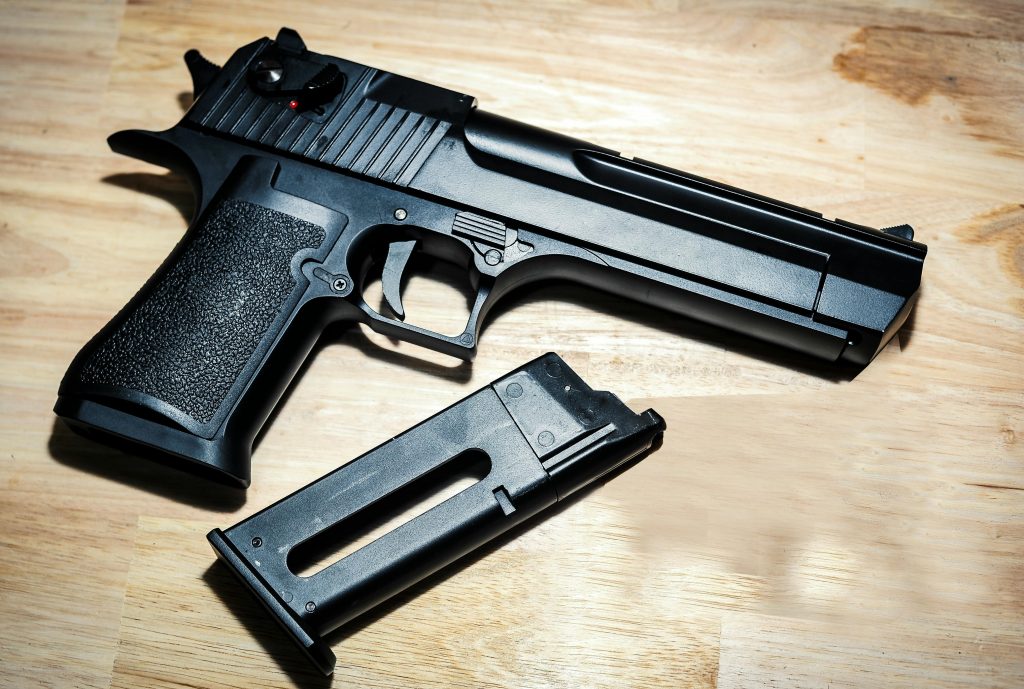
One of the most consequential recent shifts has been the serialized fire-control unit or chassis concept. In these designs, the legally controlled core is distinct from the outer grip module, allowing the same operating unit to live in different frame sizes and configurations. This approach turned the 9mm pistol into a more flexible architecture.
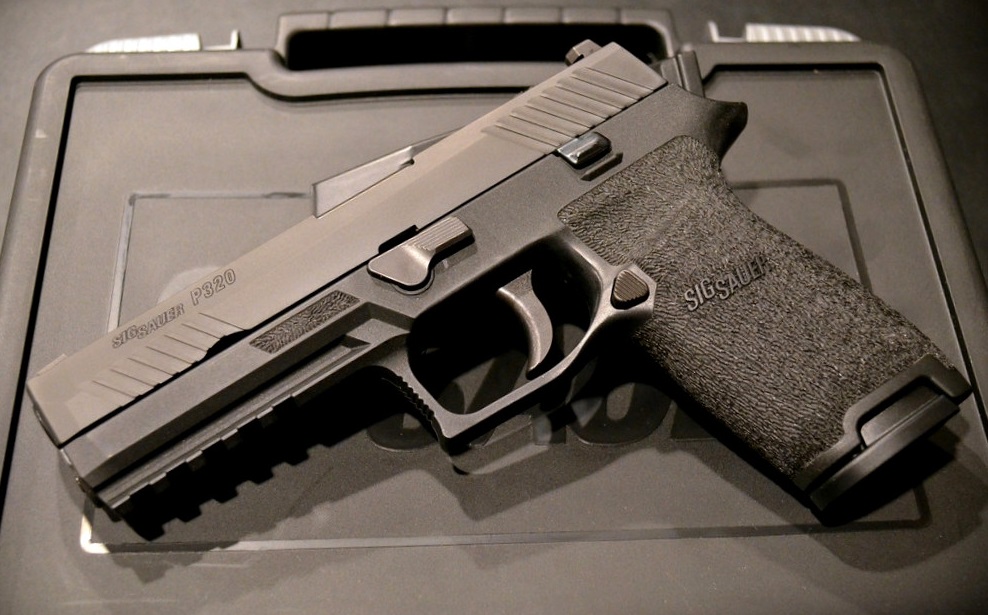
A full-size setup for duty use and a more compact grip for concealed carry could share the same central mechanism. As noted in one discussion of polymer manufacturing, pistols such as the SIG Sauer P320 also changed how owners think about frame customization, because the replaceable module is no longer the serialized heart of the gun. That is a design choice with implications far beyond convenience.
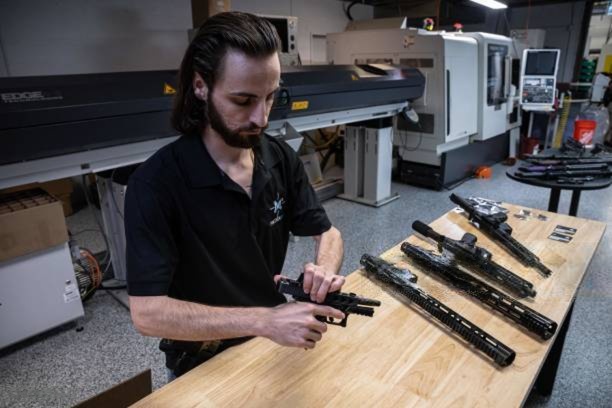
7. Manufacturing for scale made advanced pistols ordinary
Some of the most important design choices were driven as much by production as by performance. Polymer molding, standardized internal layouts, and simplified operating systems made it easier to produce durable 9mm pistols in large numbers with repeatable quality. That manufacturing discipline is part of why features once associated with specialist handguns became common across the market. This is where design and economics meet. A pistol that is faster to produce, easier to assemble, and less dependent on extensive machining can spread widely enough to influence the entire category.
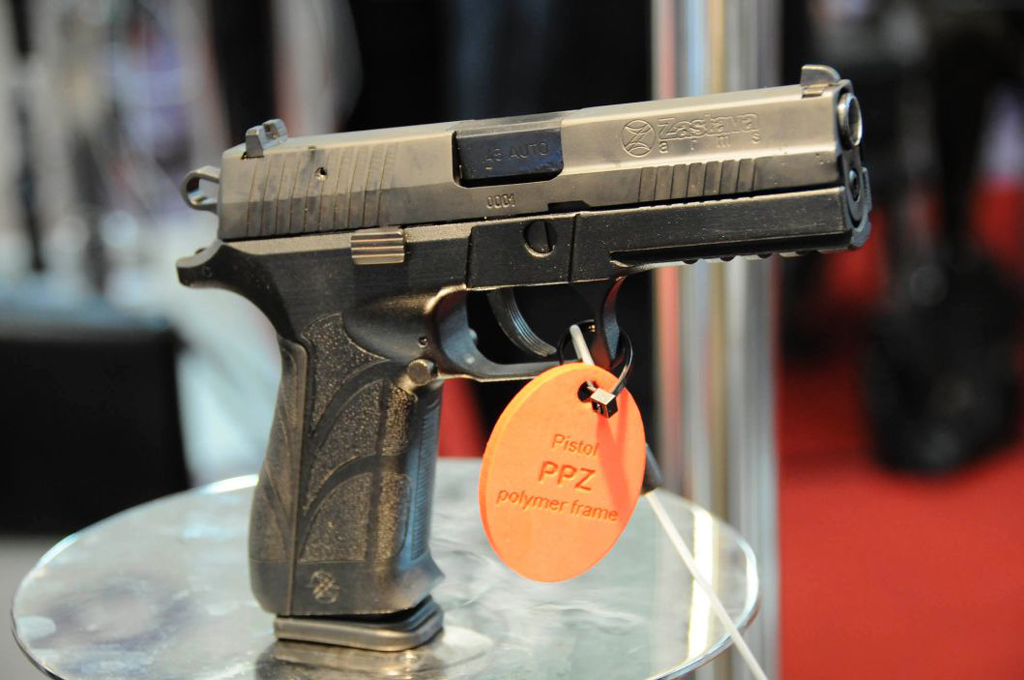
That helps explain why modern 9mm pistols from very different brands often converge on similar solutions. The form followed use, but it also followed the realities of efficient industrial production. The modern 9mm pistol is often described by brand names or flagship models, yet the deeper story is architectural. Frame material, magazine layout, ignition system, modularity, and accessory support changed the category more than any single launch ever could. Those choices did not merely improve the pistol. They established the template that later pistols now inherit by default.


