Some gun designs do more than survive their era. They establish the pattern that later firearms either follow, refine, or try to replace. The models below earned that status through service life, mechanical influence, and staying power with shooters long after their original roles changed. Rather than treating them as museum pieces, this list looks at why each one still matters in modern shooting culture and firearms engineering.
1. Colt 1911
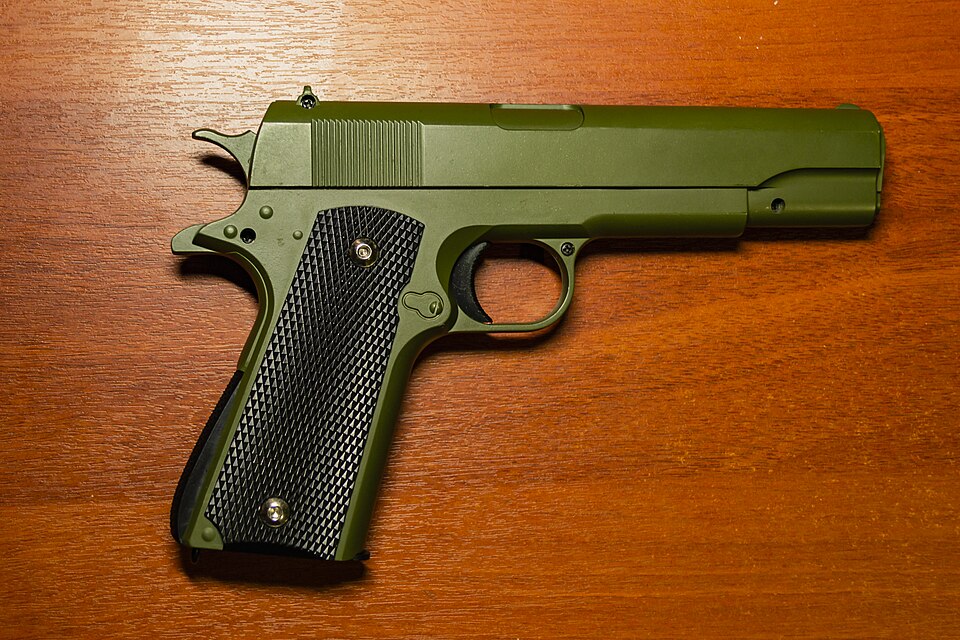
The 1911 remains one of the clearest examples of a sidearm design outliving the conditions that created it. John Browning’s recoil-operated pistol was adopted by the U.S. military in 1911 after a demanding trial in which 6,000 rounds were fired through the finalists, and the Colt completed the test without malfunction. That performance helped establish a reputation for reliability that stayed attached to the platform through decades of military, competitive, and civilian use.
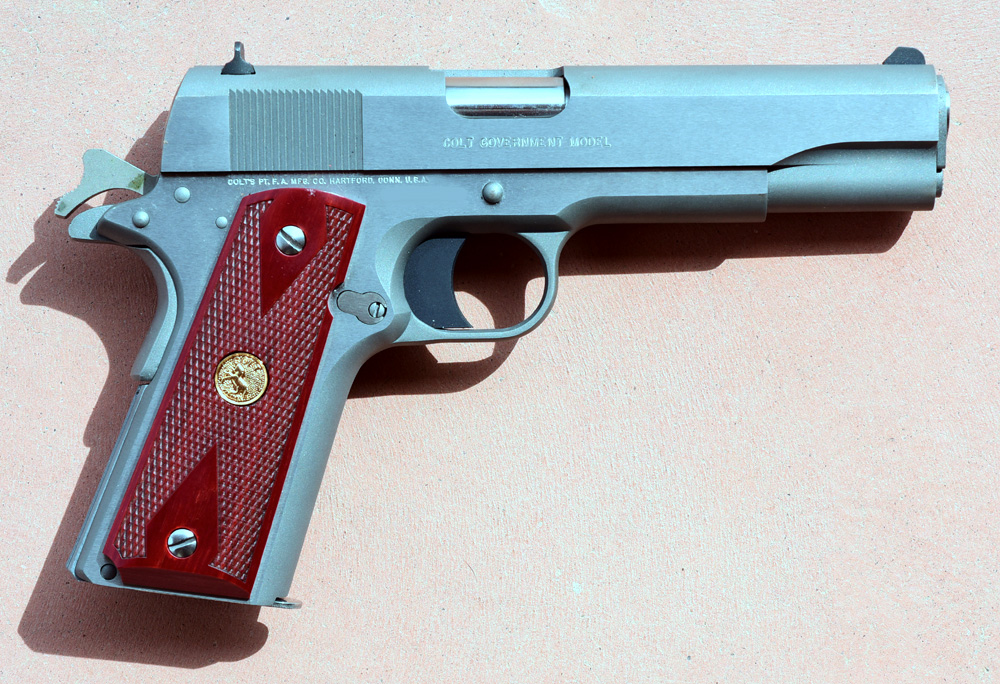
Its technical formula still feels current: a single-action trigger, slim grip profile, steel frame, and a magazine holding 7 rounds of .45 ACP in the original pattern. The pistol’s longevity also says something larger about Browning’s influence. His work shaped autoloading handguns across the industry, and the 1911 became the benchmark by which many later fighting pistols were judged. Even after formal U.S. service ended in 1985, the design continued to hold ground in specialized use, custom gunmaking, and practical shooting.
2. Glock 17
The Glock 17 changed the duty pistol market by proving that a polymer-framed service handgun could be rugged, simple, and credible at scale. Developed for Austrian military requirements in the early 1980s, the pistol combined striker-fired operation, a 17-round magazine, and a design using just 34 parts, a level of simplicity that helped drive its adoption well beyond its home market.
Its early reputation grew not only from light weight, but from durability. Testing and long-term service use gave the model a standing for functioning under hard conditions, and later endurance use showed documented endurance testing routinely exceeding 30,000 rounds. The Glock 17 also helped normalize features now taken for granted in modern service pistols: corrosion-resistant finishes, high capacity, easy field stripping, and a consistent trigger system. Later generations refined the concept rather than replacing it, with updates such as the Gen5 removal of finger grooves, ambidextrous controls, and an improved barrel.
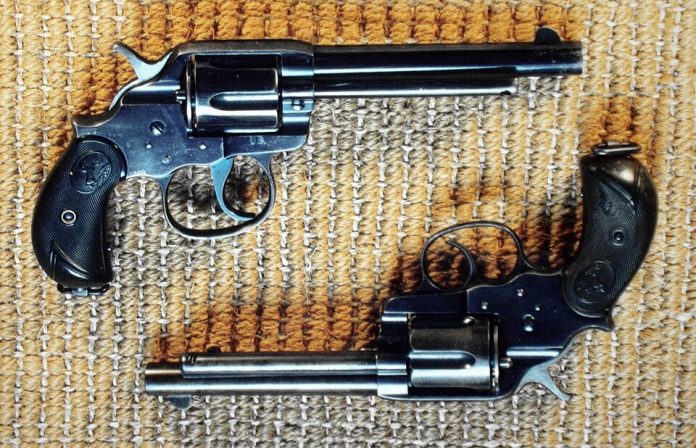
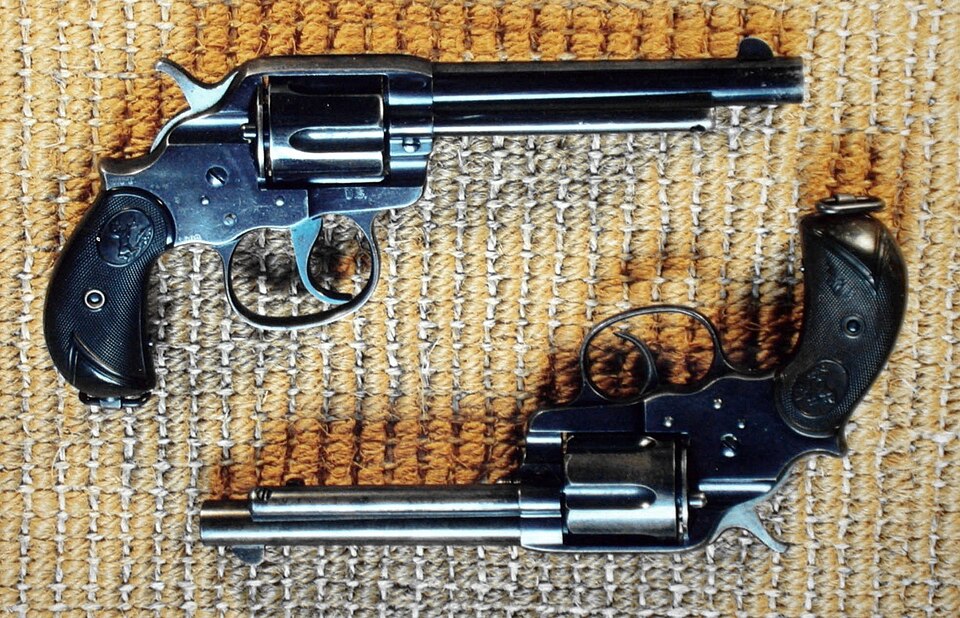
3. Smith & Wesson and Colt Double-Action Revolvers
Before high-capacity semiautos took over duty holsters, the double-action revolver was the standard defensive handgun. Models such as the Smith & Wesson Model 10 and Colt Python built their reputations on smooth trigger pulls, strong lockwork, and mechanical consistency. They also represented a manufacturing era when fit, finish, and hand-tuned action work were central parts of a revolver’s appeal.
What keeps these guns relevant is not nostalgia alone. Revolvers still show the value of a self-contained action with no detachable magazine, straightforward manual of arms, and broad cartridge flexibility. They remain a useful reference point for understanding trigger control, timing, and the different design priorities that existed before the polymer service pistol became dominant.
4. AR-15
The AR-15 became influential because it turned the modern rifle into a modular system. Eugene Stoner’s design used lightweight materials and a small, high-velocity cartridge to create a platform that was easier to carry, easy to configure, and adaptable across roles. That adaptability is the real legacy: stock, barrel, optic, handguard, and control layout can all be tailored without changing the rifle’s core identity.
Its engineering significance goes beyond popularity. The AR pattern helped normalize the idea that a rifle could be a user-configurable platform instead of a fixed, one-format product. It also translated military-derived ergonomics into sporting and competition use, where low recoil and repeatable handling made it a central fixture. Few long guns have had a broader influence on how modern shooters think about customization.
5. AK-47
If the AR-15 became the modular rifle, the AK became the durability standard. Mikhail Kalashnikov’s design earned its standing through mechanical tolerance, simplicity, and reliability in rough environments. The rifle’s broad layout owed something to earlier wartime development, but its lasting achievement was turning that concept into an easily produced, highly durable system.
Its scale is part of the story. The Kalashnikov family has been estimated at roughly 100 million firearms worldwide, making it one of the most recognizable rifle lineages ever made. For shooters, the AK still represents a different design philosophy from the AR: fewer refinements, more tolerance for abuse, and a direct emphasis on rugged function.
6. Mauser 98
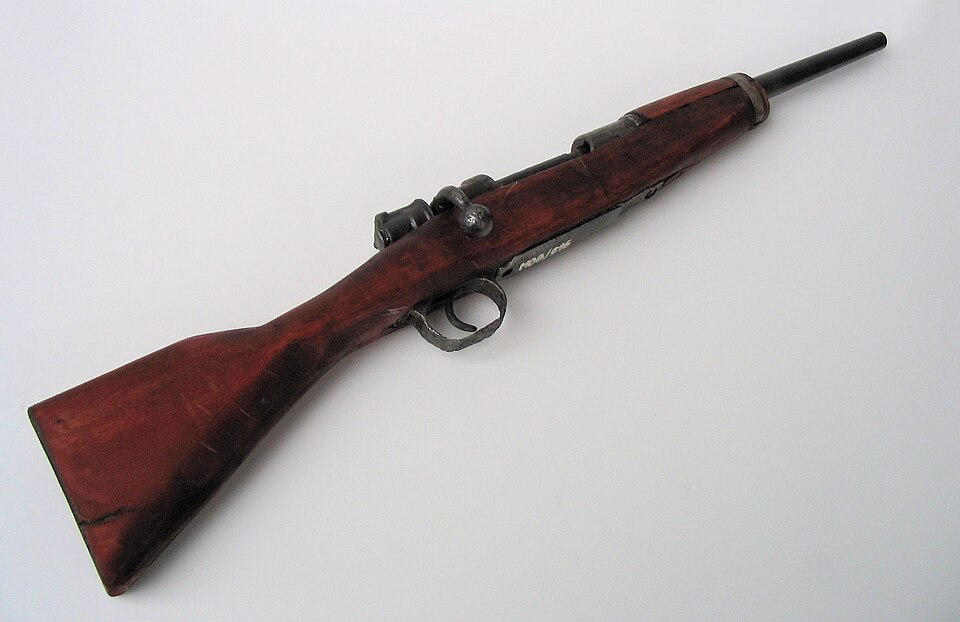
The Mauser 98 remains the bolt-action reference design because it solved strength, safety, and controlled feeding in one action. Its large claw extractor, dual front locking lugs, and controlled-round-feed system influenced generations of military and sporting rifles. Even where later actions diverged in detail, the Mauser’s logic stayed in the room.
Its influence can be traced directly into later American rifles. The Springfield 1903 was a virtual copy of the Mauser, and the pattern continued to shape commercial hunting rifles for decades after. Long after its military prime, the 98 action still appeals to shooters who value positive extraction, strong lockup, and the old-world confidence of a bolt gun built around control rather than speed.
7. Winchester Model 94
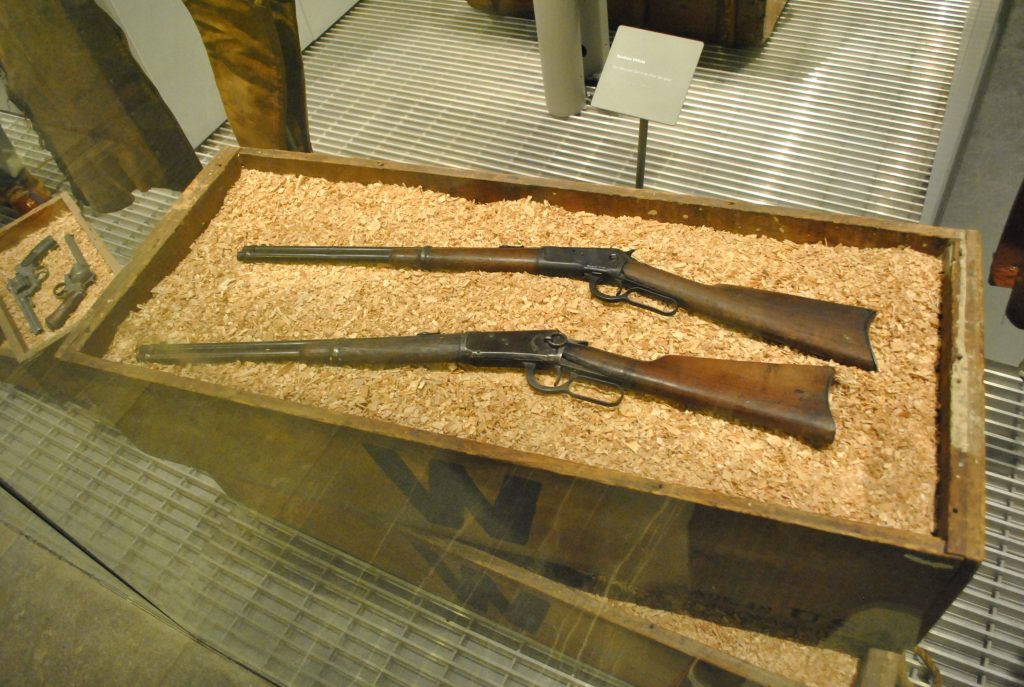
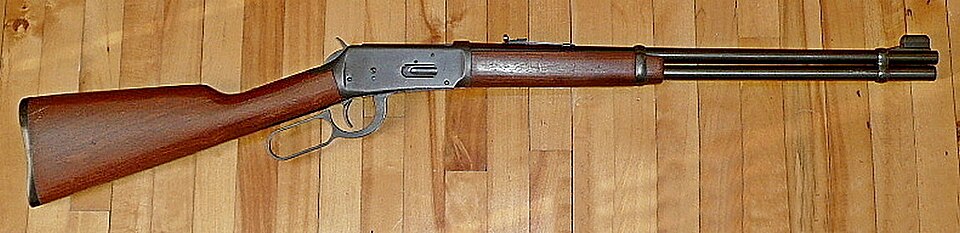
The Winchester Model 94 showed how a repeating rifle could become both practical field equipment and a lasting cultural symbol. Introduced in 1894 and strongly associated with the .30-30 Winchester cartridge, it balanced portability, fast handling, and enough power for common North American hunting tasks. More than 5.5 million were produced, a figure that reflects just how completely it connected with working shooters.
Its engineering importance sits in the transition it represents. Lever guns bridged the black-powder age and the smokeless era, and the Model 94 proved the concept could remain useful well into modern times. Compact, trim, and quick to the shoulder, it still illustrates that not every enduring rifle needs detachable magazines, rails, or a long accessory list to remain relevant.
These firearms lasted because each one solved a problem so well that later generations kept returning to the answer. Some became templates for whole categories. Others held their place by doing one job with uncommon honesty.
Taken together, they show how firearms history is often a story of durable ideas rather than constant reinvention. The materials changed, the controls evolved, and the markets shifted, but the strongest designs kept their place because the fundamentals were right from the start.


