Accuracy is rarely just a matter of raw speed or a single tiny group on a calm day. The cartridges that build lasting reputations tend to do something more useful: they stay predictable across different rifles, realistic field positions, and changing distances.
That is why a handful of chamberings continue to dominate conversations among hunters, match shooters, and range regulars. Some are long-established standards, others are newer designs built around efficient bullets and manageable recoil, but all have earned attention for repeatable precision rather than one-off performance.
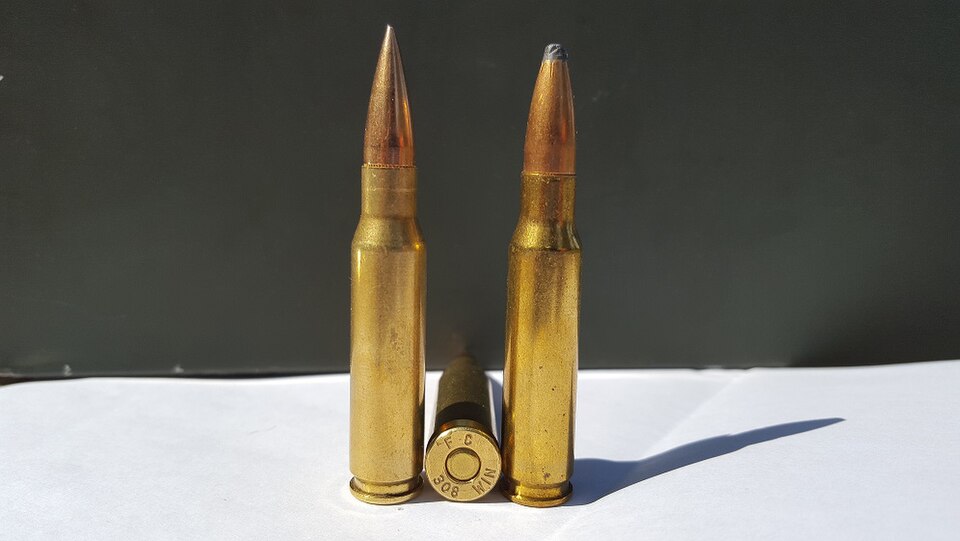
1. .308 Winchester
The .308 Winchester remains one of the easiest accuracy benchmarks to understand. It combines moderate recoil, broad rifle compatibility, and a long history of dependable factory match loads, giving shooters a cartridge that is hard to outgrow. In practical use, it has long been valued because it is forgiving of barrel length, action type, and ammunition choice in a way many faster cartridges are not.
That balance matters. Excess recoil can disrupt aim and trigger anticipation, and recoil can throw off your aim when it becomes difficult to manage. The .308’s steady behavior is a major reason it still appears in precision training, competition, and hunting rifles decades after its debut.
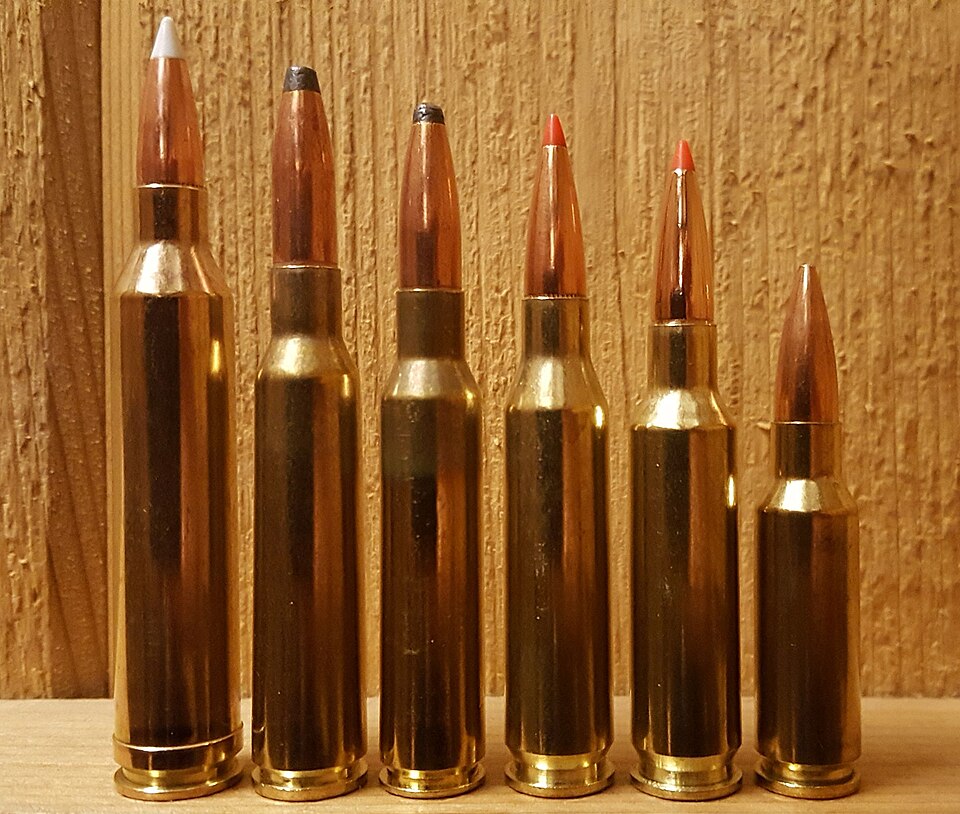
2. 6.5 Creedmoor
The 6.5 Creedmoor was built with precision in mind, and its design shows it. Fast twist rates, efficient case geometry, and sleek bullets help it hold velocity well and resist wind better than many shooters expect from a cartridge with such modest recoil.
Its staying power comes from how accessible that performance is. Factory rifles and factory ammunition are often capable of sub-MOA results, and the cartridge has become a standard for shooters who want reliable long-range capability without the fatigue associated with larger magnums. That combination of consistency and shootability keeps it near the top of any accuracy-focused list.
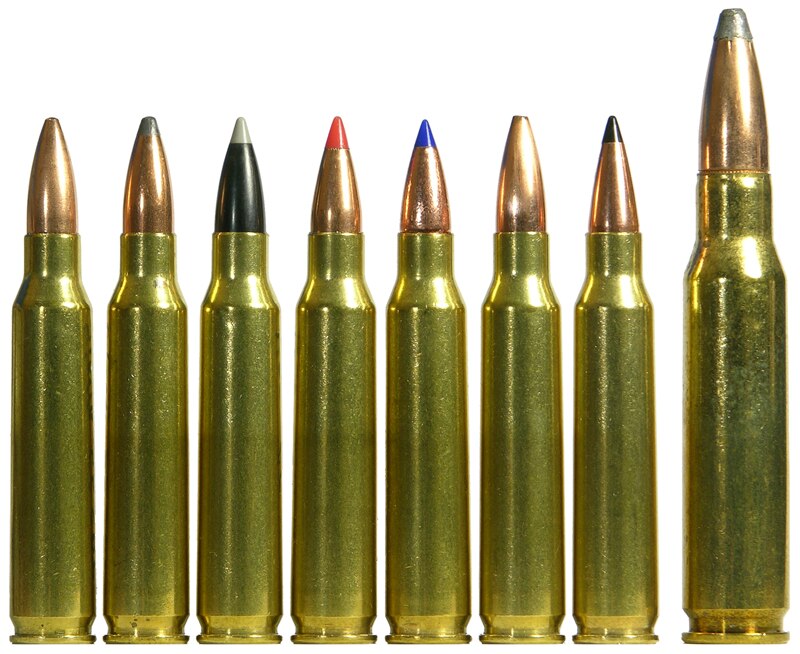
3. .223 Remington / 5.56 NATO
Few cartridges make precision practice easier than the .223 Remington and 5.56 NATO family. In a quality rifle with the right twist rate, they can deliver excellent consistency with minimal recoil, letting shooters spot impacts and correct quickly.
The cartridge’s reputation for light recoil is only part of the story. Good barrels and well-matched bullets make this chambering surprisingly capable at distance, and experienced shooters have pushed it far beyond the ranges many associate with it. For training, varmint work, and fundamentals, it remains one of the most efficient accuracy tools available.
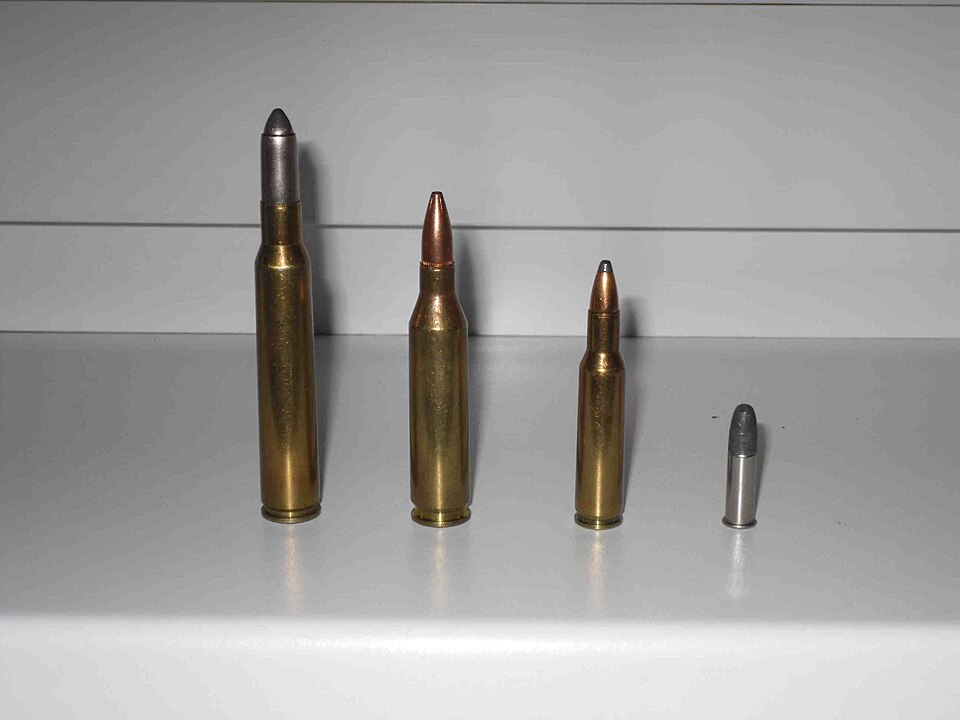
4. .243 Winchester
The .243 Winchester has long occupied a useful middle ground. It is flat-shooting, easy on the shoulder, and often impressively accurate in conventional bolt-action rifles. That mix gives newer shooters a gentler entry point while still satisfying experienced marksmen who want precision without excessive recoil.
Its versatility also helps its reputation. The cartridge is comfortable enough for long range sessions, yet capable enough for practical field use on appropriate game, which has kept it relevant far beyond its original era.
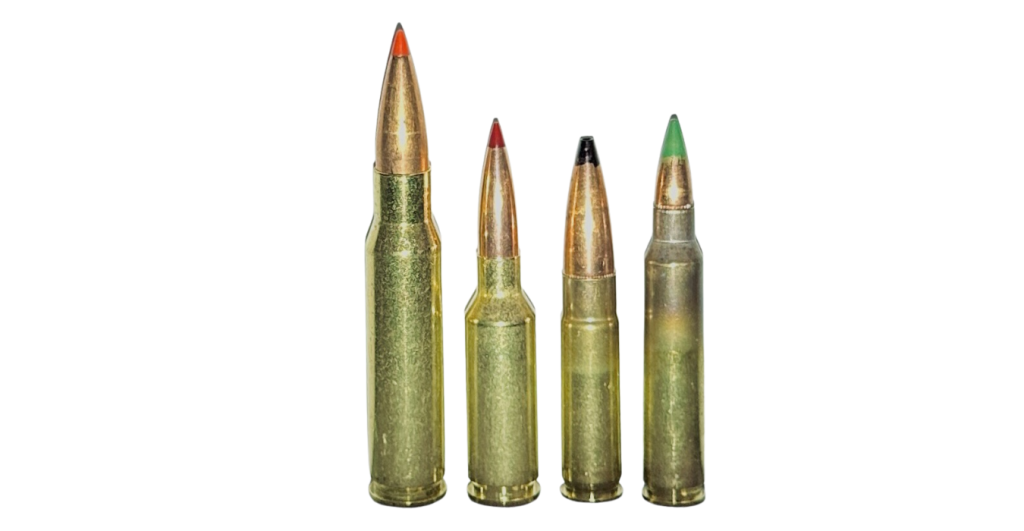
5. 6mm ARC
The 6mm ARC was designed to stretch the AR-15 platform in a serious way. By using high-BC 6mm bullets in a compact package, it gives gas-gun shooters noticeably more reach and wind performance than standard .223-based setups.
Its technical appeal is easy to see in flight behavior. Hornady designed it to stay supersonic past 1,000 yards, and that long-range stability is exactly why the cartridge draws attention from accuracy-minded shooters. In practical rifles, it has shown that an AR-15 can be more than a short-to-midrange platform.
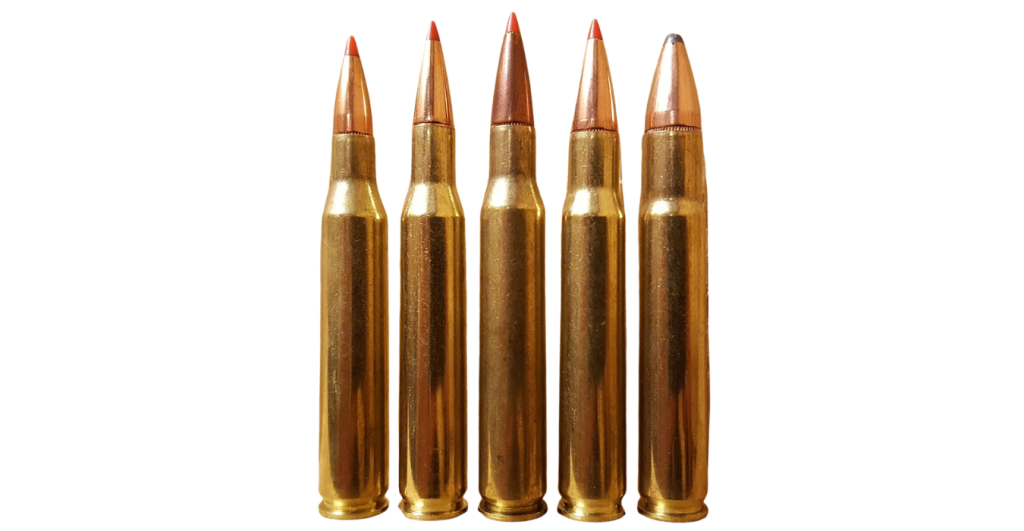
6. .270 Winchester
The .270 Winchester is one of the older entries here, but its age has never reduced its usefulness. Hunters have relied on it for decades because it tends to deliver flat trajectories and better-than-average field accuracy without requiring extensive load development.
It is not a modern competition darling, yet it continues to do what many shooters actually need: print predictable groups, carry useful downrange energy, and perform cleanly in ordinary hunting rifles. That quiet competence is why it still holds its place.
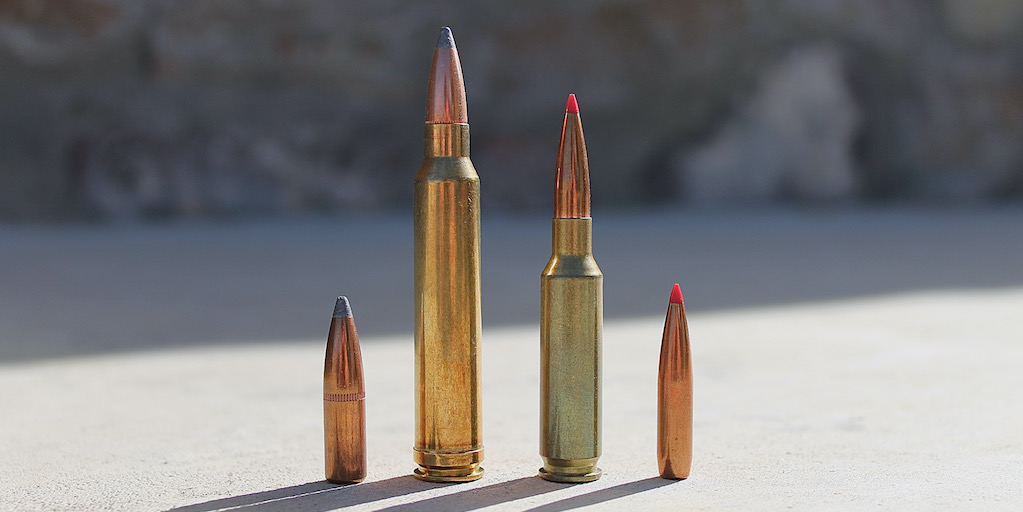
7. 6.5 PRC
The 6.5 PRC extends the same aerodynamic advantages that made the Creedmoor popular, but with more speed. Typical loads launch 140-to 147-grain bullets at roughly 2,910 to 2,925 fps, giving the cartridge stronger downrange energy and less wind drift while preserving manageable recoil for its class.
That performance is tied to modern bullet design as much as velocity. As Berger notes, G7 BC is 0.336 for a 6.5mm 144-grain Long Range Hybrid Target bullet, illustrating why streamlined 6.5 bullets stay so competitive at distance. In field and target roles alike, the 6.5 PRC has become a serious precision option rather than a niche experiment.
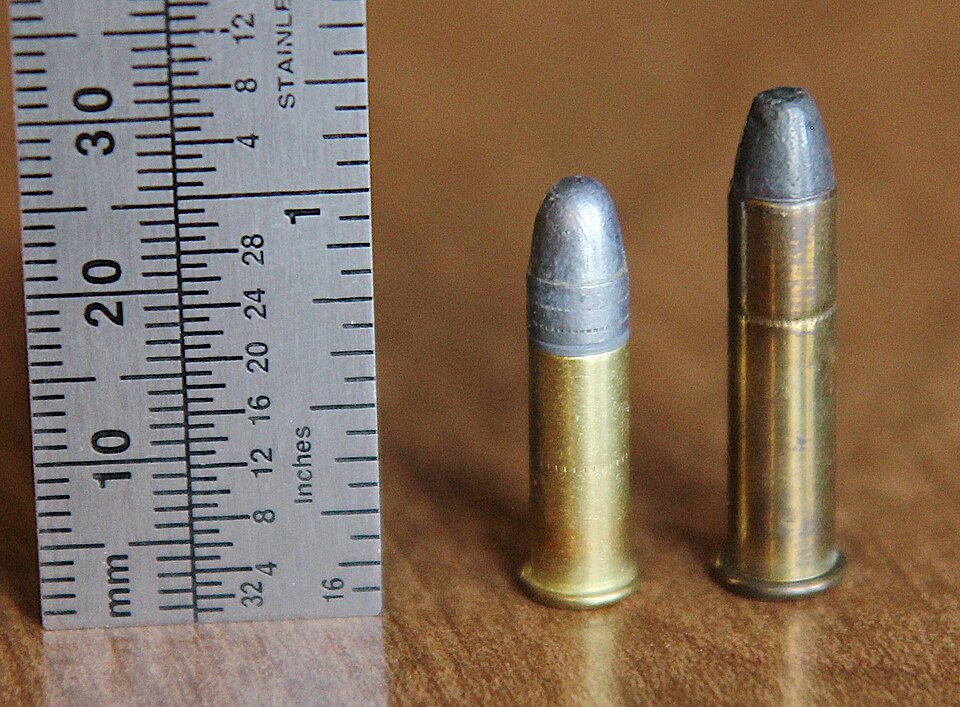
8. Match-Grade .22 LR
Match-grade .22 LR earns its place for a different reason: it teaches accuracy honestly. In a good rifle with carefully selected ammunition, it can produce very tight groups at 50 yards and useful consistency at 100, all while exposing every weakness in position, trigger control, and follow-through.
Its best performance comes from quality loads, not bulk ammunition. Subsonic match rounds are especially valued because they avoid the instability that can appear when bullets cross the transonic threshold, making this chambering a low-recoil training tool with real precision value.
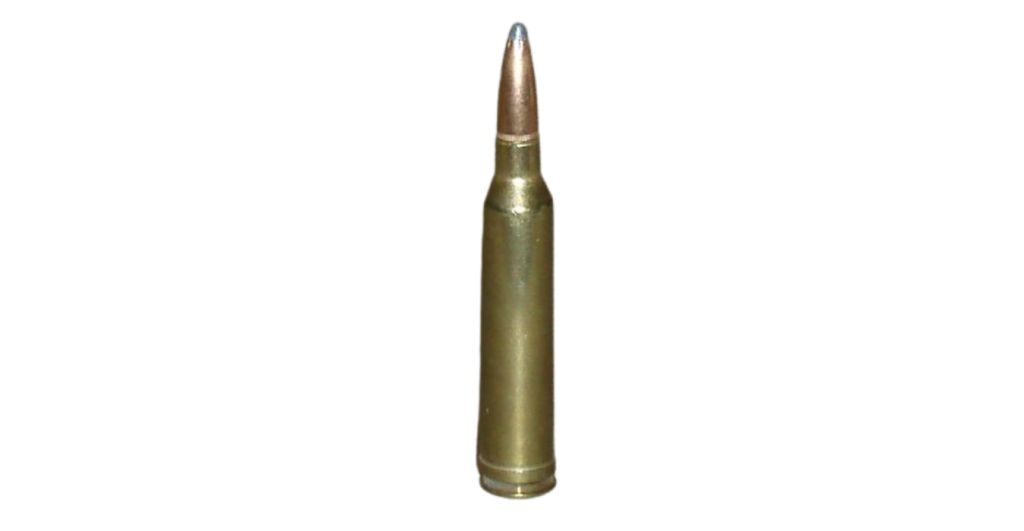
9. 7mm Remington Magnum
The 7mm Remington Magnum has stayed relevant because it combines magnum reach with efficient bullet shapes. Modern 168-to 180-grain loads have helped it realize the long-range accuracy potential that earlier ammunition did not always exploit.
Its appeal is straightforward: strong velocity, flat trajectory, and a broad range of aerodynamic bullets. That formula still works, and it is one reason the 7mm class remains so respected among shooters who want long-range performance without stepping into the largest magnum cartridges.

10. 7mm PRC
The 7mm PRC is one of the clearest signs of where precision-oriented hunting cartridges have moved. It was built around fast twist rates, long, high-BC bullets, and modern chamber geometry intended to support consistent alignment and long-range efficiency.
Current factory loads include 175-grain bullets at 3000 fps and 180-grain match bullets at 2975 fps, showing the cartridge’s focus on heavy-for-caliber performance. It covers ordinary hunting distances with ease, but its real significance is that it packages modern long-range thinking into a mainstream chambering.
The cartridges that keep showing up on accuracy shortlists usually share the same traits: controllable recoil, efficient bullets, broad ammunition support, and predictable behavior across many rifles. Some achieve that through classic balance, others through modern design, but the result is the same repeatable hits instead of occasional brilliance.
For shooters chasing dependable precision, that reliability matters more than hype. A cartridge earns trust when it keeps placing rounds where they belong, from the bench to the field.


