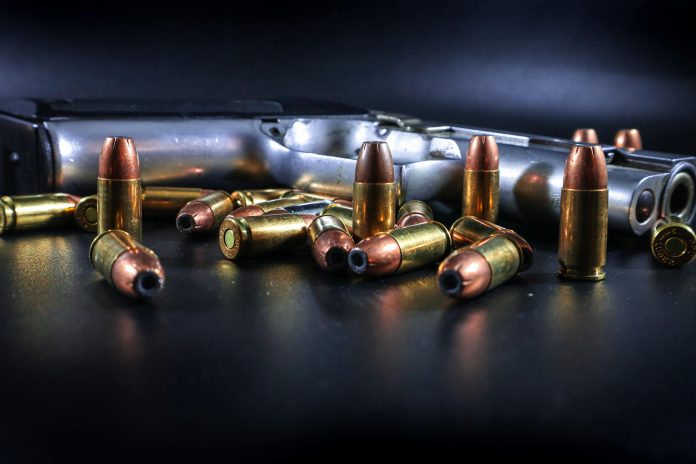
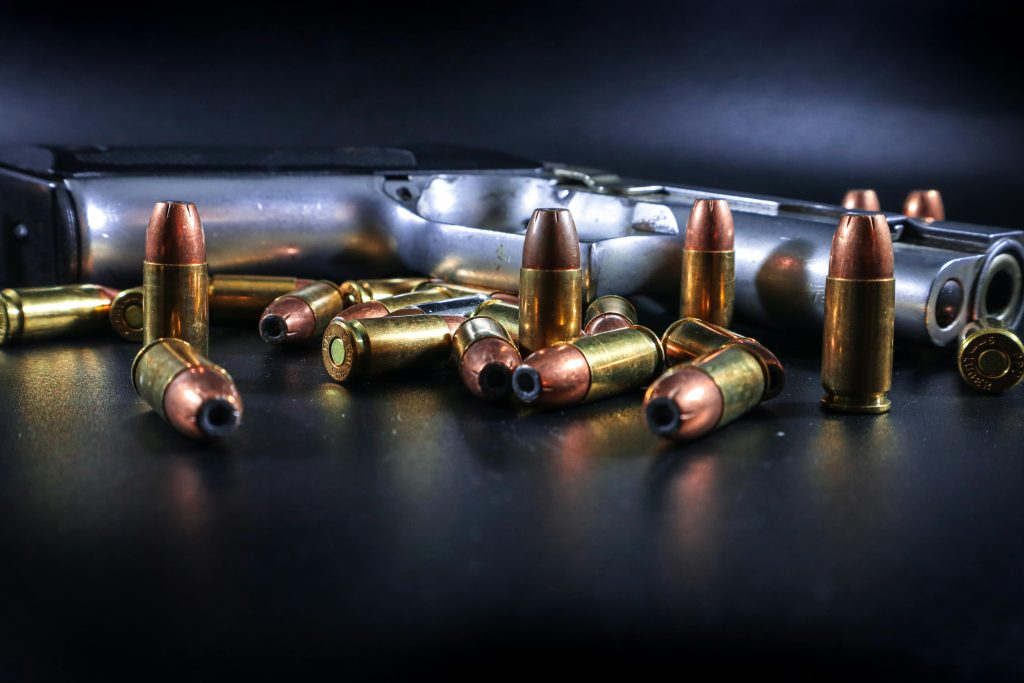
Handgun caliber talk often gets reduced to brand loyalty, folklore, or raw energy numbers. That misses the point. A defensive round is not just a number on a box; it is a balance of reliability, penetration, expansion, recoil, and how well it performs from the shorter barrels most people actually carry.
That is why calibrated ballistic gel testing still matters. It is not a crystal ball, but it remains one of the most consistent ways to compare whether a handgun load can reach vital depth, expand through clothing, and do it repeatably. With that standard in mind, these eight choices stand out not as useless, but as options with drawbacks large enough to demand caution.
1. .22 Long Rifle
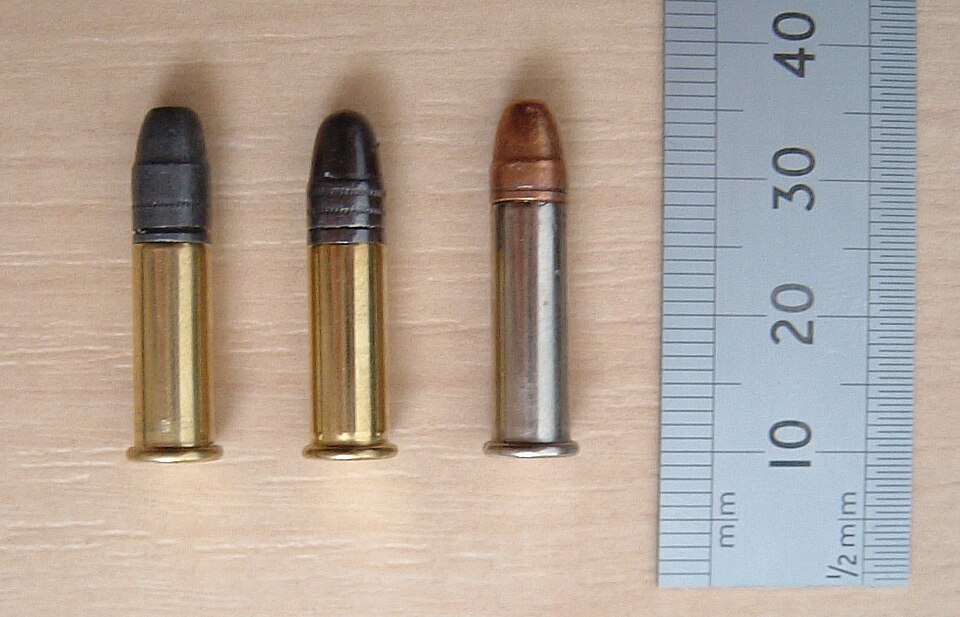
The .22 LR stays popular because it is easy to shoot, cheap to practice with, and available almost everywhere. None of that changes its biggest liability for defensive use: it is a rimfire cartridge, and rimfire ignition is inherently less dependable than centerfire. Performance is the second problem. Typical handgun-fired .22 LR loads often produce under 200 ft-lbs of energy, and many loads struggle to reach the 12-18 inch FBI benchmark once heavy clothing enters the equation. A .22 can still be dangerous, but as a primary defensive chambering it asks too much from perfect shot placement and too much from a cartridge type that is already more failure-prone.
2. .25 ACP
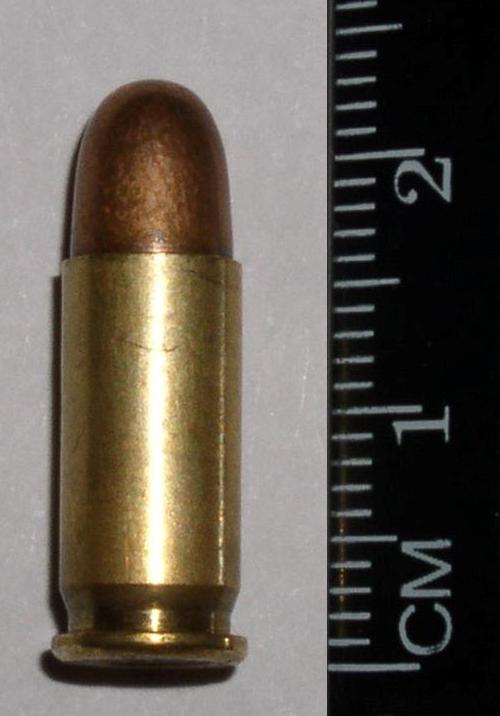
The .25 ACP was once the answer for tiny pocket pistols. Today, it mostly survives as a relic of another era. It does offer centerfire ignition, which gives it one advantage over .22 LR, but the ballistic return is thin. Many loads sit below 70 ft-lbs of muzzle energy, and modern bullet design has not transformed the cartridge into something it was never built to be. The pistols chambered for it are often extremely small, lightly sighted, and difficult to run well under pressure. The result is a cartridge that gives away too much terminal performance without offering enough practical upside in return.
3. .32 ACP
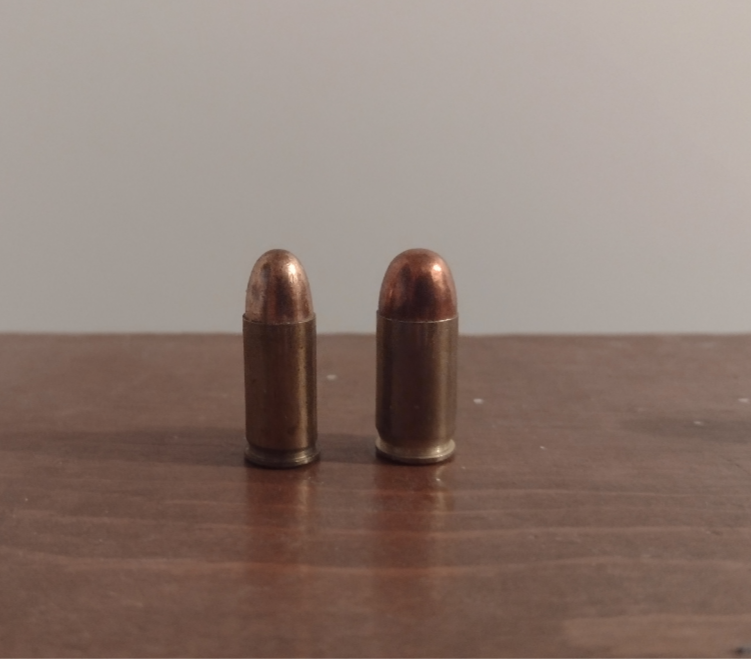
The .32 ACP has a long service history and a reputation for mild recoil. That softer shooting character is real, but so are the compromises. In modern defensive testing, it often sits in the uncomfortable middle ground where it is better than the smallest pocket rounds yet still struggles to produce the penetration and expansion expected from current carry ammunition. Energy figures commonly land around 125 to 170 ft-lbs. Even more important, the cartridge has a limited pool of modern load development compared with 9mm or even .380 ACP. Historical use keeps it relevant in discussion, but current standards make it harder to justify as a first-choice defensive round.
4. .410 Shotshell From Handguns
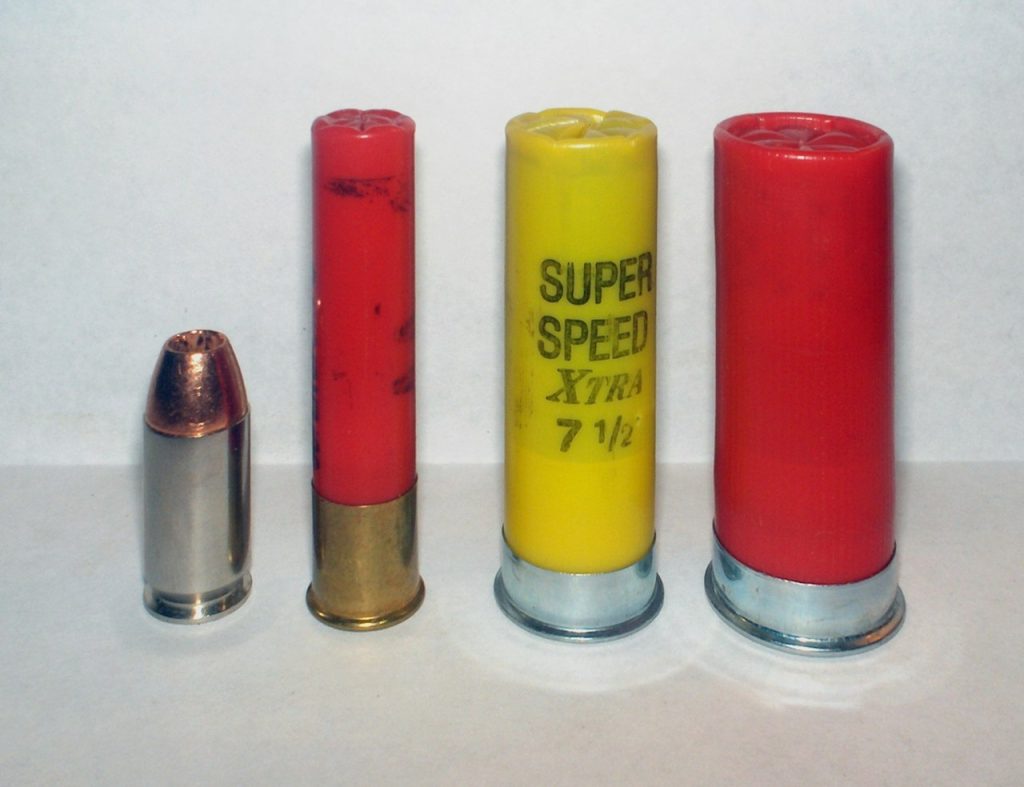
The revolver-shotgun hybrid idea sounds persuasive until the target medium stops being advertising copy. Fired from very short barrels, .410 shotshell loads lose a great deal of what makes shotgun payloads effective in longer guns. Birdshot tends to lack the penetration needed for reliable disruption of vital structures, while buckshot and slugs still operate from a platform that gives up consistency and efficiency to novelty. The spread that attracts attention can also scatter energy instead of concentrating it. In practical defensive terms, handgun cartridges designed for handguns usually do the job with fewer variables.
5. Weak .380 ACP Loads
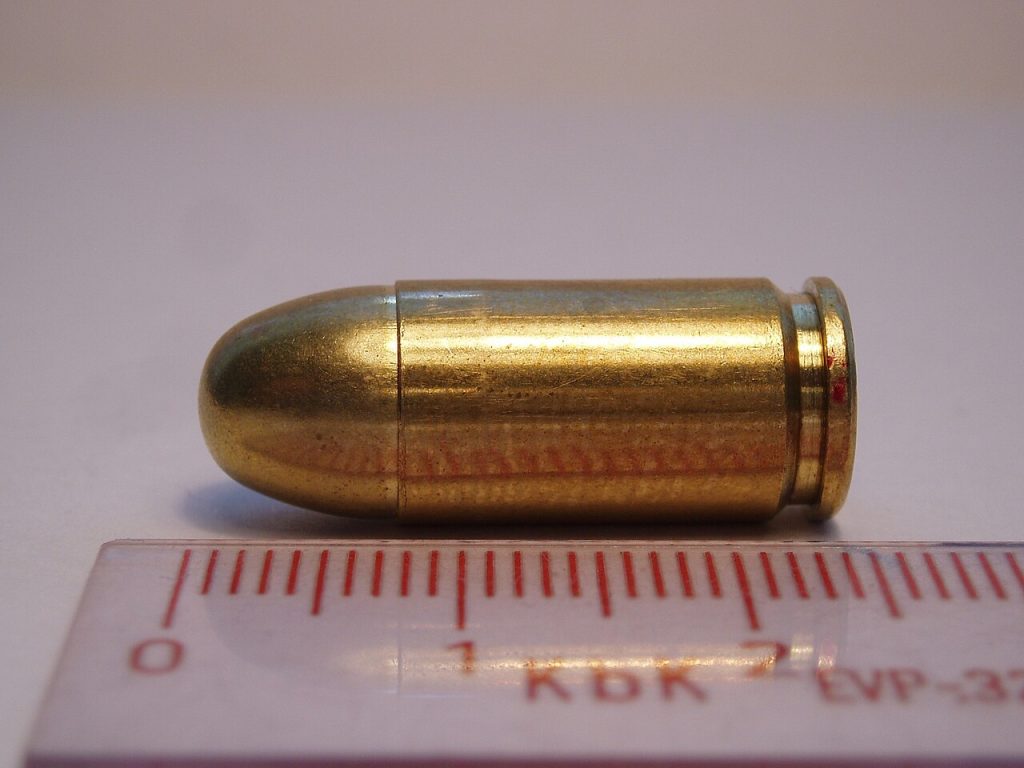
.380 ACP is not automatically a bad choice. Weak .380 ACP is the problem. This is one cartridge where ammunition selection matters almost as much as the chambering itself, because small pistols and short barrels leave little margin for error. Testing across compact carry guns has shown that some .380 loads expand nicely but stop short of adequate depth, while others penetrate but fail to expand. In one comparative test, common .380 hollow points produced penetration figures such as 10.5 inches and 9.5 inches, both short of the usual standard. That does not condemn the caliber, but it does mean underperforming loads turn an already limited cartridge into a much weaker proposition.
6. 10mm Auto for Everyday Carry
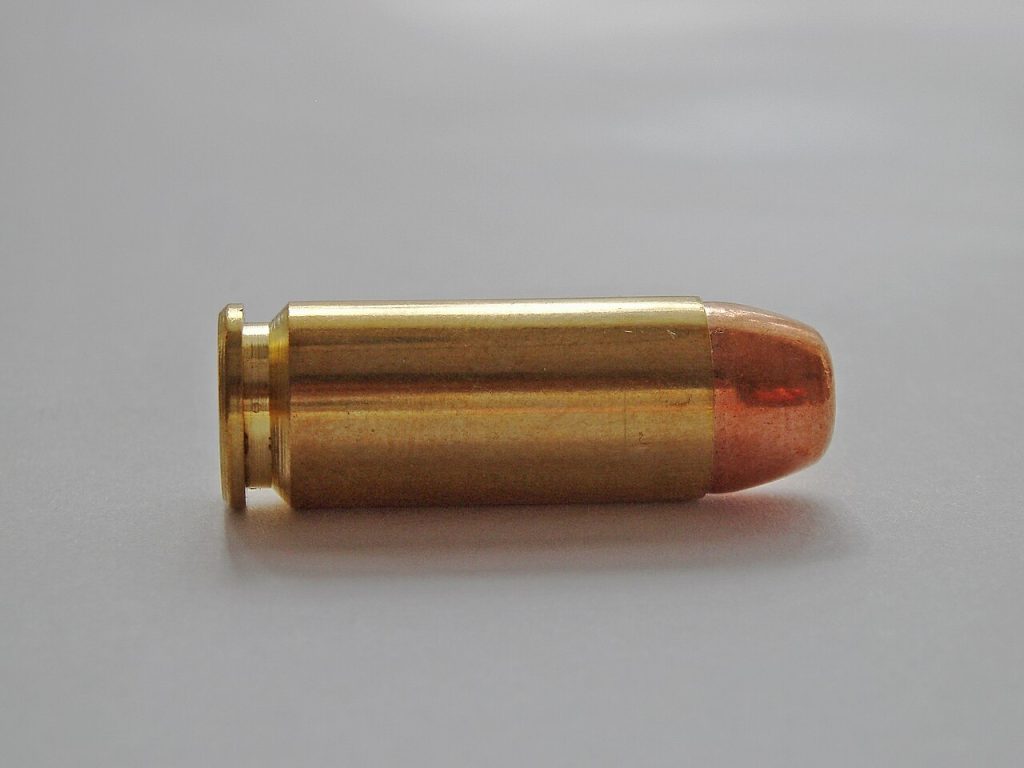
10mm Auto is not underpowered. If anything, its problem for typical defensive carry is the opposite. Full-power loads can exceed 600 ft-lbs, and that extra speed and blast come with recoil that many shooters manage poorly when the clock matters. This is where the caliber debate usually loses the plot. A more powerful cartridge does not automatically become the better defensive choice if it slows follow-up shots, increases muzzle flip, and makes practice less productive. Gel data and field discussion both keep pointing back to the same truth: a controllable service caliber with dependable penetration usually beats excess power that the shooter cannot exploit. For wilderness roles, 10mm has a clearer lane. For ordinary concealed carry, it often creates more tradeoff than benefit.
7. .38 Special in Ultra-Short Revolvers
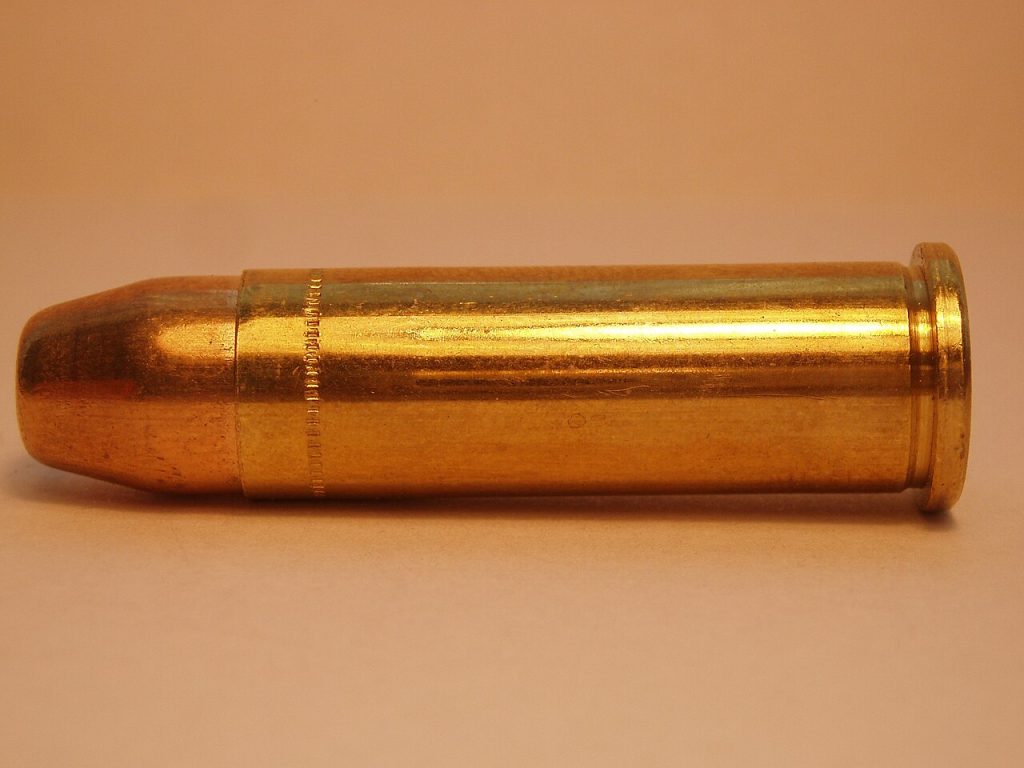
.38 Special has earned its reputation over generations, but barrel length changes the conversation fast. In ultra-short revolvers, velocity drops enough to make many hollow points less reliable in expansion, especially through heavy clothing. That leaves a narrow path: loads must penetrate enough without turning recoil into a liability in a lightweight snub gun. short-barrel revolver testing has repeatedly shown how unforgiving that balancing act can be. The cartridge itself is not the issue so much as the combination of tiny barrel, sharp recoil, and reduced bullet performance.
8. .44 Magnum
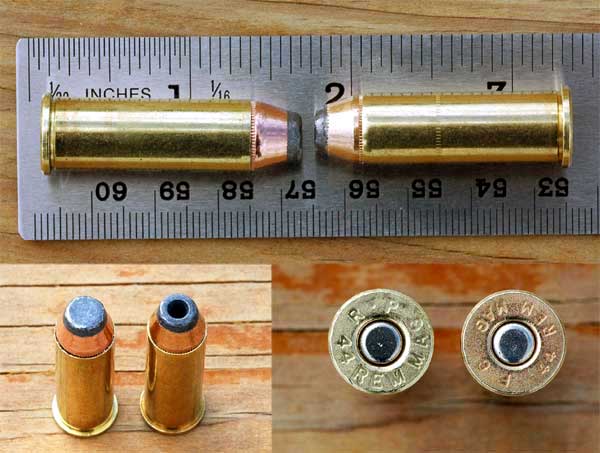
The .44 Magnum has authority to spare, and that is exactly why it becomes hard to defend as a routine personal-protection choice. Massive recoil, bright muzzle blast, large revolver size, and very deep penetration all work against fast, precise shooting in confined spaces. This is a specialized cartridge wearing the wrong job title when pressed into urban or home-defense duty. Large energy numbers may impress on paper, but in a hallway, apartment, or parking lot, the practical costs are hard to ignore. Even older stopping-power debates showed how handgun effectiveness is shaped heavily by placement and controllability, not just caliber size. The .44 Magnum delivers plenty of force, but it often delivers it in a package that is simply too much handgun for the role.
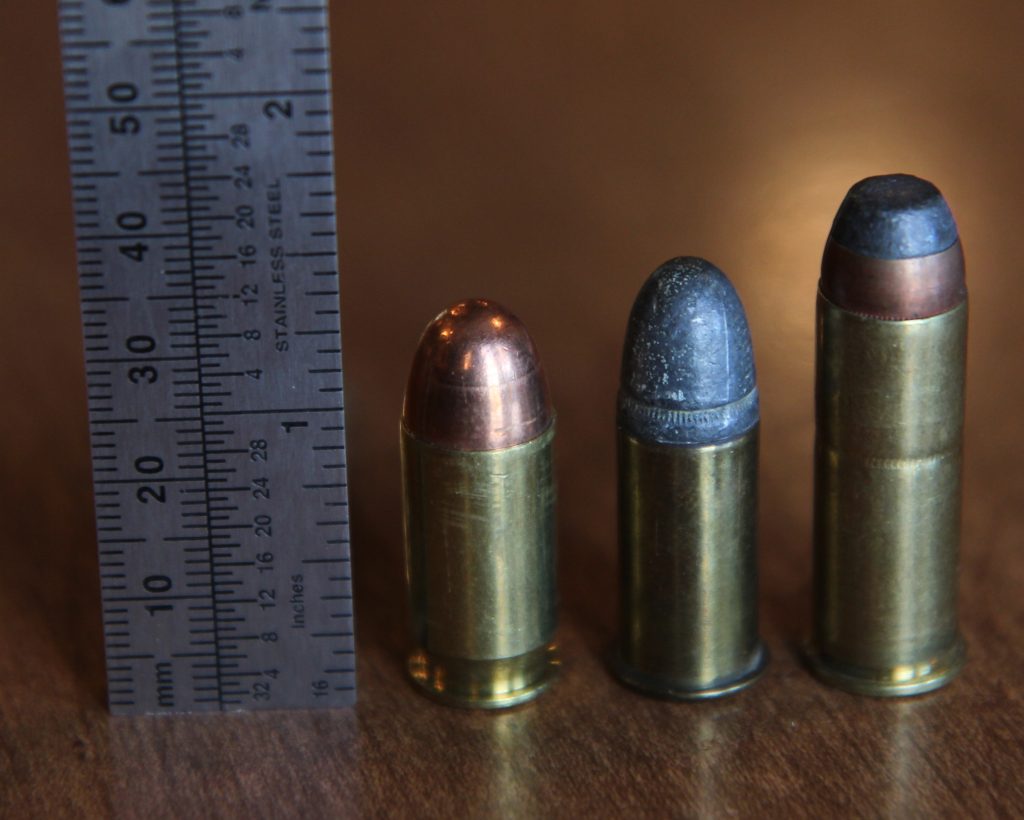
The pattern across all eight is straightforward. Defensive handguns work best when they offer reliable ignition, consistent penetration, manageable recoil, and load choices that hold up through clothing. That does not make every listed caliber useless. It means each one carries a penalty that becomes harder to ignore when compared with well-vetted modern service rounds and carefully chosen defensive loads. In handgun work, the best answer is rarely the smallest bullet or the biggest one. It is the option that performs consistently when compromise is no longer theoretical.


