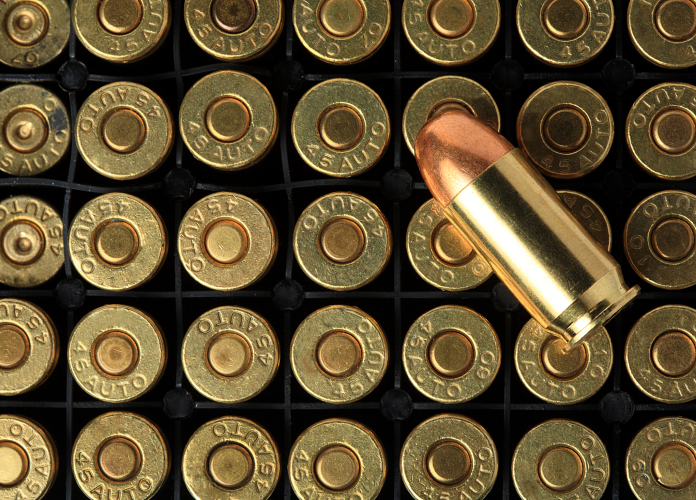
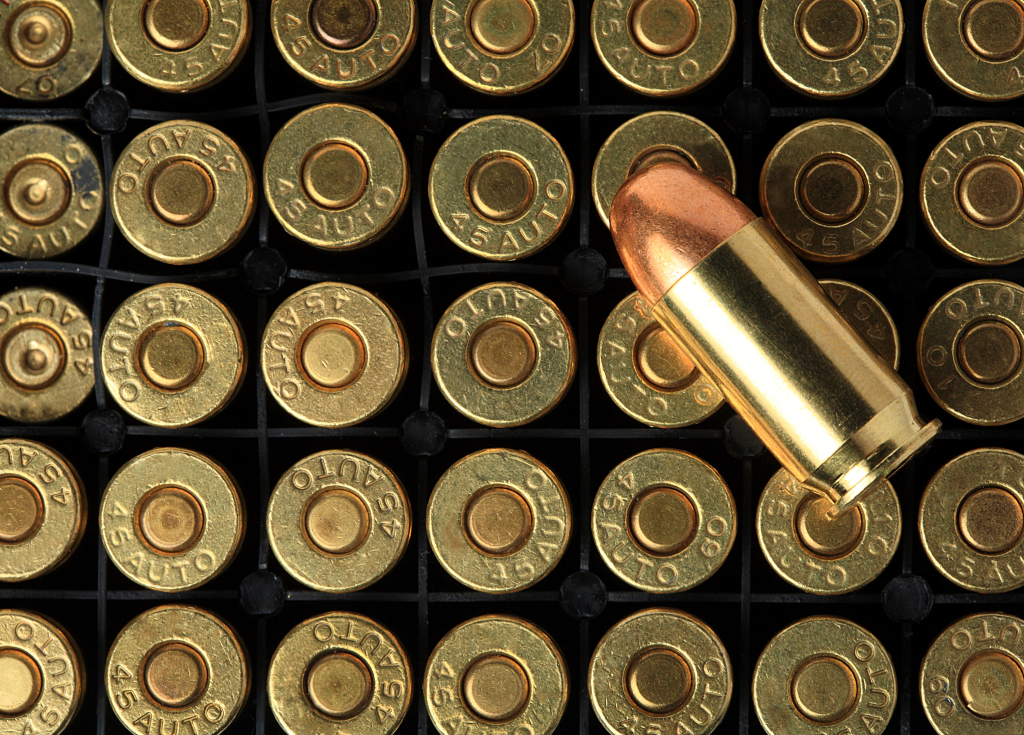
Handgun caliber arguments rarely end because the cartridge is only part of the story. Bullet design, penetration, recoil control, and the gun itself all shape what happens when a pistol is used for personal protection.
The modern baseline remains simple: a defensive handgun round has to reach vital structures reliably, even after passing through clothing, while still being controllable enough for fast, accurate follow-up shots. That is why some familiar handgun rounds keep showing the same weaknesses in testing and field data, even when they remain popular for training, nostalgia, or concealment.
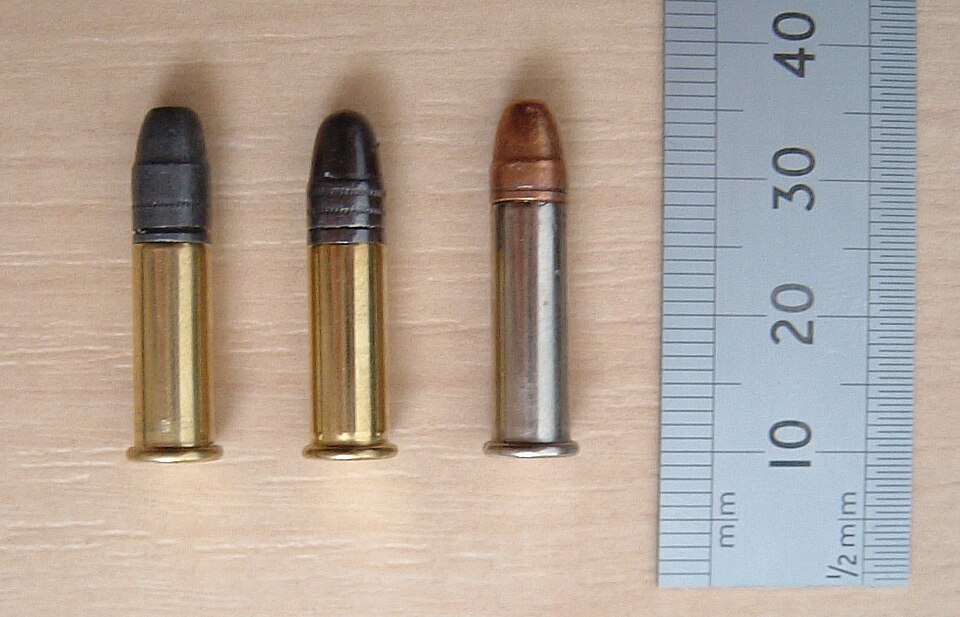
1. .22 Long Rifle
The .22 LR stays attractive because it is easy to shoot, easy to carry, and widely available in small handguns. Its problem is that defensive use asks for more than low recoil. Rimfire ignition is inherently less dependable than centerfire ignition, and that matters when every trigger press has to count.
Ballistic performance is also narrow. In short-barreled pistols, many .22 loads struggle to hit the 12-18 inch penetration range commonly used as a benchmark for handgun ammunition. Some specialty loads perform better, but the caliber still leaves little margin when heavy clothing, bone, or imperfect shot angles enter the picture. Real-world shooting data compiled over years has also shown smaller handgun calibers carrying a higher failure rate than service rounds.
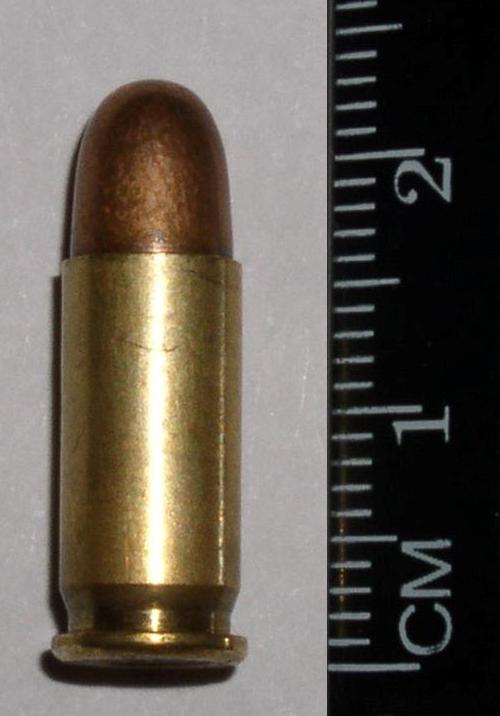
2. .25 ACP
.25 ACP was built to give pocket pistols centerfire reliability, and that remains its strongest technical defense. The problem is that modern pocket guns have outgrown the role that once kept .25 relevant.
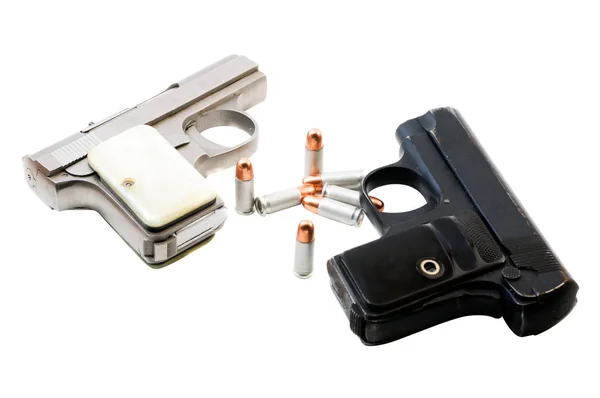
Energy is typically minimal, expansion is inconsistent, and many .25 pistols pair the cartridge with tiny sights and difficult triggers. In Greg Ellifritz’s long-running shooting data, 35% of people shot with .25 caliber handguns were not incapacitated, a figure that stands out even in a dataset with plenty of limitations. A centerfire primer helps, but it does not solve the cartridge’s shallow performance envelope.
3. .32 ACP
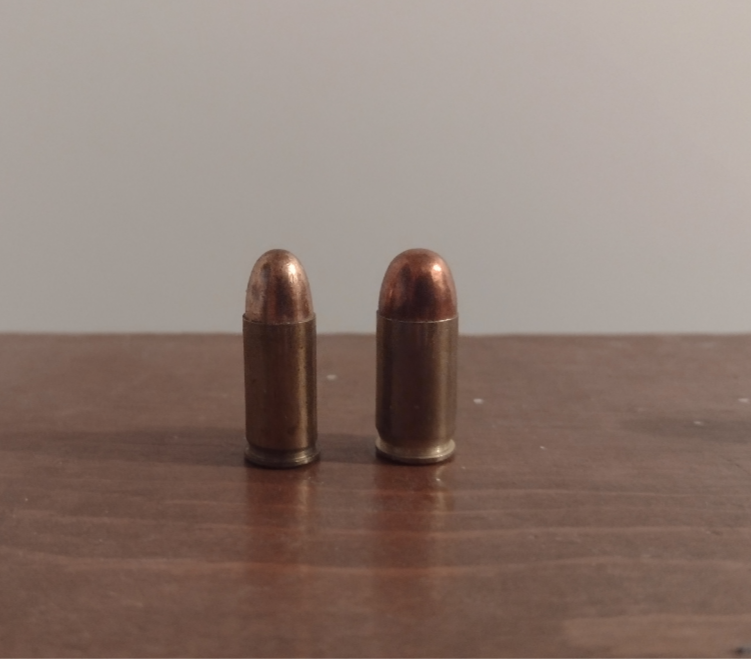
.32 ACP occupies an awkward middle ground. It often shoots softer than .380 ACP, which helps recoil-sensitive users, but that advantage comes with a clear tradeoff in penetration and terminal effect.
Short-barrel gel testing across pocket calibers has repeatedly shown that .32 ACP loads can become selective about clothing barriers and expansion. Some loads reach adequate depth; many do not do it consistently enough to inspire confidence. The caliber also leans heavily on older pistol designs, and that means the ammunition question often becomes a platform question too.
4. .410 Shotshell From Handguns
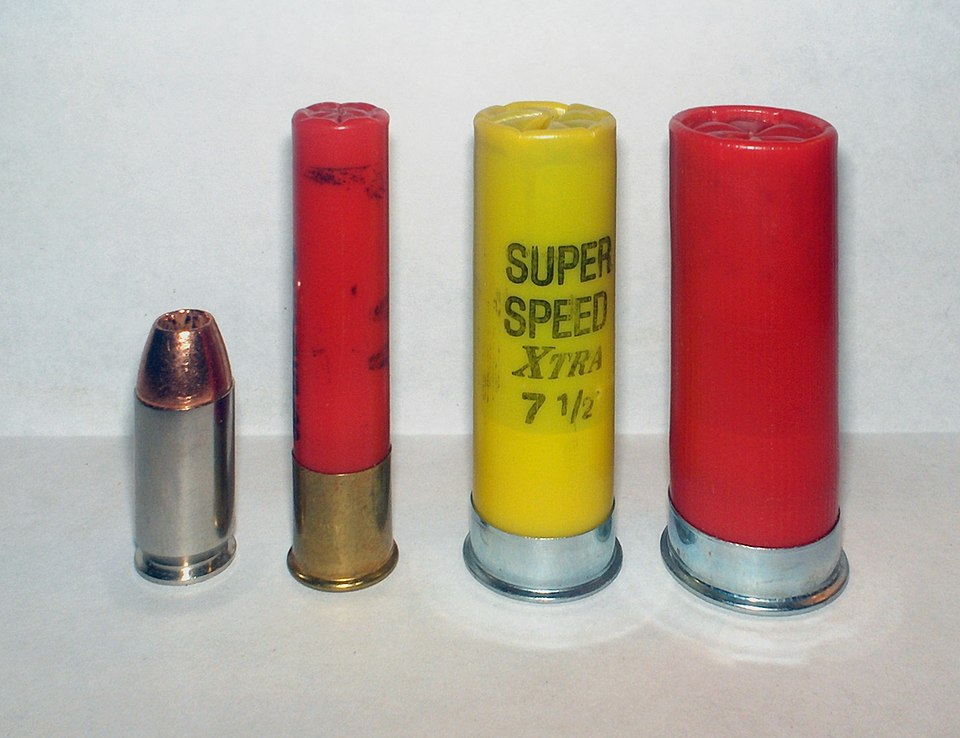
The appeal is obvious: multiple projectiles and a shotgun label in a revolver-sized package. The actual performance is far less forgiving.
Very short barrels rob .410 shells of velocity, and patterns spread quickly from handgun platforms. Birdshot loads are especially weak for defense, while buckshot can still create pattern and pellet-placement problems as distance increases. That turns a supposed advantage into a liability, especially indoors, where predictable hit placement matters more than novelty. These guns can fire other cartridges, but the .410 load itself rarely delivers the consistency expected from a defensive handgun round.
5. Weak .380 ACP Loads
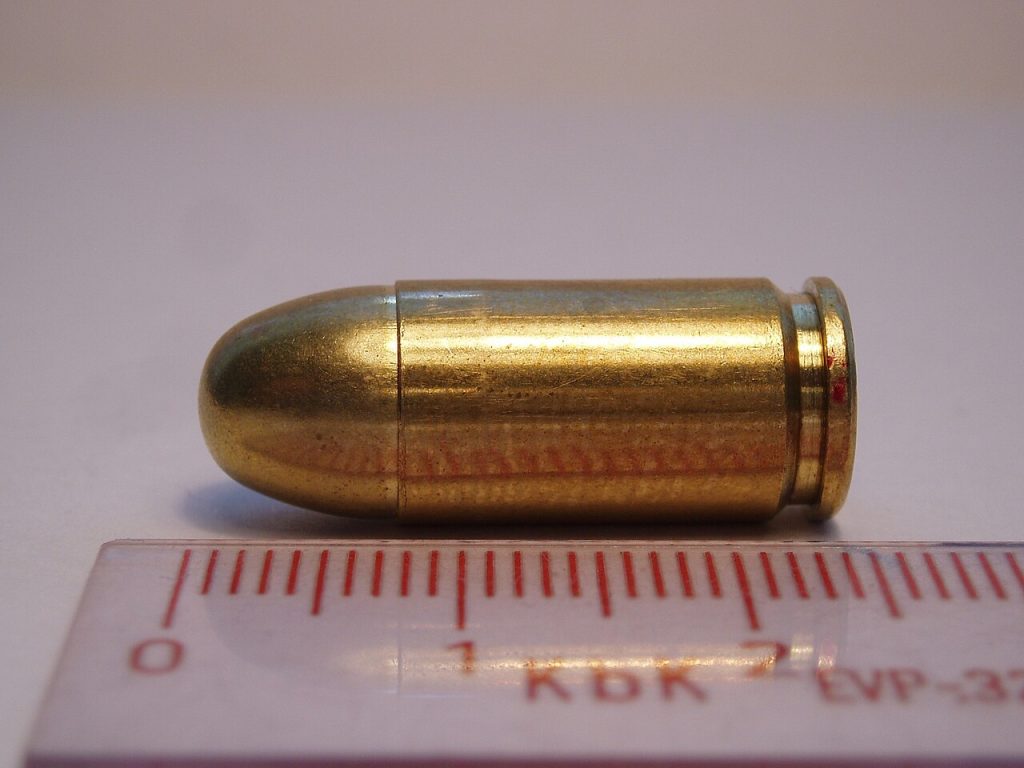
.380 ACP is not automatically a poor choice. The issue is that it is a caliber with very little room for mediocre ammunition.
Short-barrel gelatin testing has shown a common pattern in .380: loads either expand nicely and stop short, or penetrate deeply and expand very little. Only a smaller group manages both jobs well. That leaves carriers depending heavily on careful ammunition selection. In practical terms, .380 is often less about the caliber name than about avoiding loads that fall below the threshold for adequate depth after heavy clothing.
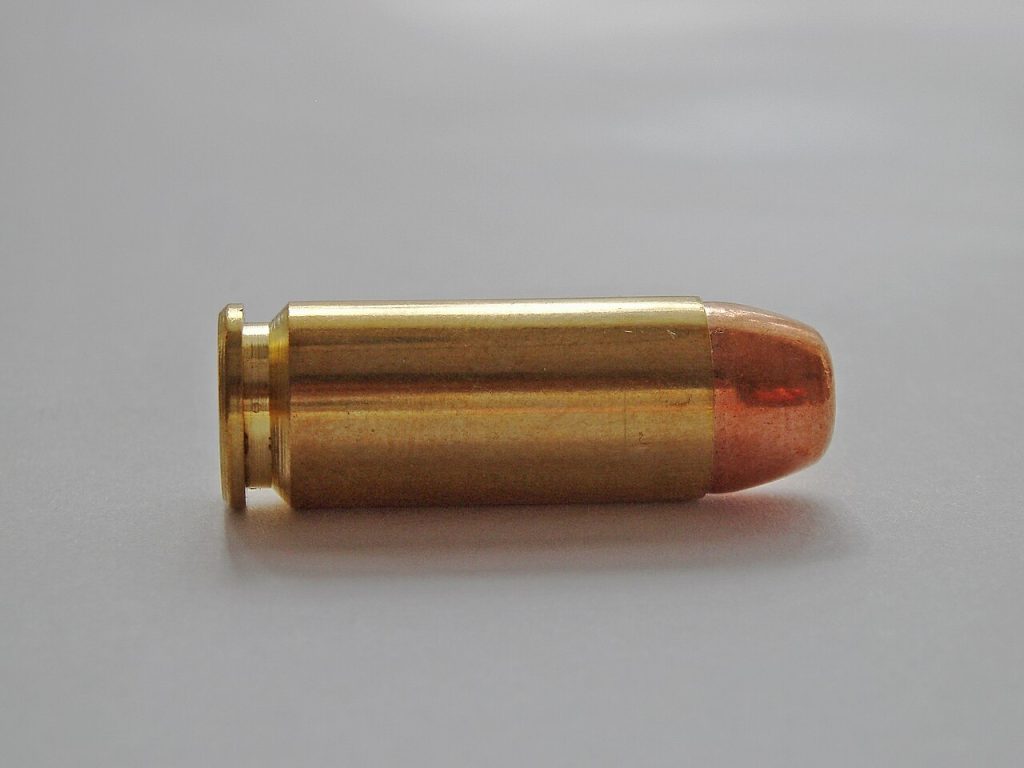
6. 10mm Auto for Everyday Carry
10mm Auto does not fail because it is weak. It fails many ordinary carriers because it asks too much from the shooter and sometimes from the gun.
The FBI’s experience with 10mm showed how a powerful cartridge can create system-wide problems when issued across a large population of shooters. According to a former bureau ballistics official, there were “huge issues” with 10 millimeters tied to recoil impulse and functional reliability. That lesson still matters. If a cartridge slows split times, increases blast, and makes compact pistols harder to run, its extra energy can become less useful than a milder round placed more accurately.
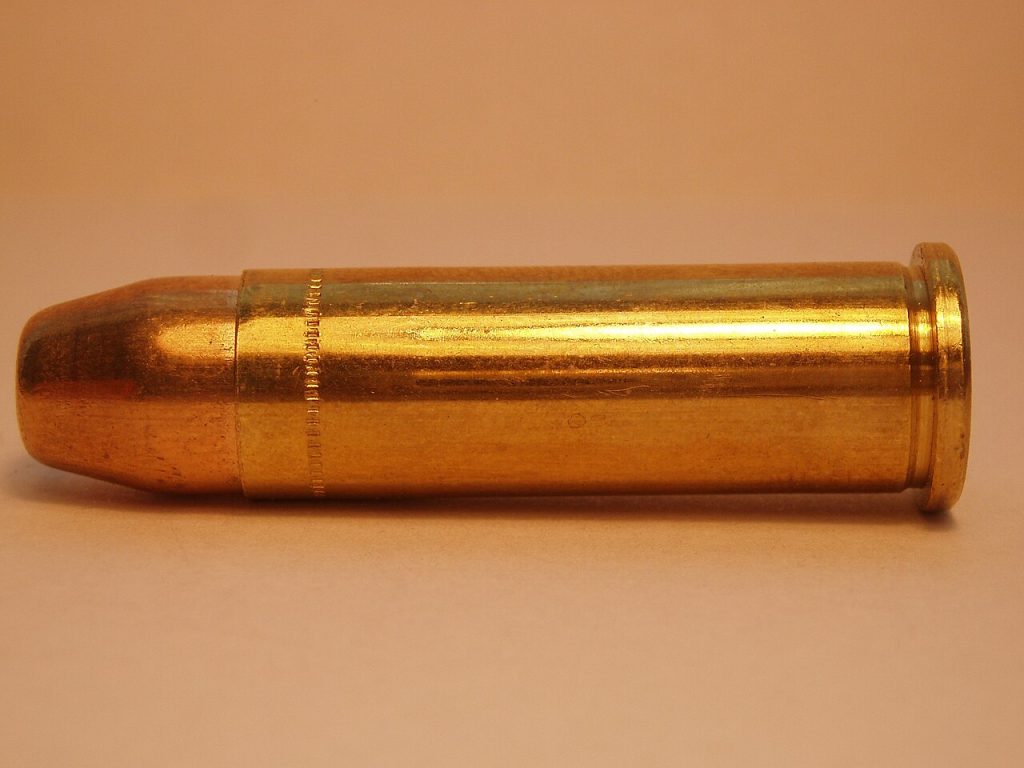
7. .38 Special in Ultra-Short Revolvers
.38 Special has a long defensive history, but physics changes the conversation when the barrel gets extremely short. Snub-nose revolvers cut velocity enough that some hollow points stop expanding as designed, especially through heavy fabric.
That matters because handgun effectiveness depends on penetration first. The FBI’s move away from revolvers after the late 1980s was not only about speed of reloads; it also reflected a broader shift toward testing and standardization rather than tradition alone. In tiny revolvers, .38 Special can still work, but many loads become a compromise between recoil, expansion, and depth. +P ammunition often adds blast and control issues without delivering a dramatic gain from barrels under two inches.
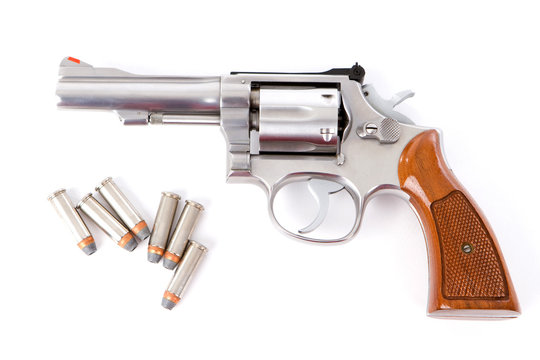
The broader lesson is less dramatic than caliber debates suggest. Handguns are limited tools, and the useful differences often appear at the margins: ignition reliability, barrier performance, controllability, and consistency from short barrels.
That is why the weaker end of the handgun spectrum still draws warnings. Small or powerful rounds can both miss the mark for the same reason: they reduce the odds of getting reliable penetration and accurate follow-up shots at the same time. In defensive pistols, that balance matters more than the label stamped on the cartridge case.


