Some 9mm pistols fade into collector interest, while others become the measuring sticks for everything that follows. The ones that last usually solved a real problem at the right time: more rounds without a punishing grip, simpler controls under stress, better durability, or a size that fit more than one role.
That is why certain models still shape debates over duty guns, carry pistols, training standards, and even magazine compatibility. Their importance is larger than brand loyalty. Each one pushed a design idea far enough that later pistols had to copy it, refine it, or deliberately reject it.
1. Browning Hi-Power
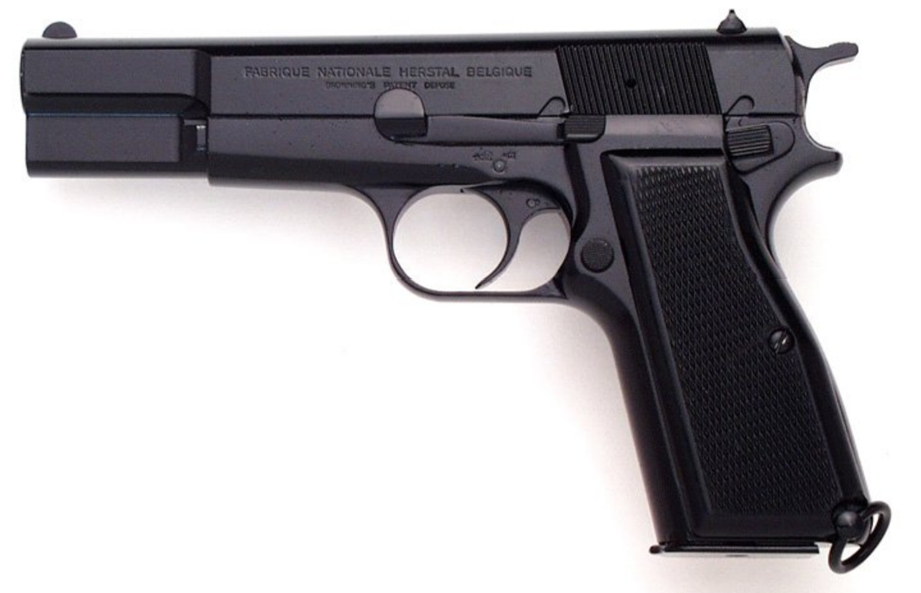
The Hi-Power normalized the idea that a service pistol could carry serious ammunition without becoming awkward in the hand. Its double-stack magazine changed expectations long before polymer frames made high-capacity sidearms routine, and its grip shape helped prove that more rounds did not have to mean poor handling. It also sits at an important turning point in handgun design. John Browning laid the groundwork, and Dieudonné Saive carried the pistol into finished form, creating a platform that blended practical ergonomics with capacity in a way later service pistols would revisit for decades.
2. Glock 17
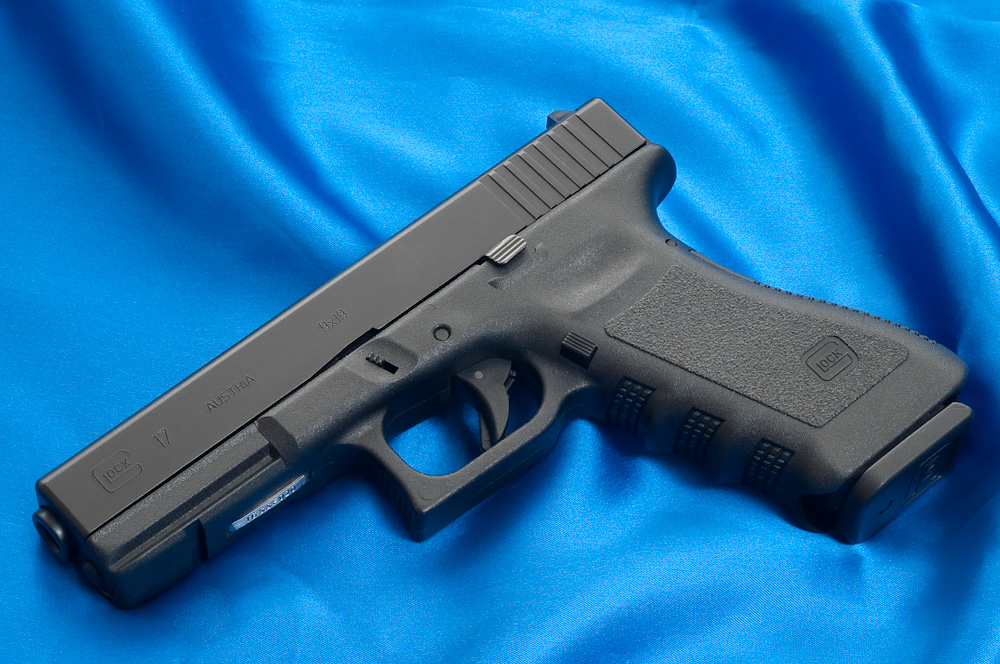
The Glock 17 turned the polymer-framed, striker-fired duty pistol from a radical idea into an industry baseline. Once it demonstrated that a lightweight service handgun could stay reliable through dirt, weather, drops, and long firing schedules, the conversation changed from whether polymer belonged in a serious pistol to which polymer pistol did it best. That shift was not small. Austrian testing history often cited the pistol completing 10,000 rounds with no more than 20 stoppages, and broader torture testing gave the design a reputation for mechanical simplicity. With only 34 components, the Glock 17 also became a template for easy maintenance and standardized training across large agencies.
3. Glock 19
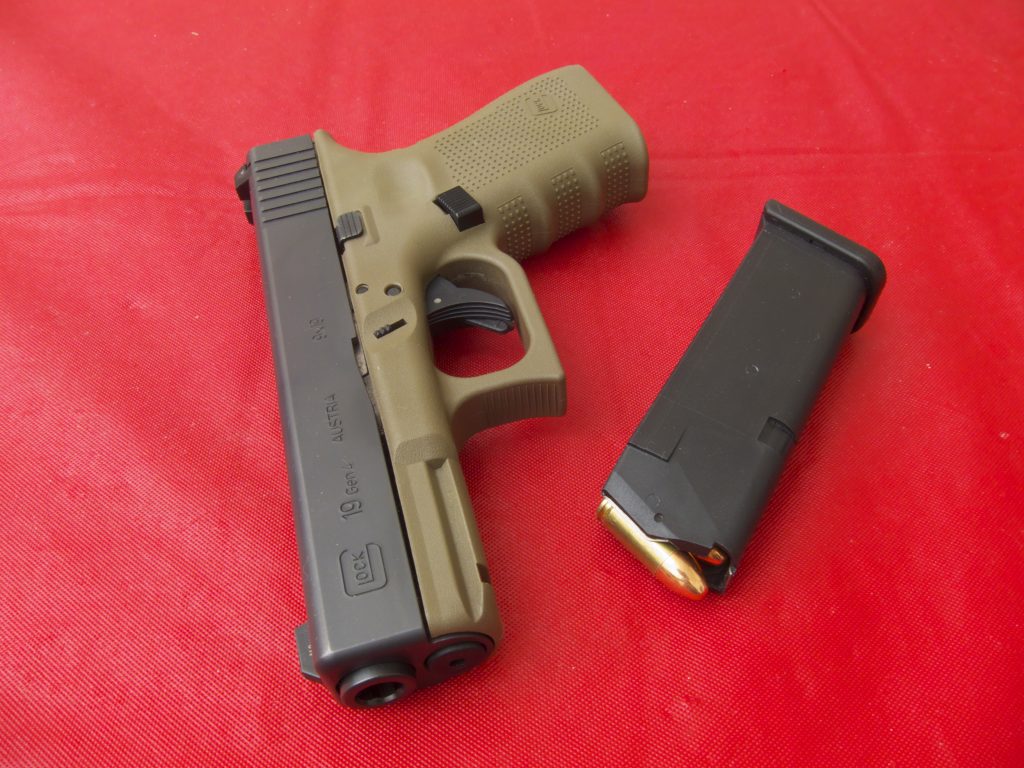
The Glock 19 refined the service-pistol formula into a size many shooters now treat as the default answer. Its compact frame kept enough shootability for duty and training use while remaining small enough for concealed carry, giving departments, private owners, and instructors one common platform instead of separate full-size and compact systems. Its long influence comes from balance. The pistol arrived in a format widely documented with a 4-inch barrel and 15-round magazines, and that proportion became a benchmark for “do-everything” 9mm sizing. Later compact pistols have spent years chasing the same combination of controllability, concealability, and cross-compatibility with larger magazines.
4. Beretta 92 / M9
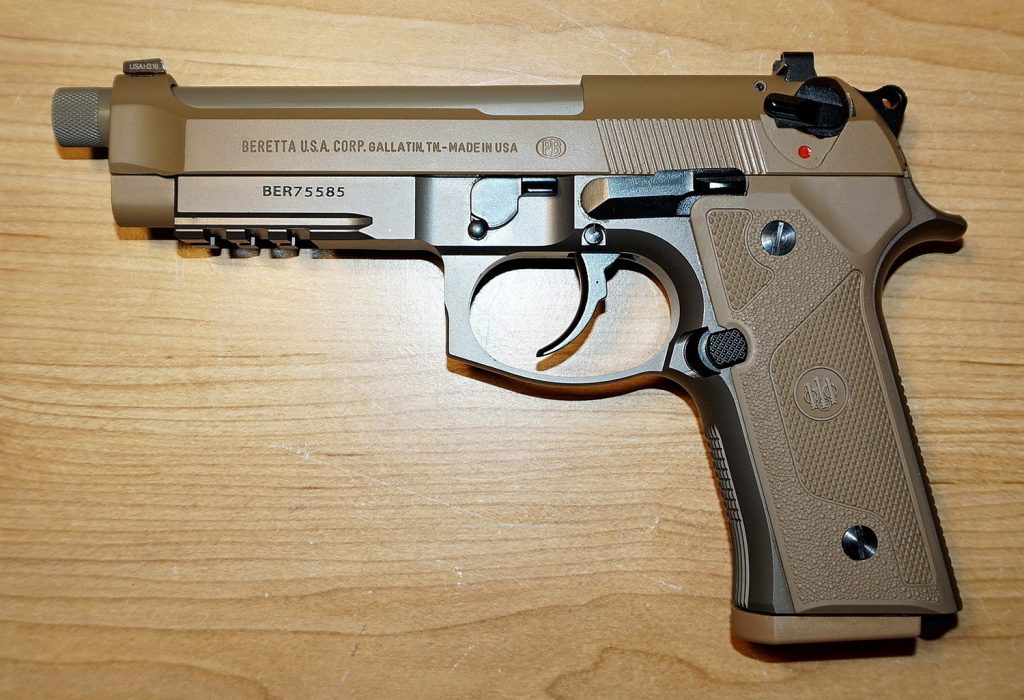
The Beretta 92 family showed how a large-frame 9mm could still feel smooth and controllable in rapid fire. Its open-slide layout, metal frame, and long sight radius gave it a distinct shooting character, and its military adoption locked it into generations of training and maintenance doctrine. It also remains one of the clearest examples of engineering judged at institutional scale. During testing, the platform posted 2,000 MRBF against a 625-round requirement, giving it a place in discussions about service-pistol endurance that goes beyond nostalgia.
5. SIG Sauer P226
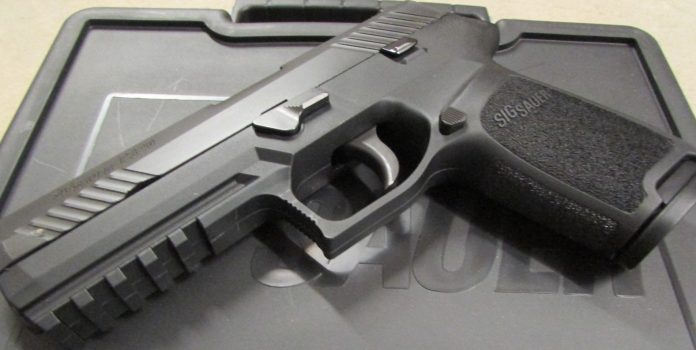
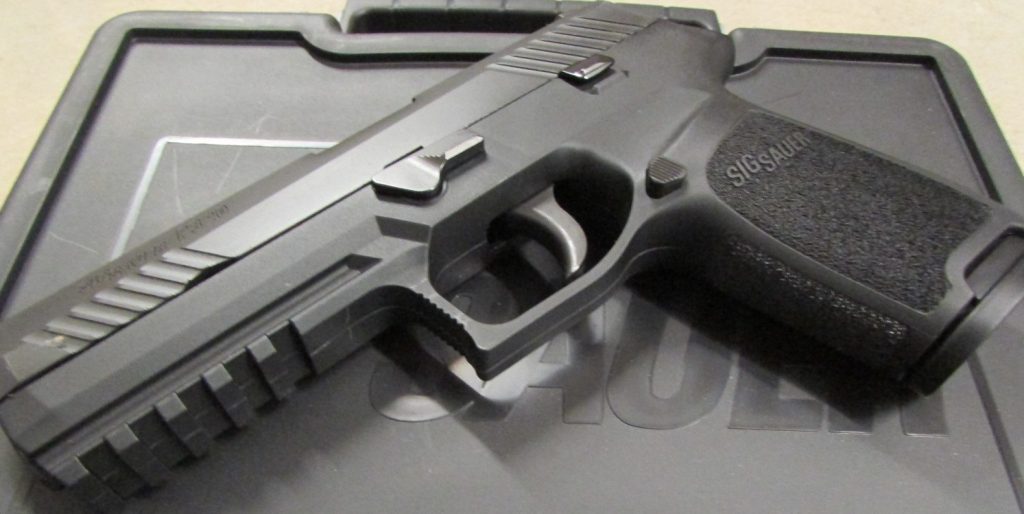
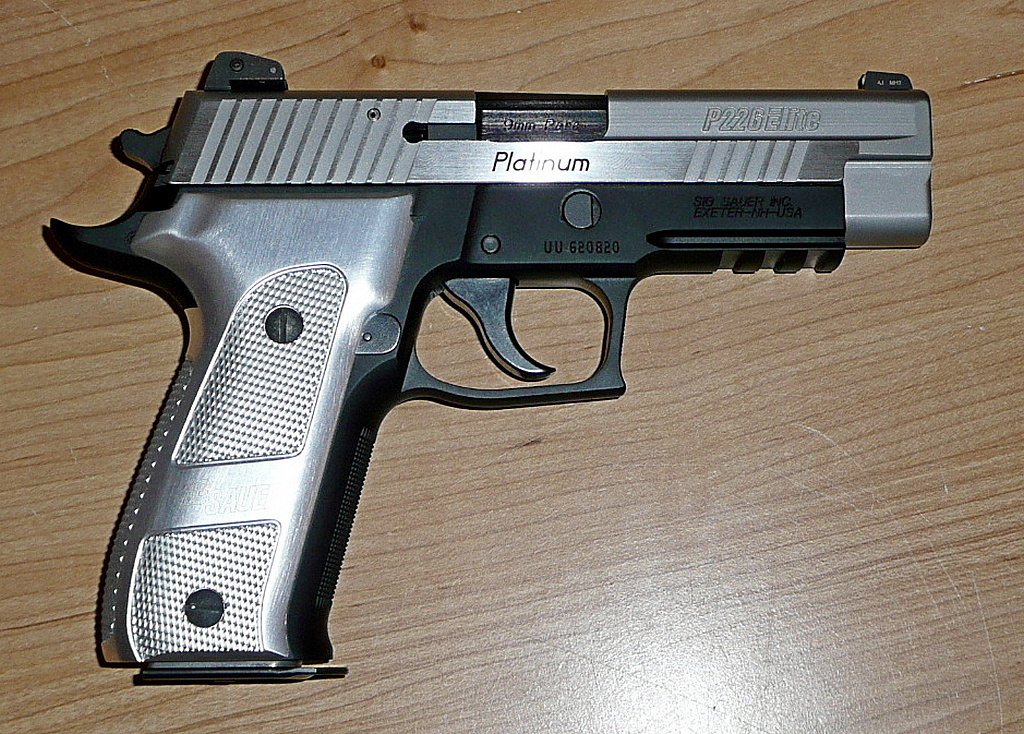
The P226 became the standard for shooters who wanted a duty pistol with both refinement and hard-use credibility. Built from the P220 into a double-stack design for the XM9 trials, it paired a DA/SA system with a decocking lever and service-grade reliability in a package that many agencies viewed as safety-conscious without being mechanically complicated. Its early history still matters because it highlights how procurement and performance do not always point in the same direction. The pistol was created with 15+1 capacity for the 1984 US military trials, and trial records credited it with 12 stoppages compared with Beretta’s 20. It lost on total package cost, not because it failed technically. That helped cement the P226 as a pistol whose reputation was built as much through later service use as through its original competition pedigree.
6. CZ 75
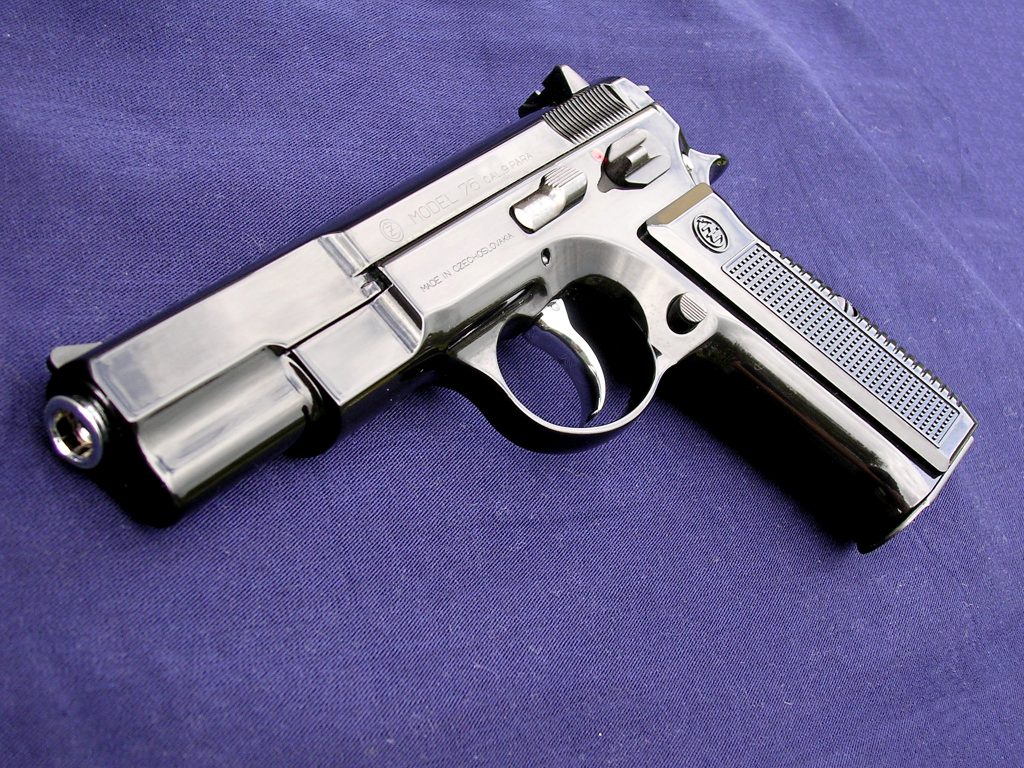
The CZ 75 earned lasting influence through shootability. Its slide-in-frame design, steel construction, and grip profile gave it a low, planted feel that many shooters still regard as one of the best natural fits in a service-sized 9mm. Its real legacy is how often later designs echoed it. The pistol quietly informed generations of clones, competition handguns, and duty guns that borrowed its layout cues, balance, or ergonomics without always receiving the same mainstream credit.
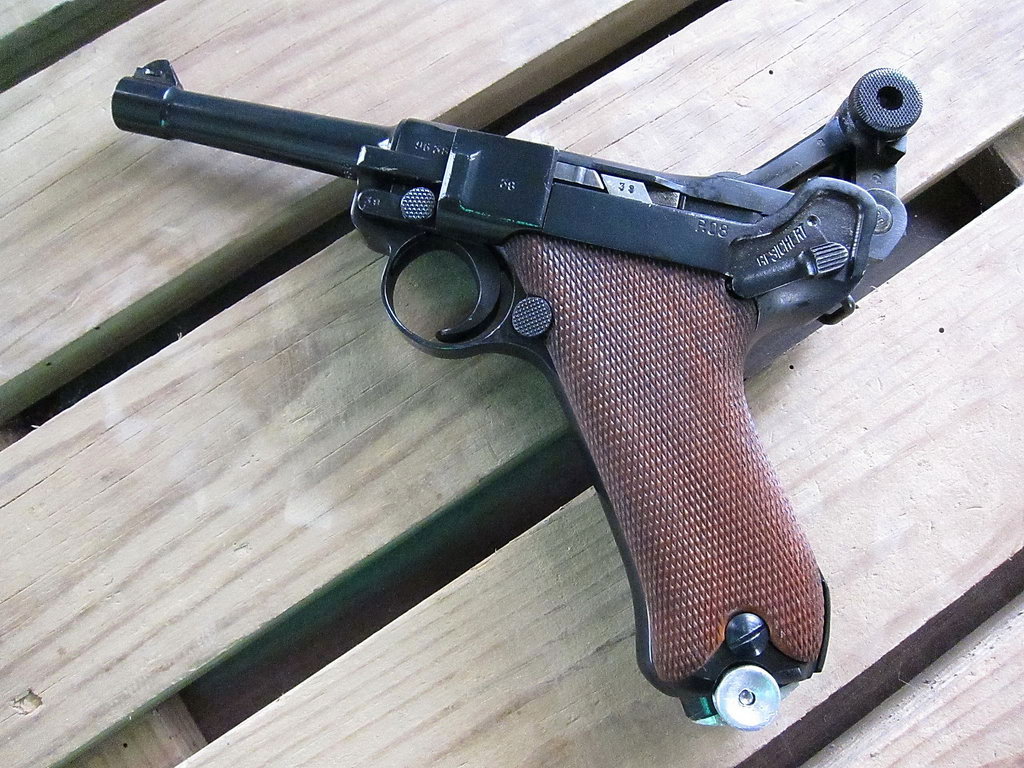
7. Luger P08
The P08 matters because it helped fix the 9mm cartridge itself in history. Its toggle-lock mechanism and sharply angled grip made it unmistakable, but the deeper legacy lies in how closely the pistol is tied to the spread of 9×19mm as a lasting standard. The cartridge lineage reaches back to 1901, and that timing places the Luger near the root of the entire modern 9mm conversation. Many later pistols changed materials, safeties, and feeding systems, but they were still working with a cartridge standard this early pairing helped establish.
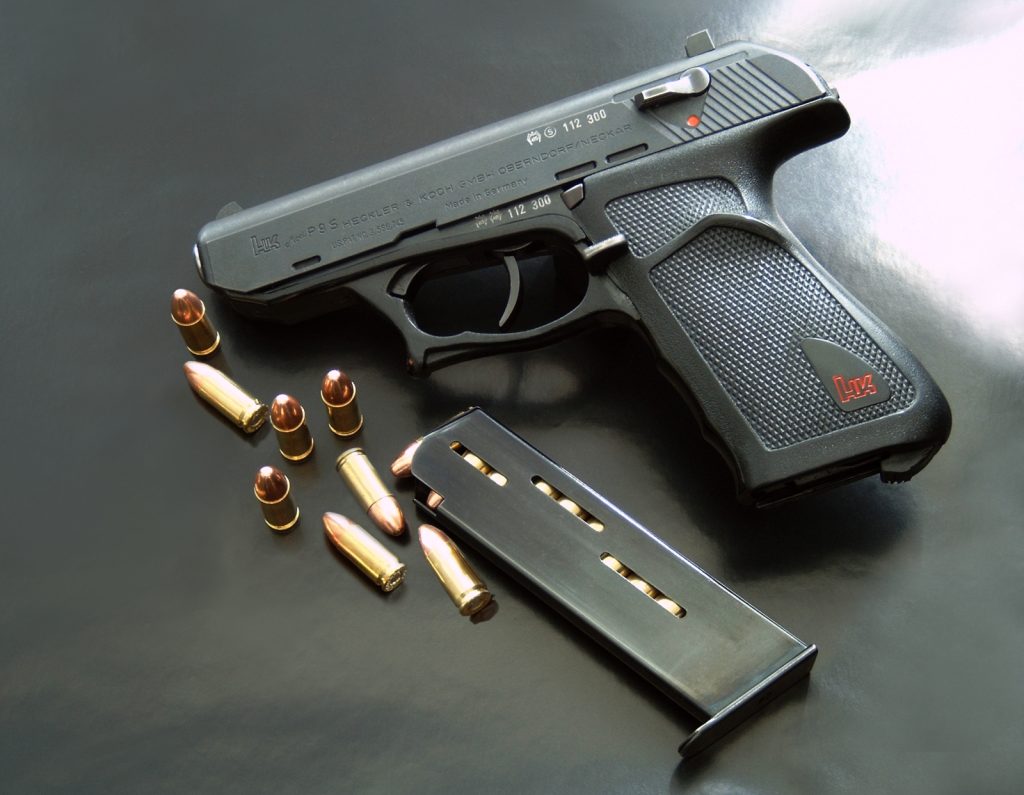
8. Heckler & Koch VP70
The VP70 arrived too early to dominate, but it planted an idea the market eventually embraced: the polymer-framed 9mm service pistol. Its styling and trigger system kept it from becoming a universal favorite, yet the material choice alone gave it a place in handgun evolution. That makes the VP70 more influential than its reputation suggests. It showed that lightweight construction could exist outside experimental novelty, clearing conceptual ground for later pistols that would pair polymer with better triggers, improved ergonomics, and more adaptable controls.
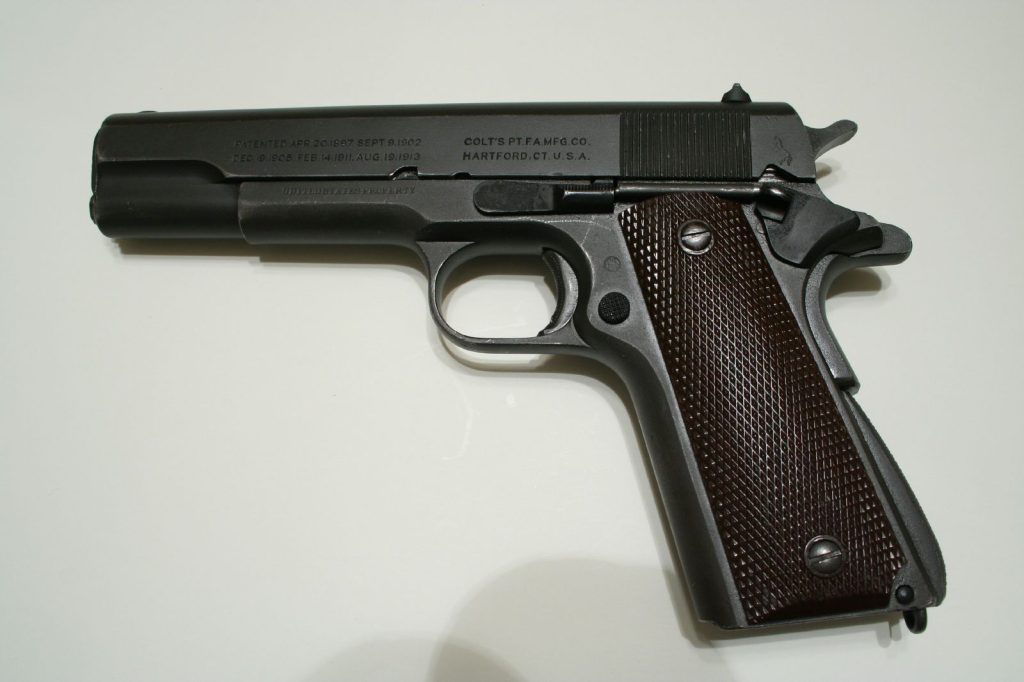
9. Colt 1911 in 9mm
A 9mm 1911 demonstrates that platform identity and chambering identity are not the same thing. The familiar grip angle, slim frame, and straight-to-the-rear trigger remain attractive to shooters who value precision and control, while the 9mm chambering changes recoil behavior and magazine strategy. That combination helped keep the 1911 relevant beyond its original cartridge associations. It also reinforced an enduring point in pistol design: a successful operating layout can survive major shifts in caliber preference if timing, feeding, and handling characteristics remain sound.
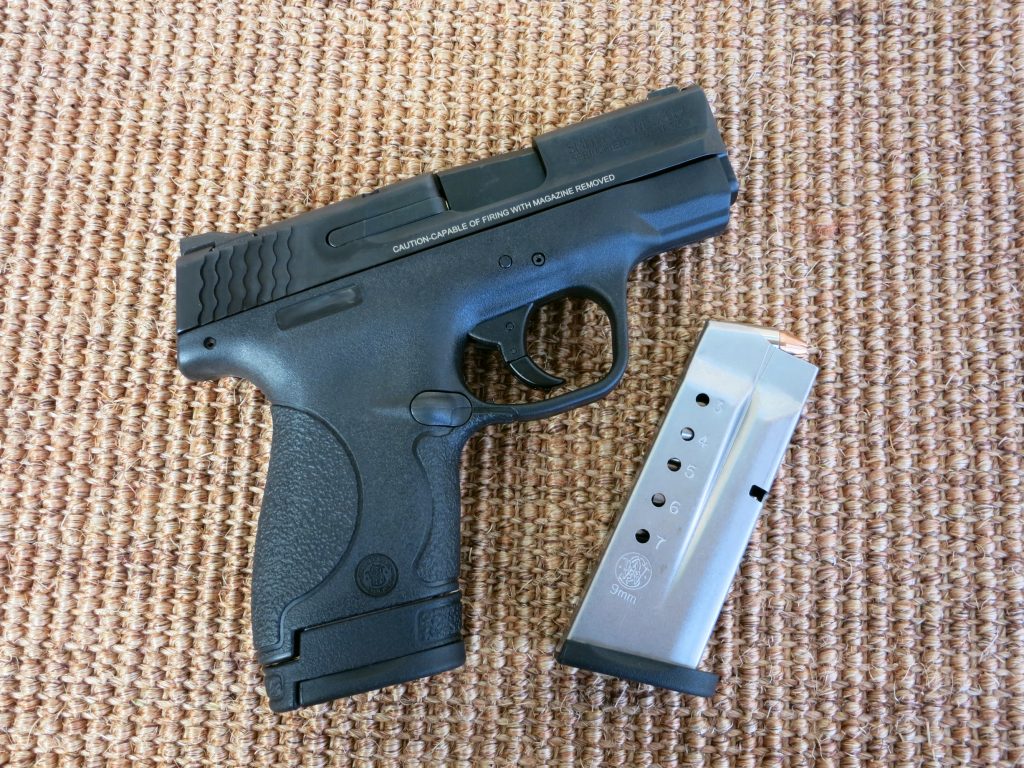
10. Smith & Wesson M&P Shield
The Shield marked a point where slim 9mm carry guns stopped feeling like reduced-capability backups and started being treated as primary tools. Its footprint matched the realities of everyday carry, but its controls and shootability were close enough to larger pistols that many users no longer saw concealment as a severe compromise. That influence spread well beyond one model. The modern expectation that a thin pistol should still be reliable, practical to train with, and chambered in full-power 9mm owes a great deal to the class of handgun the Shield helped push into the mainstream.
These pistols did more than sell well or serve widely. They established assumptions: how many rounds a service pistol should hold, what a compact 9mm should feel like, how durable a duty gun must be, and how much simplicity shooters now expect in maintenance and operation. The details vary, but the pattern is consistent. A handful of standout designs turned engineering decisions into long-term standards, and the current 9mm market still operates inside the boundaries they set.


